

Fish, cod, Pacific, cooked, dry heat (may contain additives to retain moisture)
Whole food · Finfish and Shellfish Products

Photo: Wikipedia
Pacific cod, cooked via dry heat, is a lean, flaky white fish with a mild, clean flavor and a delicate, tender texture that easily absorbs seasonings. It's a nutritional powerhouse, offering an exceptional amount of protein (18.73g) for very few calories (85 kcal) and virtually no fat or carbohydrates.
Calorie split: 94% protein · 0% carbs · 6% fat
↓ Full nutrition💚 Why it's loved
People love its versatility and mildness, which acts as a blank canvas for bold flavors from global cuisines, from spicy Asian glazes to simple lemon and herbs. Its clean, non-fishy taste and satisfying flake make it an approachable choice for both seafood lovers and those new to fish.
⚠️ Watch-outs & how to enjoy it better
Its very leanness can lead to dryness if overcooked, which is a common pitfall. To counteract this, use quick, high-heat methods like broiling or pan-searing, or baste with a small amount of olive oil or butter. As a common allergen, it must be avoided by those with fish allergies.
Key benefits
- Excellent source of high-quality, complete protein for muscle maintenance.
- Very low in calories and fat, making it ideal for weight management.
- Contains important nutrients like vitamin B12, selenium, and phosphorus.
- Naturally carbohydrate-free, suitable for low-carb and ketogenic diets.
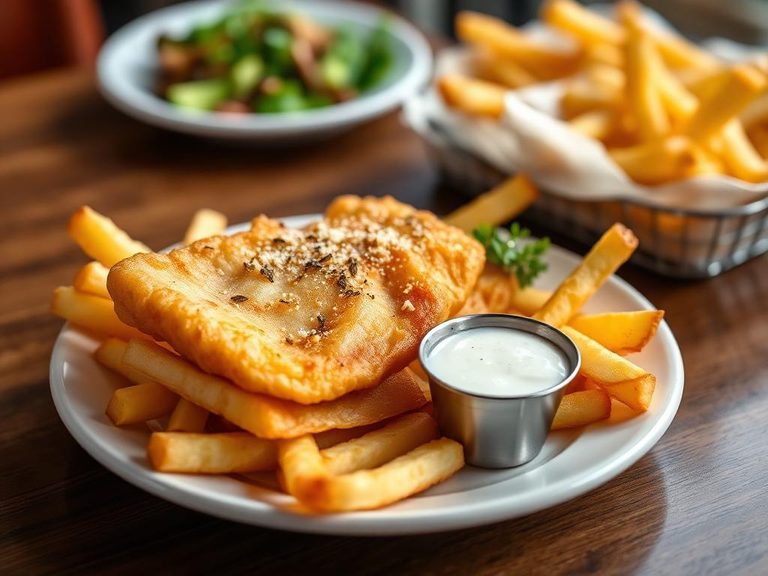
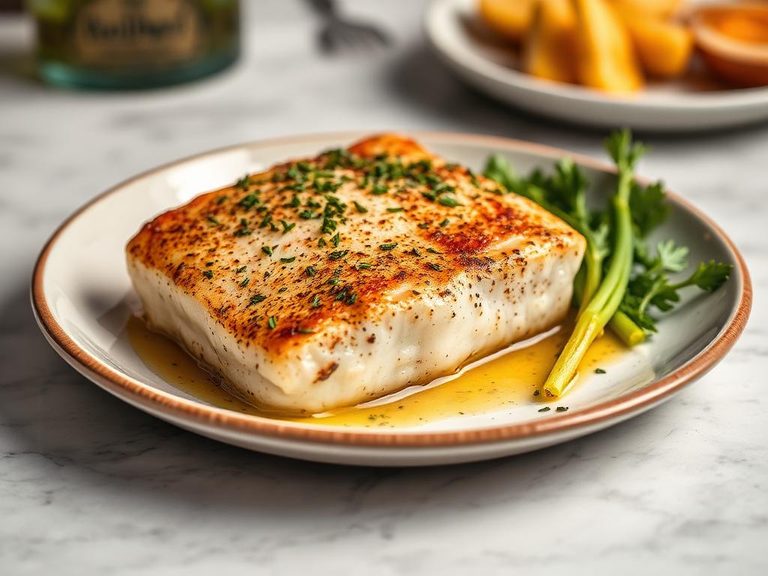
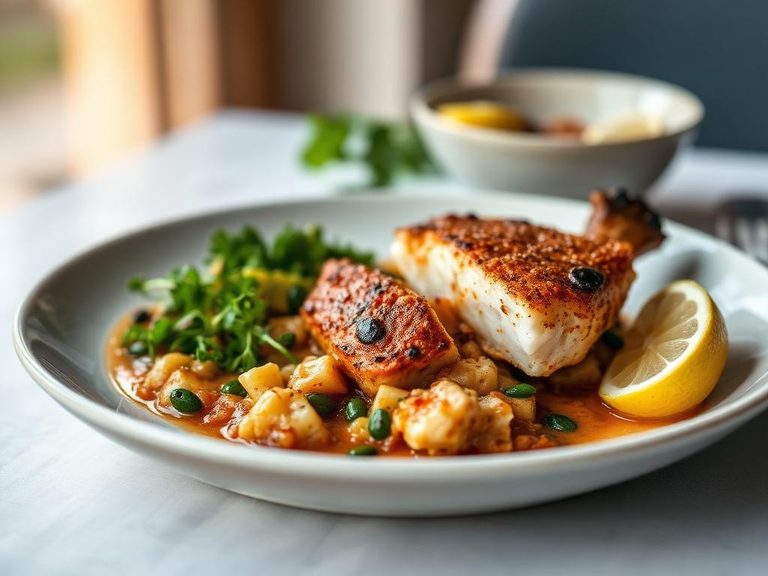
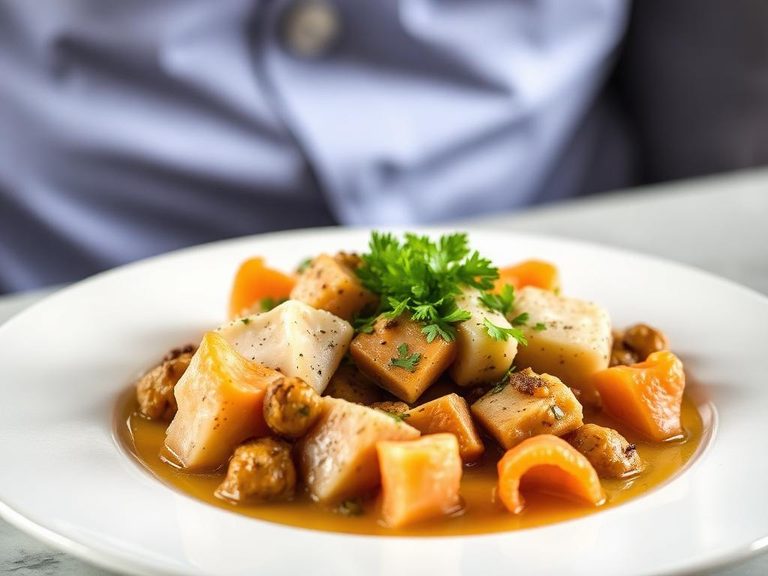
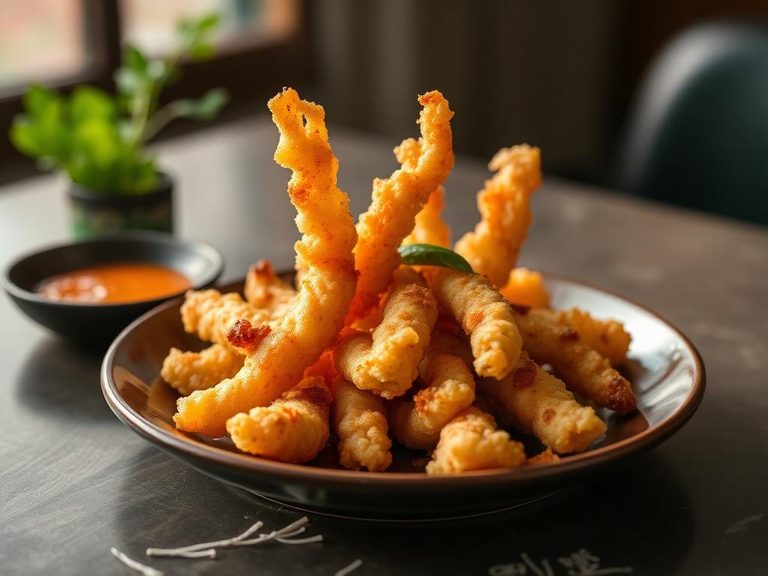
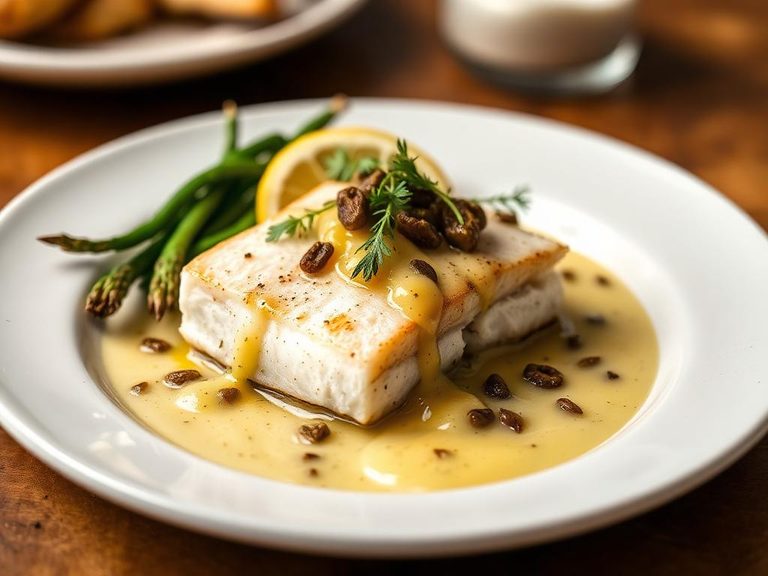
🍽️ Popular dishes
🌍 Where it's eaten
💡 Did you know?
Pacific cod is a key species in the 'surimi' industry, where its mild, white flesh is processed into imitation crab meat found in sushi and seafood salads worldwide.
Full nutrition (USDA data · scales with serving)
| Water | 80.3 g |
| Energy | 85.0 kcal |
| Energy | 354 kj |
| Protein | 18.7 g |
| Total lipid (fat) | 0.50 g |
| Ash | 1.8 g |
| Carbohydrate, by difference | 0.00 g |
| Fiber, total dietary | 0.00 g |
| Total Sugars | 0.00 g |
| Glucose | 0.00 g |
| Fructose | 0.00 g |
| Lactose | 0.00 g |
| Maltose | 0.00 g |
| Galactose | 0.00 g |
| Starch | 0.00 g |
| Calcium, Ca | 10.0 mg |
| Iron, Fe | 0.20 mg |
| Magnesium, Mg | 24.0 mg |
| Phosphorus, P | 345 mg |
| Potassium, K | 289 mg |
| Sodium, Na | 372 mg |
| Zinc, Zn | 0.39 mg |
| Copper, Cu | 0.02 mg |
| Manganese, Mn | 0.01 mg |
| Selenium, Se | 28.0 ug |
| Vitamin C, total ascorbic acid | 0.00 mg |
| Thiamin | 0.04 mg |
| Riboflavin | 0.06 mg |
| Niacin | 1.3 mg |
| Pantothenic acid | 0.36 mg |
| Vitamin B-6 | 0.14 mg |
| Folate, total | 8.0 ug |
| Folic acid | 0.00 ug |
| Folate, food | 8.0 ug |
| Folate, DFE | 8.0 ug |
| Choline, total | 79.7 mg |
| Vitamin B-12 | 2.3 ug |
| Vitamin B-12, added | 0.00 ug |
| Vitamin A, RAE | 2.0 ug |
| Retinol | 2.0 ug |
| Carotene, beta | 0.00 ug |
| Carotene, alpha | 0.00 ug |
| Cryptoxanthin, beta | 0.00 ug |
| Vitamin A, IU | 7.0 iu |
| Lycopene | 0.00 ug |
| Lutein + zeaxanthin | 0.00 ug |
| Vitamin E (alpha-tocopherol) | 0.67 mg |
| Vitamin E, added | 0.00 mg |
| Tocopherol, beta | 0.00 mg |
| Tocopherol, gamma | 0.00 mg |
| Tocopherol, delta | 0.00 mg |
| Tocotrienol, alpha | 0.00 mg |
| Tocotrienol, beta | 0.00 mg |
| Tocotrienol, gamma | 0.00 mg |
| Tocotrienol, delta | 0.00 mg |
| Vitamin D (D2 + D3), International Units | 24.0 iu |
| Vitamin D (D2 + D3) | 0.60 ug |
| Vitamin D3 (cholecalciferol) | 0.60 ug |
| Vitamin K (phylloquinone) | 0.00 ug |
| Vitamin K (Dihydrophylloquinone) | 0.00 ug |
| Vitamin K (Menaquinone-4) | 0.00 ug |
| Alcohol, ethyl | 0.00 g |
| Caffeine | 0.00 mg |
| Theobromine | 0.00 mg |
Fat & fatty acid profile (per 100g)
| Fatty acids, total saturated | 0.10 g |
| SFA 4:0 | 0.00 g |
| SFA 6:0 | 0.00 g |
| SFA 8:0 | 0.00 g |
| SFA 10:0 | 0.00 g |
| SFA 12:0 | 0.00 g |
| SFA 14:0 | 0.00 g |
| SFA 15:0 | 0.00 g |
| SFA 16:0 | 0.07 g |
| SFA 17:0 | 0.00 g |
| SFA 18:0 | 0.03 g |
| SFA 20:0 | 0.00 g |
| SFA 22:0 | 0.00 g |
| SFA 24:0 | 0.00 g |
| Fatty acids, total monounsaturated | 0.09 g |
| MUFA 14:1 | 0.00 g |
| MUFA 15:1 | 0.00 g |
| MUFA 16:1 | 0.01 g |
| MUFA 17:1 | 0.02 g |
| MUFA 18:1 | 0.05 g |
| MUFA 20:1 | 0.01 g |
| MUFA 22:1 | 0.00 g |
| MUFA 24:1 c | 0.01 g |
| Fatty acids, total polyunsaturated | 0.20 g |
| PUFA 18:2 | 0.02 g |
| PUFA 18:3 | 0.00 g |
| PUFA 18:4 | 0.00 g |
| PUFA 20:2 n-6 c,c | 0.00 g |
| PUFA 20:3 | 0.00 g |
| PUFA 20:4 | 0.01 g |
| PUFA 20:5 n-3 (EPA) | 0.04 g |
| PUFA 22:4 | 0.00 g |
| PUFA 22:5 n-3 (DPA) | 0.01 g |
| PUFA 22:6 n-3 (DHA) | 0.12 g |
| Fatty acids, total trans | 0.01 g |
| Cholesterol | 57.0 mg |
Amino acid profile (per 100g)
| Tryptophan | 0.23 g |
| Threonine | 0.81 g |
| Isoleucine | 0.83 g |
| Leucine | 1.5 g |
| Lysine | 1.7 g |
| Methionine | 0.51 g |
| Cystine | 0.17 g |
| Phenylalanine | 0.73 g |
| Tyrosine | 0.68 g |
| Valine | 0.90 g |
| Arginine | 1.2 g |
| Histidine | 0.40 g |
| Alanine | 1.1 g |
| Aspartic acid | 1.9 g |
| Glutamic acid | 2.8 g |
| Glycine | 0.87 g |
| Proline | 0.63 g |
| Serine | 0.79 g |
FAQ
How do I prevent cooked cod from becoming dry and rubbery?
The key is to avoid overcooking. Cook just until the flesh is opaque and flakes easily with a fork, which for a 1-inch thick fillet is typically 8-10 minutes in a 400°F (200°C) oven. Letting it rest for a minute after cooking also helps retain moisture.
Is the 'may contain additives to retain moisture' something to worry about?
This typically refers to a process called 'soaking' or 'plumping' with a saltwater solution or sodium tripolyphosphate (STPP). It's a common, FDA-approved practice to improve texture and reduce cooking loss. If you're monitoring sodium intake, you can look for 'fresh' or 'never frozen' cod, or rinse the fillet under cold water before cooking.
What's the best way to season Pacific cod?
Its mild flavor pairs well with almost anything. For a simple preparation, use salt, pepper, lemon juice, and fresh dill or parsley. For bolder flavors, try a marinade of soy sauce, ginger, and garlic, or a spice rub with paprika, cumin, and coriander before baking or grilling.
Nutrient density (calculated · NRF9.3)
Nutrient Rich Foods index: beneficial nutrients (protein, fiber, vitamins, minerals) minus saturated fat, added sugar & sodium, per 100 kcal.
NRF9.3 index — Fulgoni, Keast & Drewnowski, 2009. Computed from USDA nutrients.
Weight-loss friendliness (composite index)
Energy density 0.85 kcal/g · 88% calories from protein · 0.0 g fiber · 0.0 g sugar per 100 g.
Composite of energy density (Rolls et al., 1999), protein & fiber satiety, minus sugar. A calculated heuristic — ranks satiety-per-calorie, not a clinical measure.
Dietary load (calculated from USDA values)
Potential renal acid load. Positive = acid-forming, negative = alkaline-forming.
Sodium-to-potassium ratio: 1.29 (lower is better — aim for ≤ 1)
Sodium:potassium per WHO potassium guidance. Computed from USDA nutrients.