

Chicken, broilers or fryers, rotisserie, original seasoning, back, meat only, cooked
Whole food · Poultry Products

Photo: Wikipedia
This is the succulent back meat from a rotisserie chicken, cooked with a classic original seasoning blend. The texture is tender and juicy, with a mild, savory flavor that's enhanced by the slow-roasting process. It's a lean protein powerhouse, delivering over 25 grams of protein per 100 grams with virtually no carbohydrates.
Calorie split: 49% protein · 0% carbs · 51% fat
↓ Full nutrition💚 Why it's loved
People adore rotisserie chicken back for its incredible convenience and deeply satisfying, savory flavor that requires no preparation. It's a versatile staple that can be eaten as is, shredded into salads, or used as a base for countless quick meals.
⚠️ Watch-outs & how to enjoy it better
The primary concern is the often high sodium content from the seasoning and brine, which can be an issue for those monitoring salt intake. To mitigate this, rinse the meat lightly under water if concerned, pair it with potassium-rich vegetables like spinach or avocado, and drink plenty of water. The skin, while flavorful, is high in saturated fat; removing it significantly reduces the fat content.
Key benefits
- Excellent source of complete, high-quality protein for muscle maintenance.
- Very low in carbohydrates, suitable for low-carb and ketogenic diets.
- Provides essential minerals like selenium and phosphorus.
- A convenient, ready-to-eat protein source from a whole-food item.
🍽️ Popular dishes
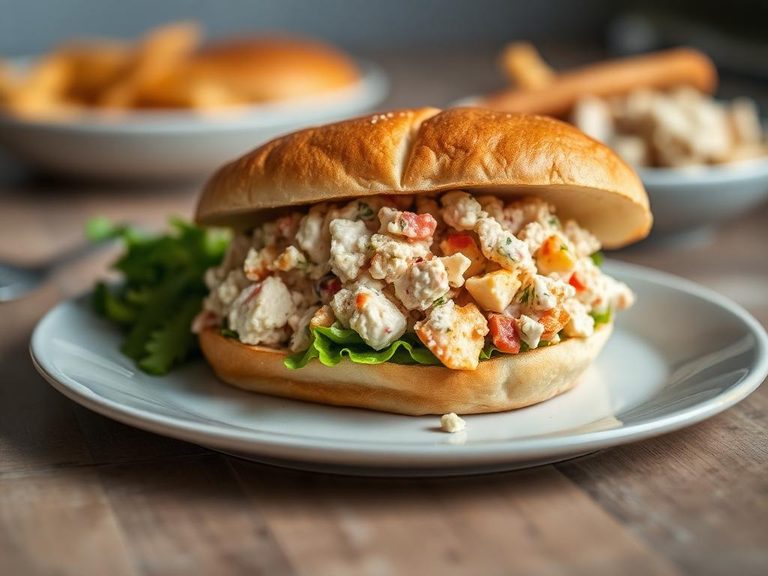
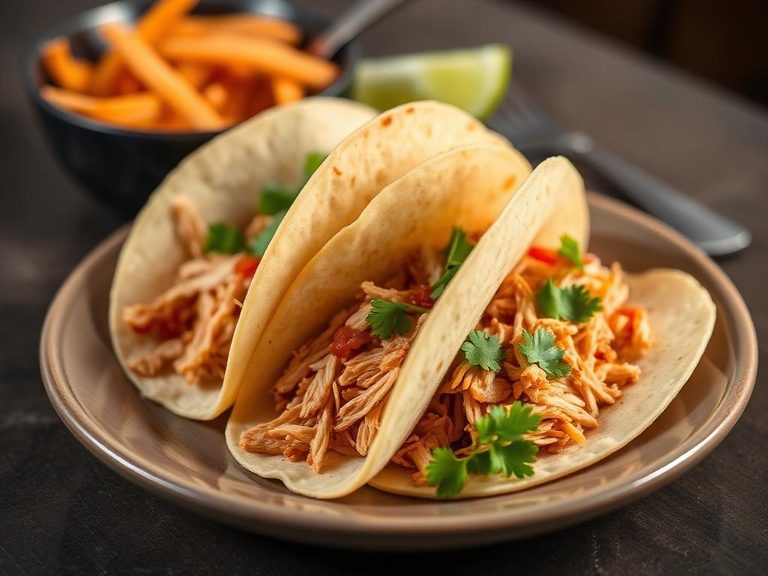
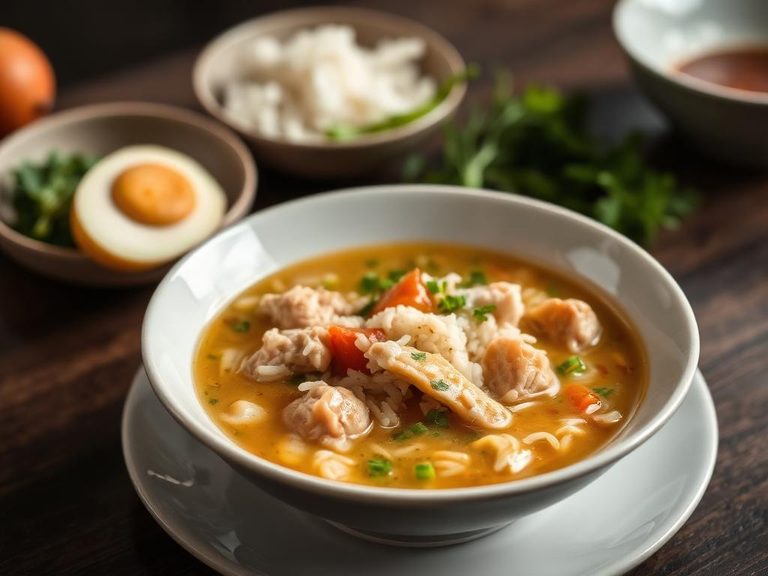
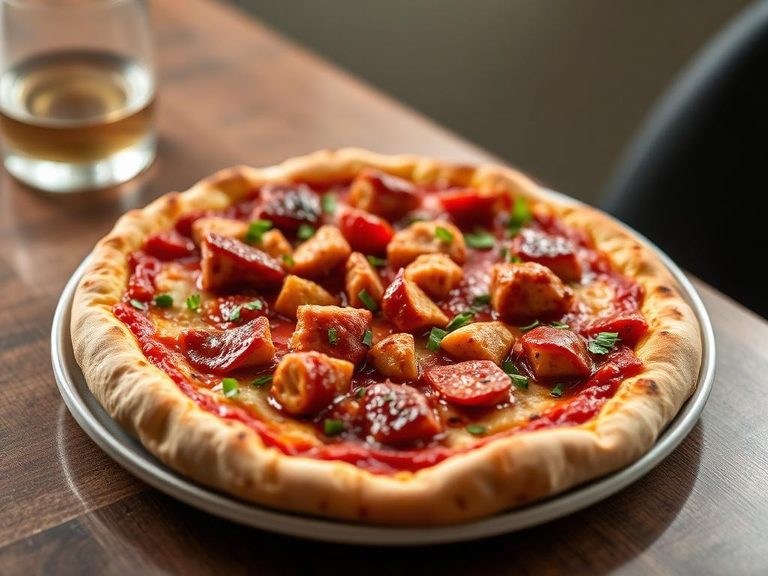
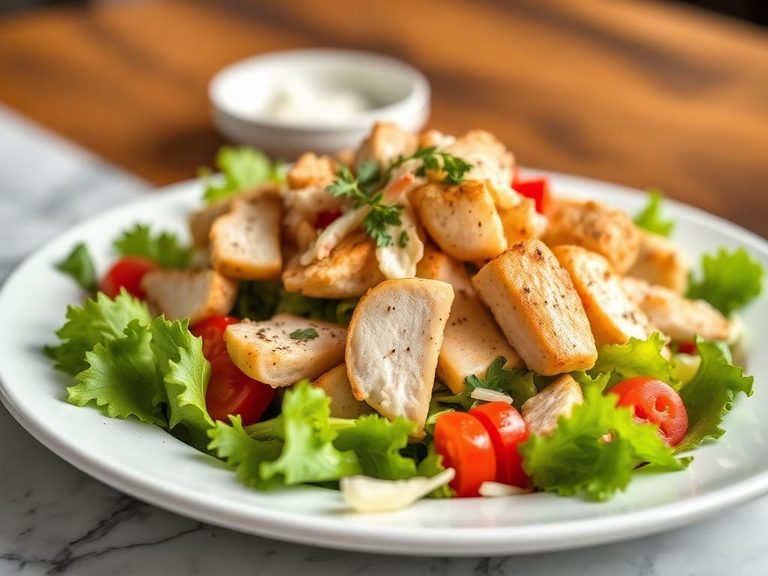
🌍 Where it's eaten
💡 Did you know?
The back of the chicken contains the oyster meat, two small, tender, dark-meat morsels tucked against the spine that are considered a chef's secret treat.
Full nutrition (USDA data · scales with serving)
| Water | 61.2 g |
| Energy | 205 kcal |
| Energy | 859 kj |
| Protein | 25.3 g |
| Total lipid (fat) | 11.5 g |
| Ash | 2.6 g |
| Carbohydrate, by difference | 0.00 g |
| Fiber, total dietary | 0.00 g |
| Total Sugars | 0.00 g |
| Sucrose | 0.00 g |
| Glucose | 0.00 g |
| Fructose | 0.00 g |
| Lactose | 0.00 g |
| Maltose | 0.00 g |
| Galactose | 0.00 g |
| Starch | 0.00 g |
| Calcium, Ca | 38.0 mg |
| Iron, Fe | 0.97 mg |
| Magnesium, Mg | 21.0 mg |
| Phosphorus, P | 250 mg |
| Potassium, K | 309 mg |
| Sodium, Na | 661 mg |
| Zinc, Zn | 2.0 mg |
| Copper, Cu | 0.08 mg |
| Manganese, Mn | 0.02 mg |
| Selenium, Se | 48.3 ug |
| Vitamin C, total ascorbic acid | 0.00 mg |
| Thiamin | 0.08 mg |
| Riboflavin | 0.21 mg |
| Niacin | 6.0 mg |
| Pantothenic acid | 1.2 mg |
| Vitamin B-6 | 0.14 mg |
| Folate, total | 8.0 ug |
| Folic acid | 0.00 ug |
| Folate, food | 8.0 ug |
| Folate, DFE | 8.0 ug |
| Choline, total | 63.9 mg |
| Betaine | 6.6 mg |
| Vitamin B-12 | 0.71 ug |
| Vitamin B-12, added | 0.00 ug |
| Vitamin A, RAE | 17.0 ug |
| Retinol | 17.0 ug |
| Carotene, beta | 0.00 ug |
| Carotene, alpha | 0.00 ug |
| Cryptoxanthin, beta | 0.00 ug |
| Vitamin A, IU | 57.0 iu |
| Lycopene | 0.00 ug |
| Lutein + zeaxanthin | 0.00 ug |
| Vitamin E (alpha-tocopherol) | 0.25 mg |
| Vitamin E, added | 0.00 mg |
| Vitamin K (phylloquinone) | 0.00 ug |
| Vitamin K (Dihydrophylloquinone) | 0.00 ug |
| Vitamin K (Menaquinone-4) | 25.6 ug |
| Alcohol, ethyl | 0.00 g |
| Caffeine | 0.00 mg |
| Theobromine | 0.00 mg |
Fat & fatty acid profile (per 100g)
| Fatty acids, total saturated | 3.0 g |
| SFA 4:0 | 0.00 g |
| SFA 6:0 | 0.00 g |
| SFA 8:0 | 0.00 g |
| SFA 10:0 | 0.00 g |
| SFA 12:0 | 0.00 g |
| SFA 14:0 | 0.07 g |
| SFA 15:0 | 0.01 g |
| SFA 16:0 | 2.4 g |
| SFA 17:0 | 0.01 g |
| SFA 18:0 | 0.56 g |
| SFA 20:0 | 0.00 g |
| SFA 22:0 | 0.00 g |
| SFA 24:0 | 0.00 g |
| Fatty acids, total monounsaturated | 4.9 g |
| MUFA 14:1 | 0.03 g |
| MUFA 15:1 | 0.00 g |
| MUFA 16:1 | 0.76 g |
| MUFA 17:1 | 0.00 g |
| MUFA 18:1 | 4.1 g |
| MUFA 18:1 c | 4.0 g |
| MUFA 20:1 | 0.03 g |
| MUFA 22:1 | 0.00 g |
| MUFA 22:1 c | 0.00 g |
| Fatty acids, total polyunsaturated | 1.7 g |
| PUFA 18:2 | 1.6 g |
| PUFA 18:2 n-6 c,c | 1.5 g |
| PUFA 18:3 | 0.09 g |
| PUFA 18:3 n-3 c,c,c (ALA) | 0.07 g |
| PUFA 18:3 n-6 c,c,c | 0.02 g |
| PUFA 18:4 | 0.00 g |
| PUFA 20:2 n-6 c,c | 0.01 g |
| PUFA 20:3 | 0.00 g |
| PUFA 20:4 | 0.03 g |
| PUFA 20:5 n-3 (EPA) | 0.00 g |
| PUFA 22:5 n-3 (DPA) | 0.00 g |
| PUFA 22:6 n-3 (DHA) | 0.00 g |
| Fatty acids, total trans | 0.15 g |
| Fatty acids, total trans-monoenoic | 0.10 g |
| TFA 18:1 t | 0.10 g |
| TFA 18:2 t,t | 0.05 g |
| Fatty acids, total trans-polyenoic | 0.05 g |
| Cholesterol | 123 mg |
Amino acid profile (per 100g)
| Tryptophan | 0.27 g |
| Threonine | 0.76 g |
| Isoleucine | 1.2 g |
| Leucine | 2.1 g |
| Lysine | 2.2 g |
| Methionine | 0.78 g |
| Cystine | 0.28 g |
| Phenylalanine | 1.0 g |
| Tyrosine | 0.77 g |
| Valine | 1.4 g |
| Arginine | 1.6 g |
| Histidine | 0.72 g |
| Alanine | 1.5 g |
| Aspartic acid | 2.5 g |
| Glutamic acid | 3.9 g |
| Glycine | 1.3 g |
| Proline | 1.2 g |
| Serine | 0.73 g |
| Hydroxyproline | 0.12 g |
FAQ
Is rotisserie chicken back meat dark or white meat?
It's primarily dark meat. The back and thigh muscles are used more for walking, which gives them a richer flavor and slightly higher fat content compared to the breast.
How does the nutrition compare to the breast?
The back meat has slightly more fat (and calories) than the breast, but also a bit more iron and zinc. The protein content is very similar.
Can I eat the skin?
Yes, the skin is edible and flavorful, but it is high in saturated fat and calories. Removing it is an easy way to reduce the overall fat content of your meal.
Nutrient density (calculated · NRF9.3)
Nutrient Rich Foods index: beneficial nutrients (protein, fiber, vitamins, minerals) minus saturated fat, added sugar & sodium, per 100 kcal.
NRF9.3 index — Fulgoni, Keast & Drewnowski, 2009. Computed from USDA nutrients.
Weight-loss friendliness (composite index)
Energy density 2.05 kcal/g · 49% calories from protein · 0.0 g fiber · 0.0 g sugar per 100 g.
Composite of energy density (Rolls et al., 1999), protein & fiber satiety, minus sugar. A calculated heuristic — ranks satiety-per-calorie, not a clinical measure.
Dietary load (calculated from USDA values)
Potential renal acid load. Positive = acid-forming, negative = alkaline-forming.
Sodium-to-potassium ratio: 2.14 (lower is better — aim for ≤ 1)
Sodium:potassium per WHO potassium guidance. Computed from USDA nutrients.