

Cheese, ricotta, whole milk
Whole food · Dairy and Egg Products
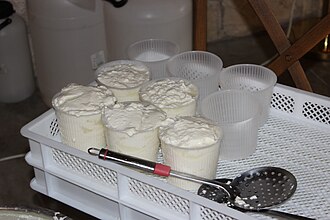
Photo: Wikipedia
Whole milk ricotta is a fresh, creamy Italian whey cheese with a delicate, slightly sweet flavor and a soft, grainy texture. Its high protein content (7.81g per 100g) makes it a satisfying, nutrient-dense option for both sweet and savory dishes. The 11g of fat per 100g contributes to its rich mouthfeel and helps carry fat-soluble vitamins.
Calorie split: 20% protein · 17% carbs · 63% fat
↓ Full nutrition💚 Why it's loved
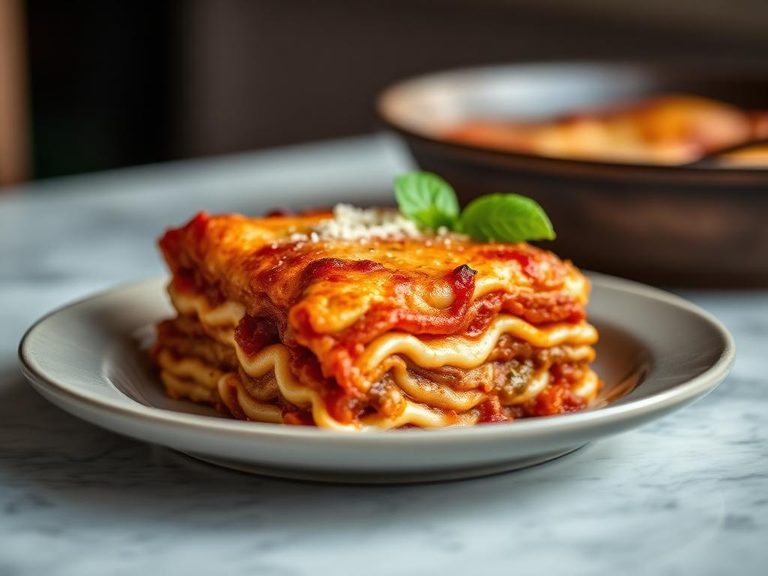
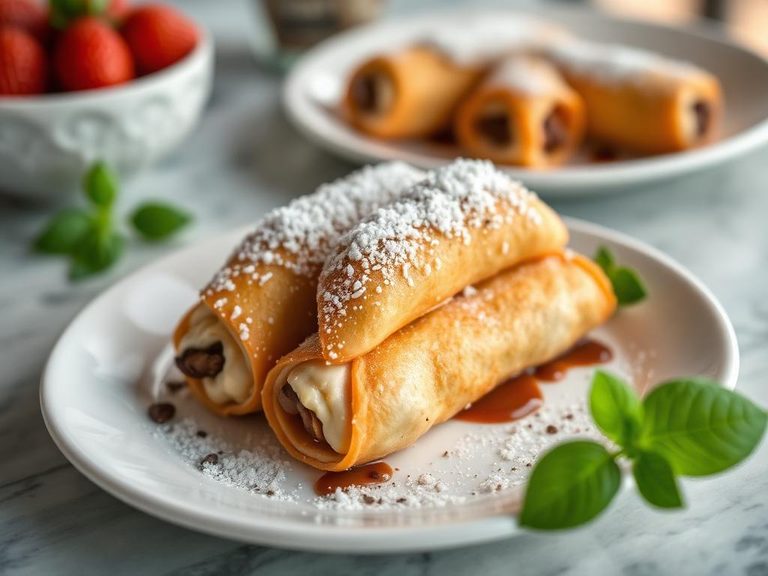
People love ricotta for its mild, milky sweetness and luxuriously creamy yet light texture, which acts as a perfect canvas for other flavors. Its versatility shines in iconic dishes from lasagna to cannoli, making it a beloved staple in home kitchens and restaurants alike.
⚠️ Watch-outs & how to enjoy it better
As a dairy product, it's a common allergen and contains lactose, which some individuals may digest poorly. Its high fat and calorie density require mindful portioning for those monitoring intake. To counteract this, pair it with high-fiber vegetables (like in a lasagna with spinach) or use it as a protein-rich topping for oatmeal or fruit to enhance satiety.
Key benefits
- Excellent source of high-quality, complete protein for muscle maintenance.
- Provides calcium and phosphorus for bone health.
- Contains conjugated linoleic acid (CLA), a naturally occurring fatty acid.
- Versatile ingredient for both sweet breakfasts and savory mains.
- Naturally lower in sodium than many aged cheeses.
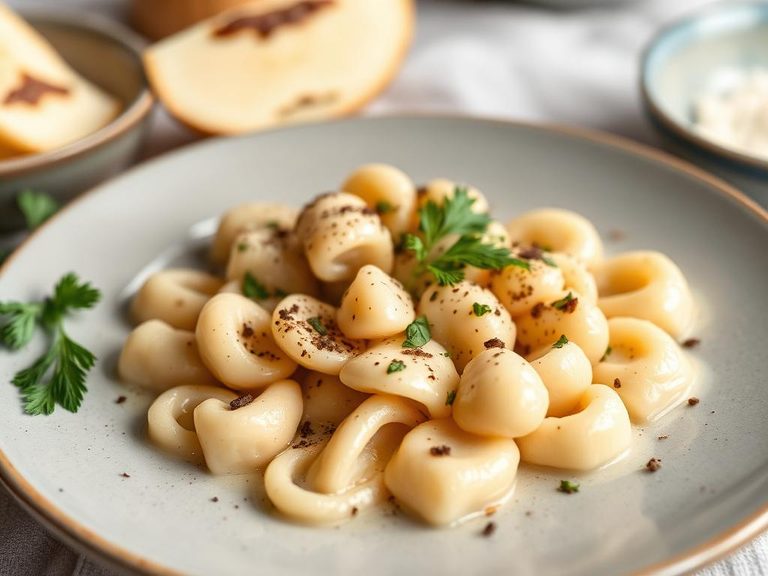
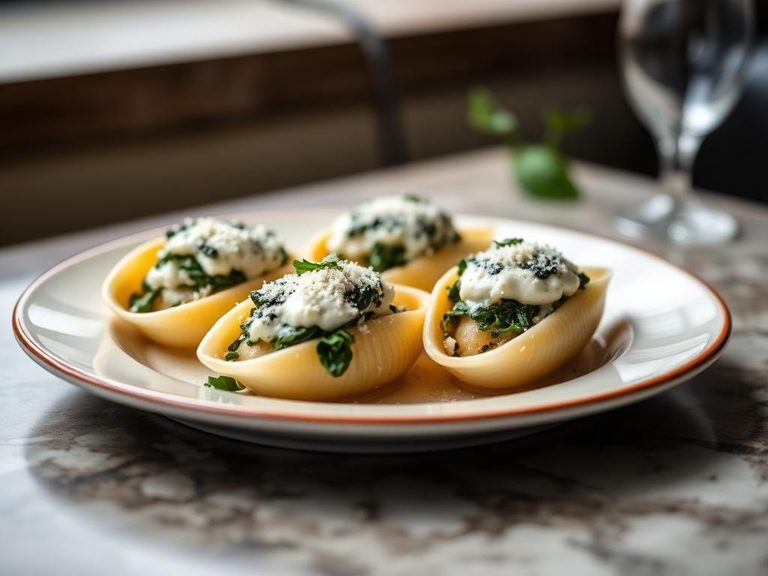
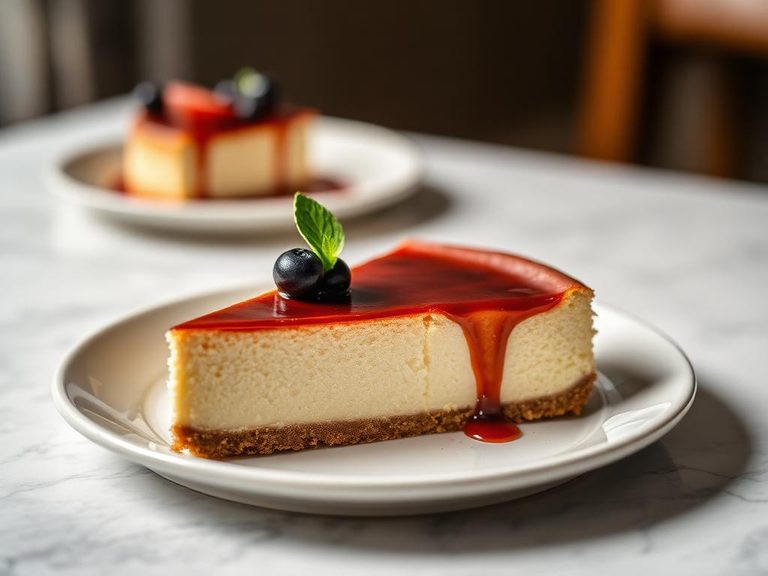
🍽️ Popular dishes
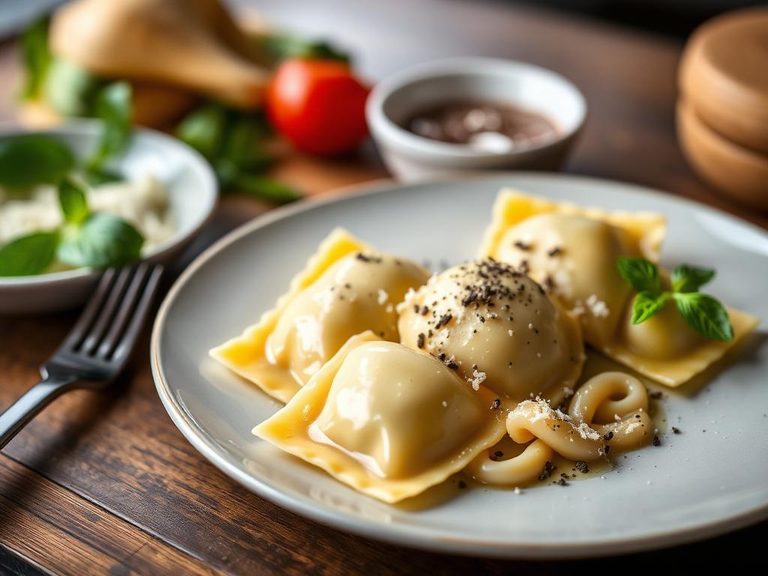
🌍 Where it's eaten
💡 Did you know?
The name 'ricotta' literally means 'recooked' in Italian, referring to its traditional production method of heating the whey leftover from making other cheeses like mozzarella or provolone.
Full nutrition (USDA data · scales with serving)
| Water | 72.9 g |
| Energy (Atwater General Factors) | 158 kcal |
| Energy (Atwater Specific Factors) | 157 kcal |
| Energy | 157 kcal |
| Energy | 657 kj |
| Nitrogen | 1.2 g |
| Protein | 7.8 g |
| Total lipid (fat) | 11.0 g |
| Total fat (NLEA) | 10.3 g |
| Ash | 1.4 g |
| Carbohydrate, by difference | 6.9 g |
| Calcium, Ca | 224 mg |
| Iron, Fe | 0.10 mg |
| Magnesium, Mg | 19.7 mg |
| Phosphorus, P | 162 mg |
| Potassium, K | 230 mg |
| Sodium, Na | 105 mg |
| Zinc, Zn | 0.56 mg |
| Copper, Cu | 0.00 mg |
| Manganese, Mn | 0.00 mg |
| Selenium, Se | 5.5 ug |
| Thiamin | 0.04 mg |
| Riboflavin | 0.33 mg |
| Niacin | 0.17 mg |
| Pantothenic acid | 0.67 mg |
| Vitamin B-6 | 0.10 mg |
| Folate, total | 4.0 ug |
| Vitamin B-12 | 0.78 ug |
| Vitamin A, RAE | 127 ug |
| Retinol | 127 ug |
| Vitamin E (alpha-tocopherol) | 0.27 mg |
| Tocopherol, beta | 0.00 mg |
| Tocopherol, gamma | 0.00 mg |
| Tocopherol, delta | 0.00 mg |
| Tocotrienol, alpha | 0.00 mg |
| Tocotrienol, beta | 0.00 mg |
| Tocotrienol, gamma | 0.00 mg |
| Tocotrienol, delta | 0.00 mg |
| Vitamin K (phylloquinone) | 0.60 ug |
| Vitamin K (Dihydrophylloquinone) | 0.00 ug |
| Vitamin K (Menaquinone-4) | 3.1 ug |
Fat & fatty acid profile (per 100g)
| Fatty acids, total saturated | 7.0 g |
| SFA 4:0 | 0.25 g |
| SFA 6:0 | 0.20 g |
| SFA 8:0 | 0.13 g |
| SFA 10:0 | 0.31 g |
| SFA 11:0 | 0.00 g |
| SFA 12:0 | 0.36 g |
| SFA 14:0 | 1.1 g |
| SFA 15:0 | 0.12 g |
| SFA 16:0 | 3.4 g |
| SFA 17:0 | 0.07 g |
| SFA 18:0 | 1.0 g |
| SFA 20:0 | 0.01 g |
| SFA 22:0 | 0.01 g |
| SFA 24:0 | 0.00 g |
| Fatty acids, total monounsaturated | 2.6 g |
| MUFA 14:1 c | 0.12 g |
| MUFA 15:1 | 0.00 g |
| MUFA 16:1 c | 0.18 g |
| MUFA 17:1 | 0.02 g |
| MUFA 17:1 c | 0.02 g |
| MUFA 18:1 c | 2.2 g |
| MUFA 20:1 c | 0.02 g |
| MUFA 22:1 c | 0.00 g |
| MUFA 22:1 n-9 | 0.00 g |
| MUFA 24:1 c | 0.00 g |
| Fatty acids, total polyunsaturated | 0.39 g |
| PUFA 18:2 c | 0.31 g |
| PUFA 18:2 n-6 c,c | 0.26 g |
| PUFA 18:2 CLAs | 0.05 g |
| PUFA 18:3 c | 0.04 g |
| PUFA 18:3 n-3 c,c,c (ALA) | 0.04 g |
| PUFA 18:3 n-6 c,c,c | 0.00 g |
| PUFA 18:4 | 0.00 g |
| PUFA 20:2 c | 0.00 g |
| PUFA 20:2 n-6 c,c | 0.00 g |
| PUFA 20:3 c | 0.01 g |
| PUFA 20:3 n-3 | 0.00 g |
| PUFA 20:3 n-6 | 0.01 g |
| PUFA 20:3 n-9 | 0.00 g |
| PUFA 20:4 | 0.01 g |
| PUFA 20:4c | 0.01 g |
| PUFA 20:5c | 0.01 g |
| PUFA 20:5 n-3 (EPA) | 0.01 g |
| PUFA 22:2 | 0.00 g |
| PUFA 22:5 c | 0.01 g |
| PUFA 22:4 | 0.00 g |
| PUFA 22:5 n-3 (DPA) | 0.01 g |
| PUFA 22:6 c | 0.00 g |
| PUFA 22:6 n-3 (DHA) | 0.00 g |
| Fatty acids, total trans | 0.35 g |
| Fatty acids, total trans-monoenoic | 0.28 g |
| TFA 16:1 t | 0.03 g |
| TFA 18:1 t | 0.25 g |
| TFA 22:1 t | 0.00 g |
| Fatty acids, total trans-dienoic | 0.07 g |
| TFA 18:2 t not further defined | 0.07 g |
| Fatty acids, total trans-polyenoic | 0.00 g |
| TFA 18:3 t | 0.00 g |
| Cholesterol | 48.0 mg |
Amino acid profile (per 100g)
| Tryptophan | 0.12 g |
| Threonine | 0.40 g |
| Isoleucine | 0.36 g |
| Leucine | 0.79 g |
| Lysine | 0.66 g |
| Methionine | 0.17 g |
| Phenylalanine | 0.27 g |
| Tyrosine | 0.25 g |
| Valine | 0.33 g |
| Arginine | 0.21 g |
| Histidine | 0.17 g |
| Alanine | 0.33 g |
| Aspartic acid | 0.73 g |
| Glutamic acid | 1.3 g |
| Glycine | 0.14 g |
| Proline | 0.56 g |
| Serine | 0.36 g |
| Hydroxyproline | 0.00 g |
| Cysteine | 0.18 g |
FAQ
What's the difference between whole milk and part-skim ricotta?
Whole milk ricotta is made with whole milk, resulting in a richer flavor, creamier texture, and higher fat content (around 11g per 100g). Part-skim ricotta uses milk with some fat removed, making it lower in fat and calories but often slightly drier.
Can I use ricotta in place of other cheeses?
It depends on the dish. Ricotta's moist, creamy texture works well as a substitute for cottage cheese in fillings or spreads, but it won't melt or brown like mozzarella or cheddar. It's best used where its unique texture is desired.
How should I store leftover ricotta?
Keep it in its original container, tightly covered, in the refrigerator. Once opened, it's best used within 3-5 days. For longer storage, you can freeze it for up to 3 months, though the texture may become slightly grainy upon thawing.
Nutrient density (calculated · NRF9.3)
Nutrient Rich Foods index: beneficial nutrients (protein, fiber, vitamins, minerals) minus saturated fat, added sugar & sodium, per 100 kcal.
NRF9.3 index — Fulgoni, Keast & Drewnowski, 2009. Computed from USDA nutrients.
Weight-loss friendliness (composite index)
Energy density 1.57 kcal/g · 20% calories from protein · 0.0 g fiber · 0.0 g sugar per 100 g.
Composite of energy density (Rolls et al., 1999), protein & fiber satiety, minus sugar. A calculated heuristic — ranks satiety-per-calorie, not a clinical measure.
Dietary load (calculated from USDA values)
Potential renal acid load. Positive = acid-forming, negative = alkaline-forming.
Sodium-to-potassium ratio: 0.46 (lower is better — aim for ≤ 1)
Sodium:potassium per WHO potassium guidance. Computed from USDA nutrients.