

Cabbage, raw
Whole food · Vegetables and Vegetable Products
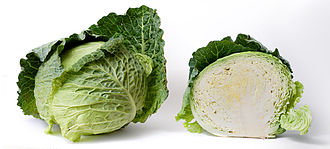
Photo: Wikipedia
Raw cabbage is a crisp, leafy cruciferous vegetable with a mild, slightly peppery flavor and a satisfying crunch. Its tightly packed leaves are a powerhouse of vitamin C and vitamin K, offering a refreshing, low-calorie base for slaws and salads. The natural sweetness of its core often surprises those who think of it as merely a bland filler.
Calorie split: 18% protein · 79% carbs · 3% fat
↓ Full nutrition💚 Why it's loved
People love cabbage for its incredible versatility and satisfying crunch, which adds texture and bulk to dishes without overwhelming other flavors. It's a global staple, cherished in everything from crisp Korean kimchi to tangy German sauerkraut, symbolizing both humble sustenance and culinary tradition.
⚠️ Watch-outs & how to enjoy it better
Raw cabbage can cause gas or bloating in some individuals due to its raffinose content and high fiber. To counteract this, try chopping it finely, massaging it with a little salt or acid (like vinegar or lemon juice) to break down fibers, or pairing it with digestive herbs like caraway or ginger.
Key benefits
- Excellent source of immune-supporting vitamin C
- Rich in vitamin K for bone health
- High in fiber for digestive health
- Very low in calories and fat
- Contains antioxidants like glucosinolates
🍽️ Popular dishes
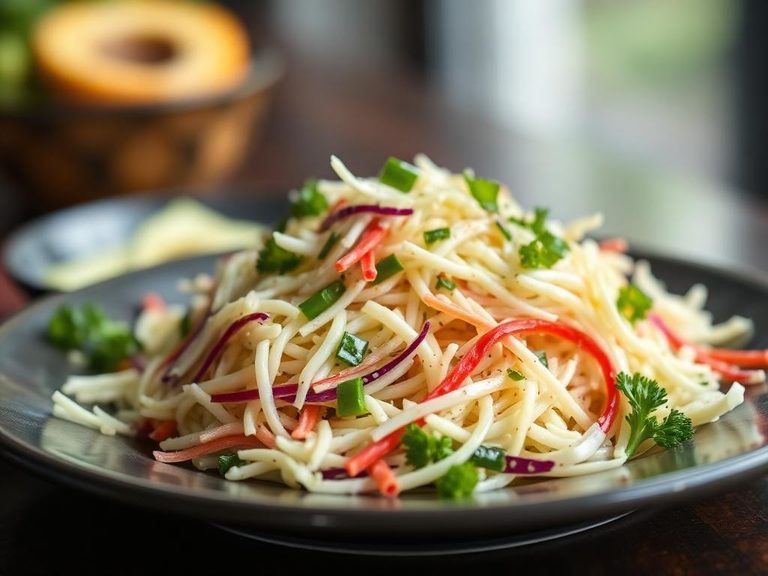
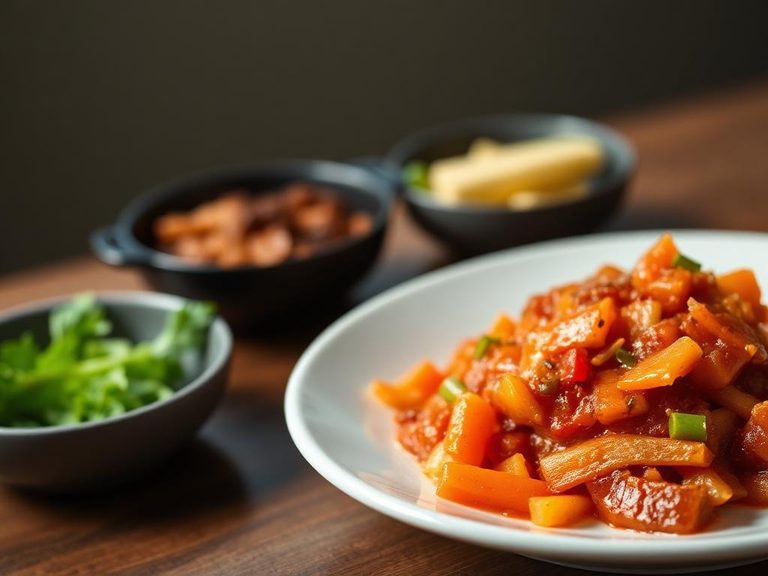
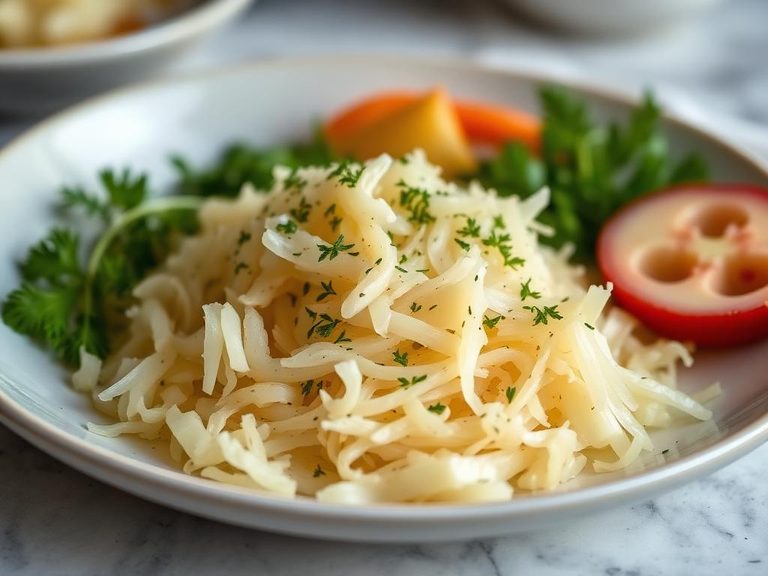
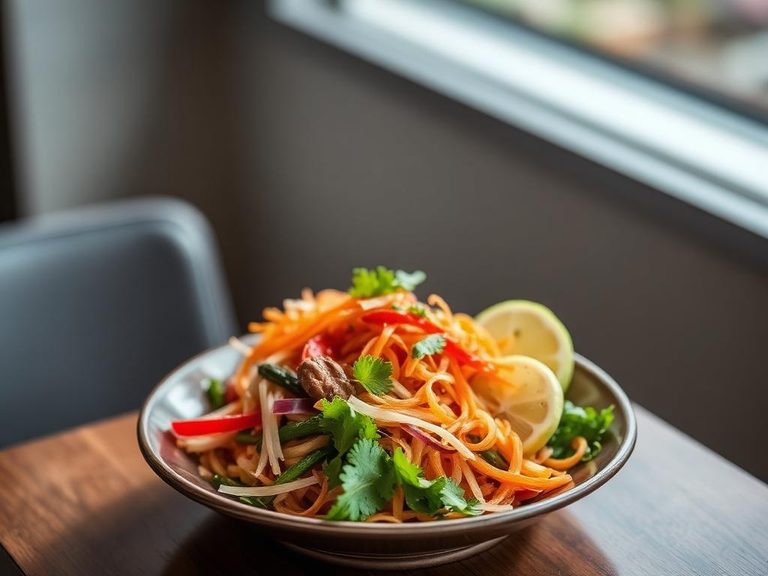
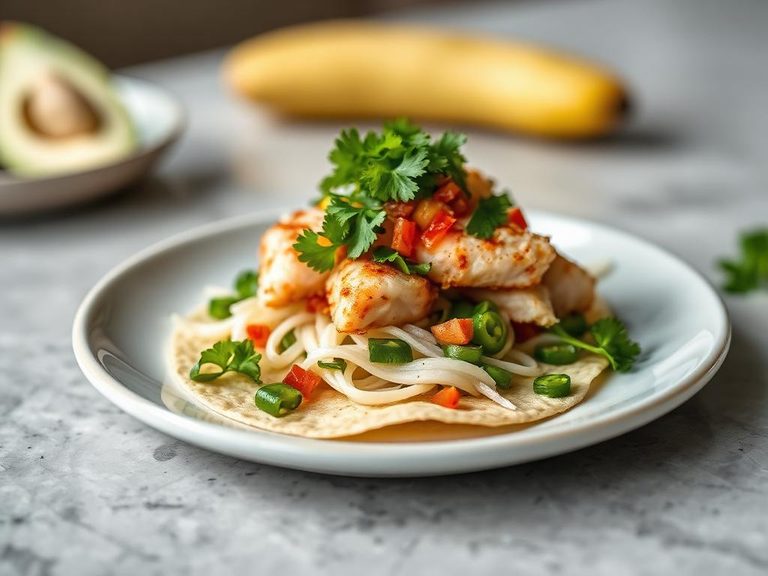
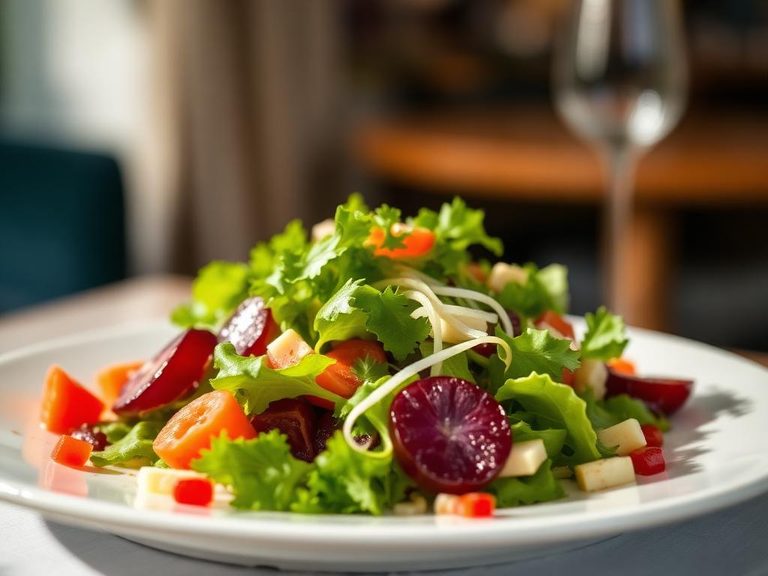
🌍 Where it's eaten
💡 Did you know?
The word 'cabbage' comes from the French word 'caboche', meaning 'head', a reference to its round, compact shape.
Full nutrition (USDA data · scales with serving)
| Water | 92.2 g |
| Energy | 25.0 kcal |
| Energy | 103 kj |
| Protein | 1.3 g |
| Total lipid (fat) | 0.10 g |
| Ash | 0.64 g |
| Carbohydrate, by difference | 5.8 g |
| Fiber, total dietary | 2.5 g |
| Total Sugars | 3.2 g |
| Sucrose | 0.08 g |
| Glucose | 1.7 g |
| Fructose | 1.4 g |
| Lactose | 0.00 g |
| Maltose | 0.01 g |
| Galactose | 0.00 g |
| Starch | 0.00 g |
| Calcium, Ca | 40.0 mg |
| Iron, Fe | 0.47 mg |
| Magnesium, Mg | 12.0 mg |
| Phosphorus, P | 26.0 mg |
| Potassium, K | 170 mg |
| Sodium, Na | 18.0 mg |
| Zinc, Zn | 0.18 mg |
| Copper, Cu | 0.02 mg |
| Manganese, Mn | 0.16 mg |
| Selenium, Se | 0.30 ug |
| Fluoride, F | 1.0 ug |
| Vitamin C, total ascorbic acid | 36.6 mg |
| Thiamin | 0.06 mg |
| Riboflavin | 0.04 mg |
| Niacin | 0.23 mg |
| Pantothenic acid | 0.21 mg |
| Vitamin B-6 | 0.12 mg |
| Folate, total | 43.0 ug |
| Folic acid | 0.00 ug |
| Folate, food | 43.0 ug |
| Folate, DFE | 43.0 ug |
| Choline, total | 10.7 mg |
| Betaine | 0.40 mg |
| Vitamin B-12 | 0.00 ug |
| Vitamin B-12, added | 0.00 ug |
| Vitamin A, RAE | 5.0 ug |
| Retinol | 0.00 ug |
| Carotene, beta | 42.0 ug |
| Carotene, alpha | 33.0 ug |
| Cryptoxanthin, beta | 0.00 ug |
| Vitamin A, IU | 98.0 iu |
| Lycopene | 0.00 ug |
| Lutein + zeaxanthin | 30.0 ug |
| Vitamin E (alpha-tocopherol) | 0.15 mg |
| Vitamin E, added | 0.00 mg |
| Tocopherol, beta | 0.00 mg |
| Tocopherol, gamma | 0.00 mg |
| Tocopherol, delta | 0.00 mg |
| Tocotrienol, alpha | 0.04 mg |
| Tocotrienol, beta | 0.00 mg |
| Tocotrienol, gamma | 0.00 mg |
| Vitamin D (D2 + D3), International Units | 0.00 iu |
| Vitamin D (D2 + D3) | 0.00 ug |
| Vitamin K (phylloquinone) | 76.0 ug |
| Vitamin K (Dihydrophylloquinone) | 0.00 ug |
| Alcohol, ethyl | 0.00 g |
| Caffeine | 0.00 mg |
| Theobromine | 0.00 mg |
Fat & fatty acid profile (per 100g)
| Fatty acids, total saturated | 0.03 g |
| SFA 4:0 | 0.00 g |
| SFA 6:0 | 0.00 g |
| SFA 8:0 | 0.00 g |
| SFA 10:0 | 0.00 g |
| SFA 12:0 | 0.00 g |
| SFA 14:0 | 0.00 g |
| SFA 15:0 | 0.00 g |
| SFA 16:0 | 0.03 g |
| SFA 17:0 | 0.00 g |
| SFA 18:0 | 0.00 g |
| SFA 20:0 | 0.00 g |
| SFA 22:0 | 0.00 g |
| SFA 24:0 | 0.00 g |
| Fatty acids, total monounsaturated | 0.02 g |
| MUFA 14:1 | 0.00 g |
| MUFA 15:1 | 0.00 g |
| MUFA 16:1 | 0.00 g |
| MUFA 17:1 | 0.00 g |
| MUFA 18:1 | 0.02 g |
| MUFA 20:1 | 0.00 g |
| MUFA 22:1 | 0.00 g |
| Fatty acids, total polyunsaturated | 0.02 g |
| PUFA 18:2 | 0.02 g |
| PUFA 18:3 | 0.00 g |
| PUFA 18:4 | 0.00 g |
| PUFA 20:2 n-6 c,c | 0.00 g |
| PUFA 20:3 | 0.00 g |
| PUFA 20:4 | 0.00 g |
| PUFA 20:5 n-3 (EPA) | 0.00 g |
| PUFA 22:5 n-3 (DPA) | 0.00 g |
| PUFA 22:6 n-3 (DHA) | 0.00 g |
| Fatty acids, total trans | 0.00 g |
| Cholesterol | 0.00 mg |
| Phytosterols | 11.0 mg |
Amino acid profile (per 100g)
| Tryptophan | 0.01 g |
| Threonine | 0.04 g |
| Isoleucine | 0.03 g |
| Leucine | 0.04 g |
| Lysine | 0.04 g |
| Methionine | 0.01 g |
| Cystine | 0.01 g |
| Phenylalanine | 0.03 g |
| Tyrosine | 0.02 g |
| Valine | 0.04 g |
| Arginine | 0.07 g |
| Histidine | 0.02 g |
| Alanine | 0.04 g |
| Aspartic acid | 0.12 g |
| Glutamic acid | 0.29 g |
| Glycine | 0.03 g |
| Proline | 0.05 g |
| Serine | 0.05 g |
FAQ
Is raw cabbage healthy?
Yes, it's very healthy. It's low in calories but high in fiber, vitamin C, and vitamin K. It also contains beneficial plant compounds.
How do I make raw cabbage less tough?
Slice it very thinly (a mandoline helps), or massage the shredded cabbage with a pinch of salt or a splash of vinegar for a few minutes to soften it.
Why does cabbage make me gassy?
Cabbage contains raffinose, a sugar that humans can't fully digest, which ferments in the gut. Cooking it or soaking it before eating can help reduce this effect.
Nutrient density (calculated · NRF9.3)
Nutrient Rich Foods index: beneficial nutrients (protein, fiber, vitamins, minerals) minus saturated fat, added sugar & sodium, per 100 kcal.
NRF9.3 index — Fulgoni, Keast & Drewnowski, 2009. Computed from USDA nutrients.
Weight-loss friendliness (composite index)
Energy density 0.25 kcal/g · 20% calories from protein · 2.5 g fiber · 3.2 g sugar per 100 g.
Composite of energy density (Rolls et al., 1999), protein & fiber satiety, minus sugar. A calculated heuristic — ranks satiety-per-calorie, not a clinical measure.
Dietary load (calculated from USDA values)
Potential renal acid load. Positive = acid-forming, negative = alkaline-forming.
Sodium-to-potassium ratio: 0.11 (lower is better — aim for ≤ 1)
Sodium:potassium per WHO potassium guidance. Computed from USDA nutrients.