

Turkey, retail parts, thigh, meat only, raw
Whole food · Poultry Products

Photo: Wikipedia
This is the lean, dark meat from a turkey's thigh, prized for its richer flavor and juicier texture compared to the breast. With a deep, savory taste and a tender yet slightly firmer bite, it's a protein powerhouse that stays moist in cooking. It delivers a substantial 20.6 grams of protein per 100 grams with minimal fat, making it a staple for high-protein, low-carb diets.
Calorie split: 71% protein · 0% carbs · 29% fat
↓ Full nutrition💚 Why it's loved
People love turkey thigh for its robust, poultry flavor that's less mild than chicken and its forgiving nature in cooking, which keeps it succulent. It's a versatile canvas for bold spices and marinades, forming the hearty base of everything from Thanksgiving roasts to everyday stews.
⚠️ Watch-outs & how to enjoy it better
While nutritious, turkey thigh is higher in fat and calories than breast meat, which may be a consideration for strict calorie-controlled diets. Its dark color and stronger flavor can also be less appealing to those who prefer very lean, mild meats. To keep it healthy, trim any visible skin and fat before cooking, and opt for grilling, roasting, or braising over frying.
Key benefits
- Excellent source of high-quality, complete protein.
- Naturally very low in carbohydrates and sugars.
- Contains essential minerals like selenium and phosphorus.
- A good source of B vitamins, particularly niacin and B6.
- Provides iron in a highly bioavailable heme form.
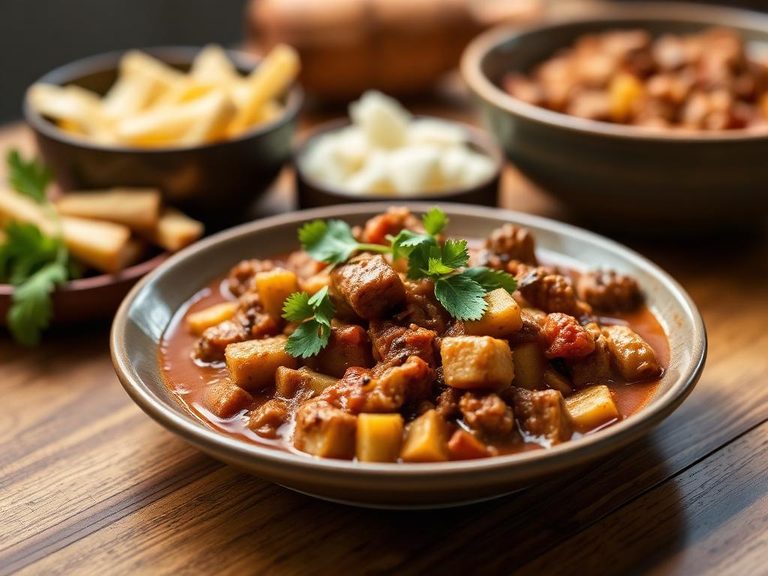
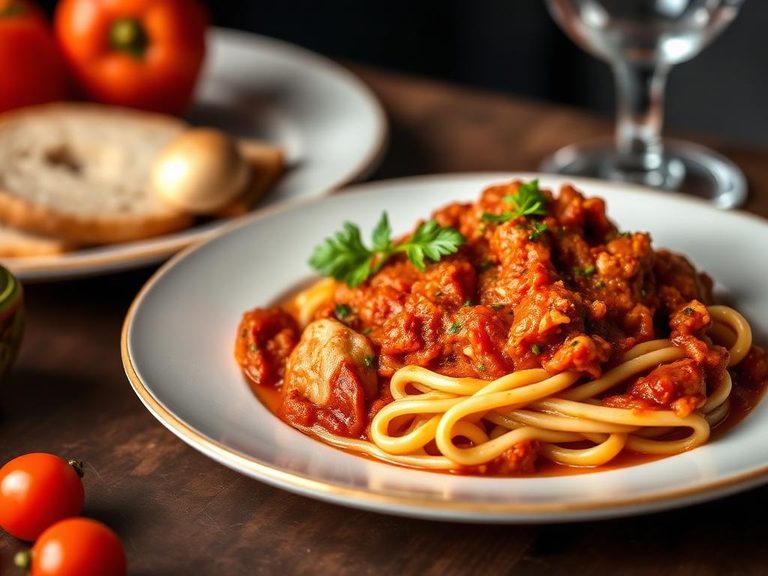
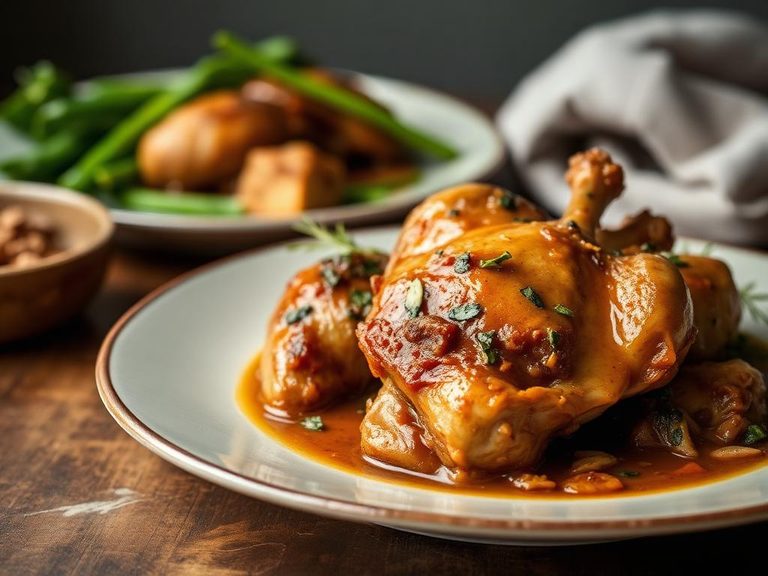
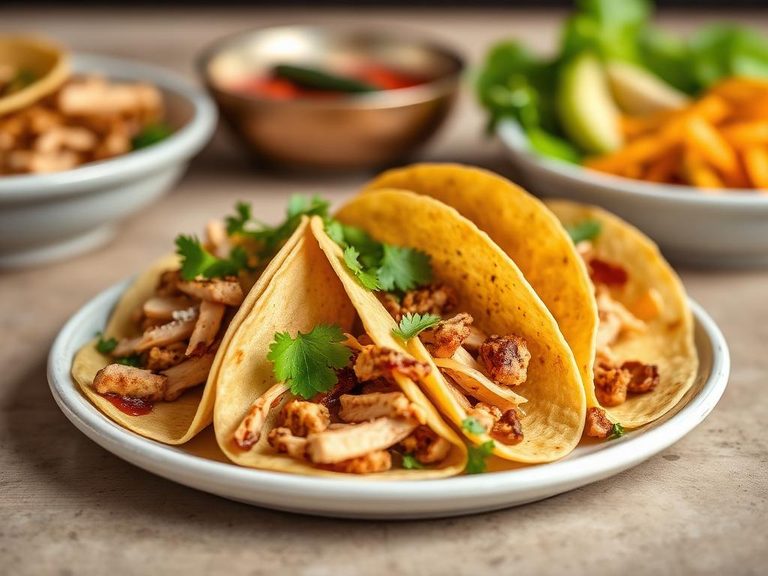
🍽️ Popular dishes

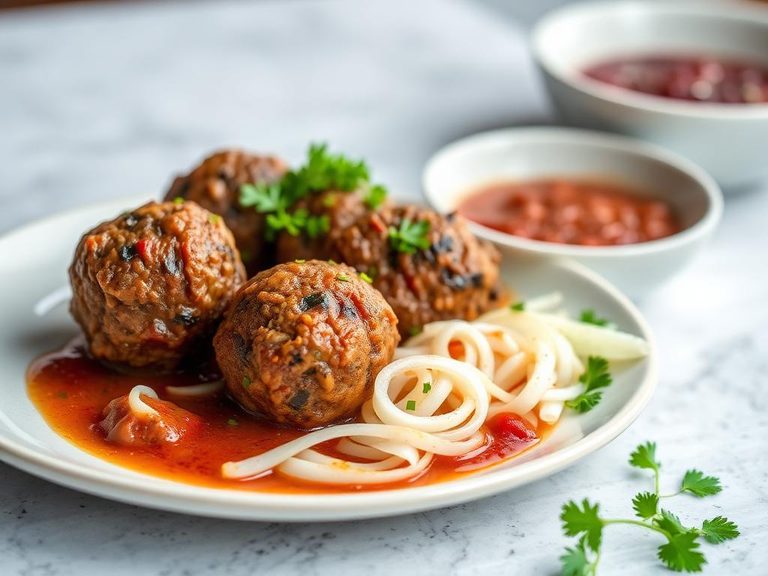
🌍 Where it's eaten
💡 Did you know?
A single turkey thigh can yield enough meat for multiple servings, making it a cost-effective and efficient cut for feeding a crowd compared to individually portioned cuts.
Full nutrition (USDA data · scales with serving)
| Water | 75.6 g |
| Energy | 116 kcal |
| Energy | 484 kj |
| Protein | 20.6 g |
| Total lipid (fat) | 3.7 g |
| Ash | 1.0 g |
| Carbohydrate, by difference | 0.00 g |
| Fiber, total dietary | 0.00 g |
| Total Sugars | 0.00 g |
| Calcium, Ca | 4.0 mg |
| Iron, Fe | 1.4 mg |
| Magnesium, Mg | 22.0 mg |
| Phosphorus, P | 177 mg |
| Potassium, K | 269 mg |
| Sodium, Na | 75.0 mg |
| Zinc, Zn | 3.0 mg |
| Copper, Cu | 0.08 mg |
| Manganese, Mn | 0.01 mg |
| Selenium, Se | 21.5 ug |
| Vitamin C, total ascorbic acid | 0.00 mg |
| Thiamin | 0.06 mg |
| Riboflavin | 0.31 mg |
| Niacin | 6.2 mg |
| Pantothenic acid | 1.3 mg |
| Vitamin B-6 | 0.48 mg |
| Folate, total | 7.0 ug |
| Folate, food | 7.0 ug |
| Choline, total | 75.9 mg |
| Betaine | 5.9 mg |
| Vitamin B-12 | 2.2 ug |
| Vitamin B-12, added | 0.00 ug |
| Vitamin A, RAE | 19.0 ug |
| Retinol | 19.0 ug |
| Carotene, beta | 0.00 ug |
| Carotene, alpha | 0.00 ug |
| Cryptoxanthin, beta | 0.00 ug |
| Vitamin A, IU | 63.0 iu |
| Lycopene | 0.00 ug |
| Lutein + zeaxanthin | 6.0 ug |
| Vitamin E (alpha-tocopherol) | 0.18 mg |
| Vitamin E, added | 0.00 mg |
| Vitamin D (D2 + D3), International Units | 20.0 iu |
| Vitamin D (D2 + D3) | 0.50 ug |
| Vitamin D3 (cholecalciferol) | 0.50 ug |
| Vitamin K (phylloquinone) | 0.00 ug |
| Alcohol, ethyl | 0.00 g |
| Caffeine | 0.00 mg |
| Theobromine | 0.00 mg |
Fat & fatty acid profile (per 100g)
| Fatty acids, total saturated | 0.78 g |
| SFA 4:0 | 0.00 g |
| SFA 6:0 | 0.00 g |
| SFA 8:0 | 0.00 g |
| SFA 10:0 | 0.00 g |
| SFA 12:0 | 0.01 g |
| SFA 14:0 | 0.02 g |
| SFA 15:0 | 0.00 g |
| SFA 16:0 | 0.49 g |
| SFA 17:0 | 0.01 g |
| SFA 18:0 | 0.23 g |
| SFA 20:0 | 0.00 g |
| SFA 22:0 | 0.01 g |
| SFA 24:0 | 0.00 g |
| Fatty acids, total monounsaturated | 0.75 g |
| MUFA 14:1 | 0.01 g |
| MUFA 15:1 | 0.00 g |
| MUFA 16:1 | 0.08 g |
| MUFA 16:1 c | 0.08 g |
| MUFA 17:1 | 0.00 g |
| MUFA 18:1 | 0.64 g |
| MUFA 18:1 c | 0.62 g |
| MUFA 20:1 | 0.01 g |
| MUFA 22:1 | 0.01 g |
| MUFA 22:1 c | 0.00 g |
| MUFA 24:1 c | 0.00 g |
| Fatty acids, total polyunsaturated | 0.72 g |
| PUFA 18:2 | 0.57 g |
| PUFA 18:2 n-6 c,c | 0.56 g |
| PUFA 18:2 CLAs | 0.00 g |
| PUFA 18:3 | 0.03 g |
| PUFA 18:3 n-3 c,c,c (ALA) | 0.03 g |
| PUFA 18:3 n-6 c,c,c | 0.00 g |
| PUFA 18:4 | 0.00 g |
| PUFA 20:2 n-6 c,c | 0.01 g |
| PUFA 20:3 | 0.00 g |
| PUFA 20:3 n-3 | 0.00 g |
| PUFA 20:3 n-6 | 0.00 g |
| PUFA 20:4 | 0.08 g |
| PUFA 20:5 n-3 (EPA) | 0.00 g |
| PUFA 22:4 | 0.02 g |
| PUFA 22:5 n-3 (DPA) | 0.01 g |
| PUFA 22:6 n-3 (DHA) | 0.01 g |
| Fatty acids, total trans | 0.03 g |
| Fatty acids, total trans-monoenoic | 0.02 g |
| TFA 16:1 t | 0.00 g |
| TFA 18:1 t | 0.02 g |
| TFA 22:1 t | 0.01 g |
| TFA 18:2 t not further defined | 0.01 g |
| Fatty acids, total trans-polyenoic | 0.01 g |
| Cholesterol | 78.0 mg |
Amino acid profile (per 100g)
| Tryptophan | 0.25 g |
| Threonine | 0.90 g |
| Isoleucine | 0.74 g |
| Leucine | 1.7 g |
| Lysine | 2.1 g |
| Methionine | 0.57 g |
| Cystine | 0.20 g |
| Phenylalanine | 0.75 g |
| Tyrosine | 0.71 g |
| Valine | 0.78 g |
| Arginine | 1.3 g |
| Histidine | 0.63 g |
| Alanine | 1.2 g |
| Aspartic acid | 1.9 g |
| Glutamic acid | 3.2 g |
| Glycine | 0.96 g |
| Proline | 0.99 g |
| Serine | 0.87 g |
FAQ
How is turkey thigh different from turkey breast?
Turkey thigh is dark meat with a higher fat content, giving it a richer flavor and juicier texture that is more forgiving during cooking. Turkey breast is white meat, leaner and milder, but can dry out more easily if overcooked.
What's the best way to cook turkey thigh to keep it moist?
Braising, slow-roasting, or cooking with the bone in are excellent methods. These techniques break down connective tissue, resulting in tender, flavorful meat. Marinating beforehand also helps ensure juiciness.
Is turkey thigh a good option for weight loss?
It can be part of a weight loss diet due to its high protein content, which promotes satiety. However, it's higher in calories and fat than breast meat, so portion control and choosing leaner cooking methods (like grilling without skin) are key.
Nutrient density (calculated · NRF9.3)
Nutrient Rich Foods index: beneficial nutrients (protein, fiber, vitamins, minerals) minus saturated fat, added sugar & sodium, per 100 kcal.
NRF9.3 index — Fulgoni, Keast & Drewnowski, 2009. Computed from USDA nutrients.
Weight-loss friendliness (composite index)
Energy density 1.16 kcal/g · 71% calories from protein · 0.0 g fiber · 0.0 g sugar per 100 g.
Composite of energy density (Rolls et al., 1999), protein & fiber satiety, minus sugar. A calculated heuristic — ranks satiety-per-calorie, not a clinical measure.
Dietary load (calculated from USDA values)
Potential renal acid load. Positive = acid-forming, negative = alkaline-forming.
Sodium-to-potassium ratio: 0.28 (lower is better — aim for ≤ 1)
Sodium:potassium per WHO potassium guidance. Computed from USDA nutrients.