

Restaurant, Latino, pupusas con frijoles (pupusas, bean)
Whole food · Restaurant Foods

Photo: Wikipedia
A pupusa is a thick, handmade corn tortilla from El Salvador, traditionally stuffed with a savory filling like refried beans. The exterior is griddled to a golden, slightly crispy crust, while the interior remains soft and chewy, with the warm, earthy beans providing a creamy contrast. Nutritionally, it offers a solid source of fiber and plant-based protein from the beans and masa.
Calorie split: 10% protein · 55% carbs · 35% fat
↓ Full nutrition💚 Why it's loved
People love pupusas for their comforting, hearty simplicity and the satisfying contrast between the crispy, golden exterior and the soft, bean-filled interior. They are deeply tied to Salvadoran culture and are a beloved staple often enjoyed with tangy curtido (cabbage slaw) and tomato salsa.
⚠️ Watch-outs & how to enjoy it better
The traditional preparation involves pan-frying in oil, which increases the fat and calorie content. Those monitoring blood sugar should be mindful, as the refined corn masa can cause a quicker spike compared to whole grains. Tip: Pair with a large serving of the vinegar-based curtido and extra salsa to add volume, fiber, and acidity, which can help moderate the glycemic response.
Key benefits
- Excellent source of dietary fiber from beans and corn masa.
- Good plant-based protein content for sustained energy.
- Naturally gluten-free when made traditionally with corn flour.
- Contains iron and magnesium from the whole corn and beans.
- A filling, balanced meal combining complex carbs, protein, and fat.
🍽️ Popular dishes
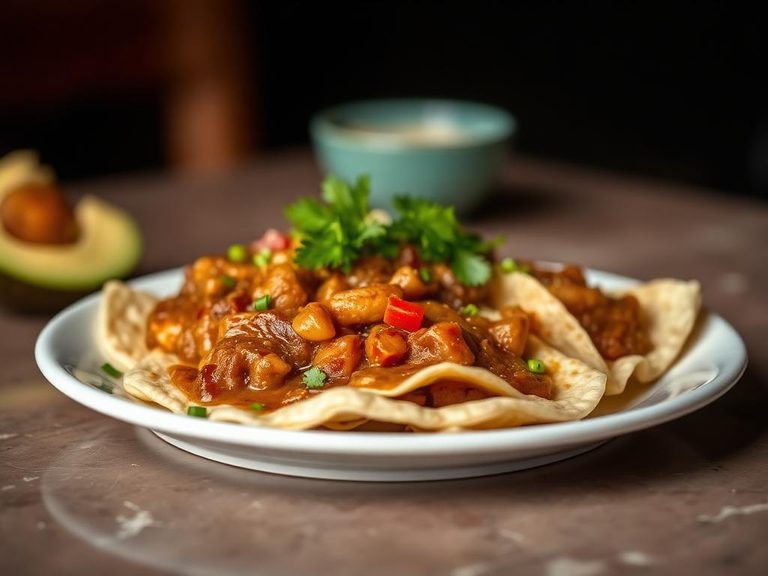
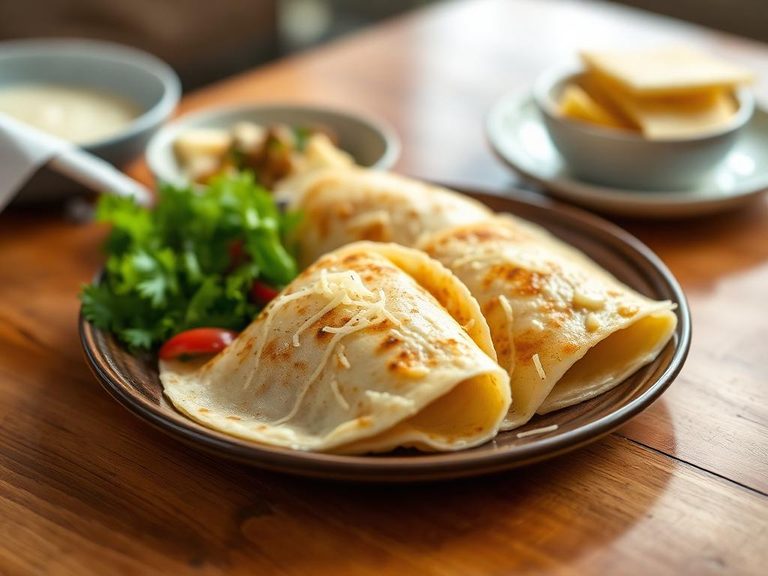
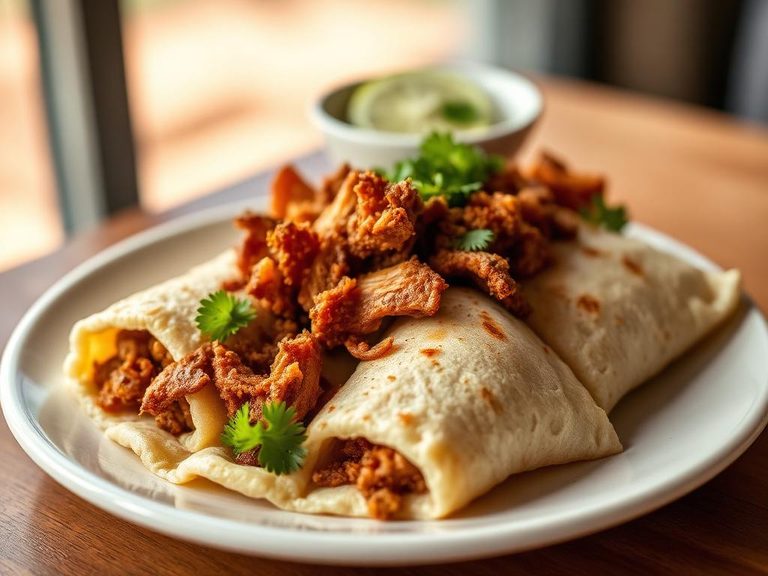
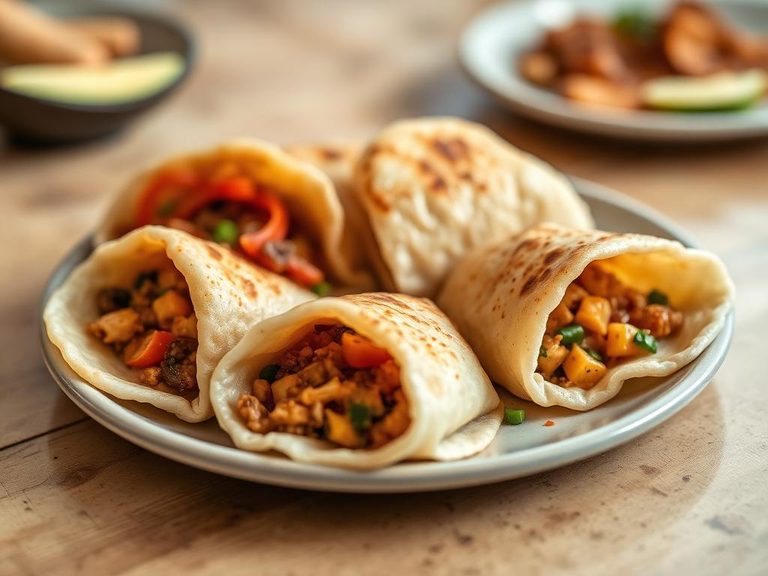
🌍 Where it's eaten
💡 Did you know?
The act of shaping pupusas is called 'pupusear,' and the traditional method involves cupping one hand, placing a ball of masa in it, and using the fingers of the other hand to create a pocket for the filling before sealing and flattening it.
Full nutrition (USDA data · scales with serving)
| Water | 52.2 g |
| Energy (Atwater General Factors) | 229 kcal |
| Energy | 229 kcal |
| Energy | 959 kj |
| Nitrogen | 0.90 g |
| Protein | 5.6 g |
| Total lipid (fat) | 9.0 g |
| Total fat (NLEA) | 8.1 g |
| Ash | 1.7 g |
| Carbohydrate, by difference | 31.5 g |
| Carbohydrate, by summation | 30.7 g |
| Fiber, total dietary | 5.8 g |
| Sugars, Total | 1.3 g |
| Sucrose | 0.76 g |
| Glucose | 0.00 g |
| Fructose | 0.22 g |
| Lactose | 0.00 g |
| Maltose | 0.32 g |
| Galactose | 0.00 g |
| Starch | 23.6 g |
| Calcium, Ca | 51.0 mg |
| Iron, Fe | 1.5 mg |
| Magnesium, Mg | 53.6 mg |
| Phosphorus, P | 144 mg |
| Potassium, K | 305 mg |
| Sodium, Na | 305 mg |
| Zinc, Zn | 0.94 mg |
| Copper, Cu | 0.14 mg |
| Manganese, Mn | 0.34 mg |
| Selenium, Se | 7.0 ug |
| Thiamin | 0.08 mg |
| Riboflavin | 0.03 mg |
| Niacin | 0.87 mg |
| Pantothenic acid | 0.30 mg |
| Vitamin B-6 | 0.17 mg |
| Choline, total | 39.6 mg |
| Choline, free | 21.9 mg |
| Choline, from phosphocholine | 13.7 mg |
| Choline, from phosphotidyl choline | 0.40 mg |
| Choline, from glycerophosphocholine | 1.4 mg |
| Choline, from sphingomyelin | 2.3 mg |
| Betaine | 0.80 mg |
| Vitamin E (alpha-tocopherol) | 0.36 mg |
| Tocopherol, beta | 0.04 mg |
| Tocopherol, gamma | 4.1 mg |
| Tocopherol, delta | 0.66 mg |
| Tocotrienol, alpha | 0.11 mg |
| Tocotrienol, beta | 0.02 mg |
| Tocotrienol, gamma | 0.27 mg |
| Tocotrienol, delta | 0.01 mg |
| Vitamin K (phylloquinone) | 7.4 ug |
| Vitamin K (Menaquinone-4) | 0.80 ug |
Fat & fatty acid profile (per 100g)
| Fatty acids, total saturated | 2.2 g |
| SFA 4:0 | 0.00 g |
| SFA 6:0 | 0.00 g |
| SFA 8:0 | 0.00 g |
| SFA 10:0 | 0.01 g |
| SFA 11:0 | 0.00 g |
| SFA 12:0 | 0.01 g |
| SFA 14:0 | 0.07 g |
| SFA 15:0 | 0.01 g |
| SFA 16:0 | 1.4 g |
| SFA 17:0 | 0.02 g |
| SFA 18:0 | 0.61 g |
| SFA 20:0 | 0.02 g |
| SFA 22:0 | 0.01 g |
| SFA 24:0 | 0.01 g |
| Fatty acids, total monounsaturated | 3.0 g |
| MUFA 14:1 c | 0.00 g |
| MUFA 15:1 | 0.00 g |
| MUFA 16:1 c | 0.10 g |
| MUFA 17:1 | 0.01 g |
| MUFA 17:1 c | 0.01 g |
| MUFA 18:1 c | 2.8 g |
| MUFA 20:1 | 0.06 g |
| MUFA 20:1 c | 0.06 g |
| MUFA 22:1 c | 0.00 g |
| MUFA 24:1 c | 0.00 g |
| Fatty acids, total polyunsaturated | 2.9 g |
| PUFA 18:2 c | 2.5 g |
| PUFA 18:2 n-6 c,c | 2.5 g |
| PUFA 18:2 CLAs | 0.01 g |
| PUFA 18:3 c | 0.33 g |
| PUFA 18:3 n-3 c,c,c (ALA) | 0.33 g |
| PUFA 18:3 n-6 c,c,c | 0.00 g |
| PUFA 18:4 | 0.00 g |
| PUFA 20:2 c | 0.03 g |
| PUFA 20:2 n-6 c,c | 0.03 g |
| PUFA 20:3 c | 0.01 g |
| PUFA 20:3 n-3 | 0.00 g |
| PUFA 20:3 n-6 | 0.00 g |
| PUFA 20:4 | 0.01 g |
| PUFA 20:4c | 0.01 g |
| PUFA 20:5c | 0.00 g |
| PUFA 20:5 n-3 (EPA) | 0.00 g |
| PUFA 22:2 | 0.00 g |
| PUFA 22:5 c | 0.00 g |
| PUFA 22:4 | 0.00 g |
| PUFA 22:5 n-3 (DPA) | 0.00 g |
| PUFA 22:6 c | 0.00 g |
| PUFA 22:6 n-3 (DHA) | 0.00 g |
| Fatty acids, total trans | 0.06 g |
| Fatty acids, total trans-monoenoic | 0.04 g |
| TFA 16:1 t | 0.00 g |
| TFA 18:1 t | 0.04 g |
| TFA 22:1 t | 0.00 g |
| Fatty acids, total trans-dienoic | 0.02 g |
| TFA 18:2 t not further defined | 0.02 g |
Amino acid profile (per 100g)
| Tryptophan | 0.06 g |
| Threonine | 0.22 g |
| Isoleucine | 0.23 g |
| Leucine | 0.54 g |
| Lysine | 0.30 g |
| Methionine | 0.10 g |
| Cystine | 0.08 g |
| Phenylalanine | 0.30 g |
| Tyrosine | 0.14 g |
| Valine | 0.27 g |
| Arginine | 0.30 g |
| Histidine | 0.17 g |
| Alanine | 0.30 g |
| Aspartic acid | 0.56 g |
| Glutamic acid | 1.0 g |
| Glycine | 0.22 g |
| Proline | 0.31 g |
| Serine | 0.32 g |
FAQ
What is the difference between a pupusa and a gordita?
While both are thick, stuffed corn cakes, a pupusa is stuffed before cooking, so the filling is enclosed within the masa. A gordita is typically cooked first and then sliced open like a pocket to be filled.
What is curtido?
Curtido is a lightly fermented cabbage slaw, similar to sauerkraut but milder. It's made with cabbage, carrots, oregano, and vinegar, and is the essential tangy, crunchy accompaniment to cut through the richness of pupusas.
Can pupusas be made with other fillings?
Absolutely. Classic fillings include cheese (queso), pork (chicharrón), and combinations (revueltas). Modern variations can include loroco (a Central American flower bud), spinach, or even seafood.
Nutrient density (calculated · NRF9.3)
Nutrient Rich Foods index: beneficial nutrients (protein, fiber, vitamins, minerals) minus saturated fat, added sugar & sodium, per 100 kcal.
NRF9.3 index — Fulgoni, Keast & Drewnowski, 2009. Computed from USDA nutrients.
Weight-loss friendliness (composite index)
Energy density 2.29 kcal/g · 10% calories from protein · 5.8 g fiber · 0.0 g sugar per 100 g.
Composite of energy density (Rolls et al., 1999), protein & fiber satiety, minus sugar. A calculated heuristic — ranks satiety-per-calorie, not a clinical measure.
Dietary load (calculated from USDA values)
Potential renal acid load. Positive = acid-forming, negative = alkaline-forming.
Sodium-to-potassium ratio: 1.00 (lower is better — aim for ≤ 1)
Sodium:potassium per WHO potassium guidance. Computed from USDA nutrients.