

Pork, cured, ham -- water added, shank, bone-in, separable lean only, unheated
Whole food · Pork Products
This is a lean, bone-in cut from the pork shank, cured with water added for plumpness and a milder flavor. It boasts a firm, meaty texture with a subtle saltiness, and its standout feature is an exceptionally high protein-to-calorie ratio, making it a powerhouse for muscle-building diets.
Calorie split: 79% protein · 3% carbs · 18% fat
↓ Full nutrition💚 Why it's loved
People love it for its clean, savory pork flavor and satisfying, dense chew that holds up well in both hot and cold preparations. Its versatility allows it to be the star of a hearty main dish or a convenient, protein-packed addition to salads and sandwiches.
⚠️ Watch-outs & how to enjoy it better
The primary concern is its high sodium content from the curing process, which can contribute to water retention and is a consideration for those monitoring blood pressure. To counteract this, pair it with potassium-rich foods like leafy greens or unsalted beans, and rinse slices lightly before use if possible.
Key benefits
- Extremely high in protein for muscle repair and satiety.
- Very low in fat and carbohydrates, ideal for lean diets.
- Provides essential minerals like zinc and B vitamins (especially B1).
- The curing process adds sodium, which can aid in electrolyte balance post-exercise.
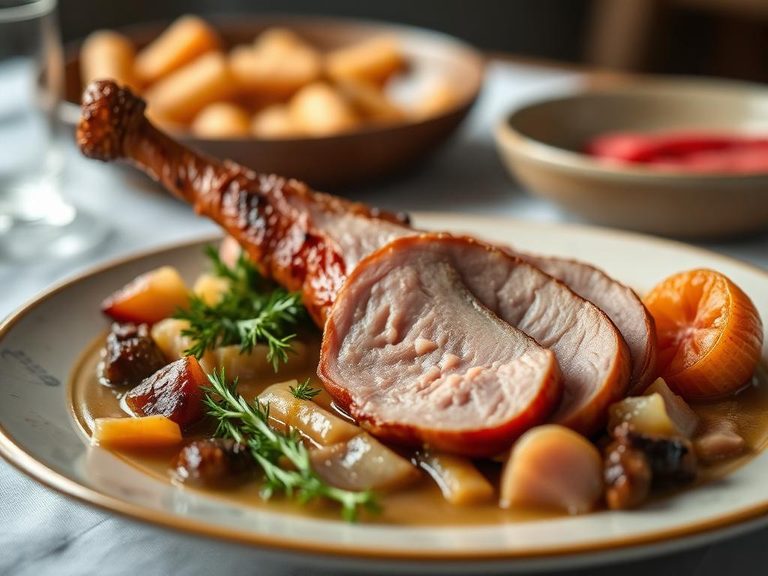
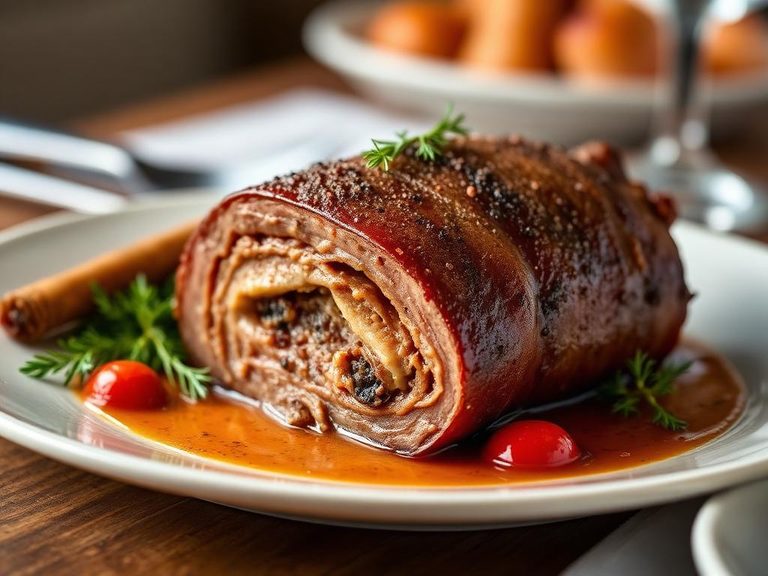
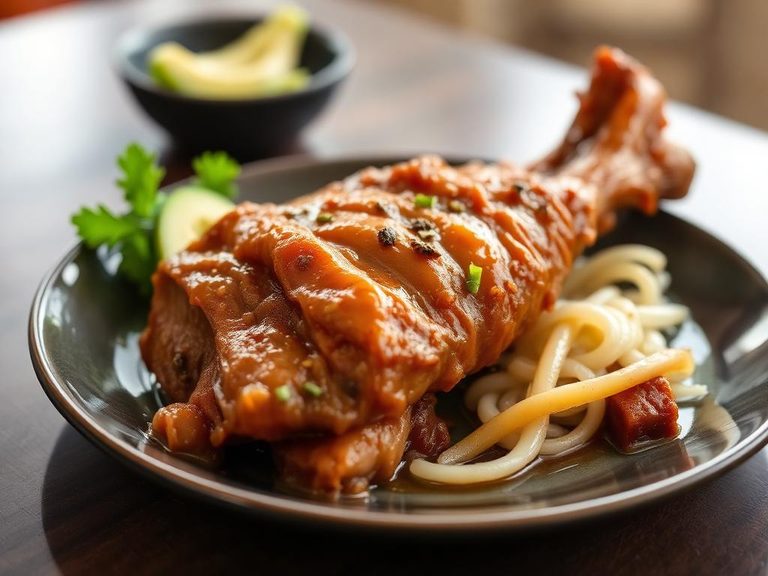
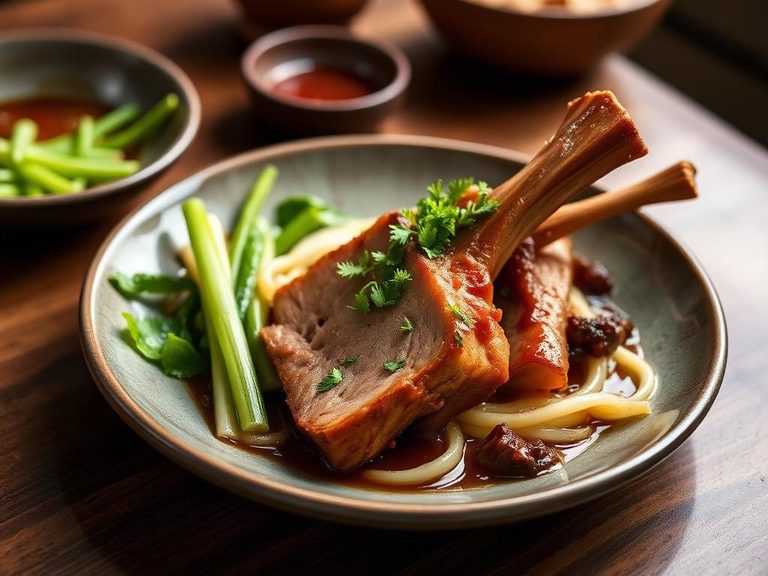
🍽️ Popular dishes
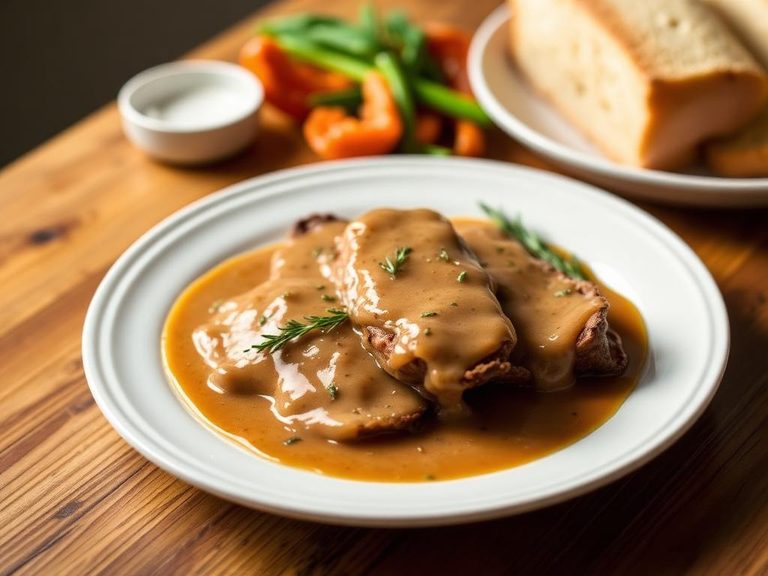
🌍 Where it's eaten
💡 Did you know?
The 'water added' designation is a modern processing technique to increase yield and tenderness; traditionally, ham was cured with dry salt or brine without added water, resulting in a denser, saltier product.
Full nutrition (USDA data · scales with serving)
| Water | 76.5 g |
| Energy | 91.0 kcal |
| Energy | 382 kj |
| Protein | 18.6 g |
| Total lipid (fat) | 1.9 g |
| Ash | 3.1 g |
| Carbohydrate, by difference | 0.71 g |
| Fiber, total dietary | 0.00 g |
| Total Sugars | 0.71 g |
| Sucrose | 0.55 g |
| Glucose | 0.11 g |
| Fructose | 0.05 g |
| Lactose | 0.00 g |
| Maltose | 0.00 g |
| Galactose | 0.00 g |
| Calcium, Ca | 7.0 mg |
| Iron, Fe | 0.76 mg |
| Magnesium, Mg | 18.0 mg |
| Phosphorus, P | 229 mg |
| Potassium, K | 229 mg |
| Sodium, Na | 1040 mg |
| Zinc, Zn | 2.0 mg |
| Copper, Cu | 0.10 mg |
| Manganese, Mn | 0.02 mg |
| Selenium, Se | 40.0 ug |
| Vitamin C, total ascorbic acid | 0.00 mg |
| Thiamin | 0.32 mg |
| Riboflavin | 0.22 mg |
| Niacin | 3.6 mg |
| Pantothenic acid | 0.46 mg |
| Vitamin B-6 | 0.25 mg |
| Folate, total | 1.0 ug |
| Folic acid | 0.00 ug |
| Folate, food | 1.0 ug |
| Folate, DFE | 1.0 ug |
| Choline, total | 76.9 mg |
| Betaine | 2.4 mg |
| Vitamin B-12 | 0.31 ug |
| Vitamin B-12, added | 0.00 ug |
| Vitamin A, RAE | 9.0 ug |
| Retinol | 9.0 ug |
| Carotene, beta | 0.00 ug |
| Carotene, alpha | 0.00 ug |
| Cryptoxanthin, beta | 0.00 ug |
| Vitamin A, IU | 29.0 iu |
| Lycopene | 0.00 ug |
| Lutein + zeaxanthin | 0.00 ug |
| Vitamin E (alpha-tocopherol) | 0.22 mg |
| Vitamin E, added | 0.00 mg |
| Tocopherol, beta | 0.01 mg |
| Tocopherol, gamma | 0.06 mg |
| Tocopherol, delta | 0.01 mg |
| Vitamin K (phylloquinone) | 0.00 ug |
| Alcohol, ethyl | 0.00 g |
| Caffeine | 0.00 mg |
| Theobromine | 0.00 mg |
Fat & fatty acid profile (per 100g)
| Fatty acids, total saturated | 0.59 g |
| SFA 4:0 | 0.00 g |
| SFA 6:0 | 0.00 g |
| SFA 8:0 | 0.00 g |
| SFA 10:0 | 0.00 g |
| SFA 12:0 | 0.00 g |
| SFA 14:0 | 0.02 g |
| SFA 15:0 | 0.00 g |
| SFA 16:0 | 0.37 g |
| SFA 17:0 | 0.00 g |
| SFA 18:0 | 0.19 g |
| SFA 20:0 | 0.00 g |
| SFA 22:0 | 0.00 g |
| Fatty acids, total monounsaturated | 0.81 g |
| MUFA 14:1 | 0.00 g |
| MUFA 15:1 | 0.00 g |
| MUFA 16:1 | 0.04 g |
| MUFA 17:1 | 0.00 g |
| MUFA 18:1 | 0.79 g |
| MUFA 18:1 c | 0.79 g |
| MUFA 20:1 | 0.01 g |
| MUFA 22:1 | 0.00 g |
| Fatty acids, total polyunsaturated | 0.27 g |
| PUFA 18:2 | 0.23 g |
| PUFA 18:2 n-6 c,c | 0.21 g |
| PUFA 18:2 CLAs | 0.01 g |
| PUFA 18:3 | 0.01 g |
| PUFA 18:3 n-3 c,c,c (ALA) | 0.01 g |
| PUFA 18:3 n-6 c,c,c | 0.00 g |
| PUFA 18:4 | 0.00 g |
| PUFA 20:2 n-6 c,c | 0.01 g |
| PUFA 20:3 | 0.00 g |
| PUFA 20:4 | 0.03 g |
| PUFA 20:5 n-3 (EPA) | 0.00 g |
| PUFA 22:5 n-3 (DPA) | 0.00 g |
| PUFA 22:6 n-3 (DHA) | 0.00 g |
| Fatty acids, total trans | 0.01 g |
| Fatty acids, total trans-monoenoic | 0.01 g |
| TFA 18:1 t | 0.01 g |
| TFA 18:2 t,t | 0.01 g |
| Fatty acids, total trans-polyenoic | 0.01 g |
| Cholesterol | 50.0 mg |
Amino acid profile (per 100g)
| Tryptophan | 0.17 g |
| Threonine | 0.83 g |
| Isoleucine | 0.84 g |
| Leucine | 1.5 g |
| Lysine | 1.6 g |
| Methionine | 0.45 g |
| Cystine | 0.21 g |
| Phenylalanine | 0.75 g |
| Tyrosine | 0.60 g |
| Valine | 0.94 g |
| Arginine | 1.2 g |
| Histidine | 0.81 g |
| Alanine | 1.1 g |
| Aspartic acid | 1.6 g |
| Glutamic acid | 2.7 g |
| Glycine | 0.97 g |
| Proline | 0.80 g |
| Serine | 0.73 g |
| Hydroxyproline | 0.12 g |
FAQ
Is this the same as a regular ham steak?
Not exactly. This is specifically from the shank (lower leg) and is bone-in, offering a different texture and often more connective tissue than a typical ham steak from the leg or butt. It's leaner and has a distinct, robust flavor.
How should I cook it to keep it tender?
Since it's lean and cured, dry-heat methods like pan-searing or grilling work well for quick cooking. For a more tender result, slow braising or simmering in liquid (like in Eisbein) will break down the connective tissue beautifully.
Can I eat this raw?
No. This product is raw and cured, not pre-cooked. It must be thoroughly cooked to an internal temperature of 145°F (63°C) with a 3-minute rest time to ensure safety.
Nutrient density (calculated · NRF9.3)
Nutrient Rich Foods index: beneficial nutrients (protein, fiber, vitamins, minerals) minus saturated fat, added sugar & sodium, per 100 kcal.
NRF9.3 index — Fulgoni, Keast & Drewnowski, 2009. Computed from USDA nutrients.
Weight-loss friendliness (composite index)
Energy density 0.91 kcal/g · 82% calories from protein · 0.0 g fiber · 0.7 g sugar per 100 g.
Composite of energy density (Rolls et al., 1999), protein & fiber satiety, minus sugar. A calculated heuristic — ranks satiety-per-calorie, not a clinical measure.
Dietary load (calculated from USDA values)
Potential renal acid load. Positive = acid-forming, negative = alkaline-forming.
Sodium-to-potassium ratio: 4.54 (lower is better — aim for ≤ 1)
Sodium:potassium per WHO potassium guidance. Computed from USDA nutrients.