

Fish, rockfish, Pacific, mixed species, cooked, dry heat
Whole food · Finfish and Shellfish Products
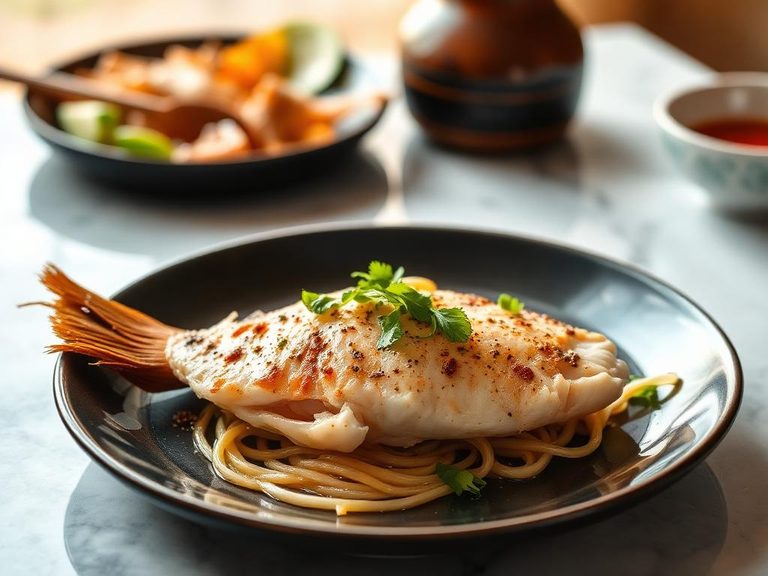
Pacific rockfish, when cooked with dry heat, transforms into a firm, snow-white fillet with a clean, mild sweetness and a delicate, flaky texture. This lean protein powerhouse delivers over 22 grams of high-quality protein per 100 grams with virtually no fat or carbohydrates, making it a pure, unadulterated source of nutrition. Its neutral flavor profile acts as a blank canvas, readily absorbing marinades, herbs, and spices.
Calorie split: 86% protein · 0% carbs · 14% fat
↓ Full nutrition💚 Why it's loved
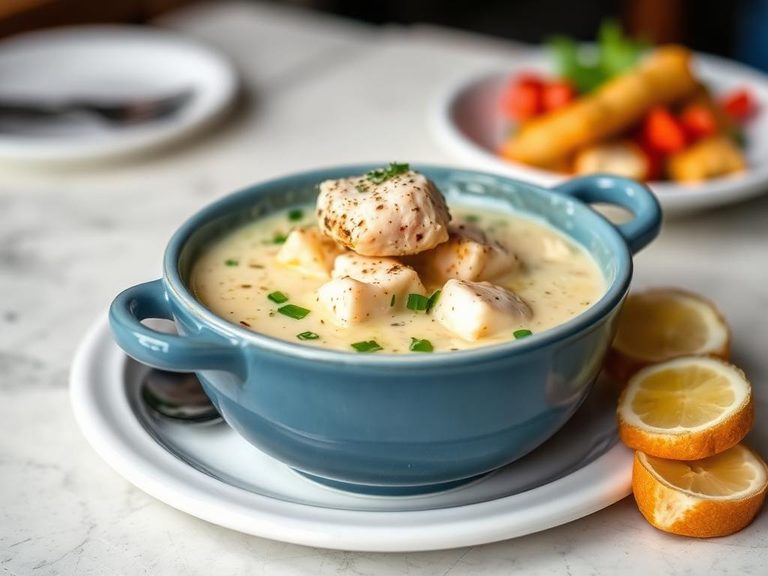
People love its versatility and clean taste; it's a reliable weeknight staple that can be baked, broiled, or pan-seared in minutes. Its mild flavor makes it a gateway fish for those wary of stronger seafood, and it holds up beautifully in everything from simple lemon-herb preparations to complex curries.
⚠️ Watch-outs & how to enjoy it better
As a common finfish, it is a major food allergen and must be avoided by those with fish allergies. Its lean, low-fat nature means it can dry out easily if overcooked, leading to a chalky texture. To counteract this, use a meat thermometer to pull it at 145°F (63°C), baste with olive oil or butter during cooking, or serve with a flavorful sauce like a lemon-caper butter.
Key benefits
- Exceptionally high in lean protein for muscle maintenance and satiety.
- Very low in fat and calories, supporting weight management goals.
- Zero carbohydrates, making it ideal for low-carb and ketogenic diets.
- Source of essential nutrients like selenium and vitamin B12.
- A sustainable seafood choice when sourced from well-managed fisheries.
🍽️ Popular dishes
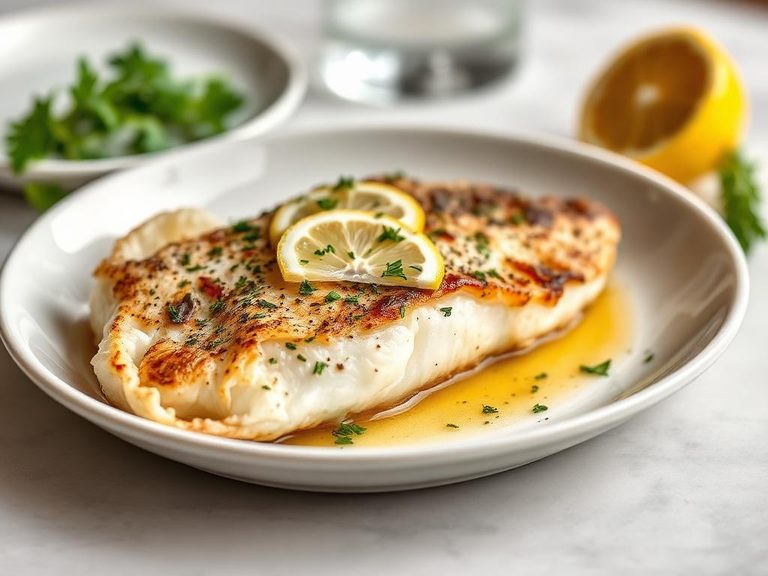
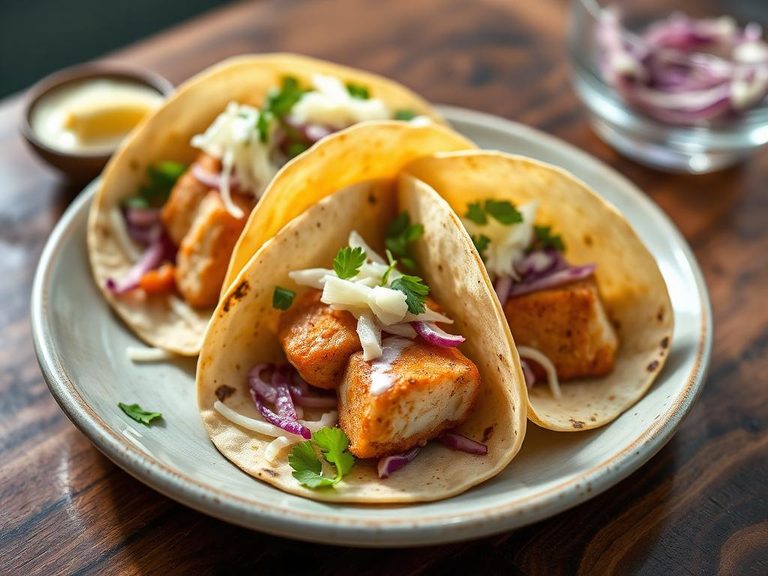
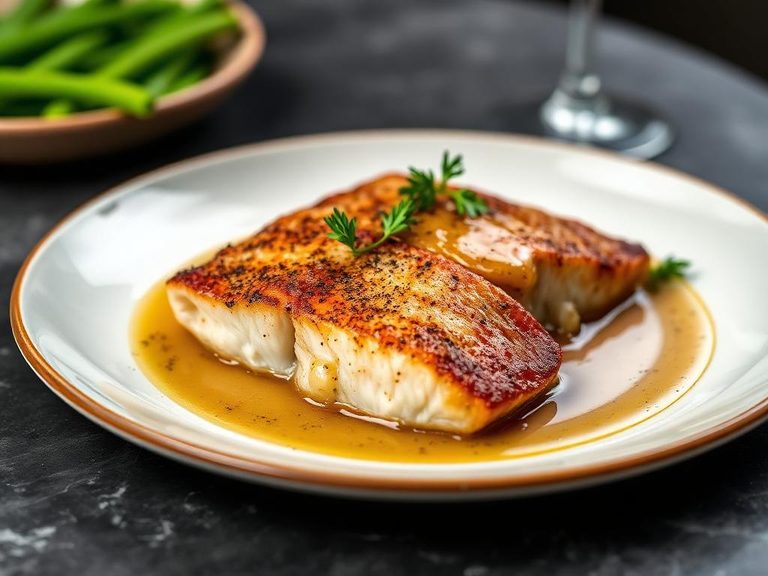
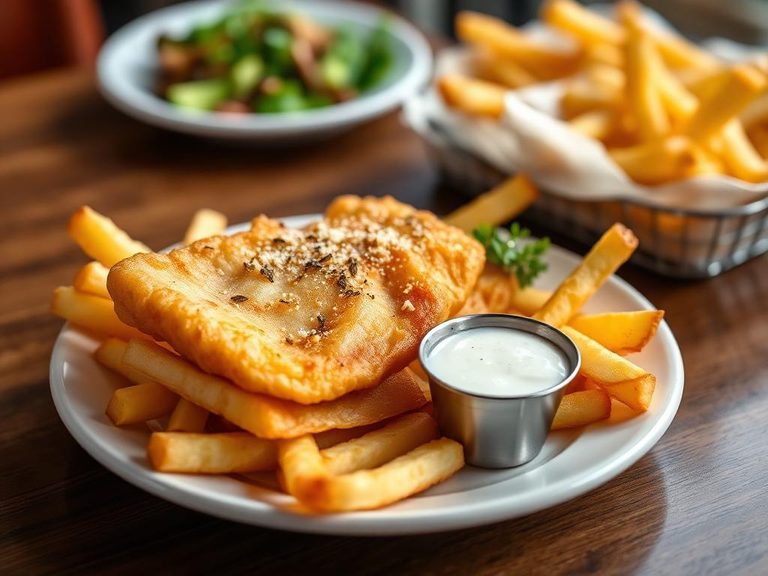
🌍 Where it's eaten
💡 Did you know?
Despite its name, Pacific rockfish aren't just found near rocks; they inhabit a vast range from shallow reefs to deep underwater canyons, and some species can live for over 200 years.
Full nutrition (USDA data · scales with serving)
| Water | 74.7 g |
| Energy | 109 kcal |
| Energy | 458 kj |
| Protein | 22.2 g |
| Total lipid (fat) | 1.6 g |
| Ash | 1.6 g |
| Carbohydrate, by difference | 0.00 g |
| Fiber, total dietary | 0.00 g |
| Total Sugars | 0.00 g |
| Fructose | 0.00 g |
| Lactose | 0.00 g |
| Maltose | 0.00 g |
| Galactose | 0.00 g |
| Starch | 0.00 g |
| Calcium, Ca | 17.0 mg |
| Iron, Fe | 0.36 mg |
| Magnesium, Mg | 33.0 mg |
| Phosphorus, P | 248 mg |
| Potassium, K | 467 mg |
| Sodium, Na | 89.0 mg |
| Zinc, Zn | 0.43 mg |
| Copper, Cu | 0.04 mg |
| Manganese, Mn | 0.01 mg |
| Selenium, Se | 76.2 ug |
| Vitamin C, total ascorbic acid | 0.00 mg |
| Thiamin | 0.03 mg |
| Riboflavin | 0.23 mg |
| Niacin | 2.9 mg |
| Pantothenic acid | 0.40 mg |
| Vitamin B-6 | 0.24 mg |
| Folate, total | 10.0 ug |
| Folic acid | 0.00 ug |
| Folate, food | 10.0 ug |
| Folate, DFE | 10.0 ug |
| Choline, total | 78.7 mg |
| Vitamin B-12 | 1.6 ug |
| Vitamin B-12, added | 0.00 ug |
| Vitamin A, RAE | 5.0 ug |
| Retinol | 5.0 ug |
| Carotene, beta | 0.00 ug |
| Carotene, alpha | 0.00 ug |
| Cryptoxanthin, beta | 0.00 ug |
| Vitamin A, IU | 16.0 iu |
| Lycopene | 0.00 ug |
| Lutein + zeaxanthin | 0.00 ug |
| Vitamin E (alpha-tocopherol) | 0.44 mg |
| Vitamin E, added | 0.00 mg |
| Tocopherol, beta | 0.00 mg |
| Tocopherol, gamma | 0.00 mg |
| Tocopherol, delta | 0.00 mg |
| Tocotrienol, alpha | 0.00 mg |
| Tocotrienol, beta | 0.00 mg |
| Tocotrienol, gamma | 0.00 mg |
| Tocotrienol, delta | 0.00 mg |
| Vitamin D (D2 + D3), International Units | 183 iu |
| Vitamin D (D2 + D3) | 4.6 ug |
| Vitamin D3 (cholecalciferol) | 4.6 ug |
| Vitamin K (phylloquinone) | 0.00 ug |
| Vitamin K (Dihydrophylloquinone) | 0.00 ug |
| Vitamin K (Menaquinone-4) | 0.00 ug |
| Alcohol, ethyl | 0.00 g |
| Caffeine | 0.00 mg |
| Theobromine | 0.00 mg |
Fat & fatty acid profile (per 100g)
| Fatty acids, total saturated | 0.42 g |
| SFA 4:0 | 0.00 g |
| SFA 6:0 | 0.00 g |
| SFA 8:0 | 0.00 g |
| SFA 10:0 | 0.00 g |
| SFA 12:0 | 0.00 g |
| SFA 14:0 | 0.06 g |
| SFA 15:0 | 0.01 g |
| SFA 16:0 | 0.28 g |
| SFA 17:0 | 0.01 g |
| SFA 18:0 | 0.07 g |
| SFA 20:0 | 0.00 g |
| SFA 22:0 | 0.00 g |
| SFA 24:0 | 0.00 g |
| Fatty acids, total monounsaturated | 0.47 g |
| MUFA 14:1 | 0.00 g |
| MUFA 15:1 | 0.00 g |
| MUFA 16:1 | 0.09 g |
| MUFA 17:1 | 0.01 g |
| MUFA 18:1 | 0.28 g |
| MUFA 20:1 | 0.06 g |
| MUFA 22:1 | 0.01 g |
| MUFA 24:1 c | 0.01 g |
| Fatty acids, total polyunsaturated | 0.48 g |
| PUFA 18:2 | 0.05 g |
| PUFA 18:3 | 0.01 g |
| PUFA 18:4 | 0.02 g |
| PUFA 20:2 n-6 c,c | 0.01 g |
| PUFA 20:3 | 0.01 g |
| PUFA 20:4 | 0.02 g |
| PUFA 20:5 n-3 (EPA) | 0.11 g |
| PUFA 22:4 | 0.00 g |
| PUFA 22:5 n-3 (DPA) | 0.03 g |
| PUFA 22:6 n-3 (DHA) | 0.24 g |
| Fatty acids, total trans | 0.03 g |
| Cholesterol | 61.0 mg |
Amino acid profile (per 100g)
| Tryptophan | 0.30 g |
| Threonine | 1.0 g |
| Isoleucine | 1.1 g |
| Leucine | 1.8 g |
| Lysine | 2.2 g |
| Methionine | 0.71 g |
| Cystine | 0.24 g |
| Phenylalanine | 0.94 g |
| Tyrosine | 0.80 g |
| Valine | 1.1 g |
| Arginine | 1.5 g |
| Histidine | 0.50 g |
| Alanine | 1.3 g |
| Aspartic acid | 2.3 g |
| Glutamic acid | 3.5 g |
| Glycine | 1.0 g |
| Proline | 0.84 g |
| Serine | 0.92 g |
FAQ
Is rockfish the same as red snapper?
No, they are different species. Rockfish (genus *Sebastes*) and red snapper (*Lutjanus campechanus*) are distinct fish, though both are white-fleshed and often used interchangeably in recipes due to similar texture.
How do I prevent my rockfish from falling apart?
Use a non-stick or well-seasoned cast-iron skillet. Pat the fillet completely dry, score the skin side lightly, and cook skin-side down first. Don't move it until the skin releases naturally and forms a crisp crust.
What's the best way to store fresh rockfish?
Place it on a plate or tray, cover tightly with plastic wrap, and store on the coldest part of your refrigerator (usually the bottom shelf). Use within 1-2 days for optimal freshness.
Nutrient density (calculated · NRF9.3)
Nutrient Rich Foods index: beneficial nutrients (protein, fiber, vitamins, minerals) minus saturated fat, added sugar & sodium, per 100 kcal.
NRF9.3 index — Fulgoni, Keast & Drewnowski, 2009. Computed from USDA nutrients.
Weight-loss friendliness (composite index)
Energy density 1.09 kcal/g · 82% calories from protein · 0.0 g fiber · 0.0 g sugar per 100 g.
Composite of energy density (Rolls et al., 1999), protein & fiber satiety, minus sugar. A calculated heuristic — ranks satiety-per-calorie, not a clinical measure.
Dietary load (calculated from USDA values)
Potential renal acid load. Positive = acid-forming, negative = alkaline-forming.
Sodium-to-potassium ratio: 0.19 (lower is better — aim for ≤ 1)
Sodium:potassium per WHO potassium guidance. Computed from USDA nutrients.