Cheese, swiss
Whole food · Dairy and Egg Products
Swiss cheese is a hard, pale-yellow Alpine cheese famous for its smooth, firm texture and the distinctive 'eyes'—large, round holes formed by carbon dioxide during fermentation. Its flavor is nutty, slightly sweet, and mildly earthy, with a pleasant, lingering finish. Nutritionally, it's a powerhouse of high-quality protein and calcium, with virtually no carbohydrates.
💚 Why it's loved
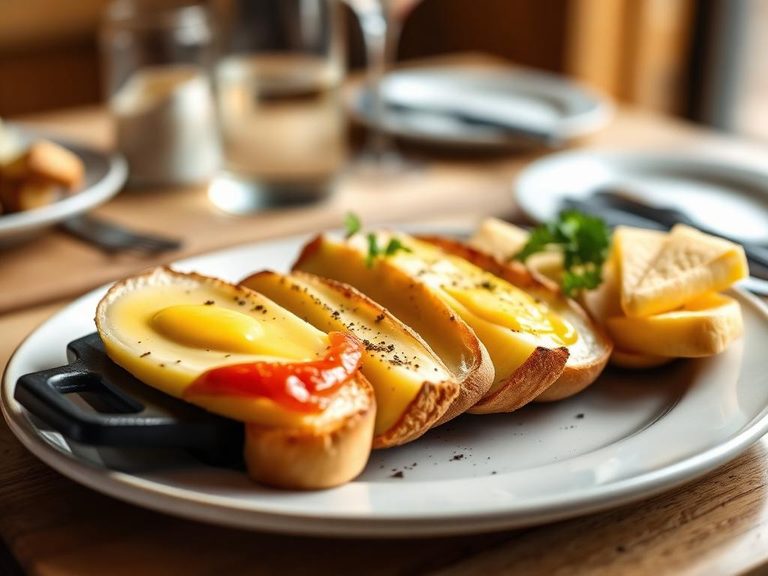
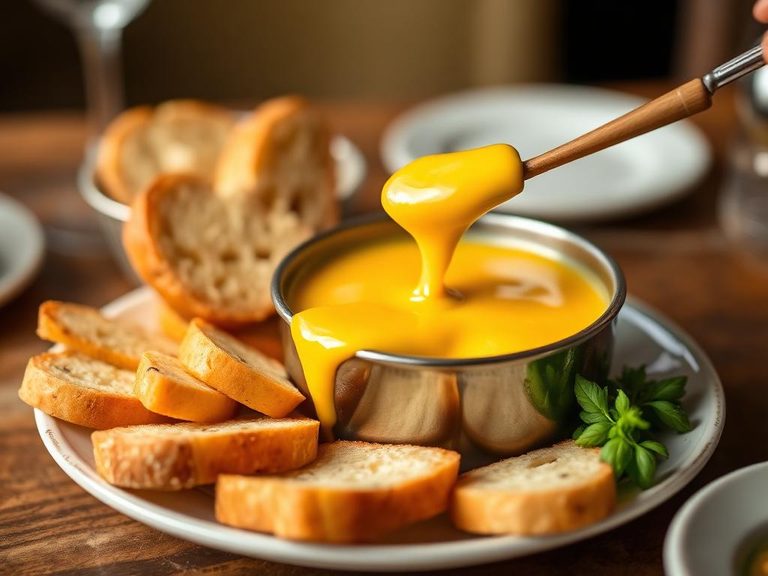
People love Swiss cheese for its complex, umami-rich flavor that enhances without overpowering, and its satisfying, semi-firm texture that melts beautifully. It's a cultural staple in fondue and raclette, symbolizing Alpine culinary tradition and communal dining.
⚠️ Watch-outs & how to enjoy it better
Its high sodium content (around 200mg per 100g) can be a concern for those managing blood pressure. As a dairy product, it's a common allergen for those with milk protein sensitivity. Tip: Pair with potassium-rich foods like leafy greens or potatoes to help balance sodium, and always check labels for pasteurization if immunocompromised.
Key benefits
- Excellent source of complete protein (27g per 100g) for muscle maintenance.
- Very low in carbohydrates, making it suitable for low-carb and ketogenic diets.
- Rich in calcium and phosphorus for bone health.
- Contains vitamin B12, essential for nerve function and red blood cell formation.
- Conjugated linoleic acid (CLA) content may support metabolic health.
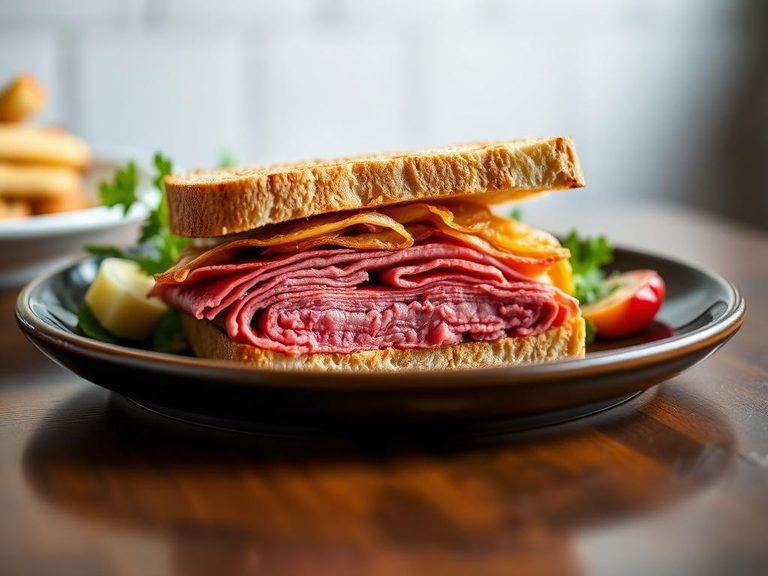
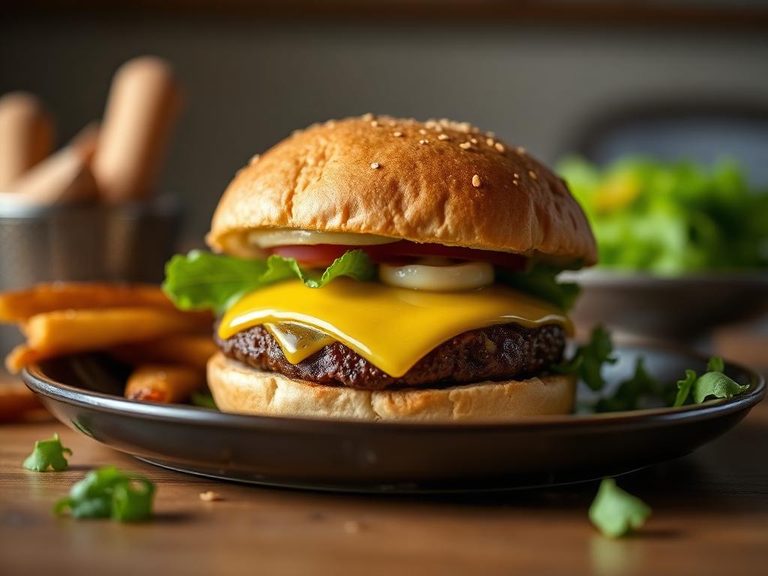
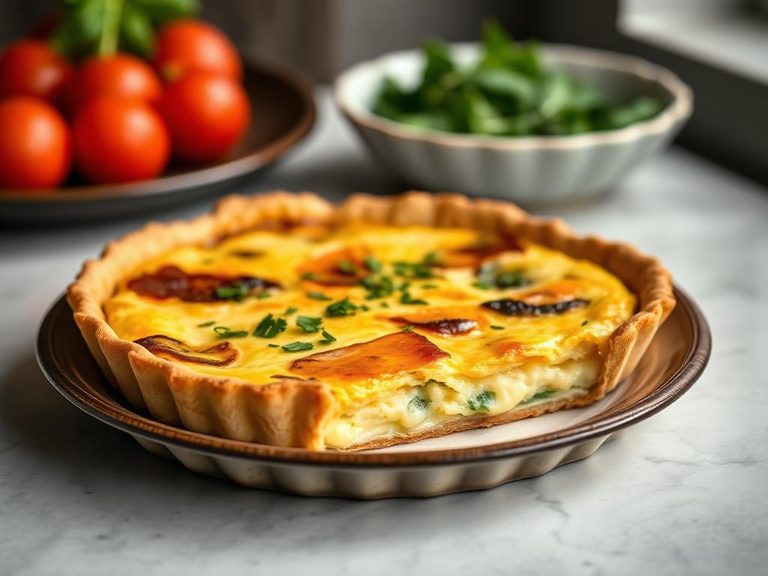
🍽️ Popular dishes

🌍 Where it's eaten
💡 Did you know?
The 'eyes' in Swiss cheese are created by *Propionibacterium freudenreichii* bacteria, which consume lactic acid and release carbon dioxide gas, forming the signature holes.
Full nutrition (scales with serving)
| Water | 37.6 g |
| Energy (Atwater General Factors) | 393 kcal |
| Energy (Atwater Specific Factors) | 393 kcal |
| Energy | 393 kcal |
| Energy | 1640 kj |
| Nitrogen | 4.2 g |
| Protein | 27.0 g |
| Total lipid (fat) | 31.0 g |
| Total fat (NLEA) | 27.6 g |
| Ash | 3.0 g |
| Carbohydrate, by difference | 1.4 g |
| Sugars, Total | 0.00 g |
| Sucrose | 0.00 g |
| Glucose | 0.00 g |
| Fructose | 0.00 g |
| Lactose | 0.00 g |
| Maltose | 0.00 g |
| Galactose | 0.00 g |
| Calcium, Ca | 890 mg |
| Iron, Fe | 0.13 mg |
| Magnesium, Mg | 33.4 mg |
| Phosphorus, P | 574 mg |
| Potassium, K | 71.0 mg |
| Sodium, Na | 185 mg |
| Zinc, Zn | 4.4 mg |
| Copper, Cu | 0.05 mg |
| Manganese, Mn | 0.03 mg |
| Selenium, Se | 30.1 ug |
| Thiamin | 0.01 mg |
| Riboflavin | 0.30 mg |
| Niacin | 0.06 mg |
| Pantothenic acid | 0.35 mg |
| Vitamin B-6 | 0.07 mg |
| Folate, total | 9.0 ug |
| Choline, total | 13.8 mg |
| Choline, free | 3.3 mg |
| Choline, from phosphocholine | 0.10 mg |
| Choline, from phosphotidyl choline | 6.0 mg |
| Choline, from glycerophosphocholine | 0.00 mg |
| Choline, from sphingomyelin | 4.4 mg |
| Betaine | 0.10 mg |
| Vitamin B-12 | 3.0 ug |
| Vitamin A, RAE | 292 ug |
| Retinol | 287 ug |
| Carotene, beta | 60.0 ug |
| Carotene, alpha | 1.0 ug |
| Cryptoxanthin, beta | 2.0 ug |
| Lycopene | 1.0 ug |
| Lutein + zeaxanthin | 8.0 ug |
| Vitamin E (alpha-tocopherol) | 0.60 mg |
| Tocopherol, beta | 0.02 mg |
| Tocopherol, gamma | 0.08 mg |
| Tocopherol, delta | 0.00 mg |
| Tocotrienol, alpha | 0.13 mg |
| Tocotrienol, beta | 0.00 mg |
| Tocotrienol, gamma | 0.00 mg |
| Tocotrienol, delta | 0.00 mg |
| Vitamin D (D2 + D3), International Units | 0.00 iu |
| Vitamin D (D2 + D3) | 0.00 ug |
| Vitamin D2 (ergocalciferol) | 0.00 ug |
| Vitamin D3 (cholecalciferol) | 0.00 ug |
| Vitamin K (phylloquinone) | 1.4 ug |
| Vitamin K (Dihydrophylloquinone) | 0.00 ug |
| Vitamin K (Menaquinone-4) | 6.3 ug |
| Fatty acids, total saturated | 18.2 g |
| SFA 4:0 | 0.68 g |
| SFA 6:0 | 0.54 g |
| SFA 8:0 | 0.33 g |
| SFA 10:0 | 0.77 g |
| SFA 11:0 | 0.00 g |
| SFA 12:0 | 0.87 g |
| SFA 14:0 | 2.9 g |
| SFA 15:0 | 0.30 g |
| SFA 16:0 | 8.3 g |
| SFA 17:0 | 0.19 g |
| SFA 18:0 | 3.2 g |
| SFA 20:0 | 0.04 g |
| SFA 22:0 | 0.01 g |
| SFA 24:0 | 0.01 g |
| Fatty acids, total monounsaturated | 7.3 g |
| MUFA 14:1 c | 0.30 g |
| MUFA 15:1 | 0.00 g |
| MUFA 16:1 c | 0.46 g |
| MUFA 17:1 | 0.06 g |
| MUFA 17:1 c | 0.06 g |
| MUFA 18:1 c | 6.4 g |
| MUFA 20:1 | 0.06 g |
| MUFA 20:1 c | 0.06 g |
| MUFA 22:1 c | 0.00 g |
| MUFA 24:1 c | 0.00 g |
| Fatty acids, total polyunsaturated | 1.1 g |
| PUFA 18:2 c | 0.89 g |
| PUFA 18:2 n-6 c,c | 0.73 g |
| PUFA 18:2 CLAs | 0.16 g |
| PUFA 18:3 c | 0.13 g |
| PUFA 18:3 n-3 c,c,c (ALA) | 0.13 g |
| PUFA 18:3 n-6 c,c,c | 0.00 g |
| PUFA 18:3i | 0.00 g |
| PUFA 18:4 | 0.00 g |
| PUFA 20:2 c | 0.01 g |
| PUFA 20:2 n-6 c,c | 0.01 g |
| PUFA 20:3 c | 0.04 g |
| PUFA 20:3 n-3 | 0.00 g |
| PUFA 20:3 n-6 | 0.03 g |
| PUFA 20:3 n-9 | 0.00 g |
| PUFA 20:4 | 0.05 g |
| PUFA 20:4c | 0.05 g |
| PUFA 20:5c | 0.01 g |
| PUFA 20:5 n-3 (EPA) | 0.01 g |
| PUFA 22:2 | 0.00 g |
| PUFA 22:5 c | 0.02 g |
| PUFA 22:4 | 0.01 g |
| PUFA 22:5 n-3 (DPA) | 0.02 g |
| PUFA 22:6 c | 0.00 g |
| PUFA 22:6 n-3 (DHA) | 0.00 g |
| Fatty acids, total trans | 0.99 g |
| Fatty acids, total trans-monoenoic | 0.80 g |
| TFA 16:1 t | 0.10 g |
| TFA 18:1 t | 0.70 g |
| TFA 22:1 t | 0.00 g |
| Fatty acids, total trans-dienoic | 0.19 g |
| TFA 18:2 t not further defined | 0.19 g |
| Cholesterol | 93.0 mg |
FAQ
Why does Swiss cheese have holes?
The holes, or 'eyes,' are formed by carbon dioxide gas released by specific bacteria during the cheese-making process. As the cheese ages, the gas bubbles create these distinctive cavities.
Is Swiss cheese lactose-free?
While not completely lactose-free, hard cheeses like Swiss contain very little lactose (often less than 1g per serving) because most of the lactose is converted to lactic acid during aging. Many people with lactose intolerance can tolerate it in moderation.
How should I store Swiss cheese?
Wrap it in wax paper or cheese paper, then loosely in plastic wrap, and store it in the refrigerator's cheese drawer. This allows it to breathe while preventing it from drying out. It typically keeps for 3-4 weeks after opening.