

Butter, stick, salted
Whole food · Dairy and Egg Products
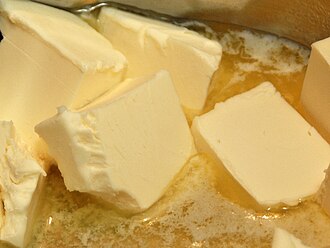
Photo: Wikipedia
Salted stick butter is the solid, churned fat of cream, formed into a convenient 1/4-pound (113g) stick for easy measurement and cooking. It has a rich, creamy, and slightly tangy flavor with a smooth, melt-in-your-mouth texture that becomes golden and nutty when browned. Nutritionally, it is a dense source of fat and calories, providing virtually no protein, carbohydrates, or fiber.
Calorie split: 0% protein · 0% carbs · 100% fat
↓ Full nutrition💚 Why it's loved
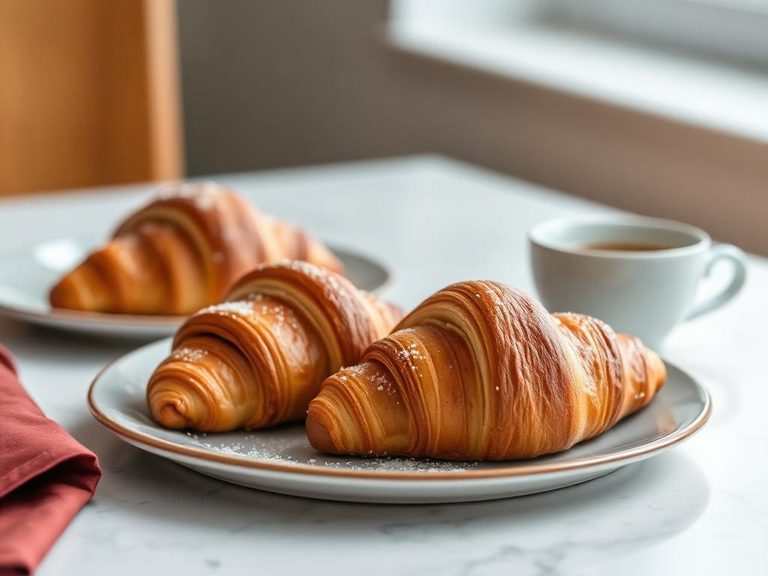
People adore it for its unparalleled ability to create flaky pastries, rich sauces, and golden sears, serving as a foundational flavor in countless cuisines. Its cultural significance in baking and comfort food, from French croissants to American cornbread, makes it a beloved kitchen staple.
⚠️ Watch-outs & how to enjoy it better
Its high saturated fat and calorie density can be a concern for heart health and weight management, and the added sodium contributes to daily intake. To enjoy it, practice strict portion control, use it as a flavor enhancer rather than a primary ingredient, and balance meals with lean proteins, fiber-rich vegetables, and healthy unsaturated fats.
Key benefits
- Provides fat-soluble vitamins A, D, E, and K
- Contains butyrate, a short-chain fatty acid linked to gut health
- Adds richness and mouthfeel to sauces and baked goods
- Aids absorption of nutrients from other foods
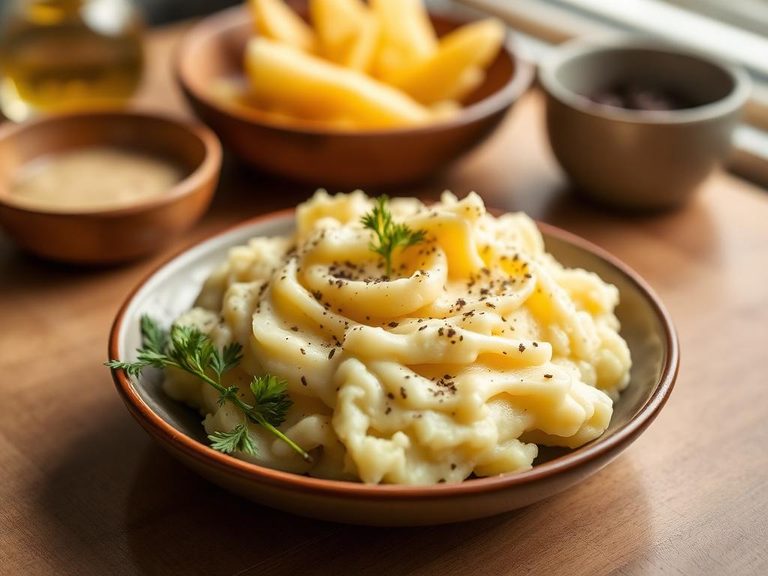
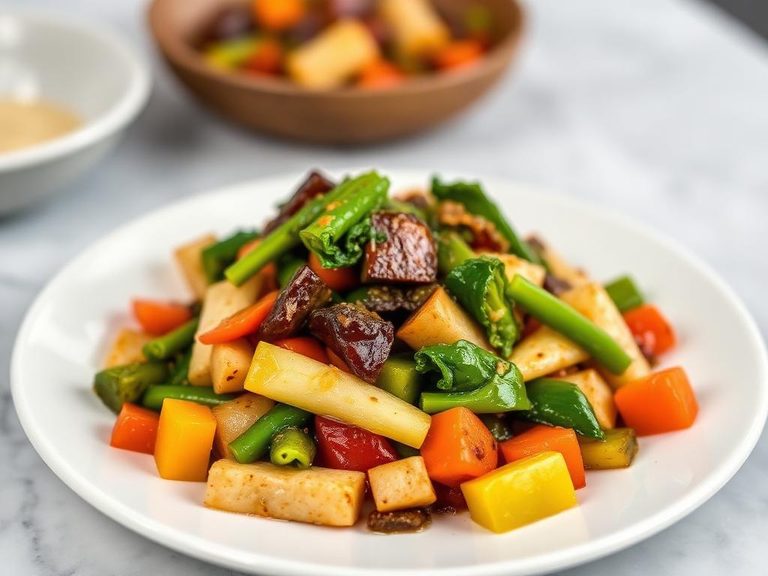
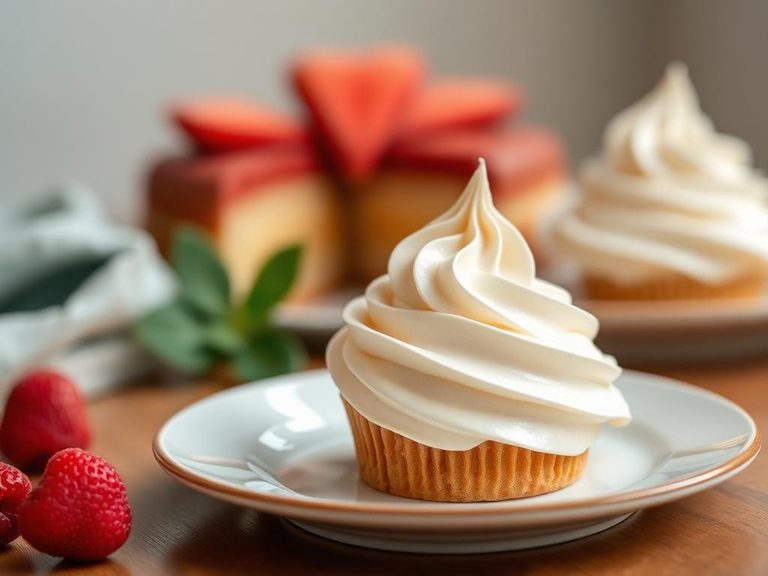
🍽️ Popular dishes
🌍 Where it's eaten
💡 Did you know?
A single stick of butter contains exactly 8 tablespoons, making it the original pre-measured ingredient for home bakers before kitchen scales were common.
Full nutrition (USDA data · scales with serving)
| Water | 15.8 g |
| Total lipid (fat) | 82.2 g |
| Total fat (NLEA) | 65.0 g |
| Sugars, Total | 0.58 g |
| Sucrose | 0.00 g |
| Glucose | 0.00 g |
| Fructose | 0.00 g |
| Lactose | 0.58 g |
| Maltose | 0.00 g |
| Calcium, Ca | 21.0 mg |
| Iron, Fe | 0.06 mg |
| Magnesium, Mg | 1.6 mg |
| Phosphorus, P | 22.0 mg |
| Potassium, K | 23.0 mg |
| Sodium, Na | 524 mg |
| Zinc, Zn | 0.07 mg |
| Copper, Cu | 0.01 mg |
| Manganese, Mn | 0.01 mg |
| Iodine, I | 0.00 ug |
| Selenium, Se | 0.00 ug |
| Riboflavin | 0.00 mg |
| Niacin | 0.00 mg |
| Vitamin B-6 | 0.00 mg |
| Biotin | 0.00 ug |
| Folate, total | 5.0 ug |
| Vitamin B-12 | 0.00 ug |
| Vitamin A, RAE | 758 ug |
| Retinol | 744 ug |
| Carotene, beta | 168 ug |
| cis-beta-Carotene | 27.0 ug |
| trans-beta-Carotene | 140 ug |
| Carotene, alpha | 2.0 ug |
| Cryptoxanthin, beta | 8.0 ug |
| Cryptoxanthin, alpha | 2.0 ug |
| cis-Lycopene | 0.00 ug |
| trans-Lycopene | 0.00 ug |
| cis-Lutein/Zeaxanthin | 1.0 ug |
| Lutein | 12.0 ug |
| Zeaxanthin | 4.0 ug |
| Vitamin E (alpha-tocopherol) | 0.00 mg |
| Tocopherol, beta | 0.00 mg |
| Tocopherol, gamma | 0.00 mg |
| Tocopherol, delta | 0.00 mg |
| Tocotrienol, alpha | 0.00 mg |
| Tocotrienol, beta | 0.00 mg |
| Tocotrienol, gamma | 0.00 mg |
| Tocotrienol, delta | 0.00 mg |
| Vitamin D (D2 + D3), International Units | 16.0 iu |
| Vitamin D (D2 + D3) | 0.40 ug |
| Vitamin D2 (ergocalciferol) | 0.00 ug |
| Vitamin D3 (cholecalciferol) | 0.40 ug |
| 25-hydroxycholecalciferol | 0.11 ug |
Fat & fatty acid profile (per 100g)
| Fatty acids, total saturated | 45.6 g |
| SFA 4:0 | 2.0 g |
| SFA 5:0 | 0.00 g |
| SFA 6:0 | 1.4 g |
| SFA 7:0 | 0.00 g |
| SFA 8:0 | 0.84 g |
| SFA 9:0 | 0.00 g |
| SFA 10:0 | 1.9 g |
| SFA 11:0 | 0.00 g |
| SFA 12:0 | 2.2 g |
| SFA 14:0 | 7.2 g |
| SFA 15:0 | 0.75 g |
| SFA 16:0 | 21.2 g |
| SFA 17:0 | 0.43 g |
| SFA 18:0 | 7.4 g |
| SFA 20:0 | 0.10 g |
| SFA 21:0 | 0.01 g |
| SFA 22:0 | 0.04 g |
| SFA 23:0 | 0.00 g |
| SFA 24:0 | 0.02 g |
| Fatty acids, total monounsaturated | 16.9 g |
| MUFA 12:1 | 0.05 g |
| MUFA 14:1 c | 0.60 g |
| MUFA 15:1 | 0.00 g |
| MUFA 16:1 c | 1.00 g |
| MUFA 17:1 | 0.14 g |
| MUFA 17:1 c | 0.14 g |
| MUFA 18:1 c | 15.0 g |
| MUFA 20:1 c | 0.12 g |
| MUFA 22:1 c | 0.00 g |
| MUFA 22:1 n-9 | 0.00 g |
| MUFA 22:1 n-11 | 0.00 g |
| MUFA 24:1 c | 0.00 g |
| Fatty acids, total polyunsaturated | 2.5 g |
| PUFA 18:2 c | 2.3 g |
| PUFA 18:2 n-6 c,c | 1.9 g |
| PUFA 18:2 CLAs | 0.36 g |
| PUFA 18:3 c | 0.33 g |
| PUFA 18:3 n-3 c,c,c (ALA) | 0.31 g |
| PUFA 18:3 n-6 c,c,c | 0.02 g |
| PUFA 18:4 | 0.01 g |
| PUFA 20:2 c | 0.02 g |
| PUFA 20:2 n-6 c,c | 0.02 g |
| PUFA 20:3 c | 0.08 g |
| PUFA 20:3 n-3 | 0.00 g |
| PUFA 20:3 n-6 | 0.08 g |
| PUFA 20:3 n-9 | 0.00 g |
| PUFA 22:3 | 0.00 g |
| PUFA 20:4 | 0.10 g |
| PUFA 20:4c | 0.10 g |
| PUFA 20:5c | 0.02 g |
| PUFA 20:5 n-3 (EPA) | 0.02 g |
| PUFA 22:2 | 0.01 g |
| PUFA 22:5 c | 0.04 g |
| PUFA 22:4 | 0.02 g |
| PUFA 22:5 n-3 (DPA) | 0.04 g |
| PUFA 22:6 c | 0.00 g |
| PUFA 22:6 n-3 (DHA) | 0.00 g |
| Cholesterol | 235 mg |
Amino acid profile (per 100g)
| Tryptophan | 0.01 g |
| Threonine | 0.03 g |
| Isoleucine | 0.02 g |
| Leucine | 0.05 g |
| Lysine | 0.07 g |
| Methionine | 0.01 g |
| Phenylalanine | 0.03 g |
| Tyrosine | 0.02 g |
| Valine | 0.03 g |
| Arginine | 0.04 g |
| Histidine | 0.01 g |
| Alanine | 0.02 g |
| Aspartic acid | 0.04 g |
| Glutamic acid | 0.08 g |
| Glycine | 0.01 g |
| Proline | 0.06 g |
| Serine | 0.04 g |
| Hydroxyproline | 0.00 g |
| Cysteine | 0.00 g |
FAQ
What's the difference between salted and unsalted butter?
Salted butter contains added salt (about 1-2% by weight) for flavor and preservation, while unsalted butter contains none, giving the cook full control over seasoning in recipes.
Can I substitute salted butter for unsalted in baking?
Yes, but you should reduce the added salt in the recipe by about 1/4 teaspoon per stick (113g) of salted butter used to avoid over-seasoning.
Why does butter sometimes taste 'off' or like cheese?
This is often due to the absorption of strong odors from other foods in the fridge (like onions or garlic) or the natural development of butyric acid, which is also found in cheese and gives aged butter its distinctive sharp flavor.
Dietary load (calculated from USDA values)
Sodium-to-potassium ratio: 22.78 (lower is better — aim for ≤ 1)
Sodium:potassium per WHO potassium guidance. Computed from USDA nutrients.