

Beef, composite of trimmed retail cuts, separable lean only, trimmed to 1/8" fat, all grades, cooked
Whole food · Beef Products

Photo: Wikipedia
This is the lean, trimmed muscle of beef, cooked without added fat, offering a dense, clean protein source with a rich, beefy flavor and a firm, satisfying texture. Its nutritional profile is strikingly high in protein while being virtually free of carbohydrates, sugar, and fiber. With a moderate fat content for juiciness, it's a powerhouse for muscle maintenance and satiety.
Calorie split: 61% protein · 0% carbs · 39% fat
↓ Full nutrition💚 Why it's loved
People cherish it for its deep, savory umami flavor and versatile texture that excels in everything from quick sears to slow braises. It's a cultural cornerstone of comfort food, representing hearty, satisfying meals across many cuisines.
⚠️ Watch-outs & how to enjoy it better
As a red meat, it can be high in saturated fat depending on the cut and grade, which some individuals monitor for heart health. To mitigate this, choose leaner grades (like Select), trim visible fat thoroughly before cooking, and pair it with fiber-rich vegetables and whole grains to balance the meal.
Key benefits
- Excellent source of complete, high-quality protein
- Very low in carbohydrates and sugars
- Provides essential minerals like iron and zinc
- Supports muscle growth and repair
- Promotes long-lasting satiety
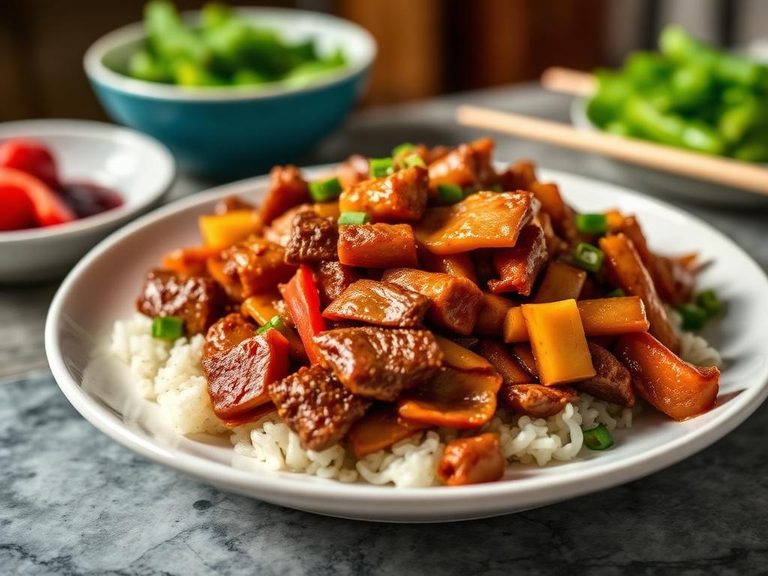
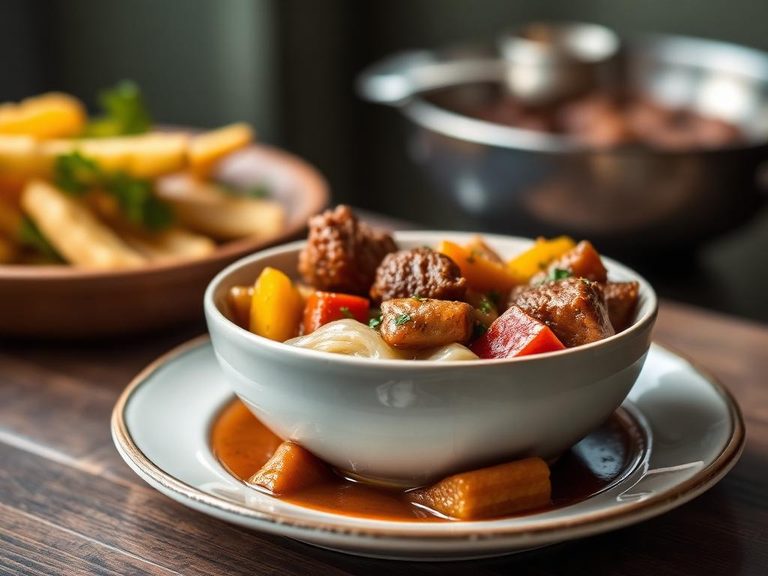
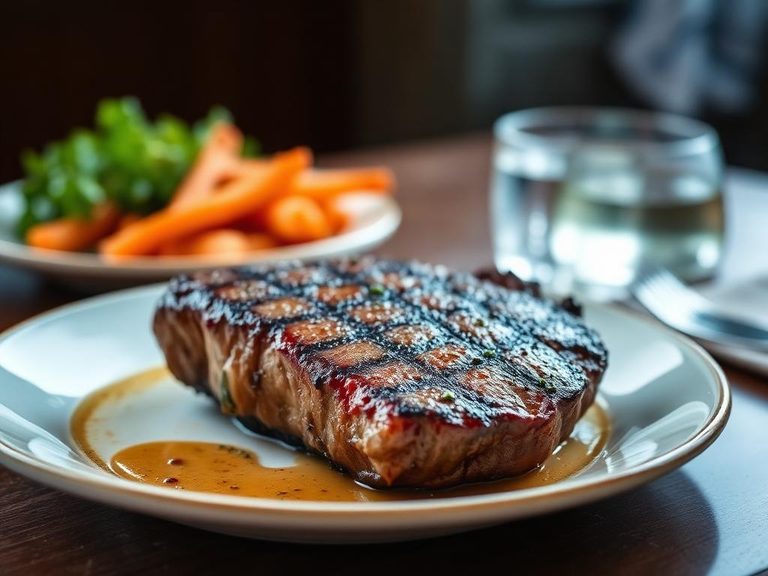
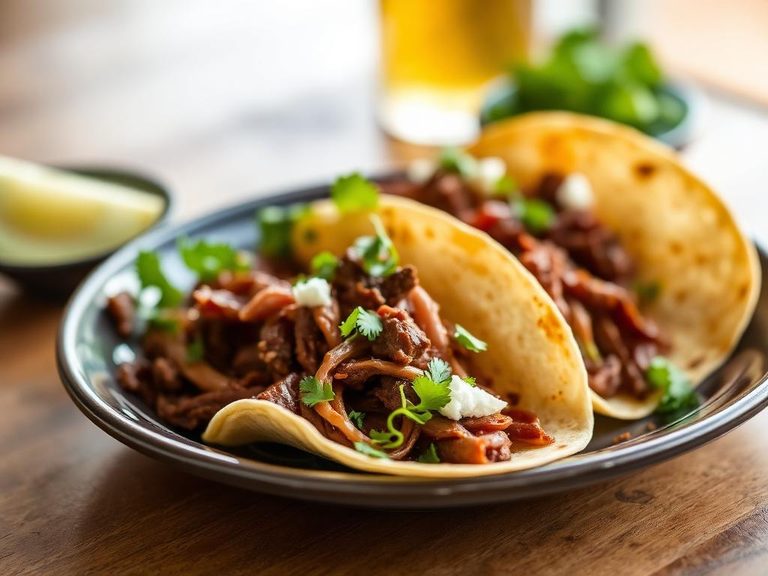
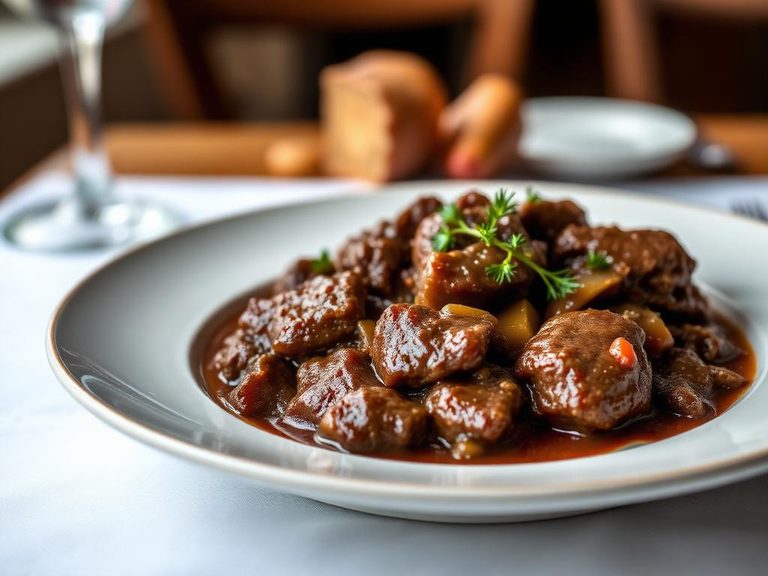
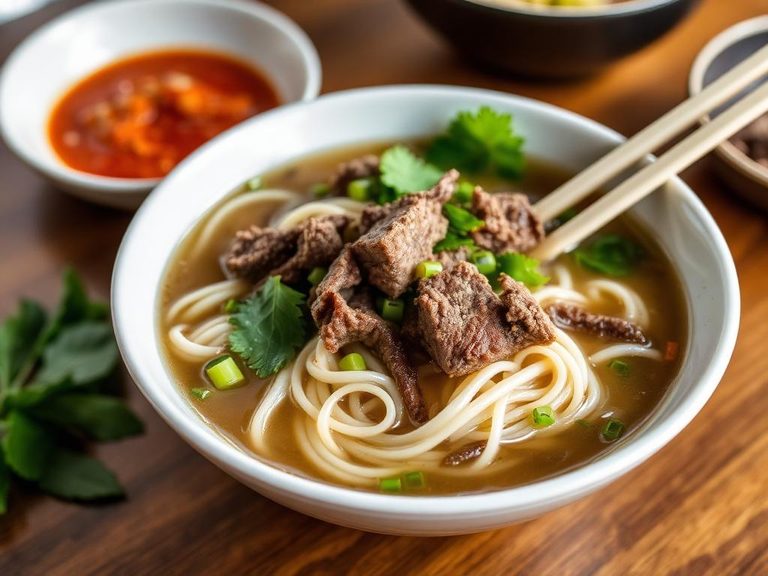
🍽️ Popular dishes
🌍 Where it's eaten
💡 Did you know?
The 'beefy' flavor we recognize comes largely from a chemical reaction between amino acids and sugars during cooking, known as the Maillard reaction, which is why browning meat is so crucial for developing deep flavor.
Full nutrition (USDA data · scales with serving)
| Water | 62.5 g |
| Energy | 194 kcal |
| Energy | 810 kj |
| Protein | 28.9 g |
| Total lipid (fat) | 8.2 g |
| Ash | 1.1 g |
| Carbohydrate, by difference | 0.00 g |
| Fiber, total dietary | 0.00 g |
| Total Sugars | 0.00 g |
| Calcium, Ca | 12.0 mg |
| Iron, Fe | 2.4 mg |
| Magnesium, Mg | 23.0 mg |
| Phosphorus, P | 200 mg |
| Potassium, K | 303 mg |
| Sodium, Na | 54.0 mg |
| Zinc, Zn | 5.8 mg |
| Copper, Cu | 0.08 mg |
| Manganese, Mn | 0.03 mg |
| Selenium, Se | 33.2 ug |
| Vitamin C, total ascorbic acid | 0.00 mg |
| Thiamin | 0.07 mg |
| Riboflavin | 0.21 mg |
| Niacin | 6.2 mg |
| Pantothenic acid | 0.55 mg |
| Vitamin B-6 | 0.54 mg |
| Folate, total | 9.0 ug |
| Folic acid | 0.00 ug |
| Folate, food | 9.0 ug |
| Folate, DFE | 9.0 ug |
| Choline, total | 89.2 mg |
| Betaine | 13.4 mg |
| Vitamin B-12 | 1.9 ug |
| Vitamin B-12, added | 0.00 ug |
| Vitamin A, RAE | 1.0 ug |
| Retinol | 1.0 ug |
| Carotene, beta | 0.00 ug |
| Carotene, alpha | 0.00 ug |
| Cryptoxanthin, beta | 0.00 ug |
| Vitamin A, IU | 4.0 iu |
| Lycopene | 0.00 ug |
| Lutein + zeaxanthin | 0.00 ug |
| Vitamin E (alpha-tocopherol) | 0.28 mg |
| Vitamin E, added | 0.00 mg |
| Tocopherol, beta | 0.00 mg |
| Tocopherol, gamma | 0.00 mg |
| Tocopherol, delta | 0.00 mg |
| Vitamin D (D2 + D3), International Units | 3.0 iu |
| Vitamin D (D2 + D3) | 0.10 ug |
| Vitamin D3 (cholecalciferol) | 0.10 ug |
| Vitamin K (phylloquinone) | 1.6 ug |
| Alcohol, ethyl | 0.00 g |
| Caffeine | 0.00 mg |
| Theobromine | 0.00 mg |
Fat & fatty acid profile (per 100g)
| Fatty acids, total saturated | 3.1 g |
| SFA 4:0 | 0.00 g |
| SFA 6:0 | 0.00 g |
| SFA 8:0 | 0.00 g |
| SFA 10:0 | 0.00 g |
| SFA 12:0 | 0.01 g |
| SFA 14:0 | 0.20 g |
| SFA 15:0 | 0.02 g |
| SFA 16:0 | 1.8 g |
| SFA 17:0 | 0.06 g |
| SFA 18:0 | 1.0 g |
| SFA 20:0 | 0.00 g |
| SFA 24:0 | 0.01 g |
| Fatty acids, total monounsaturated | 3.5 g |
| MUFA 14:1 | 0.03 g |
| MUFA 15:1 | 0.01 g |
| MUFA 16:1 | 0.26 g |
| MUFA 16:1 c | 0.14 g |
| MUFA 17:1 | 0.04 g |
| MUFA 18:1 | 3.2 g |
| MUFA 18:1 c | 1.7 g |
| MUFA 20:1 | 0.01 g |
| MUFA 22:1 | 0.00 g |
| Fatty acids, total polyunsaturated | 0.41 g |
| PUFA 18:2 | 0.32 g |
| PUFA 18:2 n-6 c,c | 0.19 g |
| PUFA 18:2 CLAs | 0.02 g |
| PUFA 18:3 | 0.02 g |
| PUFA 18:3 n-3 c,c,c (ALA) | 0.01 g |
| PUFA 18:4 | 0.00 g |
| PUFA 20:2 n-6 c,c | 0.00 g |
| PUFA 20:3 | 0.01 g |
| PUFA 20:3 n-6 | 0.01 g |
| PUFA 20:4 | 0.05 g |
| PUFA 20:5 n-3 (EPA) | 0.00 g |
| PUFA 22:5 n-3 (DPA) | 0.01 g |
| PUFA 22:6 n-3 (DHA) | 0.00 g |
| Fatty acids, total trans | 0.25 g |
| Fatty acids, total trans-monoenoic | 0.24 g |
| TFA 16:1 t | 0.01 g |
| TFA 18:1 t | 0.23 g |
| TFA 18:2 t not further defined | 0.01 g |
| Fatty acids, total trans-polyenoic | 0.01 g |
| Cholesterol | 80.0 mg |
Amino acid profile (per 100g)
| Tryptophan | 0.26 g |
| Threonine | 1.3 g |
| Isoleucine | 1.4 g |
| Leucine | 2.5 g |
| Lysine | 2.7 g |
| Methionine | 0.79 g |
| Cystine | 0.35 g |
| Phenylalanine | 1.2 g |
| Tyrosine | 1.0 g |
| Valine | 1.5 g |
| Arginine | 2.0 g |
| Histidine | 1.0 g |
| Alanine | 1.8 g |
| Aspartic acid | 2.8 g |
| Glutamic acid | 4.7 g |
| Glycine | 1.6 g |
| Proline | 1.4 g |
| Serine | 1.2 g |
| Hydroxyproline | 0.24 g |
FAQ
Is this the same as 'lean ground beef'?
No. This refers to whole, trimmed cuts of muscle meat. Ground beef is made from various trimmings and has a different texture and often a higher fat percentage unless specifically labeled 'extra lean'.
How does 'all grades' affect the nutrition?
The 'all grades' (Prime, Choice, Select) primarily refer to marbling (intramuscular fat). While this composite data is an average, a Prime cut will have more fat and calories than a Select cut from the same muscle.
Why is there 0g of carbs and sugar?
Pure, cooked muscle meat is composed almost entirely of protein and fat. Carbohydrates are stored in the body as glycogen, which is depleted during slaughter and processing, leaving negligible amounts.
Nutrient density (calculated · NRF9.3)
Nutrient Rich Foods index: beneficial nutrients (protein, fiber, vitamins, minerals) minus saturated fat, added sugar & sodium, per 100 kcal.
NRF9.3 index — Fulgoni, Keast & Drewnowski, 2009. Computed from USDA nutrients.
Weight-loss friendliness (composite index)
Energy density 1.94 kcal/g · 60% calories from protein · 0.0 g fiber · 0.0 g sugar per 100 g.
Composite of energy density (Rolls et al., 1999), protein & fiber satiety, minus sugar. A calculated heuristic — ranks satiety-per-calorie, not a clinical measure.
Dietary load (calculated from USDA values)
Potential renal acid load. Positive = acid-forming, negative = alkaline-forming.
Sodium-to-potassium ratio: 0.18 (lower is better — aim for ≤ 1)
Sodium:potassium per WHO potassium guidance. Computed from USDA nutrients.