

Beans, kidney, red, mature seeds, canned, solids and liquid, low sodium
Whole food · Legumes and Legume Products

Photo: Wikipedia
These are mature red kidney beans, canned whole with their liquid, offering a satisfyingly firm yet creamy bite and a deep, earthy, slightly nutty flavor. Their low-sodium preparation makes them a pantry-friendly protein and fiber powerhouse, clocking in at just 81 calories per 100g. The rich red color signals a good dose of antioxidants, making them both nutritious and visually appealing in dishes.
Calorie split: 25% protein · 71% carbs · 4% fat
↓ Full nutrition💚 Why it's loved
People love them for their hearty, meaty texture that holds up beautifully in stews and salads, and their ability to absorb surrounding flavors like spices and smoky broths. They are a cultural staple in comfort foods across the globe, from chili to rajma, symbolizing sustenance and home cooking.
⚠️ Watch-outs & how to enjoy it better
Some may experience digestive discomfort like gas due to their high fiber and oligosaccharide content, and those monitoring blood sugar should be mindful of their carbohydrate load. To counteract this, start with smaller portions, rinse canned beans thoroughly to reduce sodium and oligosaccharides, and pair them with non-starchy vegetables, healthy fats (like avocado), or a source of protein to create a more balanced meal that slows sugar absorption.
Key benefits
- Excellent source of plant-based protein and dietary fiber.
- Naturally low in fat and a good source of complex carbohydrates.
- Contains antioxidants like anthocyanins from the red seed coat.
- Canned format offers convenience without cooking from dried.
- Low-sodium version supports heart-healthy diets.
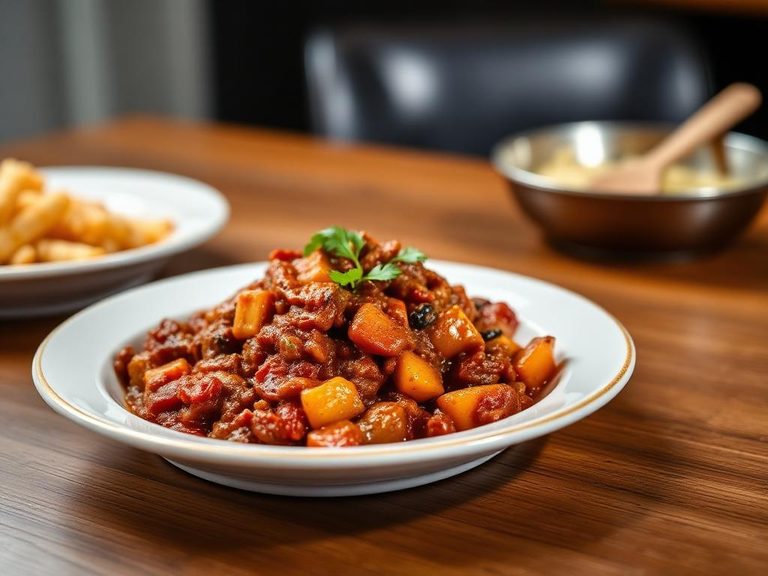
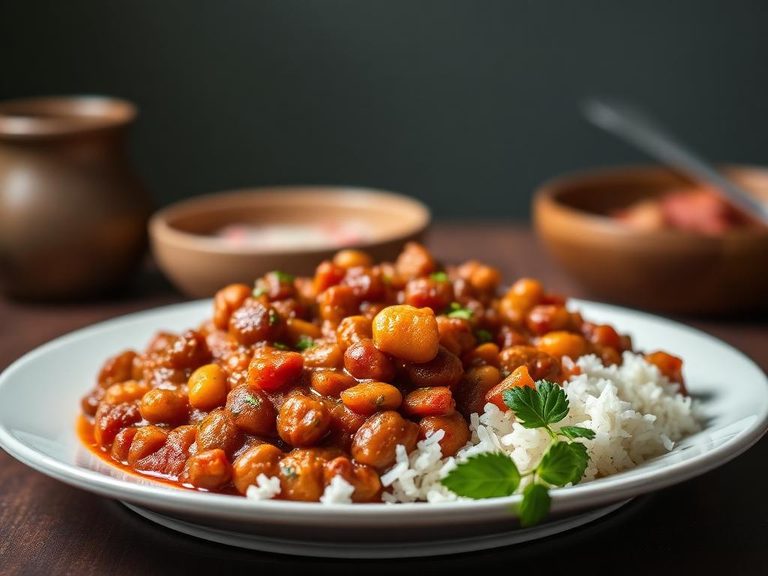
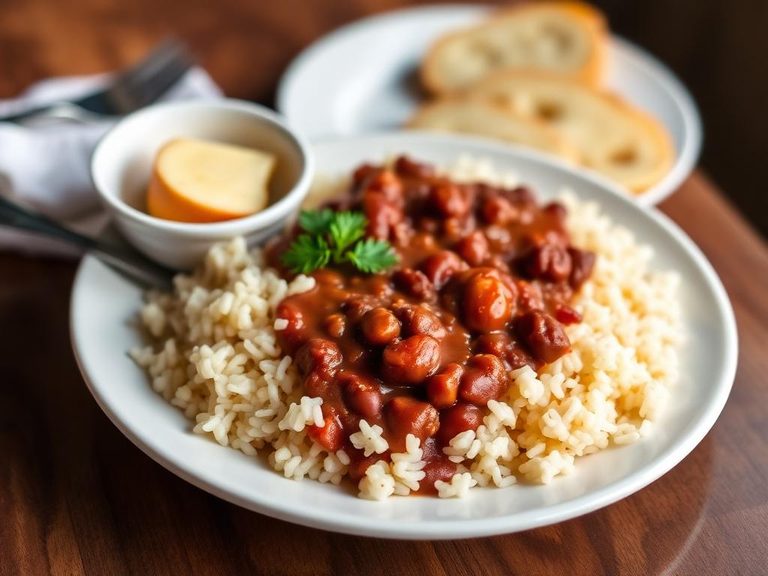
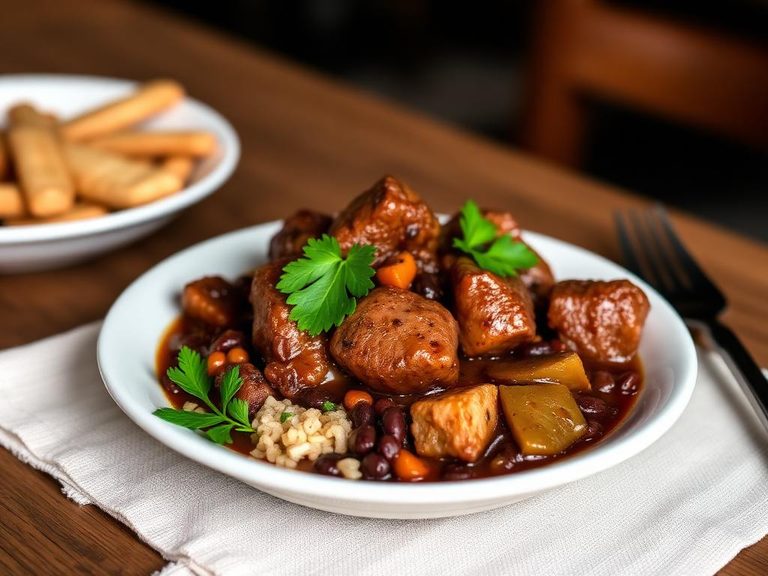
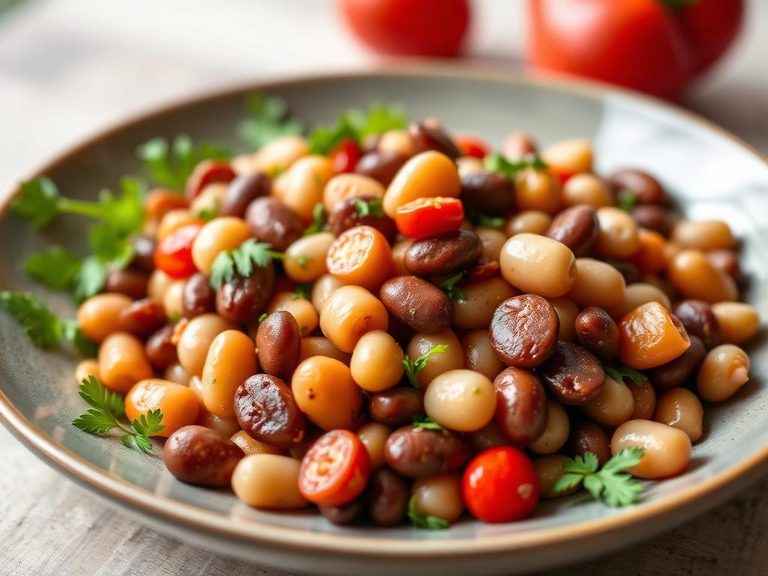
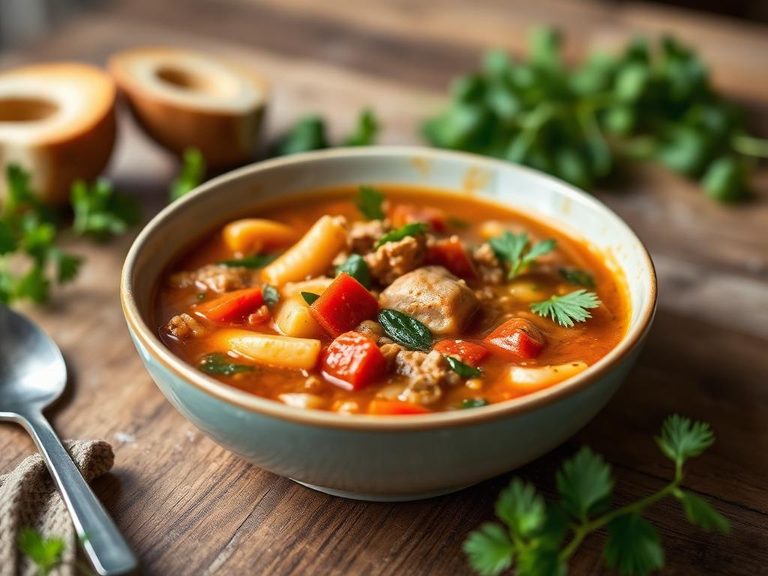
🍽️ Popular dishes
🌍 Where it's eaten
💡 Did you know?
The 'kidney' in their name comes directly from their shape, which resembles a human kidney, and they are one of the most widely consumed bean varieties in the world.
Full nutrition (USDA data · scales with serving)
| Water | 78.0 g |
| Energy | 81.0 kcal |
| Energy | 341 kj |
| Protein | 5.2 g |
| Total lipid (fat) | 0.36 g |
| Ash | 1.6 g |
| Carbohydrate, by difference | 14.8 g |
| Fiber, total dietary | 5.3 g |
| Total Sugars | 1.9 g |
| Sucrose | 1.9 g |
| Glucose | 0.00 g |
| Fructose | 0.00 g |
| Lactose | 0.00 g |
| Maltose | 0.00 g |
| Galactose | 0.00 g |
| Starch | 8.9 g |
| Calcium, Ca | 29.0 mg |
| Iron, Fe | 1.3 mg |
| Magnesium, Mg | 30.0 mg |
| Phosphorus, P | 106 mg |
| Potassium, K | 260 mg |
| Sodium, Na | 117 mg |
| Zinc, Zn | 0.62 mg |
| Copper, Cu | 0.15 mg |
| Manganese, Mn | 0.29 mg |
| Selenium, Se | 1.1 ug |
| Vitamin C, total ascorbic acid | 0.80 mg |
| Thiamin | 0.11 mg |
| Riboflavin | 0.07 mg |
| Niacin | 0.49 mg |
| Pantothenic acid | 0.13 mg |
| Vitamin B-6 | 0.08 mg |
| Folate, total | 26.0 ug |
| Folic acid | 0.00 ug |
| Folate, food | 26.0 ug |
| Folate, DFE | 26.0 ug |
| Choline, total | 30.5 mg |
| Betaine | 0.10 mg |
| Vitamin B-12 | 0.00 ug |
| Vitamin B-12, added | 0.00 ug |
| Vitamin A, RAE | 0.00 ug |
| Retinol | 0.00 ug |
| Carotene, beta | 0.00 ug |
| Carotene, alpha | 0.00 ug |
| Cryptoxanthin, beta | 0.00 ug |
| Vitamin A, IU | 0.00 iu |
| Lycopene | 0.00 ug |
| Lutein + zeaxanthin | 0.00 ug |
| Vitamin E (alpha-tocopherol) | 0.02 mg |
| Vitamin E, added | 0.00 mg |
| Tocopherol, beta | 0.00 mg |
| Tocopherol, gamma | 0.69 mg |
| Tocopherol, delta | 0.02 mg |
| Tocotrienol, alpha | 0.01 mg |
| Tocotrienol, beta | 0.00 mg |
| Tocotrienol, gamma | 0.00 mg |
| Tocotrienol, delta | 0.00 mg |
| Vitamin D (D2 + D3), International Units | 0.00 iu |
| Vitamin D (D2 + D3) | 0.00 ug |
| Vitamin K (phylloquinone) | 4.1 ug |
| Vitamin K (Dihydrophylloquinone) | 0.00 ug |
| Alcohol, ethyl | 0.00 g |
| Caffeine | 0.00 mg |
| Theobromine | 0.00 mg |
Fat & fatty acid profile (per 100g)
| Fatty acids, total saturated | 0.13 g |
| SFA 4:0 | 0.00 g |
| SFA 6:0 | 0.00 g |
| SFA 8:0 | 0.00 g |
| SFA 10:0 | 0.00 g |
| SFA 12:0 | 0.00 g |
| SFA 13:0 | 0.00 g |
| SFA 14:0 | 0.01 g |
| SFA 15:0 | 0.00 g |
| SFA 16:0 | 0.08 g |
| SFA 17:0 | 0.00 g |
| SFA 18:0 | 0.04 g |
| SFA 20:0 | 0.00 g |
| SFA 22:0 | 0.00 g |
| SFA 24:0 | 0.00 g |
| Fatty acids, total monounsaturated | 0.15 g |
| MUFA 14:1 | 0.00 g |
| MUFA 15:1 | 0.00 g |
| MUFA 16:1 | 0.01 g |
| MUFA 17:1 | 0.00 g |
| MUFA 18:1 | 0.01 g |
| MUFA 18:1 c | 0.13 g |
| MUFA 20:1 | 0.00 g |
| MUFA 22:1 | 0.00 g |
| Fatty acids, total polyunsaturated | 0.17 g |
| PUFA 18:2 | 0.08 g |
| PUFA 18:3 | 0.05 g |
| PUFA 18:3 n-3 c,c,c (ALA) | 0.04 g |
| PUFA 18:3 n-6 c,c,c | 0.00 g |
| PUFA 18:4 | 0.00 g |
| PUFA 20:2 n-6 c,c | 0.00 g |
| PUFA 20:3 | 0.00 g |
| PUFA 20:4 | 0.00 g |
| PUFA 20:5 n-3 (EPA) | 0.00 g |
| PUFA 22:5 n-3 (DPA) | 0.00 g |
| PUFA 22:6 n-3 (DHA) | 0.00 g |
| Fatty acids, total trans | 0.00 g |
| TFA 18:1 t | 0.00 g |
| Cholesterol | 0.00 mg |
Amino acid profile (per 100g)
| Tryptophan | 0.06 g |
| Threonine | 0.20 g |
| Isoleucine | 0.25 g |
| Leucine | 0.46 g |
| Lysine | 0.38 g |
| Methionine | 0.07 g |
| Cystine | 0.05 g |
| Phenylalanine | 0.32 g |
| Tyrosine | 0.13 g |
| Valine | 0.31 g |
| Arginine | 0.29 g |
| Histidine | 0.15 g |
| Alanine | 0.24 g |
| Aspartic acid | 0.67 g |
| Glutamic acid | 0.86 g |
| Glycine | 0.22 g |
| Proline | 0.31 g |
| Serine | 0.34 g |
| Hydroxyproline | 0.00 g |
FAQ
Do I need to rinse canned kidney beans?
Yes, rinsing under cold water for about a minute can reduce sodium content by up to 40% and remove some of the starchy canning liquid, which can improve texture and reduce potential digestive discomfort.
Are canned kidney beans as nutritious as dried?
Yes, they retain most of their protein, fiber, and minerals. The canning process may slightly reduce heat-sensitive vitamins like folate, but they remain a highly nutritious choice, especially in their low-sodium form.
How can I use the liquid from the can?
The starchy liquid (aquafaba) can be used as a thickener for soups and stews, or whipped as an egg white substitute in some vegan baking recipes. For lower sodium, it's best to use the liquid from low-sodium cans or rinse it away.
Nutrient density (calculated · NRF9.3)
Nutrient Rich Foods index: beneficial nutrients (protein, fiber, vitamins, minerals) minus saturated fat, added sugar & sodium, per 100 kcal.
NRF9.3 index — Fulgoni, Keast & Drewnowski, 2009. Computed from USDA nutrients.
Weight-loss friendliness (composite index)
Energy density 0.81 kcal/g · 26% calories from protein · 5.3 g fiber · 1.9 g sugar per 100 g.
Composite of energy density (Rolls et al., 1999), protein & fiber satiety, minus sugar. A calculated heuristic — ranks satiety-per-calorie, not a clinical measure.
Dietary load (calculated from USDA values)
Potential renal acid load. Positive = acid-forming, negative = alkaline-forming.
Sodium-to-potassium ratio: 0.45 (lower is better — aim for ≤ 1)
Sodium:potassium per WHO potassium guidance. Computed from USDA nutrients.