

Turkey, retail parts, wing, meat only, raw
Whole food · Poultry Products

Photo: Wikipedia
Raw turkey wing meat is a lean, pale-pink protein powerhouse with a mild, subtly sweet flavor and a firm, dense texture that transforms into tender, juicy meat when cooked properly. Its exceptionally low fat and zero-carb profile make it a staple for high-protein, low-calorie meal planning. The meat's clean taste provides a perfect canvas for bold marinades and seasonings.
Calorie split: 80% protein · 0% carbs · 20% fat
↓ Full nutrition💚 Why it's loved
People love it for its incredible versatility and mild flavor, which readily absorbs herbs, spices, and marinades, making it suitable for everything from simple roasts to complex stews. It's a culturally familiar comfort food in many Western cuisines, often associated with holiday meals and hearty family dinners.
⚠️ Watch-outs & how to enjoy it better
The primary downside is its potential for dryness if overcooked, as the lean meat has little fat to keep it moist. To counteract this, use a meat thermometer, brine the meat before cooking, or employ moist-heat methods like braising. Those monitoring sodium intake should be cautious with pre-seasoned or processed turkey parts and opt for unseasoned cuts.
Key benefits
- Excellent source of complete, lean protein
- Very low in fat, especially saturated fat
- Zero carbohydrates, sugars, or fiber
- Rich in B vitamins like niacin and B6
- Good source of minerals like selenium and phosphorus
🍽️ Popular dishes

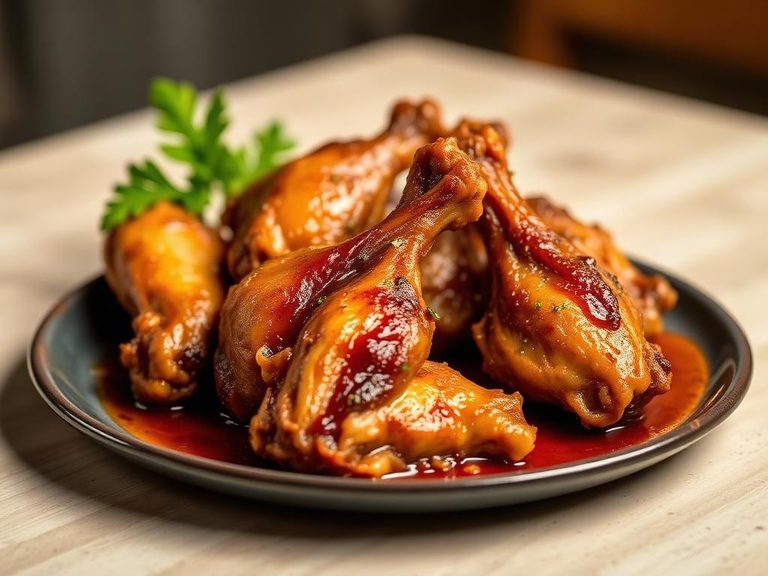
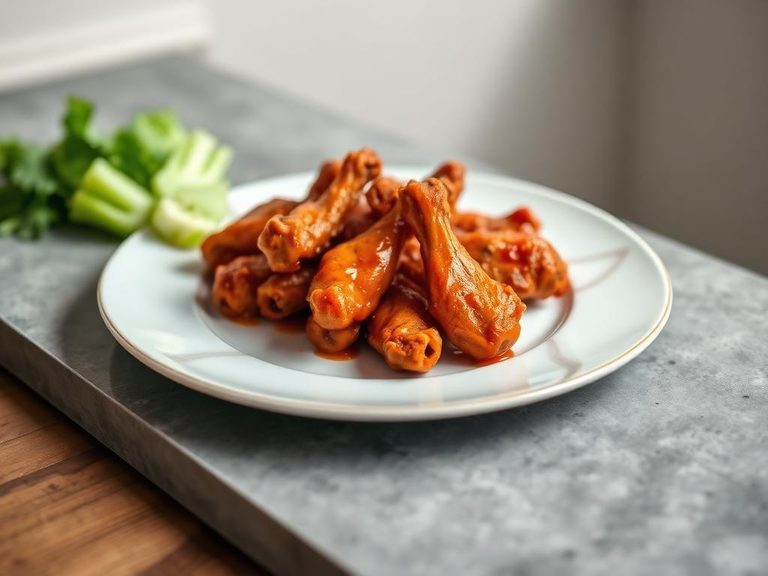
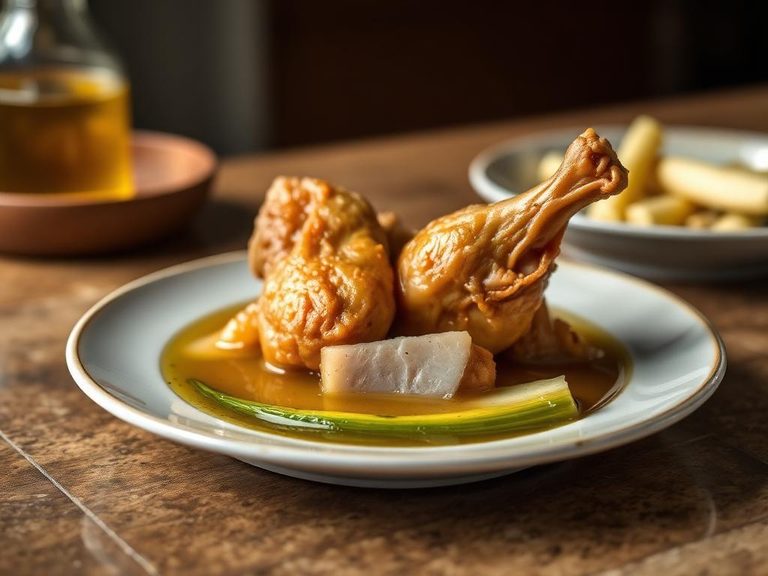
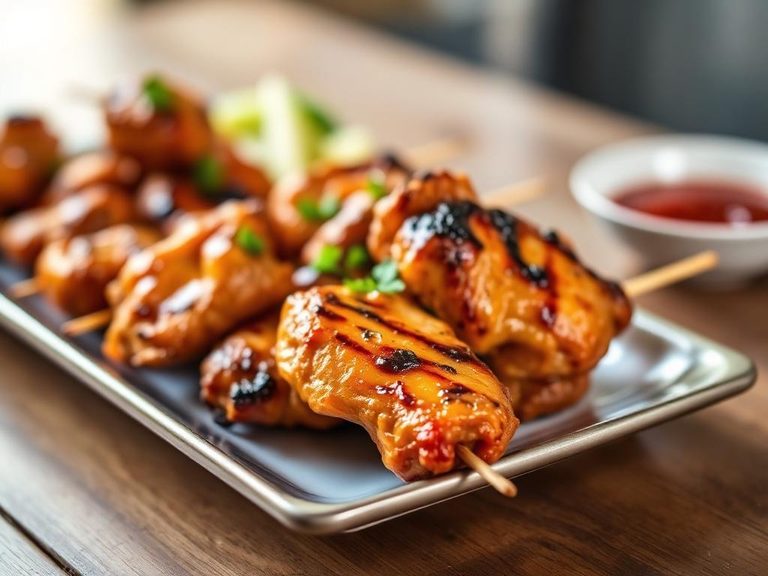
🌍 Where it's eaten
💡 Did you know?
A single raw turkey wing (the whole wing, not just the meat) can weigh over 300 grams, and the meat-to-bone ratio is surprisingly low, making butchering it a skillful task.
Full nutrition (USDA data · scales with serving)
| Water | 75.0 g |
| Energy | 112 kcal |
| Energy | 470 kj |
| Protein | 22.5 g |
| Total lipid (fat) | 2.5 g |
| Ash | 0.94 g |
| Carbohydrate, by difference | 0.00 g |
| Fiber, total dietary | 0.00 g |
| Total Sugars | 0.00 g |
| Calcium, Ca | 6.0 mg |
| Iron, Fe | 0.60 mg |
| Magnesium, Mg | 19.0 mg |
| Phosphorus, P | 147 mg |
| Potassium, K | 222 mg |
| Sodium, Na | 69.0 mg |
| Zinc, Zn | 2.6 mg |
| Copper, Cu | 0.05 mg |
| Manganese, Mn | 0.01 mg |
| Selenium, Se | 21.6 ug |
| Vitamin C, total ascorbic acid | 0.00 mg |
| Thiamin | 0.04 mg |
| Riboflavin | 0.13 mg |
| Niacin | 6.4 mg |
| Pantothenic acid | 0.68 mg |
| Vitamin B-6 | 0.70 mg |
| Folate, total | 7.0 ug |
| Folate, food | 7.0 ug |
| Choline, total | 50.4 mg |
| Vitamin B-12 | 0.92 ug |
| Vitamin B-12, added | 0.00 ug |
| Vitamin A, RAE | 5.0 ug |
| Retinol | 5.0 ug |
| Carotene, beta | 0.00 ug |
| Carotene, alpha | 0.00 ug |
| Cryptoxanthin, beta | 0.00 ug |
| Vitamin A, IU | 17.0 iu |
| Lycopene | 0.00 ug |
| Lutein + zeaxanthin | 0.00 ug |
| Vitamin E (alpha-tocopherol) | 0.11 mg |
| Vitamin E, added | 0.00 mg |
| Vitamin D (D2 + D3), International Units | 7.0 iu |
| Vitamin D (D2 + D3) | 0.20 ug |
| Vitamin D3 (cholecalciferol) | 0.20 ug |
| Vitamin K (phylloquinone) | 0.00 ug |
| Alcohol, ethyl | 0.00 g |
| Caffeine | 0.00 mg |
| Theobromine | 0.00 mg |
Fat & fatty acid profile (per 100g)
| Fatty acids, total saturated | 0.46 g |
| SFA 4:0 | 0.00 g |
| SFA 6:0 | 0.00 g |
| SFA 8:0 | 0.00 g |
| SFA 10:0 | 0.00 g |
| SFA 12:0 | 0.00 g |
| SFA 14:0 | 0.01 g |
| SFA 15:0 | 0.00 g |
| SFA 16:0 | 0.28 g |
| SFA 17:0 | 0.00 g |
| SFA 18:0 | 0.14 g |
| SFA 20:0 | 0.00 g |
| SFA 22:0 | 0.00 g |
| SFA 24:0 | 0.00 g |
| Fatty acids, total monounsaturated | 0.48 g |
| MUFA 14:1 | 0.00 g |
| MUFA 15:1 | 0.00 g |
| MUFA 16:1 | 0.05 g |
| MUFA 16:1 c | 0.05 g |
| MUFA 17:1 | 0.00 g |
| MUFA 18:1 | 0.41 g |
| MUFA 18:1 c | 0.40 g |
| MUFA 20:1 | 0.01 g |
| MUFA 22:1 | 0.00 g |
| MUFA 22:1 c | 0.00 g |
| MUFA 24:1 c | 0.00 g |
| Fatty acids, total polyunsaturated | 0.47 g |
| PUFA 18:2 | 0.36 g |
| PUFA 18:2 n-6 c,c | 0.35 g |
| PUFA 18:2 CLAs | 0.00 g |
| PUFA 18:3 | 0.02 g |
| PUFA 18:3 n-3 c,c,c (ALA) | 0.02 g |
| PUFA 18:3 n-6 c,c,c | 0.00 g |
| PUFA 18:4 | 0.00 g |
| PUFA 20:2 n-6 c,c | 0.00 g |
| PUFA 20:3 | 0.00 g |
| PUFA 20:3 n-3 | 0.00 g |
| PUFA 20:3 n-6 | 0.00 g |
| PUFA 20:4 | 0.06 g |
| PUFA 20:5 n-3 (EPA) | 0.00 g |
| PUFA 22:4 | 0.01 g |
| PUFA 22:5 n-3 (DPA) | 0.01 g |
| PUFA 22:6 n-3 (DHA) | 0.01 g |
| Fatty acids, total trans | 0.02 g |
| Fatty acids, total trans-monoenoic | 0.01 g |
| TFA 16:1 t | 0.00 g |
| TFA 18:1 t | 0.01 g |
| TFA 22:1 t | 0.00 g |
| TFA 18:2 t not further defined | 0.00 g |
| Fatty acids, total trans-polyenoic | 0.00 g |
| Cholesterol | 66.0 mg |
Amino acid profile (per 100g)
| Tryptophan | 0.28 g |
| Threonine | 0.98 g |
| Isoleucine | 0.81 g |
| Leucine | 1.9 g |
| Lysine | 2.3 g |
| Methionine | 0.63 g |
| Cystine | 0.21 g |
| Phenylalanine | 0.81 g |
| Tyrosine | 0.77 g |
| Valine | 0.85 g |
| Arginine | 1.4 g |
| Histidine | 0.69 g |
| Alanine | 1.4 g |
| Aspartic acid | 2.1 g |
| Glutamic acid | 3.4 g |
| Glycine | 1.1 g |
| Proline | 1.1 g |
| Serine | 0.95 g |
FAQ
How does turkey wing meat differ from chicken wing meat?
Turkey wing meat is significantly larger, denser, and has a milder, less 'gamey' flavor than chicken. It has a higher protein-to-fat ratio and requires longer cooking times to become tender.
What's the best way to cook it to prevent dryness?
Brining it in a salt-water solution for a few hours before cooking helps it retain moisture. For cooking, methods like braising, stewing, or slow-roasting at a lower temperature are more forgiving than high-heat grilling or frying.
Is this a good cut for meal prepping?
Yes, its lean, high-protein nature makes it excellent for meal prep. Cook a batch by braising or roasting, then slice or shred the meat to use in salads, wraps, grain bowls, or soups throughout the week.
Nutrient density (calculated · NRF9.3)
Nutrient Rich Foods index: beneficial nutrients (protein, fiber, vitamins, minerals) minus saturated fat, added sugar & sodium, per 100 kcal.
NRF9.3 index — Fulgoni, Keast & Drewnowski, 2009. Computed from USDA nutrients.
Weight-loss friendliness (composite index)
Energy density 1.12 kcal/g · 80% calories from protein · 0.0 g fiber · 0.0 g sugar per 100 g.
Composite of energy density (Rolls et al., 1999), protein & fiber satiety, minus sugar. A calculated heuristic — ranks satiety-per-calorie, not a clinical measure.
Dietary load (calculated from USDA values)
Potential renal acid load. Positive = acid-forming, negative = alkaline-forming.
Sodium-to-potassium ratio: 0.31 (lower is better — aim for ≤ 1)
Sodium:potassium per WHO potassium guidance. Computed from USDA nutrients.