

Salmon, sockeye, canned, total can contents
Whole food · Finfish and Shellfish Products

Photo: Wikipedia
Canned sockeye salmon is a shelf-stable, ready-to-eat version of the vibrant red-fleshed Pacific salmon. It has a firm, flaky texture and a rich, savory flavor that is less 'fishy' than many other canned fish, with a distinctive deep red color. Nutritionally, it's a powerhouse of high-quality protein and healthy fats, with zero carbohydrates.
Calorie split: 56% protein · 0% carbs · 44% fat
↓ Full nutrition💚 Why it's loved
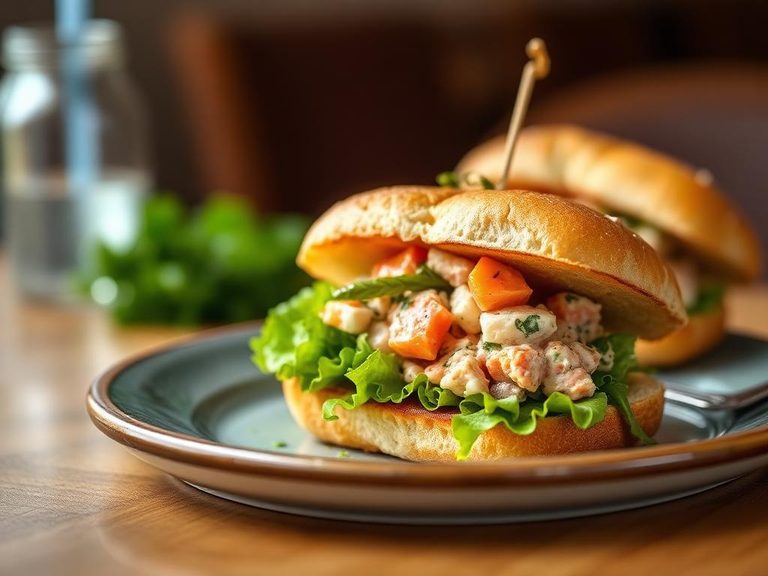
People love its deep, savory umami flavor and satisfying texture that holds up well in salads, sandwiches, and casseroles. It's a beloved pantry staple for its incredible convenience and long shelf life, offering a quick, nutrient-dense meal.
⚠️ Watch-outs & how to enjoy it better
Some may find the texture of the canned product, including the soft, edible bones and skin, unappealing. It can be high in sodium, so those monitoring salt intake should look for low-sodium versions and rinse the contents. As a fish, it is a common allergen.
Key benefits
- Excellent source of complete protein for muscle maintenance.
- Rich in heart-healthy omega-3 fatty acids EPA and DHA.
- Provides a good dose of vitamin D and B12.
- Convenient, shelf-stable, and requires no cooking.
- Contains edible soft bones for a natural calcium boost.
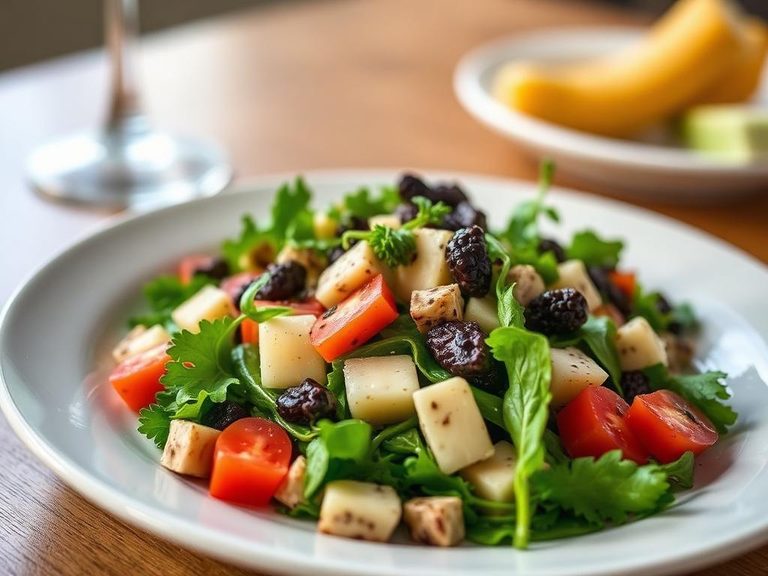
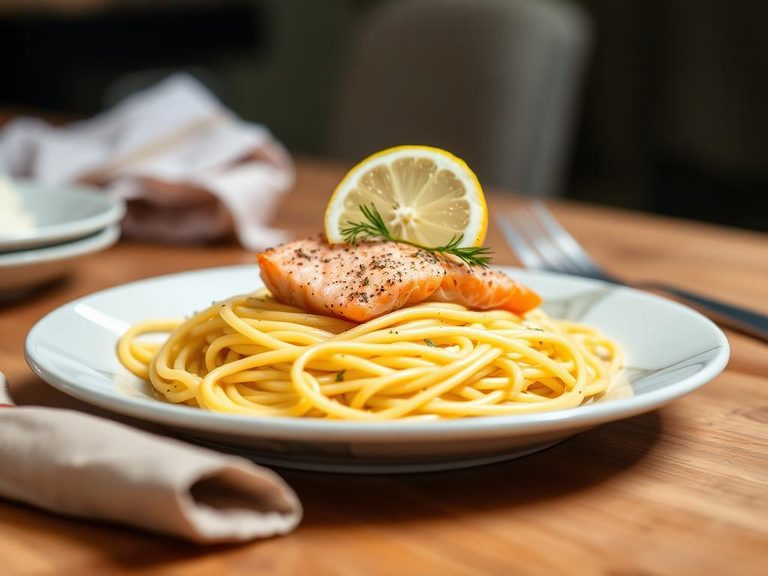
🍽️ Popular dishes



🌍 Where it's eaten
💡 Did you know?
The deep red color of sockeye salmon flesh comes from their diet of krill and shrimp, which are rich in the antioxidant astaxanthin.
Full nutrition (USDA data · scales with serving)
| Water | 71.1 g |
| Energy | 153 kcal |
| Energy | 639 kj |
| Protein | 20.6 g |
| Total lipid (fat) | 7.2 g |
| Ash | 2.5 g |
| Carbohydrate, by difference | 0.00 g |
| Fiber, total dietary | 0.00 g |
| Total Sugars | 0.00 g |
| Calcium, Ca | 198 mg |
| Iron, Fe | 0.57 mg |
| Magnesium, Mg | 30.0 mg |
| Phosphorus, P | 321 mg |
| Potassium, K | 329 mg |
| Sodium, Na | 433 mg |
| Zinc, Zn | 0.67 mg |
| Copper, Cu | 0.06 mg |
| Manganese, Mn | 0.02 mg |
| Selenium, Se | 30.1 ug |
| Vitamin C, total ascorbic acid | 0.00 mg |
| Thiamin | 0.02 mg |
| Riboflavin | 0.20 mg |
| Niacin | 6.0 mg |
| Vitamin B-6 | 0.33 mg |
| Folic acid | 0.00 ug |
| Folate, food | 3.0 ug |
| Folate, DFE | 3.0 ug |
| Choline, total | 74.8 mg |
| Vitamin B-12 | 0.40 ug |
| Vitamin B-12, added | 0.00 ug |
| Vitamin A, RAE | 39.0 ug |
| Retinol | 39.0 ug |
| Carotene, beta | 0.00 ug |
| Carotene, alpha | 0.00 ug |
| Cryptoxanthin, beta | 0.00 ug |
| Vitamin A, IU | 129 iu |
| Lycopene | 0.00 ug |
| Lutein + zeaxanthin | 0.00 ug |
| Vitamin E (alpha-tocopherol) | 1.9 mg |
| Vitamin E, added | 0.00 mg |
| Vitamin D (D2 + D3), International Units | 761 iu |
| Vitamin D (D2 + D3) | 19.0 ug |
| Vitamin D3 (cholecalciferol) | 19.0 ug |
| Vitamin K (phylloquinone) | 0.10 ug |
| Alcohol, ethyl | 0.00 g |
| Caffeine | 0.00 mg |
| Theobromine | 0.00 mg |
Fat & fatty acid profile (per 100g)
| Fatty acids, total saturated | 1.5 g |
| SFA 4:0 | 0.01 g |
| SFA 6:0 | 0.00 g |
| SFA 8:0 | 0.00 g |
| SFA 10:0 | 0.02 g |
| SFA 12:0 | 0.00 g |
| SFA 14:0 | 0.24 g |
| SFA 15:0 | 0.03 g |
| SFA 16:0 | 0.98 g |
| SFA 17:0 | 0.02 g |
| SFA 18:0 | 0.16 g |
| SFA 20:0 | 0.01 g |
| SFA 22:0 | 0.00 g |
| SFA 24:0 | 0.00 g |
| Fatty acids, total monounsaturated | 2.5 g |
| MUFA 14:1 | 0.00 g |
| MUFA 15:1 | 0.00 g |
| MUFA 16:1 | 0.32 g |
| MUFA 16:1 c | 0.31 g |
| MUFA 17:1 | 0.02 g |
| MUFA 18:1 | 1.3 g |
| MUFA 18:1 c | 1.3 g |
| MUFA 20:1 | 0.71 g |
| MUFA 22:1 | 0.07 g |
| MUFA 22:1 c | 0.07 g |
| MUFA 24:1 c | 0.01 g |
| Fatty acids, total polyunsaturated | 1.7 g |
| PUFA 18:2 | 0.14 g |
| PUFA 18:2 n-6 c,c | 0.12 g |
| PUFA 18:2 CLAs | 0.00 g |
| PUFA 18:3 | 0.06 g |
| PUFA 18:3 n-3 c,c,c (ALA) | 0.06 g |
| PUFA 18:3 n-6 c,c,c | 0.01 g |
| PUFA 18:4 | 0.12 g |
| PUFA 20:2 n-6 c,c | 0.02 g |
| PUFA 20:3 | 0.02 g |
| PUFA 20:3 n-3 | 0.01 g |
| PUFA 20:3 n-6 | 0.01 g |
| PUFA 20:4 | 0.03 g |
| PUFA 20:5 n-3 (EPA) | 0.53 g |
| PUFA 22:4 | 0.00 g |
| PUFA 22:5 n-3 (DPA) | 0.13 g |
| PUFA 22:6 n-3 (DHA) | 0.69 g |
| Fatty acids, total trans | 0.04 g |
| Fatty acids, total trans-monoenoic | 0.03 g |
| TFA 16:1 t | 0.01 g |
| TFA 18:1 t | 0.01 g |
| TFA 22:1 t | 0.00 g |
| TFA 18:2 t not further defined | 0.01 g |
| Fatty acids, total trans-polyenoic | 0.01 g |
| Cholesterol | 67.0 mg |
Amino acid profile (per 100g)
| Tryptophan | 0.25 g |
| Threonine | 1.1 g |
| Isoleucine | 0.99 g |
| Leucine | 1.6 g |
| Lysine | 1.8 g |
| Methionine | 0.61 g |
| Cystine | 0.16 g |
| Phenylalanine | 0.88 g |
| Tyrosine | 0.76 g |
| Valine | 1.1 g |
| Arginine | 1.3 g |
| Histidine | 0.56 g |
| Alanine | 1.3 g |
| Aspartic acid | 2.4 g |
| Glutamic acid | 2.9 g |
| Glycine | 1.3 g |
| Proline | 0.84 g |
| Serine | 0.93 g |
FAQ
Is the liquid in the can safe to eat?
Yes, the liquid is typically a broth of water and natural juices from the fish, sometimes with added salt. It's flavorful and can be used in soups or sauces, or drained and discarded.
Can I eat the bones and skin?
Absolutely. The bones are softened during the canning process and are an excellent source of calcium. The skin is also edible and contains healthy fats. Both blend into the fish when flaked.
How does it compare to fresh salmon?
Canned sockeye is fully cooked and has a more concentrated flavor and firmer texture. While it retains excellent nutritional value, the canning process can slightly reduce heat-sensitive nutrients like some omega-3s compared to fresh or frozen.
Nutrient density (calculated · NRF9.3)
Nutrient Rich Foods index: beneficial nutrients (protein, fiber, vitamins, minerals) minus saturated fat, added sugar & sodium, per 100 kcal.
NRF9.3 index — Fulgoni, Keast & Drewnowski, 2009. Computed from USDA nutrients.
Weight-loss friendliness (composite index)
Energy density 1.53 kcal/g · 54% calories from protein · 0.0 g fiber · 0.0 g sugar per 100 g.
Composite of energy density (Rolls et al., 1999), protein & fiber satiety, minus sugar. A calculated heuristic — ranks satiety-per-calorie, not a clinical measure.
Dietary load (calculated from USDA values)
Potential renal acid load. Positive = acid-forming, negative = alkaline-forming.
Sodium-to-potassium ratio: 1.32 (lower is better — aim for ≤ 1)
Sodium:potassium per WHO potassium guidance. Computed from USDA nutrients.