

Pork, fresh, loin, center loin (chops), bone-in, separable lean and fat, raw
Whole food · Pork Products

Photo: Wikipedia
This is a raw, bone-in pork chop cut from the center of the loin, prized for its lean, tender meat and a modest fat cap that promises juiciness. Its flavor is clean, mildly sweet, and distinctly porcine, offering a firm yet succulent texture once cooked. Nutritionally, it's a powerhouse of complete protein with a moderate calorie count and zero carbohydrates.
Calorie split: 50% protein · 0% carbs · 50% fat
↓ Full nutrition💚 Why it's loved
People adore it for its perfect balance of lean meat and flavorful fat, which renders beautifully to create a juicy, satisfying chop. Its versatility is legendary—it's the foundation for everything from simple pan-sears to elaborate stuffed and breaded creations.
⚠️ Watch-outs & how to enjoy it better
As a red meat, it should be consumed in moderation by those managing heart health or cholesterol. Overcooking is its nemesis, easily turning it dry and tough. To counteract this, use a meat thermometer to pull it at 145°F (63°C), and consider brining or marinating beforehand to lock in moisture.
Key benefits
- Excellent source of complete, high-quality protein for muscle maintenance.
- Provides essential B vitamins, particularly thiamine (B1) and B6.
- Rich in minerals like selenium, phosphorus, and zinc.
- Naturally carbohydrate-free, suitable for low-carb diets.
- The bone-in cut can enhance flavor and moisture during cooking.
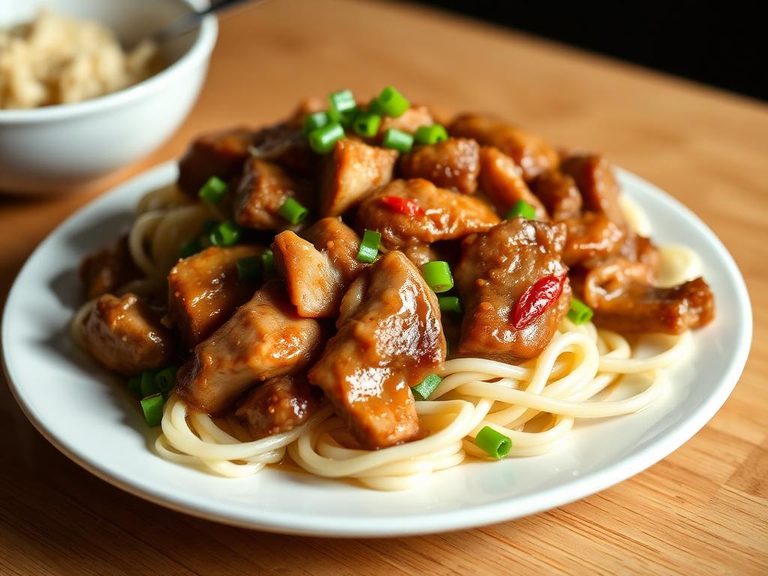
🍽️ Popular dishes
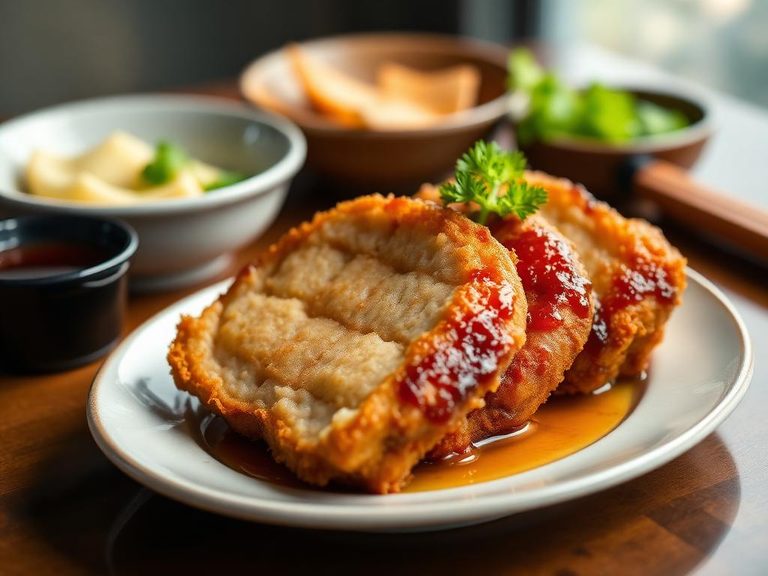
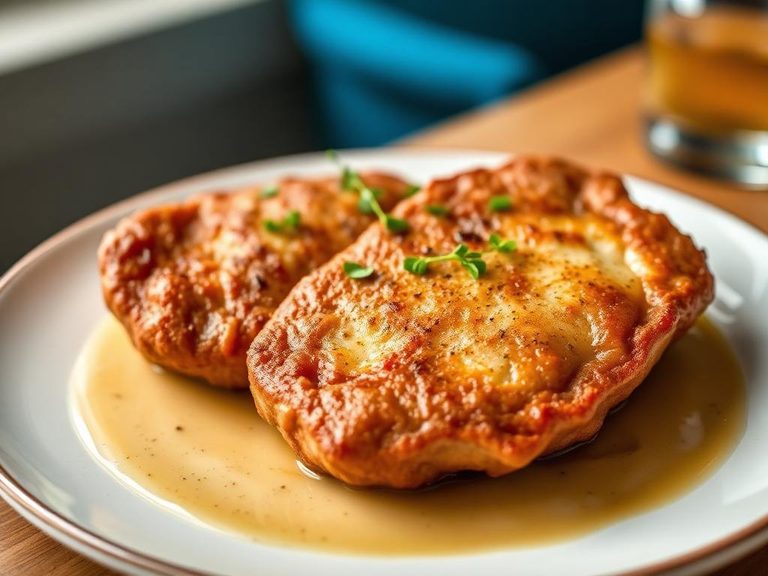
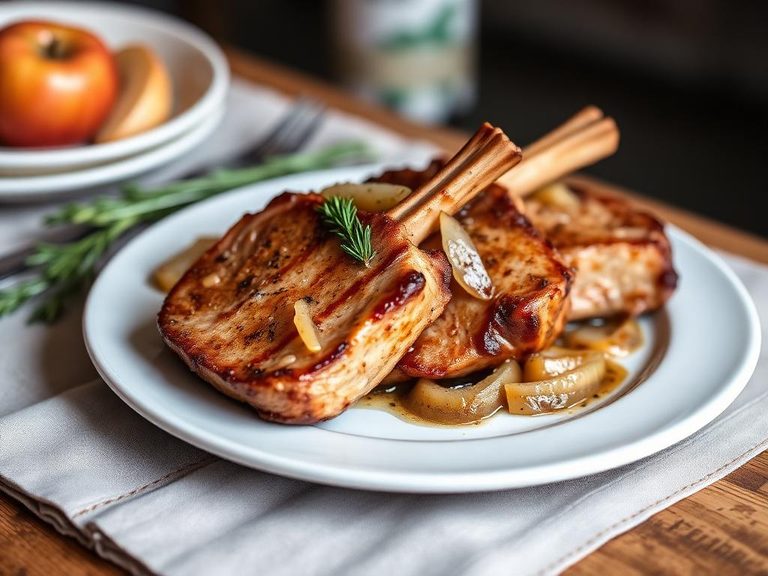

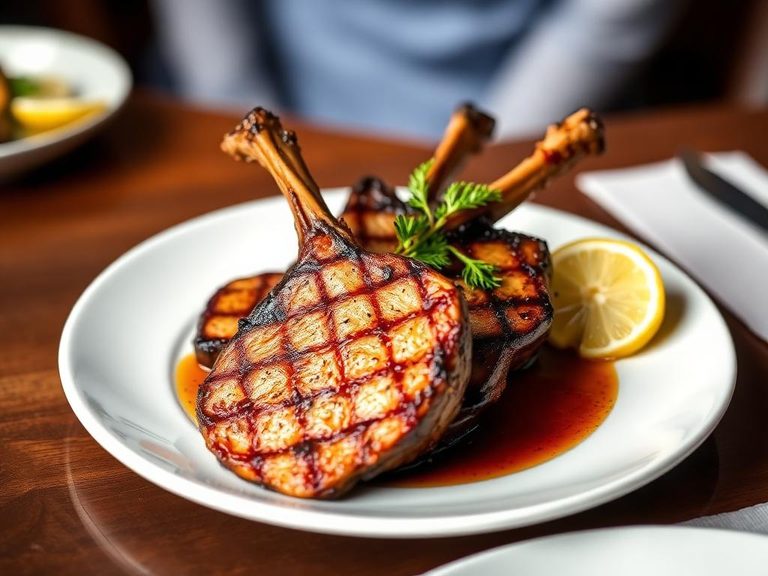
🌍 Where it's eaten
💡 Did you know?
The 'center loin' is the most tender and uniformly shaped part of the entire pork loin, making it the premium cut for chops and roasts.
Full nutrition (USDA data · scales with serving)
| Water | 69.7 g |
| Energy | 170 kcal |
| Energy | 711 kj |
| Protein | 20.7 g |
| Total lipid (fat) | 9.0 g |
| Ash | 0.96 g |
| Carbohydrate, by difference | 0.00 g |
| Fiber, total dietary | 0.00 g |
| Total Sugars | 0.00 g |
| Calcium, Ca | 19.0 mg |
| Iron, Fe | 0.63 mg |
| Magnesium, Mg | 25.0 mg |
| Phosphorus, P | 209 mg |
| Potassium, K | 343 mg |
| Sodium, Na | 55.0 mg |
| Zinc, Zn | 1.8 mg |
| Copper, Cu | 0.06 mg |
| Manganese, Mn | 0.01 mg |
| Selenium, Se | 33.8 ug |
| Vitamin C, total ascorbic acid | 0.00 mg |
| Thiamin | 0.48 mg |
| Riboflavin | 0.19 mg |
| Niacin | 6.6 mg |
| Pantothenic acid | 0.70 mg |
| Vitamin B-6 | 0.70 mg |
| Folate, total | 0.00 ug |
| Folic acid | 0.00 ug |
| Folate, food | 0.00 ug |
| Folate, DFE | 0.00 ug |
| Choline, total | 55.8 mg |
| Betaine | 3.0 mg |
| Vitamin B-12 | 0.53 ug |
| Vitamin B-12, added | 0.00 ug |
| Vitamin A, RAE | 2.0 ug |
| Retinol | 2.0 ug |
| Carotene, beta | 0.00 ug |
| Carotene, alpha | 0.00 ug |
| Cryptoxanthin, beta | 0.00 ug |
| Vitamin A, IU | 6.0 iu |
| Lycopene | 0.00 ug |
| Lutein + zeaxanthin | 0.00 ug |
| Vitamin E (alpha-tocopherol) | 0.12 mg |
| Vitamin E, added | 0.00 mg |
| Tocopherol, beta | 0.00 mg |
| Tocopherol, gamma | 0.00 mg |
| Tocopherol, delta | 0.00 mg |
| Tocotrienol, alpha | 0.00 mg |
| Tocotrienol, beta | 0.00 mg |
| Tocotrienol, gamma | 0.00 mg |
| Tocotrienol, delta | 0.00 mg |
| Vitamin D (D2 + D3), International Units | 21.0 iu |
| Vitamin D (D2 + D3) | 0.50 ug |
| Vitamin D3 (cholecalciferol) | 0.50 ug |
| Vitamin K (phylloquinone) | 0.00 ug |
| Vitamin K (Dihydrophylloquinone) | 0.00 ug |
| Alcohol, ethyl | 0.00 g |
| Caffeine | 0.00 mg |
| Theobromine | 0.00 mg |
Fat & fatty acid profile (per 100g)
| Fatty acids, total saturated | 3.0 g |
| SFA 4:0 | 0.00 g |
| SFA 6:0 | 0.00 g |
| SFA 8:0 | 0.00 g |
| SFA 10:0 | 0.01 g |
| SFA 12:0 | 0.00 g |
| SFA 14:0 | 0.11 g |
| SFA 15:0 | 0.00 g |
| SFA 16:0 | 1.8 g |
| SFA 17:0 | 0.03 g |
| SFA 18:0 | 1.00 g |
| SFA 20:0 | 0.01 g |
| SFA 22:0 | 0.00 g |
| Fatty acids, total monounsaturated | 3.5 g |
| MUFA 14:1 | 0.00 g |
| MUFA 15:1 | 0.00 g |
| MUFA 16:1 | 0.16 g |
| MUFA 17:1 | 0.00 g |
| MUFA 18:1 | 3.3 g |
| MUFA 18:1 c | 3.3 g |
| MUFA 20:1 | 0.06 g |
| MUFA 22:1 | 0.00 g |
| Fatty acids, total polyunsaturated | 1.2 g |
| PUFA 18:2 | 1.1 g |
| PUFA 18:2 n-6 c,c | 1.0 g |
| PUFA 18:3 | 0.05 g |
| PUFA 18:3 n-3 c,c,c (ALA) | 0.05 g |
| PUFA 18:3 n-6 c,c,c | 0.00 g |
| PUFA 18:4 | 0.00 g |
| PUFA 20:2 n-6 c,c | 0.04 g |
| PUFA 20:3 | 0.01 g |
| PUFA 20:4 | 0.05 g |
| PUFA 20:5 n-3 (EPA) | 0.00 g |
| PUFA 22:5 n-3 (DPA) | 0.00 g |
| PUFA 22:6 n-3 (DHA) | 0.00 g |
| Fatty acids, total trans | 0.09 g |
| Fatty acids, total trans-monoenoic | 0.06 g |
| TFA 18:1 t | 0.06 g |
| TFA 18:2 t,t | 0.03 g |
| Fatty acids, total trans-polyenoic | 0.02 g |
| Cholesterol | 69.0 mg |
Amino acid profile (per 100g)
| Tryptophan | 0.22 g |
| Threonine | 0.93 g |
| Isoleucine | 1.0 g |
| Leucine | 1.8 g |
| Lysine | 1.9 g |
| Methionine | 0.57 g |
| Cystine | 0.24 g |
| Phenylalanine | 0.87 g |
| Tyrosine | 0.79 g |
| Valine | 1.1 g |
| Arginine | 1.4 g |
| Histidine | 0.90 g |
| Alanine | 1.2 g |
| Aspartic acid | 2.0 g |
| Glutamic acid | 3.3 g |
| Glycine | 0.93 g |
| Proline | 0.84 g |
| Serine | 0.90 g |
| Hydroxyproline | 0.05 g |
FAQ
How is a bone-in chop different from a boneless chop?
The bone acts as an insulator during cooking, helping the meat cook more evenly and stay juicier. It also adds flavor to the surrounding meat and any pan sauces you make.
What's the best way to prevent it from drying out?
Brining (soaking in salt water) for 30-60 minutes before cooking is highly effective. Alternatively, marinate it, and always avoid overcooking by using a meat thermometer.
Is the fat on the chop healthy to eat?
The fat cap is flavorful and contains monounsaturated fats. It's fine to eat in moderation as part of a balanced diet, and trimming excess external fat before cooking can reduce overall saturated fat intake.
Nutrient density (calculated · NRF9.3)
Nutrient Rich Foods index: beneficial nutrients (protein, fiber, vitamins, minerals) minus saturated fat, added sugar & sodium, per 100 kcal.
NRF9.3 index — Fulgoni, Keast & Drewnowski, 2009. Computed from USDA nutrients.
Weight-loss friendliness (composite index)
Energy density 1.70 kcal/g · 49% calories from protein · 0.0 g fiber · 0.0 g sugar per 100 g.
Composite of energy density (Rolls et al., 1999), protein & fiber satiety, minus sugar. A calculated heuristic — ranks satiety-per-calorie, not a clinical measure.
Dietary load (calculated from USDA values)
Potential renal acid load. Positive = acid-forming, negative = alkaline-forming.
Sodium-to-potassium ratio: 0.16 (lower is better — aim for ≤ 1)
Sodium:potassium per WHO potassium guidance. Computed from USDA nutrients.