

Oil, corn and canola
Whole food · Fats and Oils
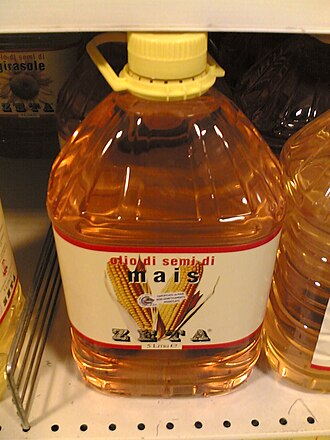
Photo: Wikipedia
A neutral, golden liquid blend prized for its clean, high-smoke-point performance in the kitchen. It offers a smooth, light texture with virtually no distinct flavor, allowing other ingredients to shine. Nutritionally, it is a concentrated source of energy, providing 100 grams of fat per 100 grams, primarily from heart-healthy unsaturated fats.
Calorie split: 0% protein · 0% carbs · 100% fat
↓ Full nutrition💚 Why it's loved
It is beloved for its culinary neutrality and reliability, acting as a blank canvas that doesn't compete with the flavors of herbs, spices, or main ingredients. Its ability to handle high heat without burning makes it a dependable workhorse for everything from stir-fries to baking.
⚠️ Watch-outs & how to enjoy it better
As a pure fat, it is extremely calorie-dense, which can contribute to weight gain if not portioned mindfully. Some refined versions may have a less favorable fatty acid profile than cold-pressed oils. To manage intake, use a measured spray or spoon for cooking, and balance meals with high-fiber vegetables and lean proteins to promote satiety.
Key benefits
- High in monounsaturated fats (from canola)
- Contains polyunsaturated fats, including omega-3 ALA
- Neutral flavor profile for versatile cooking
- High smoke point suitable for frying and sautéing
- Contains vitamin E (a natural antioxidant)
🍽️ Popular dishes
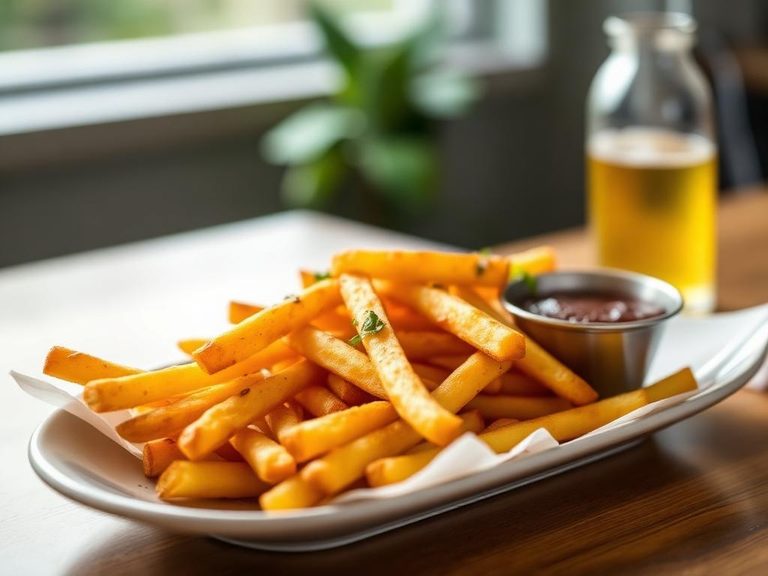
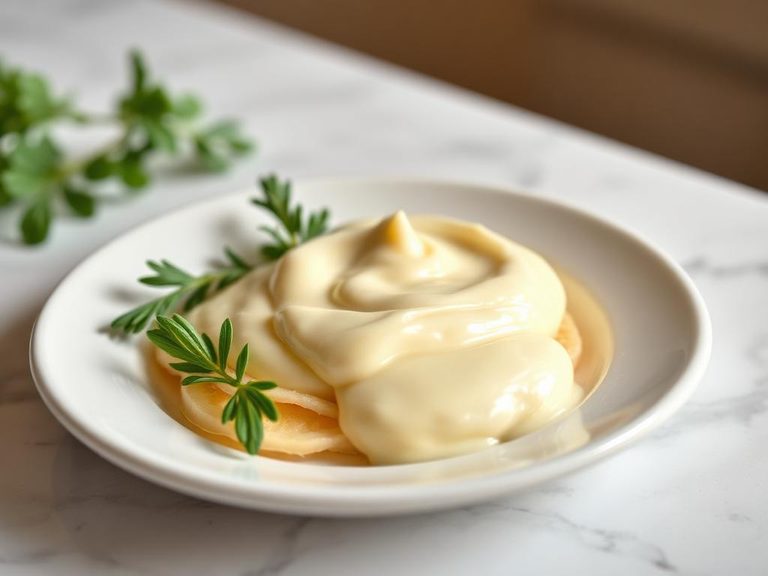


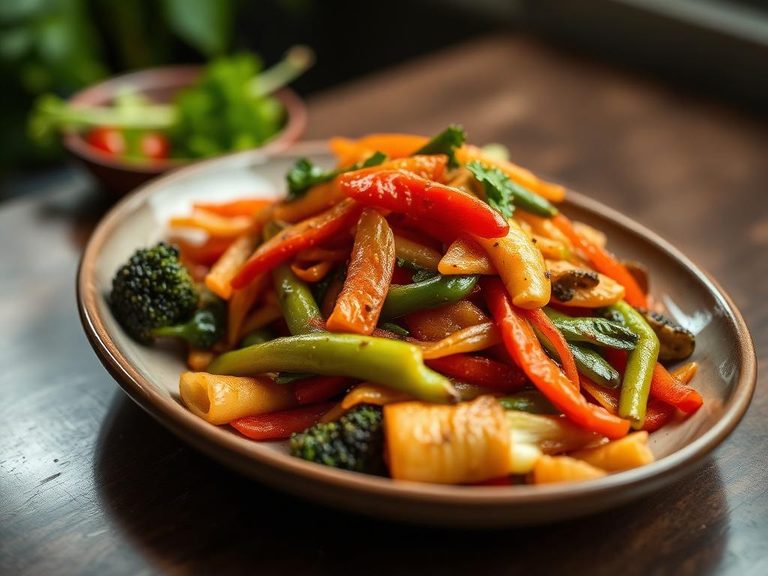
🌍 Where it's eaten
💡 Did you know?
The blend is often a strategic industry compromise: canola oil is added to corn oil to improve its nutritional profile by increasing heart-healthy monounsaturated fats and adding omega-3s.
Full nutrition (USDA data · scales with serving)
| Water | 0.00 g |
| Energy | 884 kcal |
| Energy | 3699 kj |
| Protein | 0.00 g |
| Total lipid (fat) | 100 g |
| Ash | 0.00 g |
| Carbohydrate, by difference | 0.00 g |
| Fiber, total dietary | 0.00 g |
| Total Sugars | 0.00 g |
| Calcium, Ca | 0.00 mg |
| Iron, Fe | 0.00 mg |
| Magnesium, Mg | 0.00 mg |
| Phosphorus, P | 0.00 mg |
| Potassium, K | 0.00 mg |
| Sodium, Na | 0.00 mg |
| Zinc, Zn | 0.00 mg |
| Copper, Cu | 0.00 mg |
| Selenium, Se | 0.00 ug |
| Vitamin C, total ascorbic acid | 0.00 mg |
| Thiamin | 0.00 mg |
| Riboflavin | 0.00 mg |
| Niacin | 0.00 mg |
| Vitamin B-6 | 0.00 mg |
| Folate, total | 0.00 ug |
| Folic acid | 0.00 ug |
| Folate, food | 0.00 ug |
| Folate, DFE | 0.00 ug |
| Choline, total | 0.20 mg |
| Betaine | 0.00 mg |
| Vitamin B-12 | 0.00 ug |
| Vitamin B-12, added | 0.00 ug |
| Vitamin A, RAE | 0.00 ug |
| Retinol | 0.00 ug |
| Carotene, beta | 0.00 ug |
| Carotene, alpha | 0.00 ug |
| Cryptoxanthin, beta | 0.00 ug |
| Vitamin A, IU | 0.00 iu |
| Lycopene | 0.00 ug |
| Lutein + zeaxanthin | 0.00 ug |
| Vitamin E (alpha-tocopherol) | 14.8 mg |
| Vitamin E, added | 0.00 mg |
| Tocopherol, beta | 0.00 mg |
| Tocopherol, gamma | 35.4 mg |
| Tocopherol, delta | 1.3 mg |
| Tocotrienol, alpha | 0.00 mg |
| Tocotrienol, beta | 0.00 mg |
| Tocotrienol, gamma | 0.13 mg |
| Tocotrienol, delta | 0.00 mg |
| Vitamin D (D2 + D3), International Units | 0.00 iu |
| Vitamin D (D2 + D3) | 0.00 ug |
| Vitamin K (phylloquinone) | 42.2 ug |
| Vitamin K (Dihydrophylloquinone) | 0.00 ug |
| Vitamin K (Menaquinone-4) | 0.00 ug |
| Alcohol, ethyl | 0.00 g |
| Caffeine | 0.00 mg |
| Theobromine | 0.00 mg |
Fat & fatty acid profile (per 100g)
| Fatty acids, total saturated | 8.0 g |
| SFA 4:0 | 0.00 g |
| SFA 6:0 | 0.00 g |
| SFA 8:0 | 0.00 g |
| SFA 10:0 | 0.00 g |
| SFA 12:0 | 0.00 g |
| SFA 14:0 | 0.00 g |
| SFA 15:0 | 0.00 g |
| SFA 16:0 | 5.1 g |
| SFA 17:0 | 0.00 g |
| SFA 18:0 | 2.0 g |
| SFA 20:0 | 0.61 g |
| SFA 22:0 | 0.31 g |
| Fatty acids, total monounsaturated | 58.5 g |
| MUFA 14:1 | 0.00 g |
| MUFA 15:1 | 0.00 g |
| MUFA 16:1 | 0.19 g |
| MUFA 17:1 | 0.00 g |
| MUFA 18:1 | 57.1 g |
| MUFA 18:1 c | 57.1 g |
| MUFA 20:1 | 1.2 g |
| MUFA 22:1 | 0.00 g |
| Fatty acids, total polyunsaturated | 29.1 g |
| PUFA 18:2 | 23.3 g |
| PUFA 18:2 n-6 c,c | 23.0 g |
| PUFA 18:3 | 5.8 g |
| PUFA 18:3 n-3 c,c,c (ALA) | 5.8 g |
| PUFA 18:3 n-6 c,c,c | 0.00 g |
| PUFA 18:4 | 0.00 g |
| PUFA 20:2 n-6 c,c | 0.00 g |
| PUFA 20:3 | 0.00 g |
| PUFA 20:4 | 0.00 g |
| PUFA 20:5 n-3 (EPA) | 0.00 g |
| PUFA 22:5 n-3 (DPA) | 0.00 g |
| PUFA 22:6 n-3 (DHA) | 0.00 g |
| Fatty acids, total trans | 0.33 g |
| Fatty acids, total trans-monoenoic | 0.00 g |
| TFA 18:1 t | 0.00 g |
| TFA 18:2 t,t | 0.33 g |
| Fatty acids, total trans-polyenoic | 0.33 g |
| Cholesterol | 0.00 mg |
| Stigmasterol | 9.0 mg |
| Campesterol | 233 mg |
| Beta-sitosterol | 419 mg |
Amino acid profile (per 100g)
Estimated from Oil, safflower, salad or cooking, high oleic (primary safflower oil of commerce) — USDA does not publish this profile for Oil.
| Tryptophan | 0.00 g |
| Threonine | 0.00 g |
| Isoleucine | 0.00 g |
| Leucine | 0.00 g |
| Lysine | 0.00 g |
| Methionine | 0.00 g |
| Cystine | 0.00 g |
| Phenylalanine | 0.00 g |
| Tyrosine | 0.00 g |
| Valine | 0.00 g |
| Arginine | 0.00 g |
| Histidine | 0.00 g |
| Alanine | 0.00 g |
| Aspartic acid | 0.00 g |
| Glutamic acid | 0.00 g |
| Glycine | 0.00 g |
| Proline | 0.00 g |
| Serine | 0.00 g |
FAQ
What does 'high smoke point' mean for this oil blend?
It means the oil can be heated to a relatively high temperature (around 400-450°F / 204-232°C) before it starts to break down and smoke. This makes it ideal for high-heat cooking methods like frying, searing, and stir-frying.
Is this blend healthier than using just corn oil or just canola oil?
It's a trade-off. The blend aims to balance the fatty acid profiles: canola adds more monounsaturated fat and omega-3s, while corn oil provides a familiar neutral taste and stability. The 'healthiest' choice depends on your specific dietary goals.
Can I use this for baking?
Absolutely. Its neutral flavor and liquid state make it an excellent substitute for butter or other oils in many baking recipes, often resulting in a moist, tender crumb. It's a common ingredient in commercial baked goods.
Nutrient density (calculated · NRF9.3)
Nutrient Rich Foods index: beneficial nutrients (protein, fiber, vitamins, minerals) minus saturated fat, added sugar & sodium, per 100 kcal.
NRF9.3 index — Fulgoni, Keast & Drewnowski, 2009. Computed from USDA nutrients.
Weight-loss friendliness (composite index)
Energy density 8.84 kcal/g · 0% calories from protein · 0.0 g fiber · 0.0 g sugar per 100 g.
Composite of energy density (Rolls et al., 1999), protein & fiber satiety, minus sugar. A calculated heuristic — ranks satiety-per-calorie, not a clinical measure.
Dietary load (calculated from USDA values)
Potential renal acid load. Positive = acid-forming, negative = alkaline-forming.
Sodium:potassium per WHO potassium guidance. Computed from USDA nutrients.