

Egg, yolk, raw, frozen, pasteurized
Whole food · Dairy and Egg Products

Photo: Wikipedia
This is a liquid-gold concentrate of nutrition: pasteurized, frozen egg yolks that have been separated from the whites for convenience and food safety. They offer a rich, velvety texture and a deep, savory flavor that forms the backbone of countless sauces and custards. Nutritionally, they are a powerhouse of healthy fats and high-quality protein, with virtually no carbohydrates.
Calorie split: 21% protein · 1% carbs · 78% fat
↓ Full nutrition💚 Why it's loved
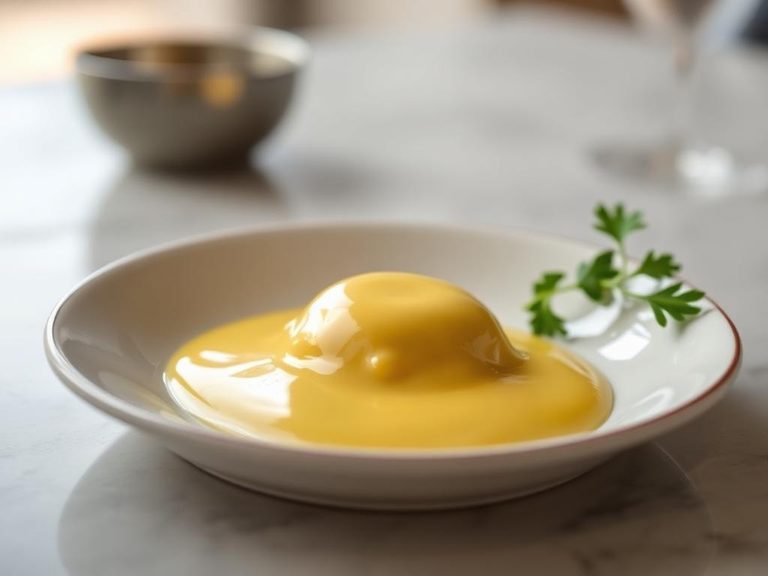
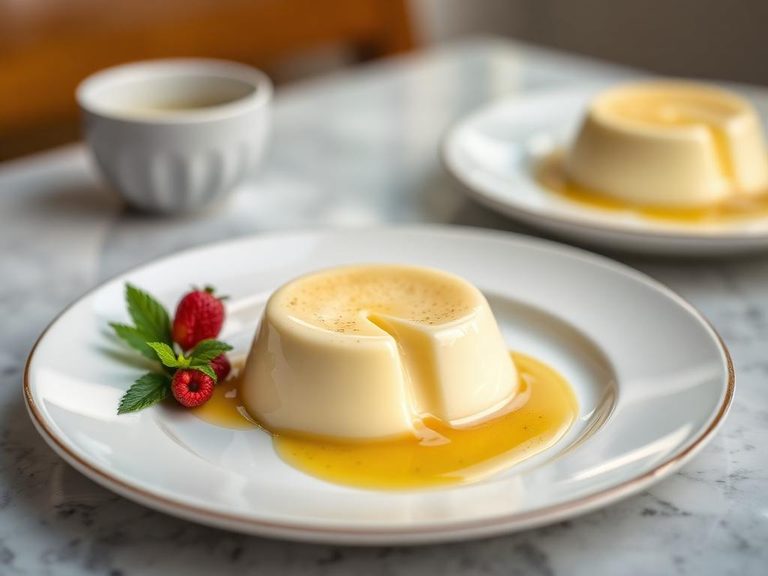
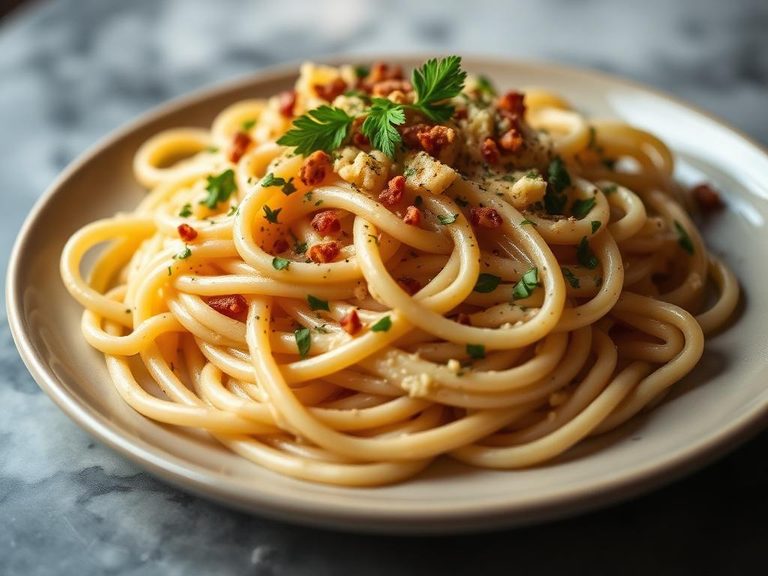
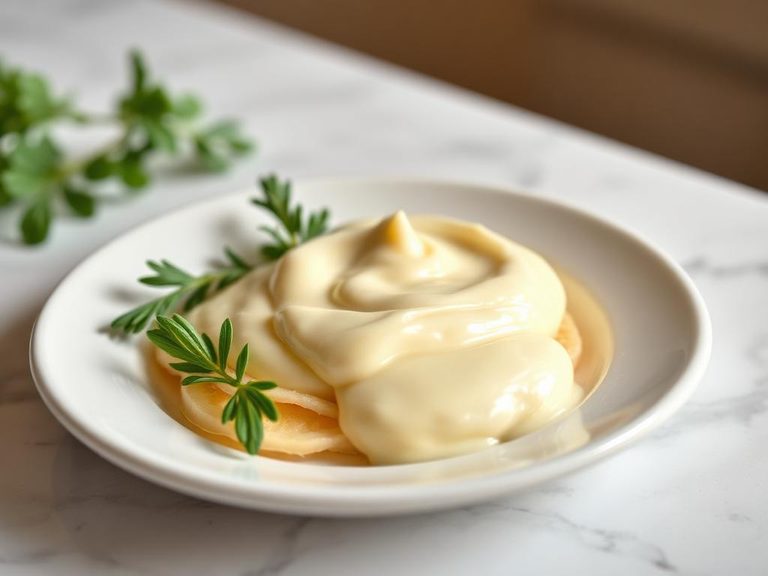
Chefs and home cooks adore them for their unparalleled ability to enrich, emulsify, and thicken dishes, from silky hollandaise to decadent ice cream. Their deep, savory flavor and luxurious mouthfeel are the secret behind many classic comfort foods.
⚠️ Watch-outs & how to enjoy it better
As a concentrated source of fat and cholesterol, they should be consumed in moderation by those managing heart health or specific dietary restrictions. They are also a common food allergen. To enjoy them healthily, pair a small portion with fiber-rich vegetables or whole grains, and use them as a flavor booster rather than the main event.
Key benefits
- Excellent source of choline, vital for brain health
- Rich in fat-soluble vitamins A, D, E, and K
- Provides high-quality, complete protein
- Contains lutein and zeaxanthin for eye health
- Offers a concentrated source of healthy fats
🍽️ Popular dishes


🌍 Where it's eaten
💡 Did you know?
A single egg yolk contains about 200mg of choline, which is over a third of the recommended daily intake for adults, making it one of the most concentrated dietary sources of this essential nutrient.
Full nutrition (USDA data · scales with serving)
| Water | 56.4 g |
| Energy | 296 kcal |
| Energy | 1238 kj |
| Protein | 15.5 g |
| Total lipid (fat) | 25.6 g |
| Ash | 1.6 g |
| Carbohydrate, by difference | 0.81 g |
| Fiber, total dietary | 0.00 g |
| Total Sugars | 0.16 g |
| Sucrose | 0.00 g |
| Glucose | 0.16 g |
| Fructose | 0.00 g |
| Lactose | 0.00 g |
| Maltose | 0.00 g |
| Galactose | 0.00 g |
| Calcium, Ca | 134 mg |
| Iron, Fe | 4.5 mg |
| Magnesium, Mg | 11.0 mg |
| Phosphorus, P | 420 mg |
| Potassium, K | 121 mg |
| Sodium, Na | 67.0 mg |
| Zinc, Zn | 3.2 mg |
| Copper, Cu | 0.00 mg |
| Manganese, Mn | 0.08 mg |
| Selenium, Se | 56.4 ug |
| Vitamin C, total ascorbic acid | 0.00 mg |
| Thiamin | 0.22 mg |
| Riboflavin | 0.56 mg |
| Niacin | 0.03 mg |
| Pantothenic acid | 3.4 mg |
| Vitamin B-6 | 0.41 mg |
| Folate, total | 151 ug |
| Folic acid | 0.00 ug |
| Folate, food | 151 ug |
| Folate, DFE | 151 ug |
| Choline, total | 639 mg |
| Vitamin B-12 | 1.9 ug |
| Vitamin B-12, added | 0.00 ug |
| Vitamin A, RAE | 422 ug |
| Retinol | 419 ug |
| Carotene, beta | 10.0 ug |
| Carotene, alpha | 36.0 ug |
| Cryptoxanthin, beta | 32.0 ug |
| Vitamin A, IU | 1469 iu |
| Lycopene | 0.00 ug |
| Lutein + zeaxanthin | 904 ug |
| Vitamin E (alpha-tocopherol) | 2.2 mg |
| Vitamin E, added | 0.00 mg |
| Vitamin D (D2 + D3), International Units | 238 iu |
| Vitamin D (D2 + D3) | 6.0 ug |
| Vitamin D2 (ergocalciferol) | 0.00 ug |
| Vitamin D3 (cholecalciferol) | 6.0 ug |
| Vitamin K (phylloquinone) | 0.70 ug |
| Alcohol, ethyl | 0.00 g |
| Caffeine | 0.00 mg |
| Theobromine | 0.00 mg |
Fat & fatty acid profile (per 100g)
| Fatty acids, total saturated | 8.6 g |
| SFA 4:0 | 0.00 g |
| SFA 6:0 | 0.00 g |
| SFA 8:0 | 0.00 g |
| SFA 10:0 | 0.00 g |
| SFA 12:0 | 0.00 g |
| SFA 14:0 | 0.08 g |
| SFA 15:0 | 0.02 g |
| SFA 16:0 | 6.2 g |
| SFA 17:0 | 0.05 g |
| SFA 18:0 | 2.2 g |
| SFA 20:0 | 0.00 g |
| SFA 22:0 | 0.00 g |
| SFA 24:0 | 0.00 g |
| Fatty acids, total monounsaturated | 10.0 g |
| MUFA 14:1 | 0.02 g |
| MUFA 15:1 | 0.00 g |
| MUFA 16:1 | 0.55 g |
| MUFA 17:1 | 0.00 g |
| MUFA 18:1 | 9.3 g |
| MUFA 18:1 c | 9.3 g |
| MUFA 20:1 | 0.06 g |
| MUFA 22:1 | 0.00 g |
| Fatty acids, total polyunsaturated | 4.8 g |
| PUFA 18:2 | 4.0 g |
| PUFA 18:2 n-6 c,c | 4.0 g |
| PUFA 18:3 | 0.12 g |
| PUFA 18:3 n-3 c,c,c (ALA) | 0.09 g |
| PUFA 18:3 n-6 c,c,c | 0.03 g |
| PUFA 18:3i | 0.00 g |
| PUFA 18:4 | 0.00 g |
| PUFA 20:2 n-6 c,c | 0.05 g |
| PUFA 20:3 | 0.00 g |
| PUFA 20:4 | 0.49 g |
| PUFA 20:5 n-3 (EPA) | 0.00 g |
| PUFA 22:5 n-3 (DPA) | 0.02 g |
| PUFA 22:6 n-3 (DHA) | 0.14 g |
| Fatty acids, total trans | 0.10 g |
| Fatty acids, total trans-monoenoic | 0.07 g |
| TFA 18:1 t | 0.07 g |
| TFA 18:2 t,t | 0.03 g |
| Fatty acids, total trans-polyenoic | 0.03 g |
| Cholesterol | 991 mg |
Amino acid profile (per 100g)
| Tryptophan | 0.22 g |
| Threonine | 0.71 g |
| Isoleucine | 0.78 g |
| Leucine | 1.4 g |
| Lysine | 1.2 g |
| Methionine | 0.38 g |
| Cystine | 0.27 g |
| Phenylalanine | 0.69 g |
| Tyrosine | 0.68 g |
| Valine | 0.91 g |
| Arginine | 1.1 g |
| Histidine | 0.40 g |
| Alanine | 0.81 g |
| Aspartic acid | 1.5 g |
| Glutamic acid | 1.9 g |
| Glycine | 0.48 g |
| Proline | 0.61 g |
| Serine | 1.3 g |
FAQ
Why use frozen pasteurized yolks instead of fresh?
They offer convenience, consistent sizing, and a longer shelf life. Pasteurization also ensures they are safe to consume in preparations that don't involve cooking, like some salad dressings or mousses.
How do I thaw frozen egg yolks properly?
For best results, thaw them overnight in the refrigerator. For a quicker method, place the sealed container in a bowl of cold water, changing the water every 30 minutes. Never thaw at room temperature.
Can I use them as a direct substitute for fresh yolks in recipes?
Generally, yes, in a 1:1 ratio by weight or volume. However, because freezing can slightly alter their gelling properties, they may not thicken a custard quite as firmly. It's best in sauces, ice creams, and baked goods.
Nutrient density (calculated · NRF9.3)
Nutrient Rich Foods index: beneficial nutrients (protein, fiber, vitamins, minerals) minus saturated fat, added sugar & sodium, per 100 kcal.
NRF9.3 index — Fulgoni, Keast & Drewnowski, 2009. Computed from USDA nutrients.
Weight-loss friendliness (composite index)
Energy density 2.96 kcal/g · 21% calories from protein · 0.0 g fiber · 0.2 g sugar per 100 g.
Composite of energy density (Rolls et al., 1999), protein & fiber satiety, minus sugar. A calculated heuristic — ranks satiety-per-calorie, not a clinical measure.
Dietary load (calculated from USDA values)
Potential renal acid load. Positive = acid-forming, negative = alkaline-forming.
Sodium-to-potassium ratio: 0.55 (lower is better — aim for ≤ 1)
Sodium:potassium per WHO potassium guidance. Computed from USDA nutrients.