

Egg, yolk, dried
Whole food · Dairy and Egg Products

Photo: Wikipedia
Dried egg yolk is a shelf-stable, intensely rich powder or granule made by dehydrating egg yolks, concentrating their deep golden color and savory, umami-rich flavor. Its texture is fine and slightly crumbly, dissolving easily into liquids or batters. Nutritionally, it is a powerhouse of concentrated fat and protein, with virtually no carbohydrates.
Calorie split: 20% protein · 0% carbs · 80% fat
↓ Full nutrition💚 Why it's loved
People love it for its ability to add unparalleled richness, color, and a subtle, savory depth to everything from baked goods to sauces. It's a prized ingredient for its convenience and its role in creating luxurious textures in both sweet and savory cuisines.
⚠️ Watch-outs & how to enjoy it better
Its high fat and cholesterol content means it should be consumed in moderation, especially by those managing heart health. The concentrated nature can also make it easy to over-consume calories. To counteract this, use it as a flavor enhancer in small amounts (e.g., a teaspoon in a sauce) rather than a main ingredient, and pair it with fiber-rich vegetables or whole grains to balance the meal.
Key benefits
- Extremely long shelf life without refrigeration.
- Highly concentrated source of fat-soluble vitamins (A, D, E, K).
- Provides a rich, creamy mouthfeel and emulsifying properties.
- Excellent source of high-quality protein and choline.
- Adds intense umami and color to dishes.
🍽️ Popular dishes
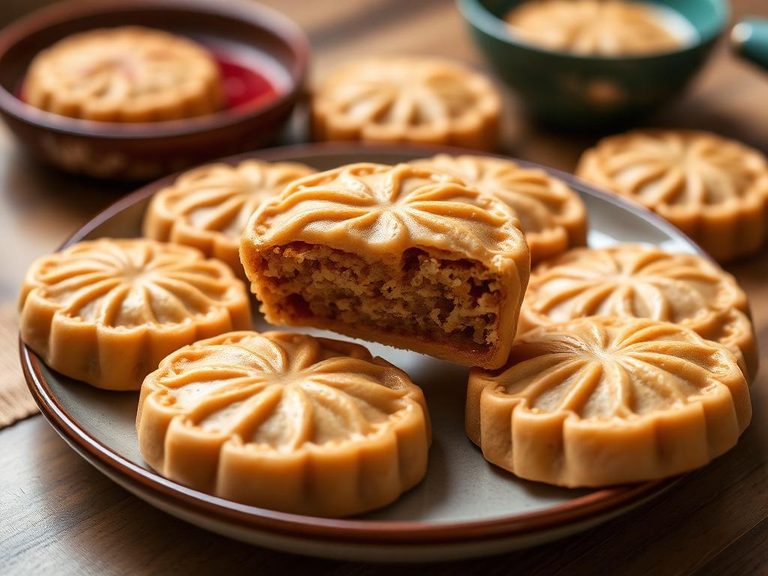
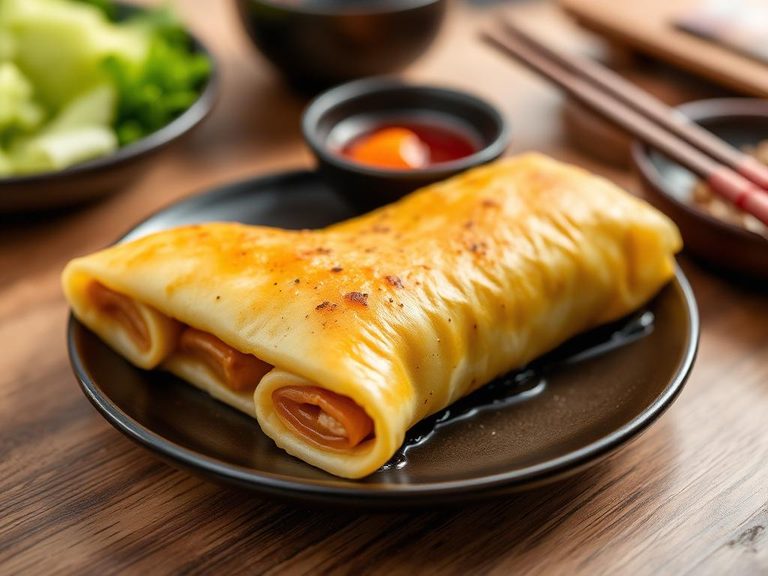
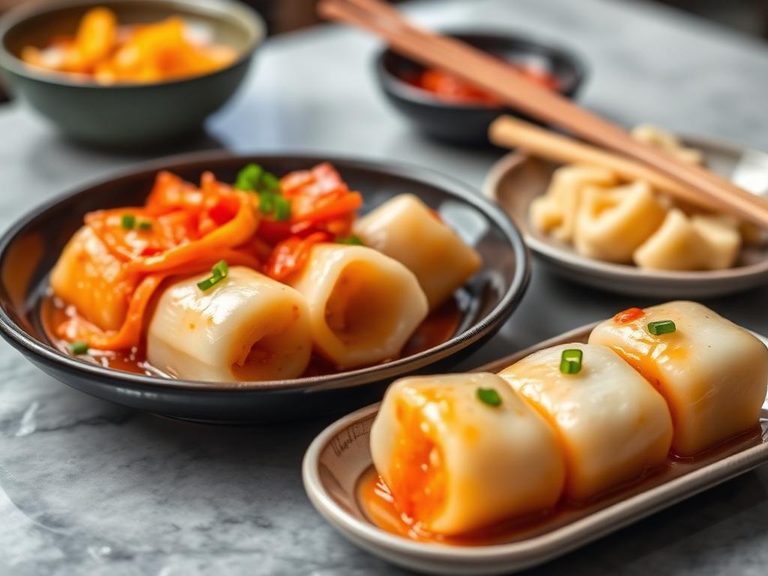
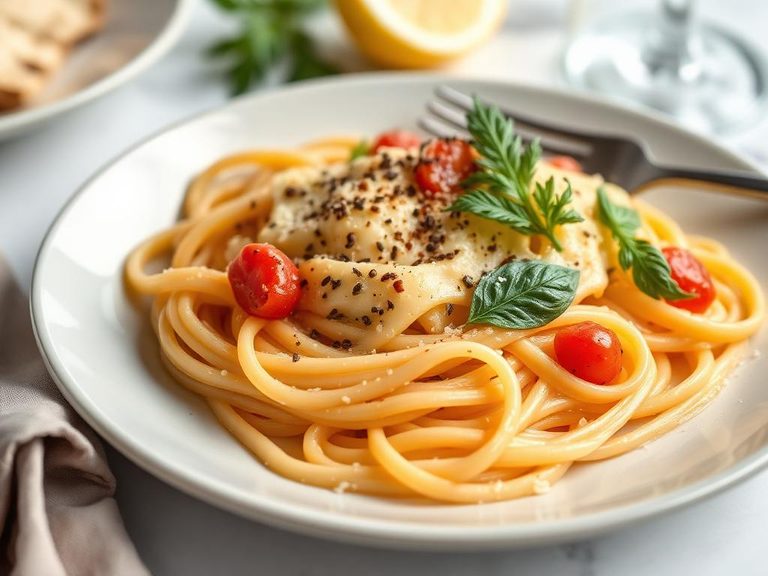

🌍 Where it's eaten
💡 Did you know?
Dried egg yolk was a critical, non-perishable protein source for soldiers during World War II, often packed in tins for long-term field rations.
Full nutrition (USDA data · scales with serving)
| Water | 3.1 g |
| Energy | 669 kcal |
| Energy | 2800 kj |
| Protein | 33.6 g |
| Total lipid (fat) | 59.1 g |
| Ash | 3.5 g |
| Carbohydrate, by difference | 0.66 g |
| Fiber, total dietary | 0.00 g |
| Total Sugars | 0.23 g |
| Sucrose | 0.00 g |
| Glucose | 0.23 g |
| Fructose | 0.00 g |
| Lactose | 0.00 g |
| Maltose | 0.00 g |
| Galactose | 0.00 g |
| Calcium, Ca | 289 mg |
| Iron, Fe | 9.6 mg |
| Magnesium, Mg | 26.0 mg |
| Phosphorus, P | 1040 mg |
| Potassium, K | 264 mg |
| Sodium, Na | 149 mg |
| Zinc, Zn | 7.7 mg |
| Copper, Cu | 0.00 mg |
| Manganese, Mn | 0.18 mg |
| Selenium, Se | 139 ug |
| Vitamin C, total ascorbic acid | 0.00 mg |
| Thiamin | 0.39 mg |
| Riboflavin | 1.3 mg |
| Niacin | 0.08 mg |
| Pantothenic acid | 9.1 mg |
| Vitamin B-6 | 0.74 mg |
| Folate, total | 209 ug |
| Folic acid | 0.00 ug |
| Folate, food | 209 ug |
| Folate, DFE | 209 ug |
| Choline, total | 2403 mg |
| Vitamin B-12 | 5.1 ug |
| Vitamin B-12, added | 0.00 ug |
| Vitamin A, RAE | 483 ug |
| Retinol | 477 ug |
| Carotene, beta | 0.00 ug |
| Carotene, alpha | 79.0 ug |
| Cryptoxanthin, beta | 70.0 ug |
| Vitamin A, IU | 1715 iu |
| Lycopene | 0.00 ug |
| Lutein + zeaxanthin | 1133 ug |
| Vitamin E (alpha-tocopherol) | 4.8 mg |
| Vitamin E, added | 0.00 mg |
| Vitamin D (D2 + D3), International Units | 417 iu |
| Vitamin D (D2 + D3) | 10.4 ug |
| Vitamin D2 (ergocalciferol) | 0.00 ug |
| Vitamin D3 (cholecalciferol) | 10.4 ug |
| Vitamin K (phylloquinone) | 1.5 ug |
| Alcohol, ethyl | 0.00 g |
| Caffeine | 0.00 mg |
| Theobromine | 0.00 mg |
Fat & fatty acid profile (per 100g)
| Fatty acids, total saturated | 20.3 g |
| SFA 4:0 | 0.00 g |
| SFA 6:0 | 0.00 g |
| SFA 8:0 | 0.00 g |
| SFA 10:0 | 0.00 g |
| SFA 12:0 | 0.00 g |
| SFA 14:0 | 0.20 g |
| SFA 15:0 | 0.04 g |
| SFA 16:0 | 14.8 g |
| SFA 17:0 | 0.12 g |
| SFA 18:0 | 5.2 g |
| SFA 20:0 | 0.00 g |
| SFA 22:0 | 0.03 g |
| SFA 24:0 | 0.00 g |
| Fatty acids, total monounsaturated | 23.4 g |
| MUFA 14:1 | 0.03 g |
| MUFA 15:1 | 0.00 g |
| MUFA 16:1 | 1.3 g |
| MUFA 17:1 | 0.00 g |
| MUFA 18:1 | 21.9 g |
| MUFA 18:1 c | 21.6 g |
| MUFA 20:1 | 0.14 g |
| MUFA 22:1 | 0.00 g |
| Fatty acids, total polyunsaturated | 10.3 g |
| PUFA 18:2 | 8.7 g |
| PUFA 18:2 n-6 c,c | 8.6 g |
| PUFA 18:3 | 0.28 g |
| PUFA 18:3 n-3 c,c,c (ALA) | 0.18 g |
| PUFA 18:3 n-6 c,c,c | 0.07 g |
| PUFA 18:3i | 0.03 g |
| PUFA 18:4 | 0.00 g |
| PUFA 20:2 n-6 c,c | 0.11 g |
| PUFA 20:3 | 0.00 g |
| PUFA 20:4 | 0.98 g |
| PUFA 20:5 n-3 (EPA) | 0.00 g |
| PUFA 22:5 n-3 (DPA) | 0.03 g |
| PUFA 22:6 n-3 (DHA) | 0.25 g |
| Fatty acids, total trans | 0.35 g |
| Fatty acids, total trans-monoenoic | 0.24 g |
| TFA 18:1 t | 0.24 g |
| TFA 18:2 t,t | 0.08 g |
| Fatty acids, total trans-polyenoic | 0.10 g |
| Cholesterol | 2307 mg |
Amino acid profile (per 100g)
| Tryptophan | 0.39 g |
| Threonine | 1.5 g |
| Isoleucine | 1.7 g |
| Leucine | 2.9 g |
| Lysine | 2.5 g |
| Methionine | 0.86 g |
| Cystine | 0.59 g |
| Phenylalanine | 1.5 g |
| Tyrosine | 1.4 g |
| Valine | 1.9 g |
| Arginine | 2.3 g |
| Histidine | 0.86 g |
| Alanine | 1.8 g |
| Aspartic acid | 3.3 g |
| Glutamic acid | 4.3 g |
| Glycine | 1.0 g |
| Proline | 1.3 g |
| Serine | 2.8 g |
FAQ
How is dried egg yolk different from whole egg powder?
Dried egg yolk is made from just the yolk, making it much higher in fat and richer in flavor, while whole egg powder includes both yolk and white, resulting in a more balanced protein-to-fat ratio and a lighter color.
Can I use dried egg yolk as a substitute for fresh yolks in baking?
Yes, but you must rehydrate it. A common ratio is 1 tablespoon of dried yolk to 1 tablespoon of water, mixed to a smooth paste, which replaces one fresh yolk. It adds richness but may slightly alter the texture.
Is dried egg yolk safe for people with egg allergies?
No. It is a concentrated form of egg and contains the same allergenic proteins. Anyone with an egg allergy must avoid it completely.
Nutrient density (calculated · NRF9.3)
Nutrient Rich Foods index: beneficial nutrients (protein, fiber, vitamins, minerals) minus saturated fat, added sugar & sodium, per 100 kcal.
NRF9.3 index — Fulgoni, Keast & Drewnowski, 2009. Computed from USDA nutrients.
Weight-loss friendliness (composite index)
Energy density 6.69 kcal/g · 20% calories from protein · 0.0 g fiber · 0.2 g sugar per 100 g.
Composite of energy density (Rolls et al., 1999), protein & fiber satiety, minus sugar. A calculated heuristic — ranks satiety-per-calorie, not a clinical measure.
Dietary load (calculated from USDA values)
Potential renal acid load. Positive = acid-forming, negative = alkaline-forming.
Sodium-to-potassium ratio: 0.56 (lower is better — aim for ≤ 1)
Sodium:potassium per WHO potassium guidance. Computed from USDA nutrients.