

Chicken, skin (drumsticks and thighs), with added solution, cooked, braised
Whole food · Poultry Products
This is the rich, succulent skin from chicken drumsticks and thighs, braised in a savory solution until the fat has rendered into a gelatinous, deeply flavorful coating. The texture is a luxurious mix of silky, melt-in-your-mouth fat and tender, slightly chewy skin, carrying the concentrated essence of the braising liquid. Nutritionally, it's a dense source of energy and fat, with a modest protein contribution from the skin itself.
Calorie split: 12% protein · 1% carbs · 87% fat
↓ Full nutrition💚 Why it's loved
People adore it for its unctuous, savory flavor and the luxurious mouthfeel it adds to any dish. It's the prized, flavor-packed component in many comfort foods, celebrated for its ability to transform simple braises and stews.
⚠️ Watch-outs & how to enjoy it better
The high fat and calorie density can be a concern for those managing weight or cardiovascular health. The braising solution may add significant sodium, which is a consideration for those monitoring blood pressure. To counteract, practice strict portion control, use it as a flavor enhancer rather than a main component, and pair it with large portions of non-starchy vegetables and lean protein to create a balanced meal.
Key benefits
- Excellent source of dietary fat for energy and satiety.
- Contains collagen and gelatin from slow cooking, which can support joint and skin health.
- Rich in fat-soluble vitamins like Vitamin A and K2.
- Provides a concentrated source of flavor, enhancing dishes without added sauces.
- Can be a useful calorie-dense food for those needing to increase energy intake.
🍽️ Popular dishes
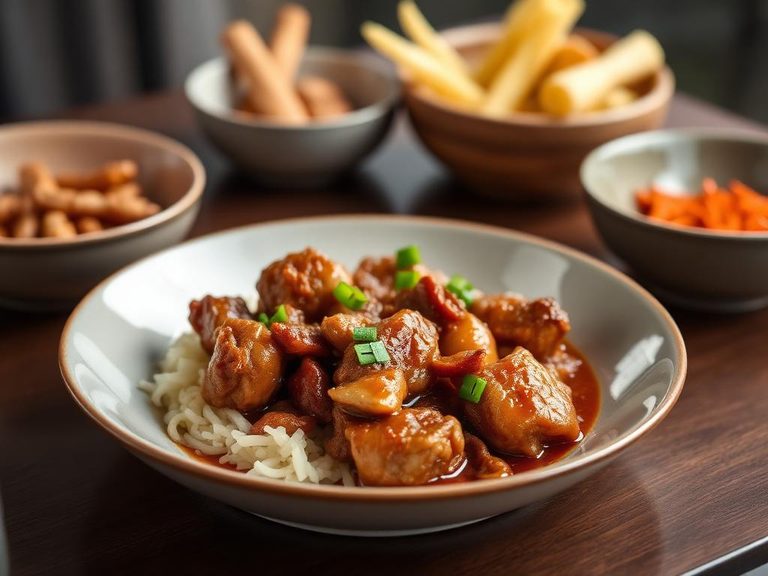
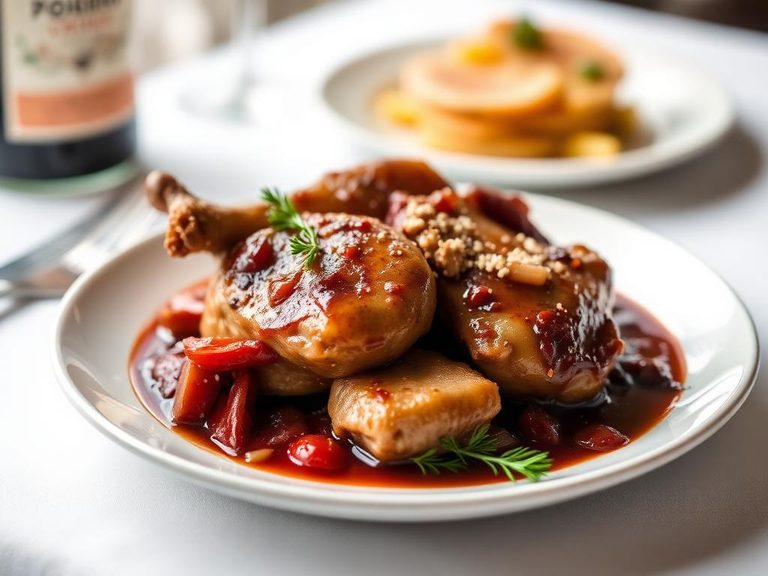
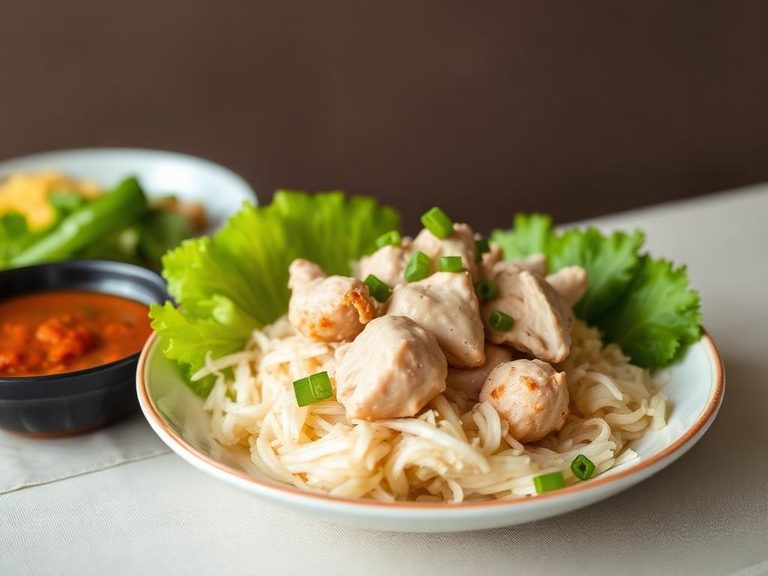
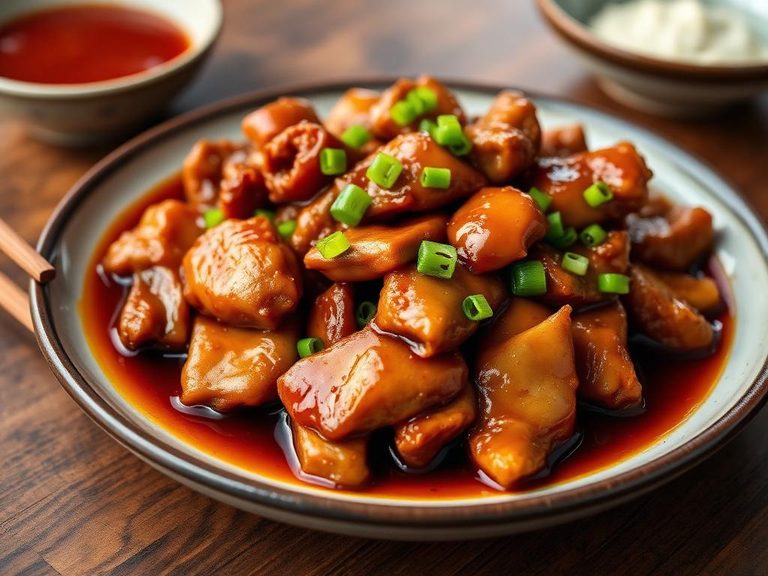
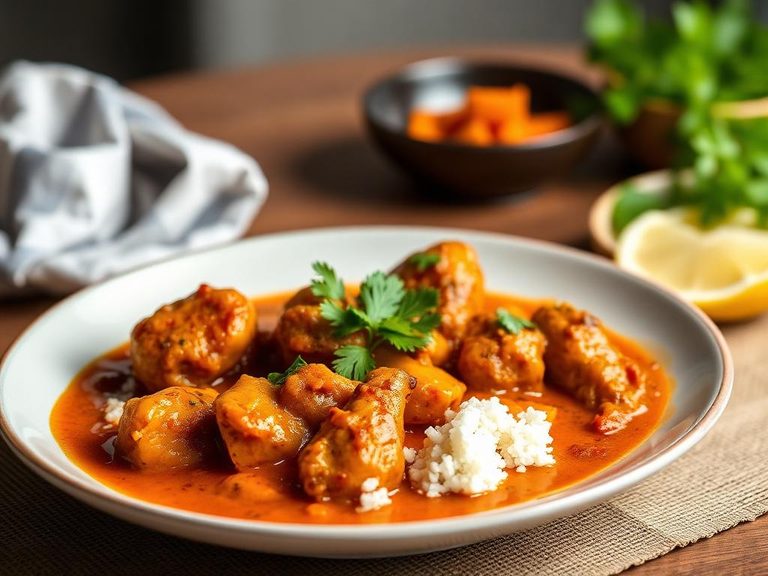
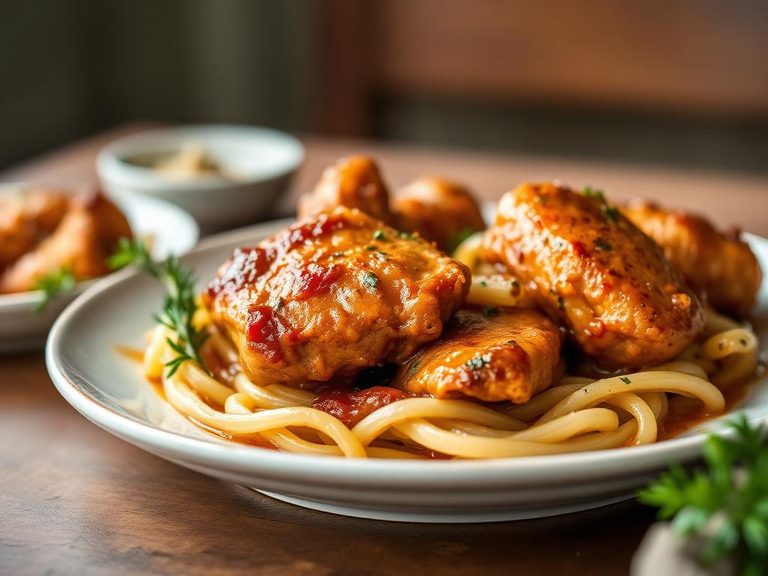
🌍 Where it's eaten
💡 Did you know?
The 'added solution' often refers to a brine or marinade injected to enhance moisture and flavor, meaning the final cooked weight can be higher than the raw weight due to water absorption.
Full nutrition (USDA data · scales with serving)
| Water | 47.0 g |
| Energy | 403 kcal |
| Energy | 1688 kj |
| Protein | 12.3 g |
| Total lipid (fat) | 38.9 g |
| Ash | 0.84 g |
| Carbohydrate, by difference | 1.0 g |
| Fiber, total dietary | 0.00 g |
| Total Sugars | 0.00 g |
| Calcium, Ca | 14.0 mg |
| Iron, Fe | 0.65 mg |
| Magnesium, Mg | 12.0 mg |
| Phosphorus, P | 112 mg |
| Potassium, K | 146 mg |
| Sodium, Na | 139 mg |
| Zinc, Zn | 0.63 mg |
| Copper, Cu | 0.03 mg |
| Manganese, Mn | 0.02 mg |
| Selenium, Se | 15.6 ug |
| Vitamin C, total ascorbic acid | 0.00 mg |
| Thiamin | 0.05 mg |
| Riboflavin | 0.04 mg |
| Niacin | 3.3 mg |
| Vitamin B-6 | 0.14 mg |
| Folate, total | 2.0 ug |
| Folic acid | 0.00 ug |
| Folate, food | 2.0 ug |
| Folate, DFE | 2.0 ug |
| Choline, total | 36.2 mg |
| Betaine | 10.6 mg |
| Vitamin B-12 | 0.27 ug |
| Vitamin B-12, added | 0.00 ug |
| Vitamin A, RAE | 44.0 ug |
| Retinol | 44.0 ug |
| Carotene, beta | 0.00 ug |
| Carotene, alpha | 0.00 ug |
| Cryptoxanthin, beta | 0.00 ug |
| Vitamin A, IU | 147 iu |
| Lycopene | 0.00 ug |
| Lutein + zeaxanthin | 0.00 ug |
| Vitamin E (alpha-tocopherol) | 0.18 mg |
| Vitamin E, added | 0.00 mg |
| Vitamin D (D2 + D3), International Units | 3.0 iu |
| Vitamin D (D2 + D3) | 0.10 ug |
| Vitamin D3 (cholecalciferol) | 0.10 ug |
| Vitamin K (phylloquinone) | 0.40 ug |
| Alcohol, ethyl | 0.00 g |
| Caffeine | 0.00 mg |
| Theobromine | 0.00 mg |
Fat & fatty acid profile (per 100g)
| Fatty acids, total saturated | 10.6 g |
| SFA 4:0 | 0.00 g |
| SFA 6:0 | 0.00 g |
| SFA 8:0 | 0.00 g |
| SFA 10:0 | 0.01 g |
| SFA 12:0 | 0.02 g |
| SFA 14:0 | 0.21 g |
| SFA 15:0 | 0.03 g |
| SFA 16:0 | 8.4 g |
| SFA 17:0 | 0.04 g |
| SFA 18:0 | 1.9 g |
| SFA 20:0 | 0.03 g |
| SFA 22:0 | 0.02 g |
| SFA 24:0 | 0.00 g |
| Fatty acids, total monounsaturated | 17.2 g |
| MUFA 14:1 | 0.08 g |
| MUFA 15:1 | 0.00 g |
| MUFA 16:1 | 2.7 g |
| MUFA 16:1 c | 2.7 g |
| MUFA 17:1 | 0.03 g |
| MUFA 18:1 | 14.1 g |
| MUFA 18:1 c | 14.0 g |
| MUFA 20:1 | 0.24 g |
| MUFA 22:1 | 0.01 g |
| MUFA 22:1 c | 0.01 g |
| MUFA 24:1 c | 0.00 g |
| Fatty acids, total polyunsaturated | 8.0 g |
| PUFA 18:2 | 7.3 g |
| PUFA 18:2 n-6 c,c | 7.2 g |
| PUFA 18:2 CLAs | 0.05 g |
| PUFA 18:3 | 0.38 g |
| PUFA 18:3 n-3 c,c,c (ALA) | 0.38 g |
| PUFA 18:3 n-6 c,c,c | 0.00 g |
| PUFA 18:4 | 0.01 g |
| PUFA 20:2 n-6 c,c | 0.04 g |
| PUFA 20:3 | 0.06 g |
| PUFA 20:3 n-3 | 0.00 g |
| PUFA 20:3 n-6 | 0.06 g |
| PUFA 20:4 | 0.12 g |
| PUFA 20:5 n-3 (EPA) | 0.01 g |
| PUFA 22:4 | 0.03 g |
| PUFA 22:5 n-3 (DPA) | 0.01 g |
| PUFA 22:6 n-3 (DHA) | 0.01 g |
| Fatty acids, total trans | 0.24 g |
| Fatty acids, total trans-monoenoic | 0.15 g |
| TFA 16:1 t | 0.02 g |
| TFA 18:1 t | 0.14 g |
| TFA 22:1 t | 0.00 g |
| TFA 18:2 t not further defined | 0.09 g |
| Fatty acids, total trans-polyenoic | 0.09 g |
| Cholesterol | 124 mg |
Amino acid profile (per 100g)
| Tryptophan | 0.06 g |
| Threonine | 0.39 g |
| Isoleucine | 0.35 g |
| Leucine | 0.68 g |
| Lysine | 0.70 g |
| Methionine | 0.21 g |
| Cystine | 0.10 g |
| Phenylalanine | 0.37 g |
| Tyrosine | 0.29 g |
| Valine | 0.44 g |
| Arginine | 0.87 g |
| Histidine | 0.25 g |
| Alanine | 0.84 g |
| Aspartic acid | 0.92 g |
| Glutamic acid | 1.5 g |
| Glycine | 1.6 g |
| Proline | 0.93 g |
| Serine | 0.45 g |
FAQ
Is the skin the main source of protein in this food?
No. While it contains some protein (about 12g per 100g), the primary nutritional component is fat. The protein comes from the connective tissue and small amounts of meat attached.
What does 'with added solution' mean?
It typically indicates the chicken parts were processed with a water-based solution containing salt, flavorings, or phosphates to increase moisture retention and tenderness during cooking.
How is this different from just 'chicken skin'?
This specifies the skin from dark meat cuts (drumsticks/thighs), which is generally thicker and fattier than breast skin. The 'cooked, braised' preparation means it's been simmered in liquid, rendering some fat and infusing it with flavor.
Nutrient density (calculated · NRF9.3)
Nutrient Rich Foods index: beneficial nutrients (protein, fiber, vitamins, minerals) minus saturated fat, added sugar & sodium, per 100 kcal.
NRF9.3 index — Fulgoni, Keast & Drewnowski, 2009. Computed from USDA nutrients.
Weight-loss friendliness (composite index)
Energy density 4.03 kcal/g · 12% calories from protein · 0.0 g fiber · 0.0 g sugar per 100 g.
Composite of energy density (Rolls et al., 1999), protein & fiber satiety, minus sugar. A calculated heuristic — ranks satiety-per-calorie, not a clinical measure.
Dietary load (calculated from USDA values)
Potential renal acid load. Positive = acid-forming, negative = alkaline-forming.
Sodium-to-potassium ratio: 0.95 (lower is better — aim for ≤ 1)
Sodium:potassium per WHO potassium guidance. Computed from USDA nutrients.