

Chicken, dark meat, thigh, meat only, with added solution, cooked, braised
Whole food · Poultry Products
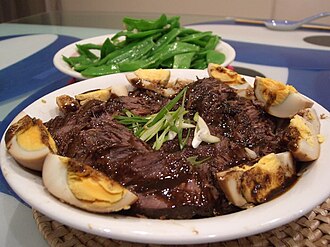
Photo: Wikipedia
Braised chicken thigh is a succulent, deeply savory cut where the dark meat has been slow-cooked in liquid until fork-tender, often with the skin removed. The texture is rich and yielding, with the meat easily pulling apart, while the braising process infuses it with complex flavors from the surrounding broth. It's a protein powerhouse, offering 23 grams of high-quality protein per 100 grams with a moderate calorie count.
Calorie split: 56% protein · 0% carbs · 44% fat
↓ Full nutrition💚 Why it's loved
People adore braised chicken thigh for its unbeatable tenderness and rich, savory flavor that comes from the meat's higher fat content and the slow-cooking process. It's incredibly versatile, serving as a comforting standalone dish or a flavorful component in stews, salads, and sandwiches across countless global cuisines.
⚠️ Watch-outs & how to enjoy it better
The primary concern is the sodium content, which can be high depending on the braising liquid and added seasonings. Those monitoring sodium intake should opt for low-sodium broths or rinse the meat lightly after cooking. Additionally, while the fat content is moderate, it is higher than white meat, so portion awareness is key for those managing fat intake.
Key benefits
- Excellent source of complete protein for muscle maintenance.
- Provides essential minerals like iron and zinc from dark meat.
- The slow-braising method makes nutrients highly bioavailable.
- Naturally low in carbohydrates and sugars.
- A satisfying, satiating protein source that helps control hunger.
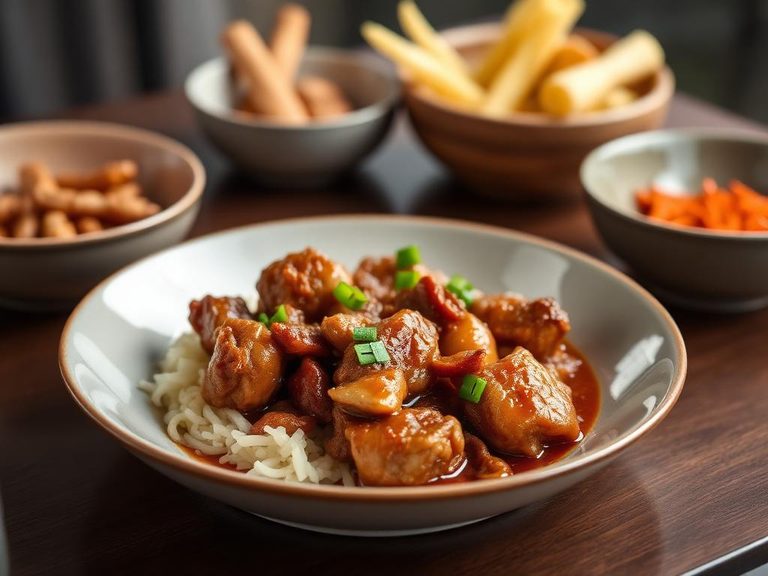
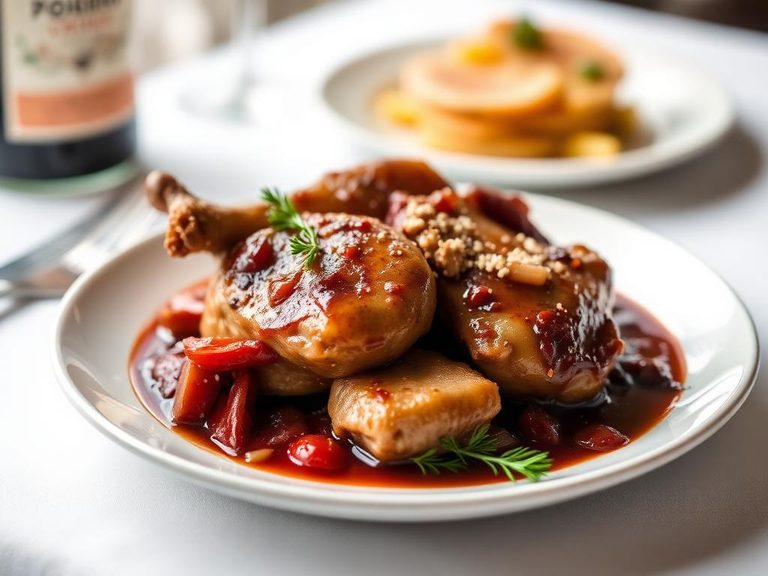
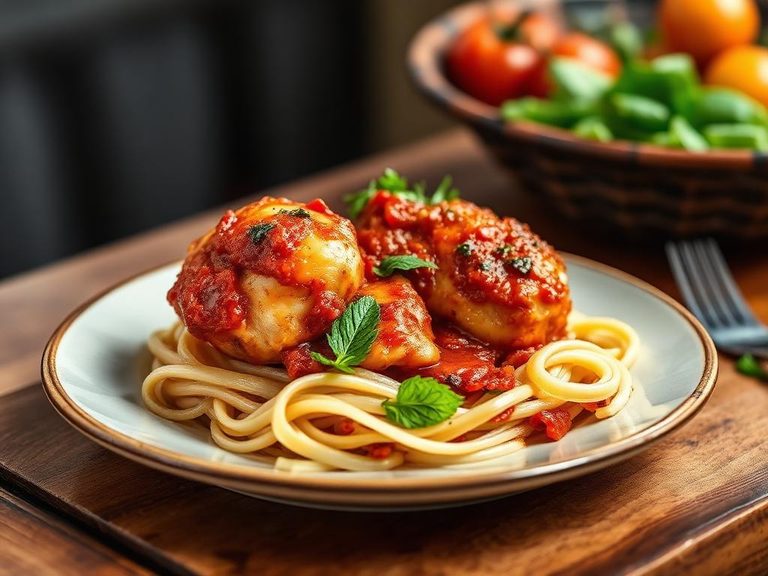
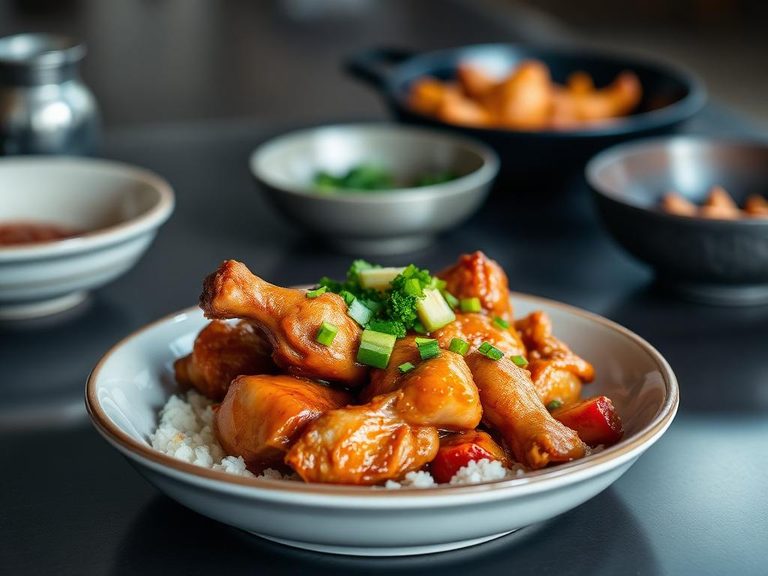
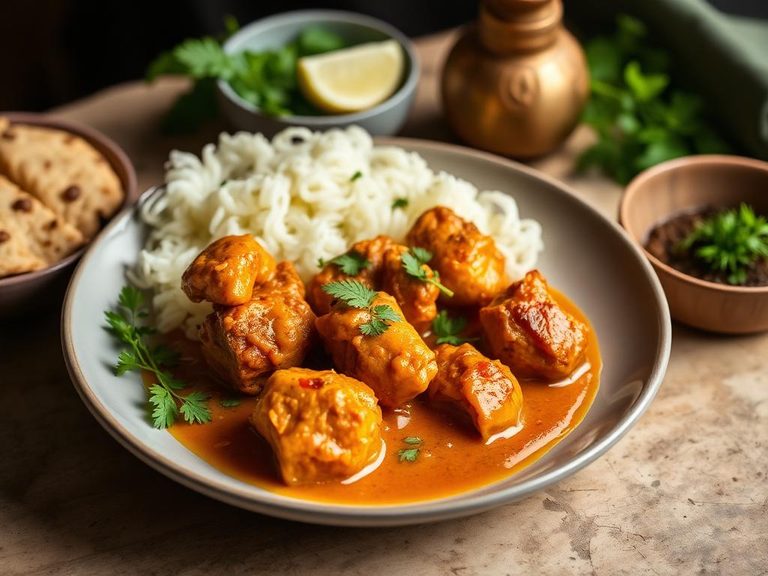
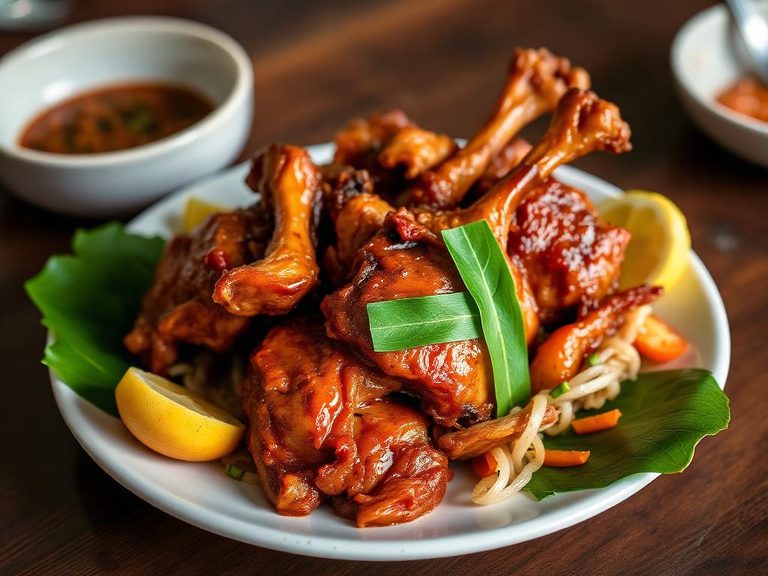
🍽️ Popular dishes
🌍 Where it's eaten
💡 Did you know?
The term 'braised' comes from the French 'braiser,' which originally meant to cook over hot ashes or coals, a method that perfectly suits the connective tissue in dark meat like thighs, breaking it down into gelatin for a silky texture.
Full nutrition (USDA data · scales with serving)
| Water | 68.6 g |
| Energy | 164 kcal |
| Energy | 685 kj |
| Protein | 23.0 g |
| Total lipid (fat) | 8.0 g |
| Ash | 1.2 g |
| Carbohydrate, by difference | 0.00 g |
| Fiber, total dietary | 0.00 g |
| Total Sugars | 0.00 g |
| Calcium, Ca | 12.0 mg |
| Iron, Fe | 1.1 mg |
| Magnesium, Mg | 24.0 mg |
| Phosphorus, P | 203 mg |
| Potassium, K | 290 mg |
| Sodium, Na | 197 mg |
| Zinc, Zn | 1.9 mg |
| Copper, Cu | 0.05 mg |
| Manganese, Mn | 0.02 mg |
| Selenium, Se | 27.2 ug |
| Vitamin C, total ascorbic acid | 0.00 mg |
| Thiamin | 0.08 mg |
| Riboflavin | 0.14 mg |
| Niacin | 6.3 mg |
| Vitamin B-6 | 0.31 mg |
| Folate, total | 4.0 ug |
| Folic acid | 0.00 ug |
| Folate, food | 4.0 ug |
| Folate, DFE | 4.0 ug |
| Choline, total | 64.0 mg |
| Betaine | 12.6 mg |
| Vitamin B-12 | 0.34 ug |
| Vitamin B-12, added | 0.00 ug |
| Vitamin A, RAE | 8.0 ug |
| Retinol | 8.0 ug |
| Carotene, beta | 0.00 ug |
| Carotene, alpha | 0.00 ug |
| Cryptoxanthin, beta | 0.00 ug |
| Vitamin A, IU | 25.0 iu |
| Lycopene | 0.00 ug |
| Lutein + zeaxanthin | 0.00 ug |
| Vitamin E (alpha-tocopherol) | 0.24 mg |
| Vitamin E, added | 0.00 mg |
| Vitamin D (D2 + D3), International Units | 12.0 iu |
| Vitamin D (D2 + D3) | 0.30 ug |
| Vitamin D3 (cholecalciferol) | 0.30 ug |
| Vitamin K (phylloquinone) | 0.20 ug |
| Alcohol, ethyl | 0.00 g |
| Caffeine | 0.00 mg |
| Theobromine | 0.00 mg |
Fat & fatty acid profile (per 100g)
| Fatty acids, total saturated | 2.0 g |
| SFA 4:0 | 0.00 g |
| SFA 6:0 | 0.00 g |
| SFA 8:0 | 0.00 g |
| SFA 10:0 | 0.00 g |
| SFA 12:0 | 0.00 g |
| SFA 14:0 | 0.04 g |
| SFA 15:0 | 0.01 g |
| SFA 16:0 | 1.5 g |
| SFA 17:0 | 0.01 g |
| SFA 18:0 | 0.42 g |
| SFA 20:0 | 0.01 g |
| SFA 22:0 | 0.01 g |
| SFA 24:0 | 0.00 g |
| Fatty acids, total monounsaturated | 3.0 g |
| MUFA 14:1 | 0.01 g |
| MUFA 15:1 | 0.00 g |
| MUFA 16:1 | 0.46 g |
| MUFA 16:1 c | 0.46 g |
| MUFA 17:1 | 0.01 g |
| MUFA 18:1 | 2.5 g |
| MUFA 18:1 c | 2.5 g |
| MUFA 20:1 | 0.03 g |
| MUFA 22:1 | 0.00 g |
| MUFA 22:1 c | 0.00 g |
| MUFA 24:1 c | 0.01 g |
| Fatty acids, total polyunsaturated | 1.3 g |
| PUFA 18:2 | 1.2 g |
| PUFA 18:2 n-6 c,c | 1.1 g |
| PUFA 18:2 CLAs | 0.01 g |
| PUFA 18:3 | 0.06 g |
| PUFA 18:3 n-3 c,c,c (ALA) | 0.04 g |
| PUFA 18:3 n-6 c,c,c | 0.01 g |
| PUFA 18:4 | 0.00 g |
| PUFA 20:2 n-6 c,c | 0.01 g |
| PUFA 20:3 | 0.02 g |
| PUFA 20:3 n-3 | 0.00 g |
| PUFA 20:3 n-6 | 0.02 g |
| PUFA 20:4 | 0.07 g |
| PUFA 20:5 n-3 (EPA) | 0.01 g |
| PUFA 22:4 | 0.02 g |
| PUFA 22:5 n-3 (DPA) | 0.01 g |
| PUFA 22:6 n-3 (DHA) | 0.01 g |
| Fatty acids, total trans | 0.04 g |
| Fatty acids, total trans-monoenoic | 0.03 g |
| TFA 16:1 t | 0.00 g |
| TFA 18:1 t | 0.03 g |
| TFA 22:1 t | 0.00 g |
| TFA 18:2 t not further defined | 0.01 g |
| Fatty acids, total trans-polyenoic | 0.01 g |
| Cholesterol | 126 mg |
Amino acid profile (per 100g)
| Tryptophan | 0.26 g |
| Threonine | 1.1 g |
| Isoleucine | 1.1 g |
| Leucine | 2.0 g |
| Lysine | 2.2 g |
| Methionine | 0.66 g |
| Cystine | 0.27 g |
| Phenylalanine | 0.92 g |
| Tyrosine | 0.86 g |
| Valine | 1.1 g |
| Arginine | 1.6 g |
| Histidine | 0.69 g |
| Alanine | 1.4 g |
| Aspartic acid | 2.3 g |
| Glutamic acid | 3.8 g |
| Glycine | 1.1 g |
| Proline | 0.93 g |
| Serine | 0.96 g |
FAQ
Is braised chicken thigh healthy?
Yes, it's a nutritious source of protein, iron, and zinc. The healthiness depends on the braising liquid; using low-sodium broth and limiting added fats makes it a very healthy meal component.
How is braised chicken different from roasted or grilled?
Braising is a slow, moist-heat cooking method that uses liquid (like broth or wine) to tenderize the meat, resulting in a softer, more succulent texture. Roasting and grilling are dry-heat methods that create a firmer texture and often a crispy exterior.
Can I use bone-in thighs for braising?
Absolutely. Bone-in, skin-on thighs are often preferred for braising as the bones and skin add significant flavor and body to the braising liquid, though the final dish will contain more fat.
Nutrient density (calculated · NRF9.3)
Nutrient Rich Foods index: beneficial nutrients (protein, fiber, vitamins, minerals) minus saturated fat, added sugar & sodium, per 100 kcal.
NRF9.3 index — Fulgoni, Keast & Drewnowski, 2009. Computed from USDA nutrients.
Weight-loss friendliness (composite index)
Energy density 1.64 kcal/g · 56% calories from protein · 0.0 g fiber · 0.0 g sugar per 100 g.
Composite of energy density (Rolls et al., 1999), protein & fiber satiety, minus sugar. A calculated heuristic — ranks satiety-per-calorie, not a clinical measure.
Dietary load (calculated from USDA values)
Potential renal acid load. Positive = acid-forming, negative = alkaline-forming.
Sodium-to-potassium ratio: 0.68 (lower is better — aim for ≤ 1)
Sodium:potassium per WHO potassium guidance. Computed from USDA nutrients.