

Butter, salted
Whole food · Dairy and Egg Products
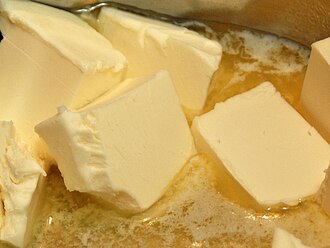
Photo: Wikipedia
Butter, salted is a rich, creamy dairy product churned from cream, with a smooth, spreadable texture that softens at room temperature and melts into a golden, savory liquid when heated. Its flavor is a luxurious balance of sweet, milky notes and a distinct saltiness that enhances other ingredients. Nutritionally, it is an energy-dense food, composed almost entirely of fat, providing a concentrated source of calories.
Calorie split: 0% protein · 0% carbs · 100% fat
↓ Full nutrition💚 Why it's loved
People love butter for its unparalleled ability to add a deep, savory richness and velvety texture to both sweet and savory dishes. Its cultural significance in baking, from flaky pastries to tender cakes, and its role as a classic table spread make it a symbol of comfort and indulgence.
⚠️ Watch-outs & how to enjoy it better
Due to its high saturated fat and calorie content, excessive consumption can contribute to elevated cholesterol levels and weight gain. The added salt also means it contributes to daily sodium intake, which can be a concern for those managing blood pressure. To enjoy it mindfully, practice strict portion control (e.g., a thin scrape on toast), use it as a flavor enhancer rather than a primary cooking fat, and balance meals with plenty of fiber, lean protein, and vegetables.
Key benefits
- Excellent source of fat-soluble vitamins A, D, E, and K2.
- Contains butyrate, a short-chain fatty acid that supports colon health.
- Provides conjugated linoleic acid (CLA), linked to various health benefits.
- Enhances absorption of fat-soluble nutrients from other foods.
- Adds rich flavor and mouthfeel, improving culinary satisfaction.
🍽️ Popular dishes

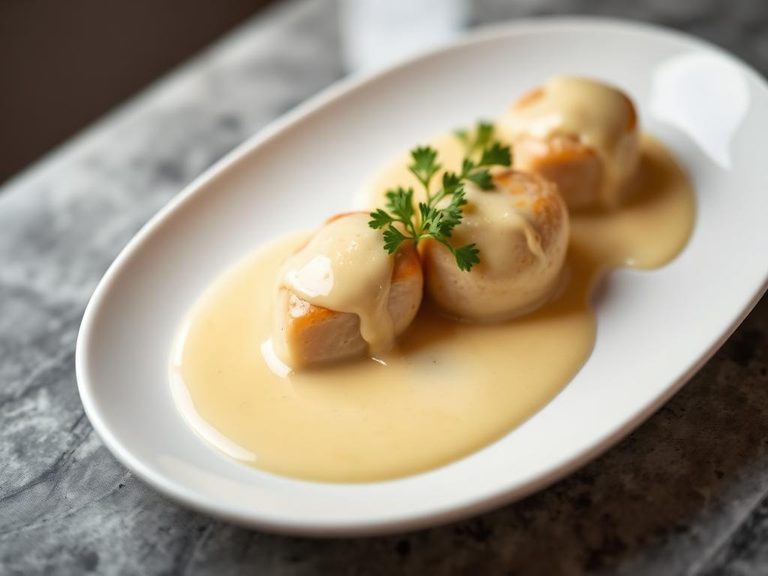

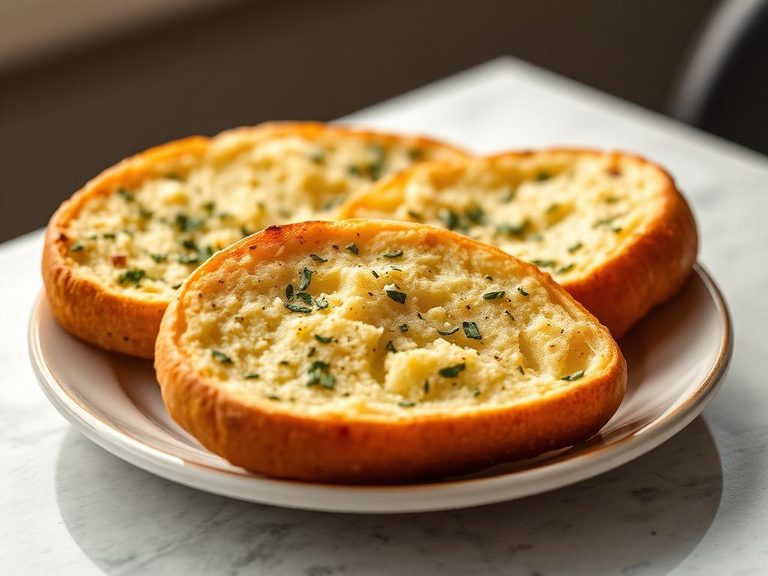
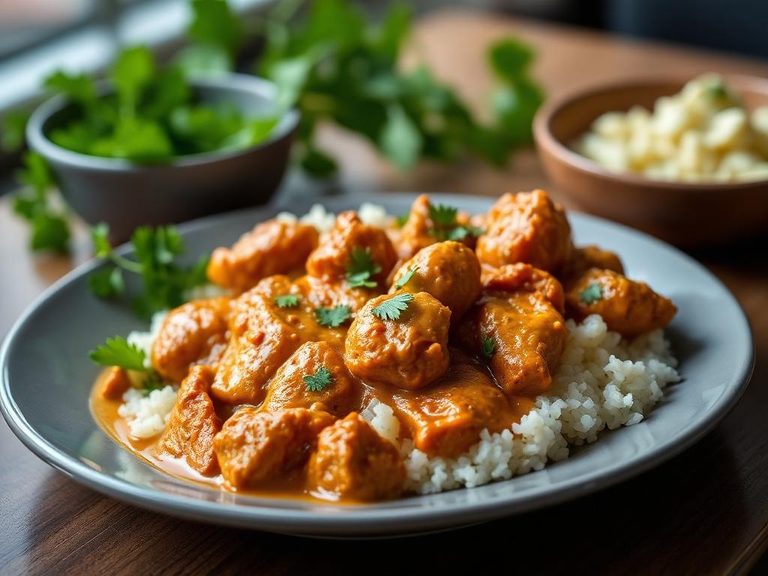
🌍 Where it's eaten
💡 Did you know?
The practice of salting butter for preservation dates back thousands of years, and in medieval Europe, salted butter was so valuable it was used as a form of currency and tax payment.
Full nutrition (USDA data · scales with serving)
| Water | 16.2 g |
| Energy | 717 kcal |
| Energy | 2999 kj |
| Protein | 0.85 g |
| Total lipid (fat) | 81.1 g |
| Ash | 2.1 g |
| Carbohydrate, by difference | 0.06 g |
| Fiber, total dietary | 0.00 g |
| Total Sugars | 0.06 g |
| Calcium, Ca | 24.0 mg |
| Iron, Fe | 0.02 mg |
| Magnesium, Mg | 2.0 mg |
| Phosphorus, P | 24.0 mg |
| Potassium, K | 24.0 mg |
| Sodium, Na | 643 mg |
| Zinc, Zn | 0.09 mg |
| Copper, Cu | 0.00 mg |
| Manganese, Mn | 0.00 mg |
| Selenium, Se | 1.0 ug |
| Fluoride, F | 2.8 ug |
| Vitamin C, total ascorbic acid | 0.00 mg |
| Thiamin | 0.01 mg |
| Riboflavin | 0.03 mg |
| Niacin | 0.04 mg |
| Pantothenic acid | 0.11 mg |
| Vitamin B-6 | 0.00 mg |
| Folate, total | 3.0 ug |
| Folic acid | 0.00 ug |
| Folate, food | 3.0 ug |
| Folate, DFE | 3.0 ug |
| Choline, total | 18.8 mg |
| Betaine | 0.30 mg |
| Vitamin B-12 | 0.17 ug |
| Vitamin B-12, added | 0.00 ug |
| Vitamin A, RAE | 684 ug |
| Retinol | 671 ug |
| Carotene, beta | 158 ug |
| Carotene, alpha | 0.00 ug |
| Cryptoxanthin, beta | 0.00 ug |
| Vitamin A, IU | 2499 iu |
| Lycopene | 0.00 ug |
| Lutein + zeaxanthin | 0.00 ug |
| Vitamin E (alpha-tocopherol) | 2.3 mg |
| Vitamin E, added | 0.00 mg |
| Tocopherol, beta | 0.00 mg |
| Tocopherol, gamma | 0.00 mg |
| Tocopherol, delta | 0.00 mg |
| Tocotrienol, alpha | 0.00 mg |
| Tocotrienol, beta | 0.00 mg |
| Tocotrienol, gamma | 0.00 mg |
| Tocotrienol, delta | 0.00 mg |
| Vitamin D (D2 + D3), International Units | 0.00 iu |
| Vitamin D (D2 + D3) | 0.00 ug |
| Vitamin D2 (ergocalciferol) | 0.00 ug |
| Vitamin D3 (cholecalciferol) | 0.00 ug |
| Vitamin K (phylloquinone) | 7.0 ug |
| Alcohol, ethyl | 0.00 g |
| Caffeine | 0.00 mg |
| Theobromine | 0.00 mg |
Fat & fatty acid profile (per 100g)
| Fatty acids, total saturated | 51.4 g |
| SFA 4:0 | 3.2 g |
| SFA 6:0 | 2.0 g |
| SFA 8:0 | 1.2 g |
| SFA 10:0 | 2.5 g |
| SFA 12:0 | 2.6 g |
| SFA 14:0 | 7.4 g |
| SFA 16:0 | 21.7 g |
| SFA 17:0 | 0.56 g |
| SFA 18:0 | 10.0 g |
| SFA 20:0 | 0.14 g |
| Fatty acids, total monounsaturated | 21.0 g |
| MUFA 16:1 | 0.96 g |
| MUFA 16:1 c | 0.96 g |
| MUFA 18:1 | 20.0 g |
| MUFA 18:1 c | 17.0 g |
| MUFA 20:1 | 0.10 g |
| MUFA 22:1 | 0.00 g |
| Fatty acids, total polyunsaturated | 3.0 g |
| PUFA 18:2 | 2.7 g |
| PUFA 18:2 n-6 c,c | 2.2 g |
| PUFA 18:2 CLAs | 0.27 g |
| PUFA 18:2 i | 0.30 g |
| PUFA 18:3 | 0.32 g |
| PUFA 18:3 n-3 c,c,c (ALA) | 0.32 g |
| PUFA 18:4 | 0.00 g |
| PUFA 20:4 | 0.00 g |
| PUFA 20:5 n-3 (EPA) | 0.00 g |
| PUFA 22:5 n-3 (DPA) | 0.00 g |
| PUFA 22:6 n-3 (DHA) | 0.00 g |
| Fatty acids, total trans | 3.3 g |
| Fatty acids, total trans-monoenoic | 3.0 g |
| TFA 18:1 t | 3.0 g |
| Fatty acids, total trans-polyenoic | 0.30 g |
| Cholesterol | 215 mg |
| Stigmasterol | 0.00 mg |
| Campesterol | 0.00 mg |
| Beta-sitosterol | 4.0 mg |
Amino acid profile (per 100g)
| Tryptophan | 0.01 g |
| Threonine | 0.04 g |
| Isoleucine | 0.05 g |
| Leucine | 0.08 g |
| Lysine | 0.07 g |
| Methionine | 0.02 g |
| Cystine | 0.01 g |
| Phenylalanine | 0.04 g |
| Tyrosine | 0.04 g |
| Valine | 0.06 g |
| Arginine | 0.03 g |
| Histidine | 0.02 g |
| Alanine | 0.03 g |
| Aspartic acid | 0.06 g |
| Glutamic acid | 0.18 g |
| Glycine | 0.02 g |
| Proline | 0.08 g |
| Serine | 0.05 g |
FAQ
What's the difference between salted and unsalted butter?
Salted butter has added salt (about 1-2% by weight) for flavor and preservation, making it ideal for spreading and general cooking. Unsalted butter has no added salt, giving the cook precise control over seasoning in baking and delicate sauces.
Can I use salted butter for baking?
It's generally recommended to use unsalted butter for baking to control the salt level in the recipe. If you only have salted butter, reduce any additional salt called for in the recipe by about ¼ teaspoon per stick (113g) of butter.
How should I store butter?
For short-term use (a few weeks), keep it in the refrigerator in its original wrapper or a covered butter dish. For long-term storage, it can be frozen for up to 9 months. Salted butter keeps longer than unsalted due to its preservative salt content.
Nutrient density (calculated · NRF9.3)
Nutrient Rich Foods index: beneficial nutrients (protein, fiber, vitamins, minerals) minus saturated fat, added sugar & sodium, per 100 kcal.
NRF9.3 index — Fulgoni, Keast & Drewnowski, 2009. Computed from USDA nutrients.
Weight-loss friendliness (composite index)
Energy density 7.17 kcal/g · 0% calories from protein · 0.0 g fiber · 0.1 g sugar per 100 g.
Composite of energy density (Rolls et al., 1999), protein & fiber satiety, minus sugar. A calculated heuristic — ranks satiety-per-calorie, not a clinical measure.
Dietary load (calculated from USDA values)
Potential renal acid load. Positive = acid-forming, negative = alkaline-forming.
Sodium-to-potassium ratio: 26.79 (lower is better — aim for ≤ 1)
Sodium:potassium per WHO potassium guidance. Computed from USDA nutrients.