

Tortilla, blue corn, Sakwavikaviki (Hopi)
Whole food · American Indian/Alaska Native Foods

Photo: Wikipedia
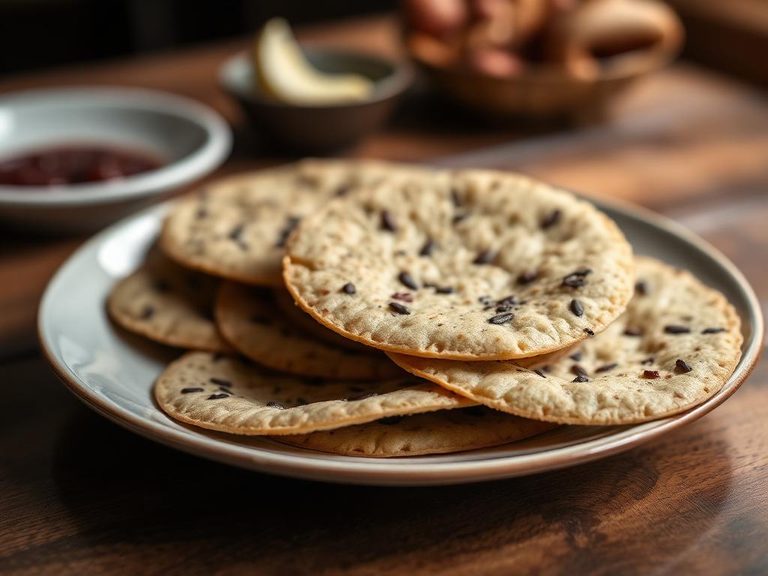
The Sakwavikaviki is a traditional Hopi blue corn tortilla, a staple of Southwestern Native American cuisine. It has a dense, slightly crumbly texture and a distinctive earthy, nutty flavor with a subtle sweetness that deepens when cooked. Nutritionally, it's a notable source of plant-based protein and complex carbohydrates, with a very low fat content.
Calorie split: 11% protein · 84% carbs · 5% fat
↓ Full nutrition💚 Why it's loved
People love it for its unique, robust corn flavor that is more complex than yellow or white corn tortillas. It's cherished as a cultural staple in Hopi cuisine, valued for its versatility in both savory dishes and as a standalone bread.
⚠️ Watch-outs & how to enjoy it better
Its dense, crumbly texture can be less pliable than flour tortillas, making it prone to cracking if not warmed properly. Those monitoring carbohydrate intake should be mindful of portion sizes, as it is carb-dense. To counteract, pair it with protein-rich beans or meat and healthy fats like avocado to balance the meal and moderate blood sugar response.
Key benefits
- Rich in anthocyanin antioxidants from blue corn
- Good source of plant-based protein for a flatbread
- High in complex carbohydrates for sustained energy
- Naturally gluten-free (if made with pure corn)
- Contains dietary fiber for digestive health
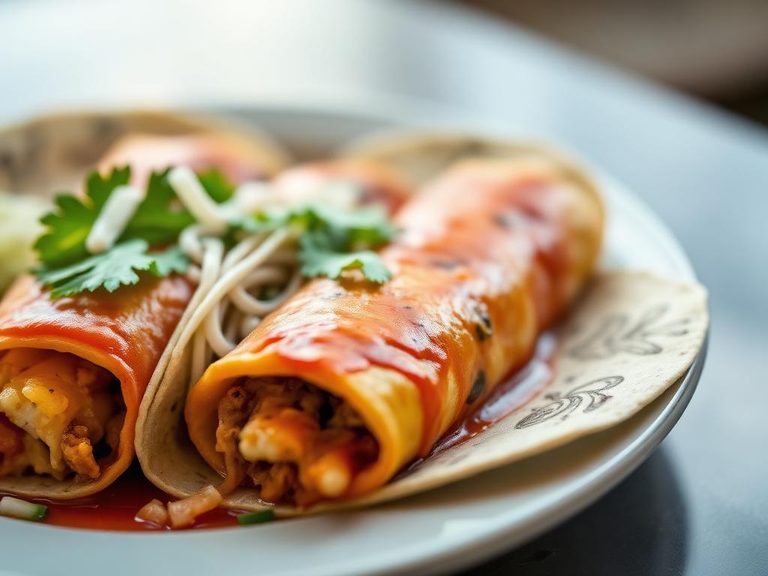
🍽️ Popular dishes
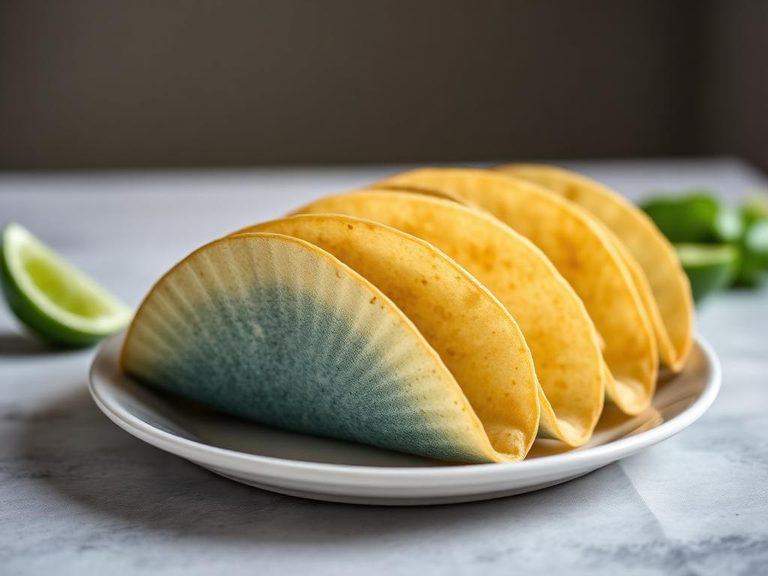
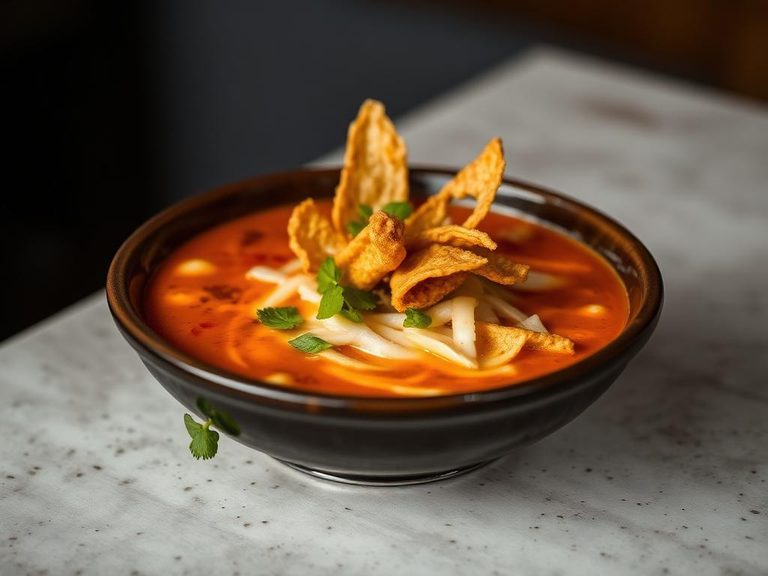
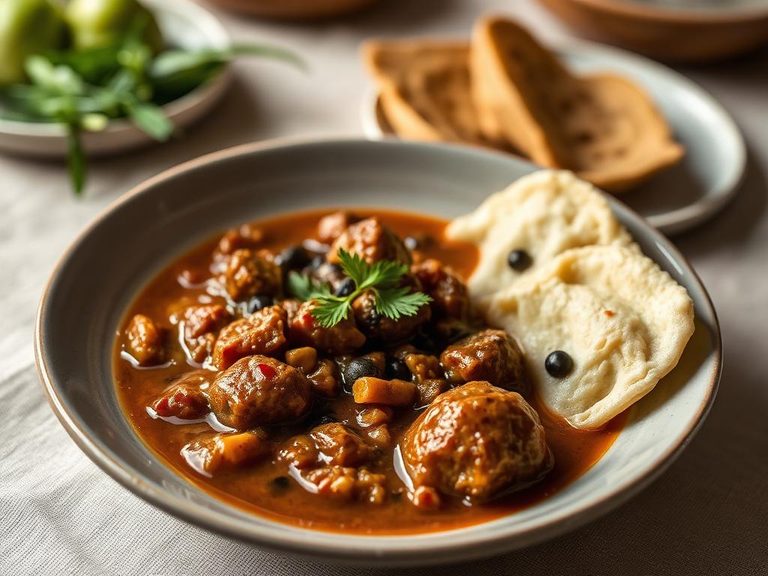
🌍 Where it's eaten
💡 Did you know?
The blue color comes from anthocyanins, the same powerful antioxidants found in blueberries and purple grapes.
Full nutrition (USDA data · scales with serving)
| Water | 29.9 g |
| Energy | 276 kcal |
| Energy | 1156 kj |
| Protein | 7.8 g |
| Total lipid (fat) | 1.4 g |
| Ash | 2.8 g |
| Carbohydrate, by difference | 58.1 g |
| Fiber, total dietary | 3.4 g |
| Total Sugars | 3.0 g |
| Sucrose | 0.00 g |
| Glucose | 0.00 g |
| Fructose | 0.00 g |
| Lactose | 0.00 g |
| Maltose | 3.0 g |
| Galactose | 0.00 g |
| Starch | 51.6 g |
| Calcium, Ca | 174 mg |
| Iron, Fe | 2.9 mg |
| Magnesium, Mg | 32.0 mg |
| Phosphorus, P | 339 mg |
| Potassium, K | 132 mg |
| Sodium, Na | 663 mg |
| Zinc, Zn | 0.68 mg |
| Copper, Cu | 0.13 mg |
| Manganese, Mn | 0.60 mg |
| Selenium, Se | 8.8 ug |
| Thiamin | 0.39 mg |
| Riboflavin | 0.17 mg |
| Niacin | 3.9 mg |
| Pantothenic acid | 0.62 mg |
| Vitamin B-6 | 0.11 mg |
| Vitamin A, RAE | 0.00 ug |
| Carotene, beta | 1.0 ug |
| Carotene, alpha | 0.00 ug |
| Cryptoxanthin, beta | 0.00 ug |
| Vitamin A, IU | 2.0 iu |
| Lycopene | 0.00 ug |
| Lutein + zeaxanthin | 10.0 ug |
| Vitamin E (alpha-tocopherol) | 0.17 mg |
| Tocopherol, beta | 0.06 mg |
| Tocopherol, gamma | 0.36 mg |
| Tocopherol, delta | 0.00 mg |
| Tocotrienol, alpha | 0.08 mg |
| Tocotrienol, beta | 0.35 mg |
| Tocotrienol, gamma | 0.08 mg |
| Tocotrienol, delta | 0.00 mg |
Fat & fatty acid profile (per 100g)
| Fatty acids, total saturated | 0.29 g |
| SFA 4:0 | 0.01 g |
| SFA 6:0 | 0.00 g |
| SFA 8:0 | 0.01 g |
| SFA 10:0 | 0.01 g |
| SFA 12:0 | 0.00 g |
| SFA 14:0 | 0.00 g |
| SFA 15:0 | 0.00 g |
| SFA 16:0 | 0.22 g |
| SFA 17:0 | 0.00 g |
| SFA 18:0 | 0.03 g |
| SFA 20:0 | 0.00 g |
| SFA 22:0 | 0.00 g |
| SFA 24:0 | 0.00 g |
| Fatty acids, total monounsaturated | 0.23 g |
| MUFA 14:1 | 0.00 g |
| MUFA 15:1 | 0.00 g |
| MUFA 16:1 | 0.00 g |
| MUFA 16:1 c | 0.00 g |
| MUFA 17:1 | 0.00 g |
| MUFA 18:1 | 0.22 g |
| MUFA 18:1 c | 0.22 g |
| MUFA 20:1 | 0.00 g |
| MUFA 22:1 | 0.00 g |
| MUFA 22:1 c | 0.00 g |
| MUFA 24:1 c | 0.00 g |
| Fatty acids, total polyunsaturated | 0.69 g |
| PUFA 18:2 | 0.66 g |
| PUFA 18:2 n-6 c,c | 0.66 g |
| PUFA 18:2 CLAs | 0.00 g |
| PUFA 18:3 | 0.03 g |
| PUFA 18:3 n-3 c,c,c (ALA) | 0.03 g |
| PUFA 18:3 n-6 c,c,c | 0.00 g |
| PUFA 18:4 | 0.00 g |
| PUFA 20:2 n-6 c,c | 0.00 g |
| PUFA 20:3 | 0.00 g |
| PUFA 20:3 n-3 | 0.00 g |
| PUFA 20:3 n-6 | 0.00 g |
| PUFA 20:4 | 0.00 g |
| PUFA 20:5 n-3 (EPA) | 0.00 g |
| PUFA 22:4 | 0.00 g |
| PUFA 22:5 n-3 (DPA) | 0.00 g |
| PUFA 22:6 n-3 (DHA) | 0.00 g |
| Fatty acids, total trans | 0.00 g |
| Fatty acids, total trans-monoenoic | 0.00 g |
| TFA 16:1 t | 0.00 g |
| TFA 18:1 t | 0.00 g |
| TFA 22:1 t | 0.00 g |
| TFA 18:2 t not further defined | 0.00 g |
| Fatty acids, total trans-polyenoic | 0.00 g |
Amino acid profile (per 100g)
Estimated from Tortilla, includes plain and from mutton sandwich (Navajo) — USDA does not publish this profile for Tortilla.
| Tryptophan | 0.06 g |
| Threonine | 0.18 g |
| Isoleucine | 0.29 g |
| Leucine | 0.53 g |
| Lysine | 0.16 g |
| Methionine | 0.12 g |
| Cystine | 0.17 g |
| Phenylalanine | 0.38 g |
| Tyrosine | 0.20 g |
| Valine | 0.33 g |
| Arginine | 0.28 g |
| Histidine | 0.17 g |
| Alanine | 0.23 g |
| Aspartic acid | 0.30 g |
| Glutamic acid | 2.6 g |
| Glycine | 0.27 g |
| Proline | 0.88 g |
| Serine | 0.35 g |
FAQ
What makes blue corn different from regular corn?
Blue corn is a variety of flint corn with a higher protein content and a distinctive blue-purple hue due to anthocyanin pigments. It has a nuttier, earthier flavor compared to yellow or white corn.
Is blue corn tortilla gluten-free?
Yes, traditional blue corn tortillas made from 100% blue corn masa are naturally gluten-free. However, always check labels if purchasing commercially, as some blends might contain wheat flour.
How do I keep blue corn tortillas from cracking?
Warm them gently on a dry skillet, comal, or directly over a low gas flame for a few seconds per side. This makes them more pliable. Storing them wrapped in a clean cloth or tortilla warmer also helps retain moisture.
Nutrient density (calculated · NRF9.3)
Nutrient Rich Foods index: beneficial nutrients (protein, fiber, vitamins, minerals) minus saturated fat, added sugar & sodium, per 100 kcal.
NRF9.3 index — Fulgoni, Keast & Drewnowski, 2009. Computed from USDA nutrients.
Weight-loss friendliness (composite index)
Energy density 2.76 kcal/g · 11% calories from protein · 3.4 g fiber · 3.0 g sugar per 100 g.
Composite of energy density (Rolls et al., 1999), protein & fiber satiety, minus sugar. A calculated heuristic — ranks satiety-per-calorie, not a clinical measure.
Dietary load (calculated from USDA values)
Potential renal acid load. Positive = acid-forming, negative = alkaline-forming.
Sodium-to-potassium ratio: 5.02 (lower is better — aim for ≤ 1)
Sodium:potassium per WHO potassium guidance. Computed from USDA nutrients.