

Blueberries, wild, frozen (Alaska Native)
Whole food · American Indian/Alaska Native Foods

Photo: Wikipedia
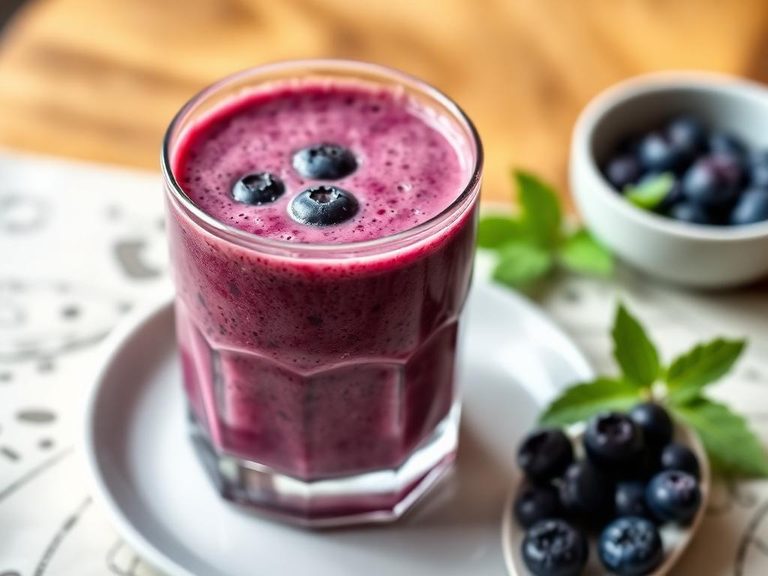
These are wild blueberries harvested from the Alaskan tundra and flash-frozen to lock in their deep, intense flavor. They are smaller and more potent than their cultivated cousins, offering a concentrated burst of sweet-tart juice with a tender, slightly seedy texture. Nutritionally, they are a low-calorie source of carbohydrates and antioxidants, notably without any added sugars or fats.
Calorie split: 6% protein · 94% carbs · 0% fat
↓ Full nutrition💚 Why it's loved
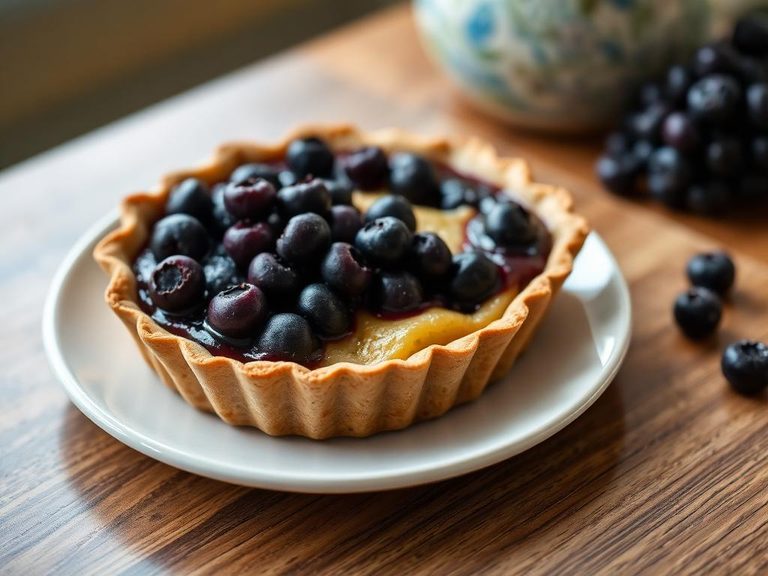
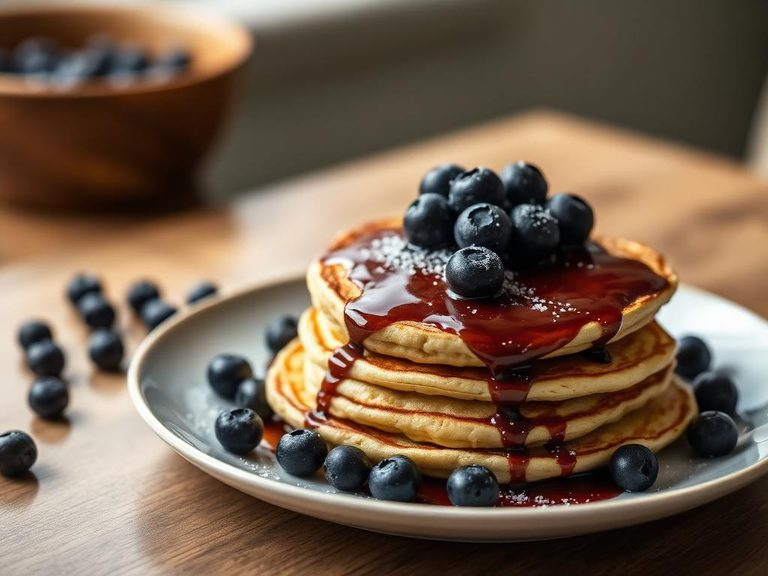
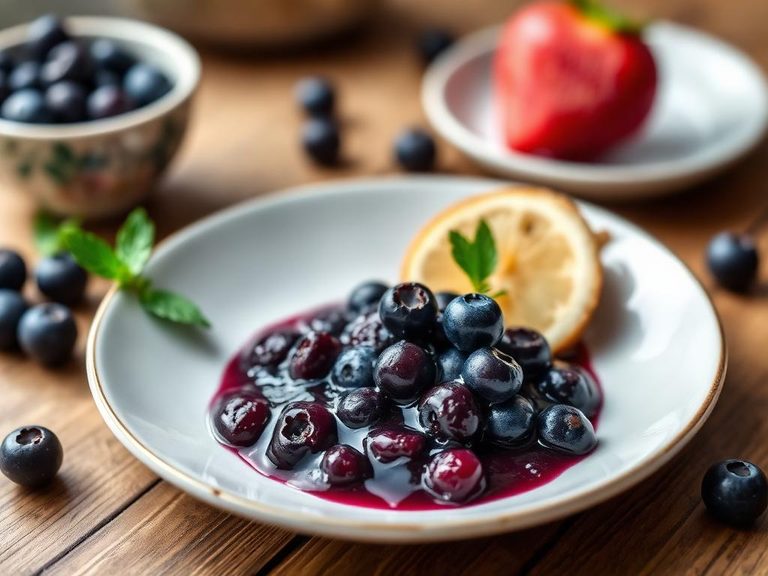
People cherish them for their uniquely intense, complex berry flavor that far surpasses most cultivated varieties. Their versatility shines in everything from pancakes and pies to sauces and smoothies, offering a taste of the remote Alaskan wilderness.
⚠️ Watch-outs & how to enjoy it better
As a pure fruit, they contain natural sugars (about 10.4g per 100g) which can cause blood sugar spikes if eaten in large quantities alone. To counteract this, pair them with a source of protein or fat, like yogurt, nuts, or cottage cheese, to slow sugar absorption. Their small seeds may also be a minor irritant for those with sensitive digestive systems.
Key benefits
- Extremely high in wild anthocyanin antioxidants
- Low-calorie, nutrient-dense snack or ingredient
- Provides a quick source of natural carbohydrates
- Contains no fat, cholesterol, or sodium
- Supports traditional Indigenous Alaskan foodways
🍽️ Popular dishes
🌍 Where it's eaten
💡 Did you know?
The wild lowbush blueberry (Vaccinium uliginosum) is one of the few plants that can regenerate from its root system after a wildfire, making it a resilient and vital food source in the boreal forest.
Full nutrition (USDA data · scales with serving)
| Water | 88.7 g |
| Energy | 44.0 kcal |
| Energy | 186 kj |
| Protein | 0.70 g |
| Total lipid (fat) | 0.00 g |
| Ash | 0.20 g |
| Carbohydrate, by difference | 10.4 g |
| Calcium, Ca | 15.0 mg |
| Iron, Fe | 1.1 mg |
| Vitamin C, total ascorbic acid | 2.2 mg |
| Thiamin | 0.03 mg |
| Riboflavin | 0.10 mg |
| Niacin | 0.40 mg |
| Vitamin A, IU | 163 iu |
Fat & fatty acid profile (per 100g)
Estimated from Blueberries, raw — USDA does not publish this profile for Blueberries.
| Fatty acids, total saturated | 0.03 g |
| SFA 4:0 | 0.00 g |
| SFA 6:0 | 0.00 g |
| SFA 8:0 | 0.00 g |
| SFA 10:0 | 0.00 g |
| SFA 12:0 | 0.00 g |
| SFA 14:0 | 0.00 g |
| SFA 16:0 | 0.02 g |
| SFA 18:0 | 0.01 g |
| Fatty acids, total monounsaturated | 0.05 g |
| MUFA 16:1 | 0.00 g |
| MUFA 18:1 | 0.05 g |
| MUFA 20:1 | 0.00 g |
| MUFA 22:1 | 0.00 g |
| Fatty acids, total polyunsaturated | 0.15 g |
| PUFA 18:2 | 0.09 g |
| PUFA 18:3 | 0.06 g |
| PUFA 18:4 | 0.00 g |
| PUFA 20:4 | 0.00 g |
| PUFA 20:5 n-3 (EPA) | 0.00 g |
| PUFA 22:5 n-3 (DPA) | 0.00 g |
| PUFA 22:6 n-3 (DHA) | 0.00 g |
| Fatty acids, total trans | 0.00 g |
| Cholesterol | 0.00 mg |
Amino acid profile (per 100g)
Estimated from Blueberries, raw — USDA does not publish this profile for Blueberries.
| Tryptophan | 0.00 g |
| Threonine | 0.02 g |
| Isoleucine | 0.02 g |
| Leucine | 0.04 g |
| Lysine | 0.01 g |
| Methionine | 0.01 g |
| Cystine | 0.01 g |
| Phenylalanine | 0.03 g |
| Tyrosine | 0.01 g |
| Valine | 0.03 g |
| Arginine | 0.04 g |
| Histidine | 0.01 g |
| Alanine | 0.03 g |
| Aspartic acid | 0.06 g |
| Glutamic acid | 0.09 g |
| Glycine | 0.03 g |
| Proline | 0.03 g |
| Serine | 0.02 g |
FAQ
How do wild Alaskan blueberries differ from regular frozen blueberries?
Wild Alaskan blueberries (lowbush) are typically smaller, more intensely flavored, and have a higher skin-to-flesh ratio, which concentrates their antioxidants and tartness compared to larger, milder cultivated (highbush) blueberries.
Are they safe to eat straight from the freezer?
Yes, they are flash-frozen at peak ripeness and are safe to eat thawed or directly from the bag. Thawing will release more juice, making them ideal for sauces or baking.
What is the best way to thaw them?
For eating fresh, thaw in the refrigerator for a few hours or at room temperature for 30 minutes. For cooking, you can often add them directly to batters or sauces while still frozen.
Weight-loss friendliness (composite index)
Energy density 0.44 kcal/g · 6% calories from protein · 0.0 g fiber · 0.0 g sugar per 100 g.
Composite of energy density (Rolls et al., 1999), protein & fiber satiety, minus sugar. A calculated heuristic — ranks satiety-per-calorie, not a clinical measure.