

Akutaq
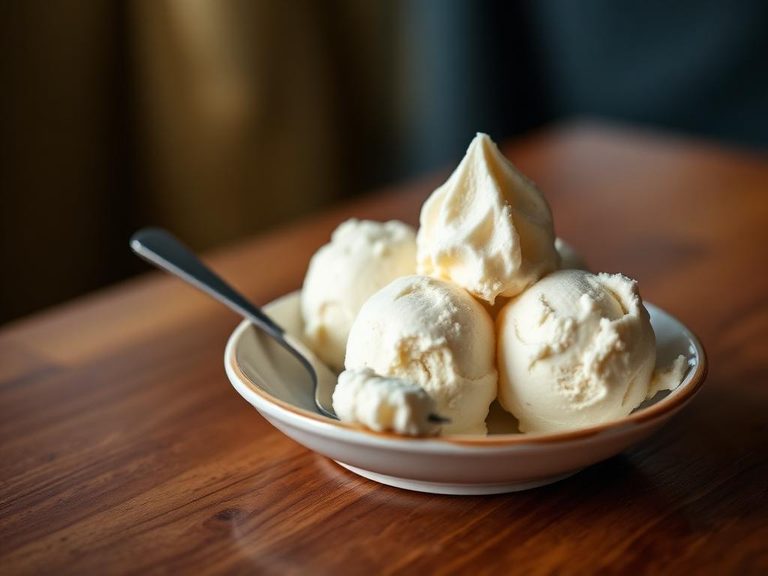
Akutaq, often called 'Eskimo ice cream,' is a traditional Alaska Native dish made by whipping animal fat (typically from caribou, moose, or seal) with water and berries, such as salmonberries or blueberries. It originates from the Yup'ik and other Indigenous peoples of Alaska and the Arctic regions. The dish has a light, fluffy texture similar to whipped cream or meringue.
🍳 View the full Akutaq recipe →
🍽️ Nutrition at a glance
Akutaq is very high in fat and calories due to its primary ingredient of rendered animal fat, providing a dense source of energy essential for cold climates. It is low in carbohydrates but offers important nutrients like omega-3 fatty acids (if using marine mammal fat) and vitamins from the berries.
Nutrition breakdown
| Calories | 450 kcal |
| Protein | 8 g |
| Carbs | 35 g |
| Fat | 32 g |
| Fiber | 2 g |
| Sugar | 25 g |
| Sodium | 50 mg |
| Vitamin A | 300 mcg RAE |
| Vitamin C | 10 mg |
| Calcium | 120 mg |
| Iron | 1.5 mg |
| Potassium | 350 mg |
| Vitamin D | 2 mcg |
| Vitamin B12 | 1.2 mcg |
| Phosphorus | 180 mg |
Per 1 cup (240 g) · estimated, varies by recipe
💡 What's interesting
Culturally, Akutaq is a communal food often prepared for celebrations and gatherings, symbolizing sharing and survival in harsh environments. Nutritionally, its high-fat content was historically crucial for providing sustained energy and warmth in the Arctic, making it a functional food as much as a delicacy.
AI estimate may be inaccurate · Terms