Piki bread
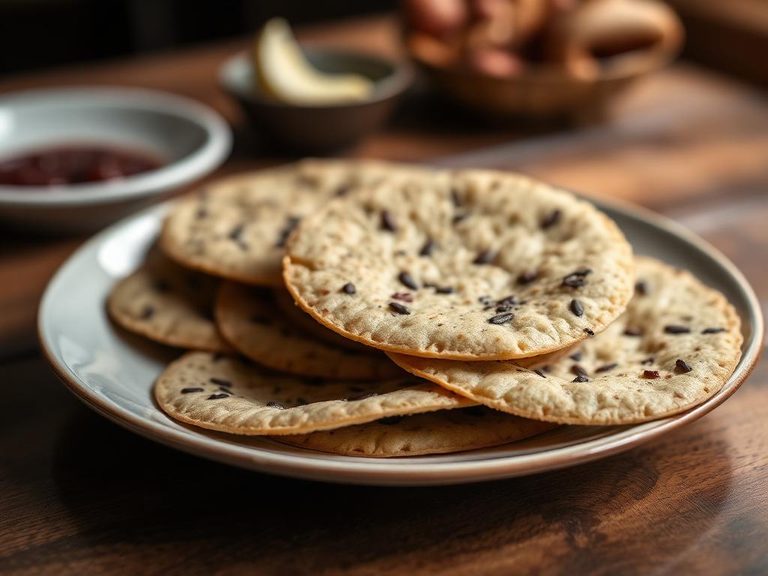
Piki bread is a traditional, paper-thin ceremonial bread made from blue corn, primarily associated with the Hopi people of the American Southwest. The dough is rolled out extremely thin and cooked on a smooth, heated stone called a piki stone, resulting in a crisp, brittle texture. It is a significant cultural food, often prepared for ceremonies, weddings, and other important community events.
🍽️ Nutrition at a glance
Piki bread is primarily a source of complex carbohydrates from blue corn, providing dietary fiber and essential minerals. A typical serving is relatively low in fat and protein, with a calorie count that varies based on thickness and size, generally falling in the range of 100-150 calories per large sheet.
Nutrition breakdown
| Calories | 110 kcal |
| Protein | 2.5 g |
| Carbs | 22 g |
| Fat | 1.5 g |
| Fiber | 3 g |
| Sugar | 0.5 g |
| Sodium | 5 mg |
| Iron | 1.2 mg |
| Magnesium | 30 mg |
| Phosphorus | 70 mg |
| Potassium | 90 mg |
| Zinc | 0.5 mg |
| Niacin (B3) | 1.0 mg |
| Thiamin (B1) | 0.1 mg |
| Folate | 15 mcg |
Per 1 large sheet (approx. 30 g) · estimated, varies by recipe
💡 What's interesting
The unique blue color comes from anthocyanin antioxidants in the blue corn, which are nutritionally interesting for their potential health benefits. Culturally, the art of making piki is a revered skill passed down through generations, and the bread itself is considered a sacred food, not just a daily staple.