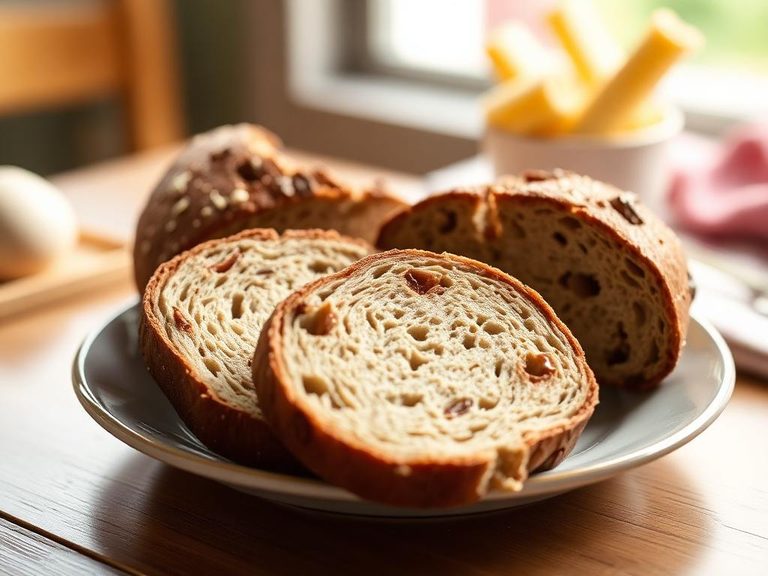
Rye bread and soda bread
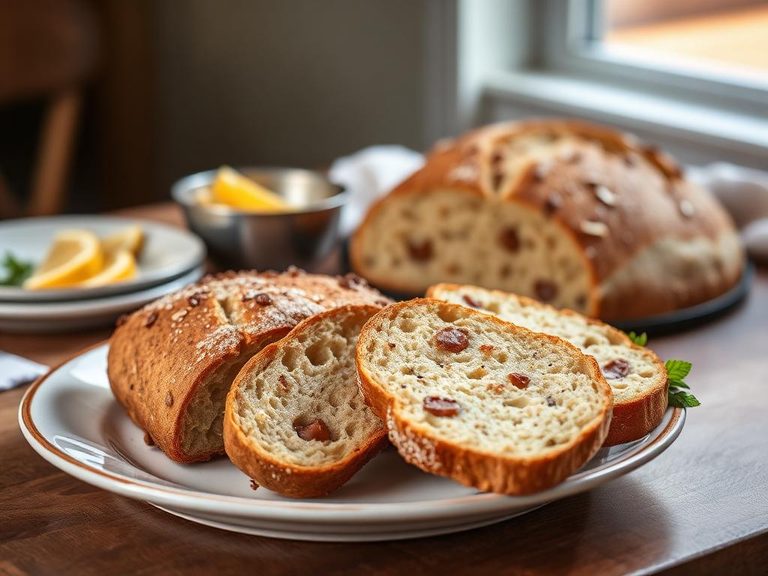
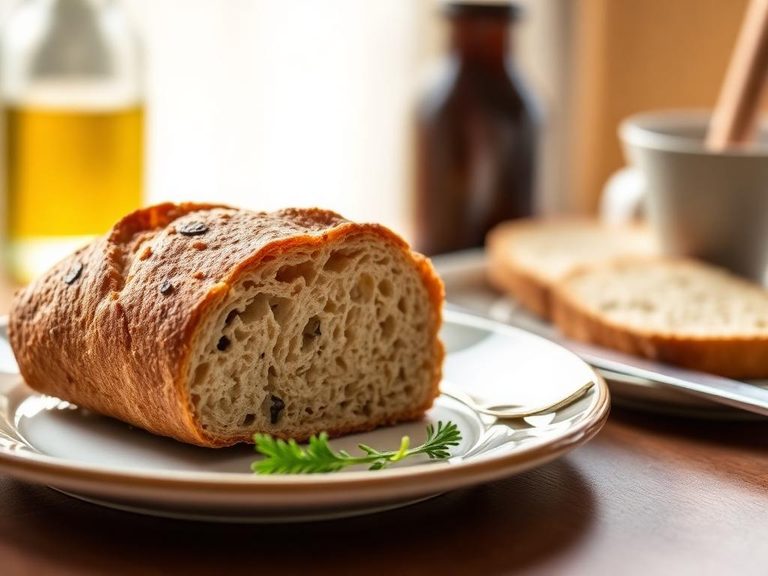
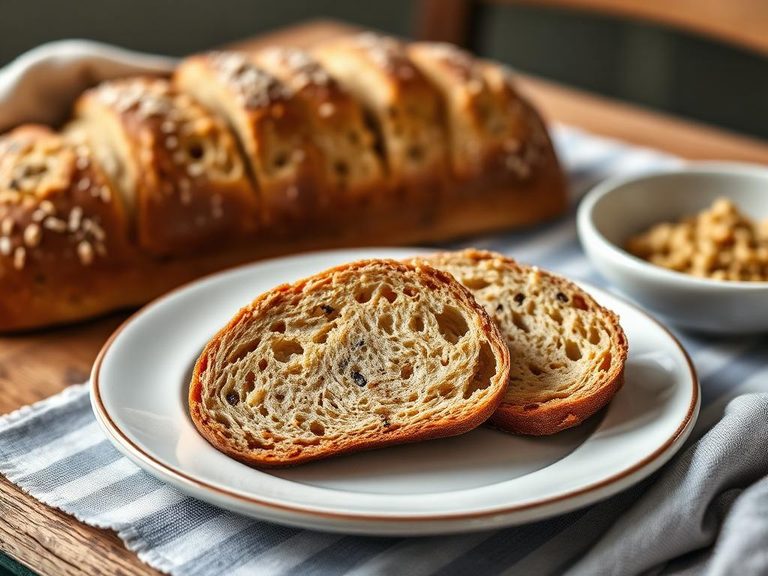
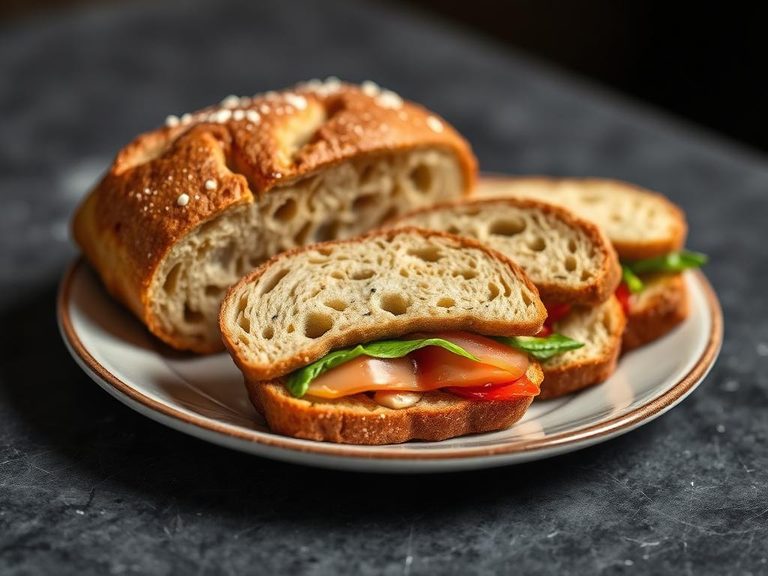
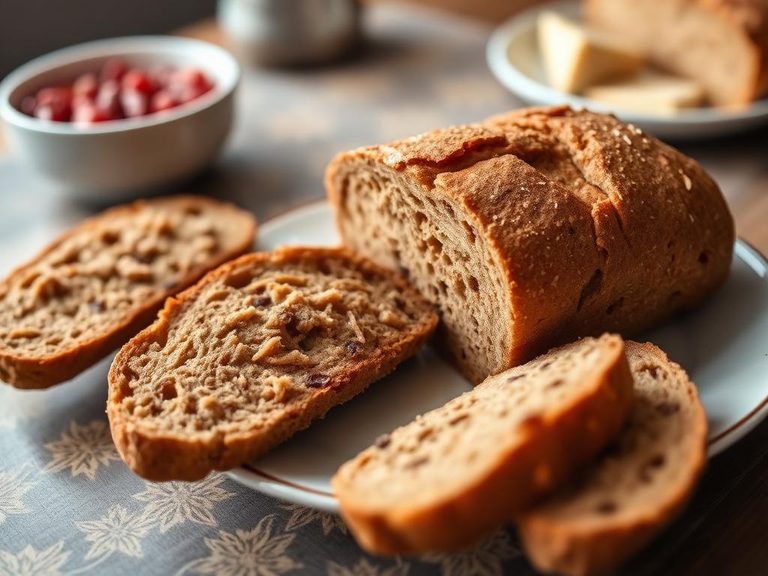
Rye bread and soda bread are two distinct types of traditional European breads. Rye bread is a dense, dark loaf made primarily from rye flour, originating in Northern and Eastern Europe. Soda bread is a quick, leavened bread from Ireland, made with flour, buttermilk, and baking soda as a rising agent.
🍽️ Nutrition at a glance
Both breads are primarily a source of complex carbohydrates and dietary fiber, with rye bread offering a particularly high fiber content. A typical slice provides a moderate amount of calories, with minimal fat and a small amount of protein.
Nutrition breakdown
| Calories | 120 kcal |
| Protein | 3 g |
| Carbs | 24 g |
| Fat | 1 g |
| Fiber | 3 g |
| Sugar | 2 g |
| Sodium | 200 mg |
| Manganese | 0.5 mg |
| Selenium | 10 µg |
| Thiamine (B1) | 0.1 mg |
| Niacin (B3) | 1.5 mg |
| Folate | 30 µg |
| Iron | 1.2 mg |
| Magnesium | 20 mg |
| Phosphorus | 50 mg |
Per 1 slice (approx. 50 g) · estimated, varies by recipe
💡 What's interesting
Rye bread's unique flavor and dense texture come from its high fiber and acid content, which also helps it stay fresh longer. Soda bread is a classic example of a 'quick bread,' requiring no yeast or rising time, making it a historic staple for fast, daily baking.