Rye bread
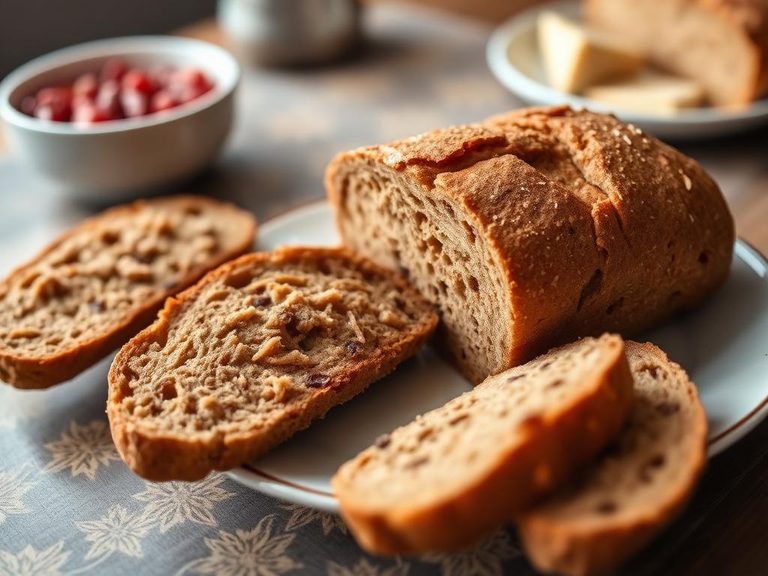
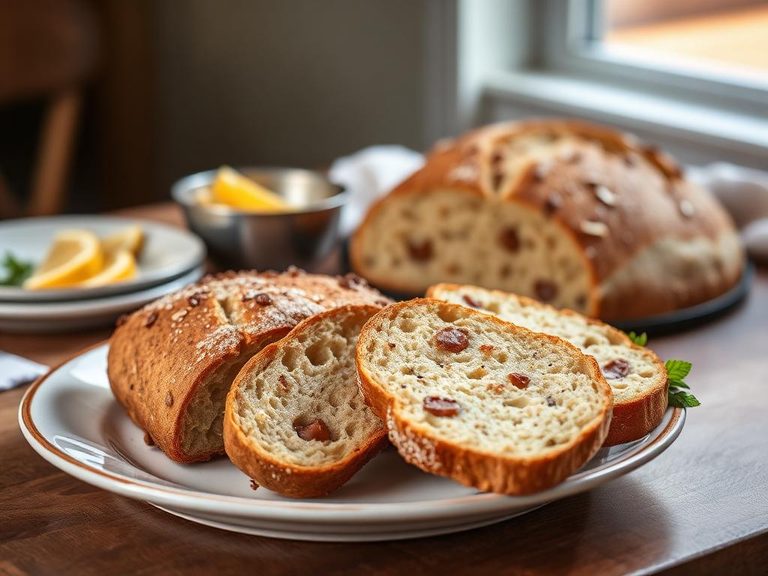
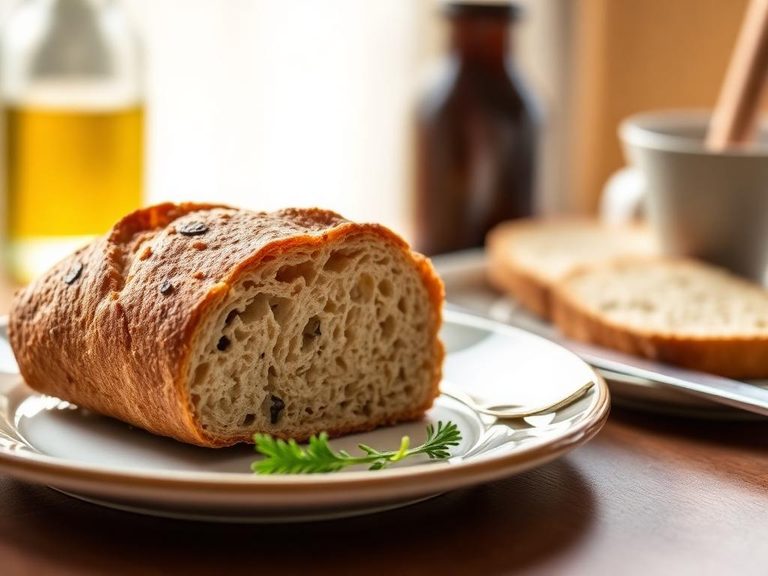
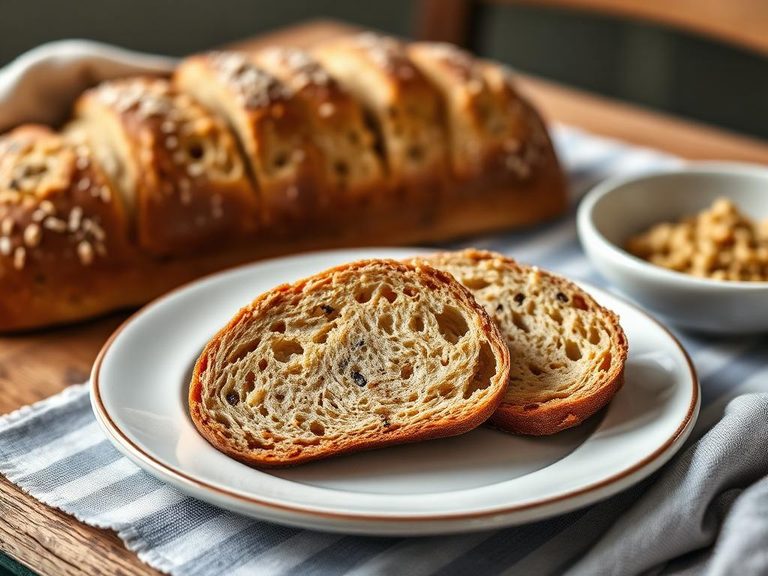
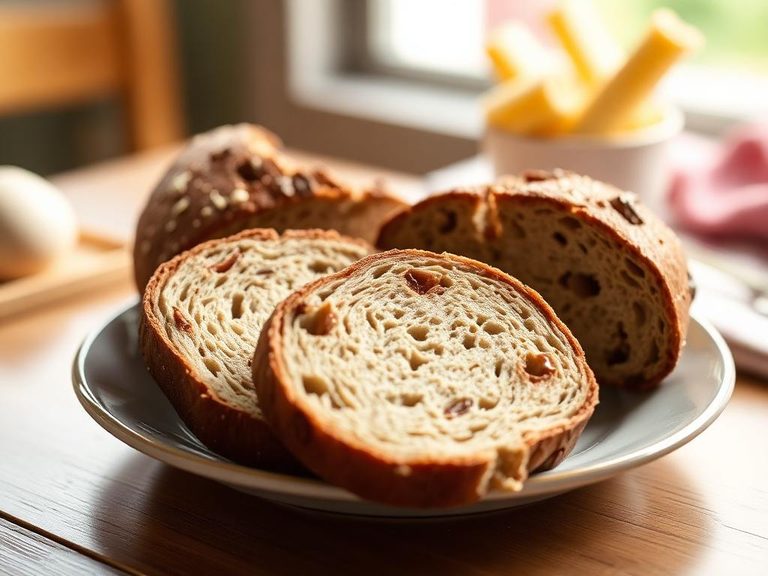
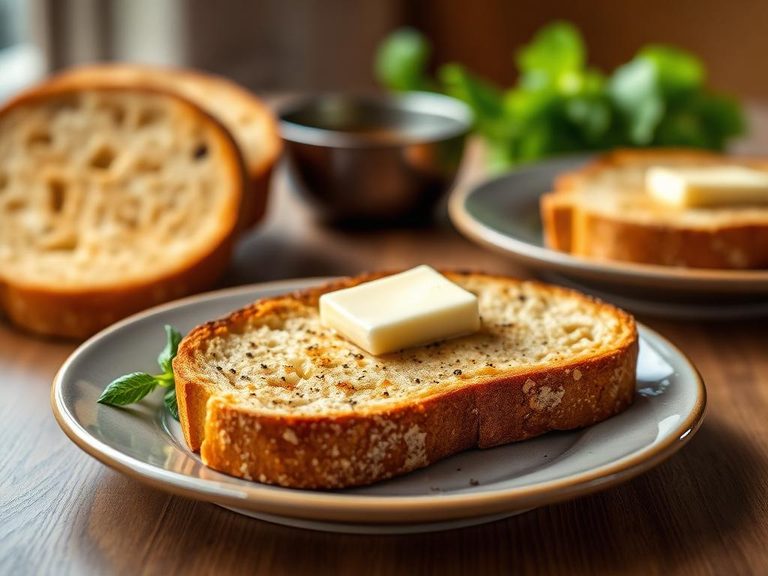
Jewish rye is a dense, flavorful bread traditionally made with a blend of rye and wheat flour, often flavored with caraway seeds and leavened with sourdough starter. It originated in Central and Eastern Europe and became a staple in Jewish delis, particularly in New York City.
🍽️ Nutrition at a glance
It is a moderate source of complex carbohydrates and provides dietary fiber, B vitamins, and minerals like iron and magnesium. A typical 2-ounce slice contains roughly 150-180 calories, with less fat and more fiber than many white breads.
Nutrition breakdown
| Calories | 140 kcal |
| Protein | 4.5 g |
| Carbs | 26 g |
| Fat | 1.5 g |
| Fiber | 3 g |
| Sugar | 2 g |
| Sodium | 300 mg |
| Iron | 1.5 mg |
| Thiamin (B1) | 0.2 mg |
| Niacin (B3) | 2.5 mg |
| Folate | 45 mcg |
| Magnesium | 25 mg |
| Selenium | 12 mcg |
| Manganese | 0.5 mg |
| Phosphorus | 80 mg |
Per 1 slice (approx. 56 g) · estimated, varies by recipe
💡 What's interesting
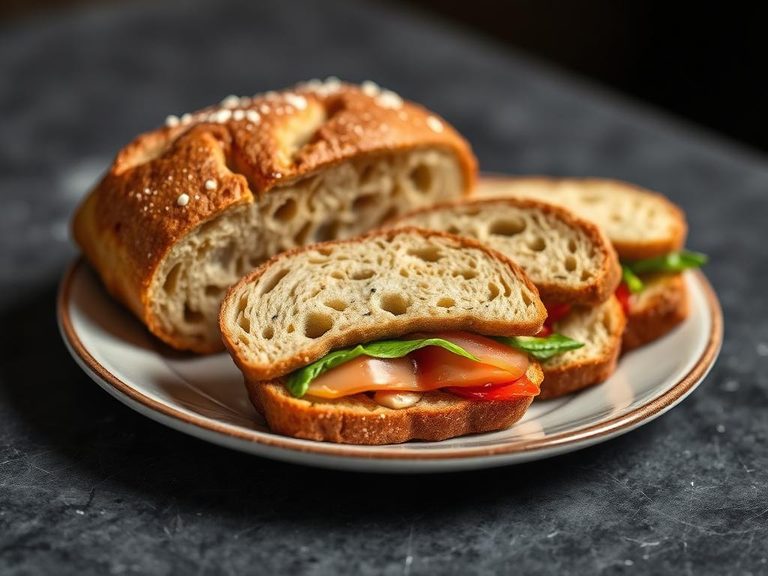
The bread's distinctive tangy flavor often comes from a sourdough culture, and its dense texture makes it the perfect vehicle for piled-high deli meats like pastrami. Nutritionally, rye flour has been linked to improved digestion and satiety compared to refined grains.