

Corn, sweet, yellow, canned, no salt added, solids and liquids (Includes foods for USDA's Food Distribution Program)
Whole food · Vegetables and Vegetable Products
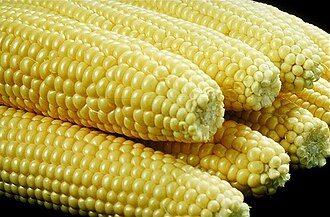
Photo: Wikipedia
This is sweet yellow corn, canned whole kernel with its natural liquids, offering a tender, plump bite and a burst of sunny, starchy sweetness. Its nutrition is characterized by a modest calorie count and a good dose of fiber and natural sugars. It's a convenient, ready-to-eat staple that retains much of its fresh counterpart's character.
Calorie split: 11% protein · 79% carbs · 10% fat
↓ Full nutrition💚 Why it's loved
People adore its natural, comforting sweetness and satisfying pop, which makes it a versatile ingredient from salads to casseroles. It's a nostalgic taste of summer and a quick, wholesome addition to countless meals.
⚠️ Watch-outs & how to enjoy it better
Its natural sugars can cause blood sugar spikes, so those managing diabetes should monitor portions. It's also a common ingredient in dishes high in fat or sodium (like creamed corn or casseroles). Counteract by pairing with lean protein (like chicken or beans) and non-starchy vegetables, and always choose 'no salt added' versions to control sodium intake.
Key benefits
- Good source of dietary fiber for digestive health
- Provides essential minerals like phosphorus and magnesium
- Contains antioxidants like lutein and zeaxanthin for eye health
- Low in fat and a source of plant-based protein
- Convenient and shelf-stable with no added salt
🍽️ Popular dishes
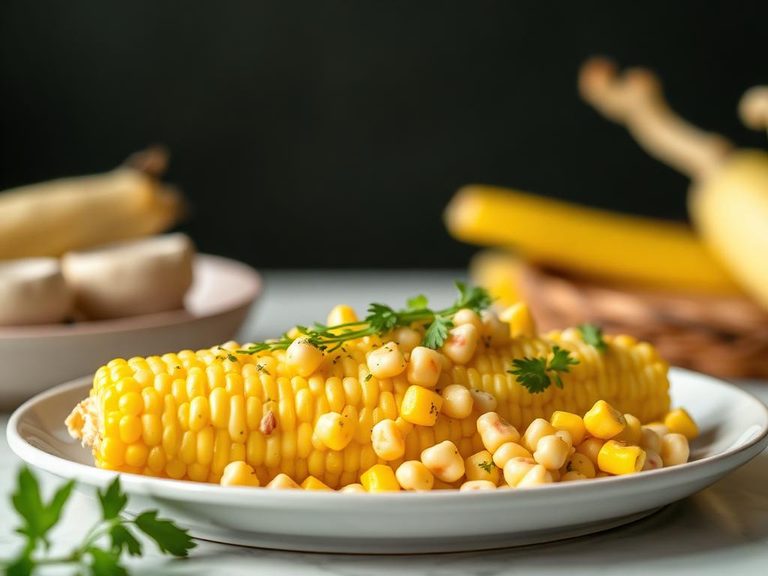
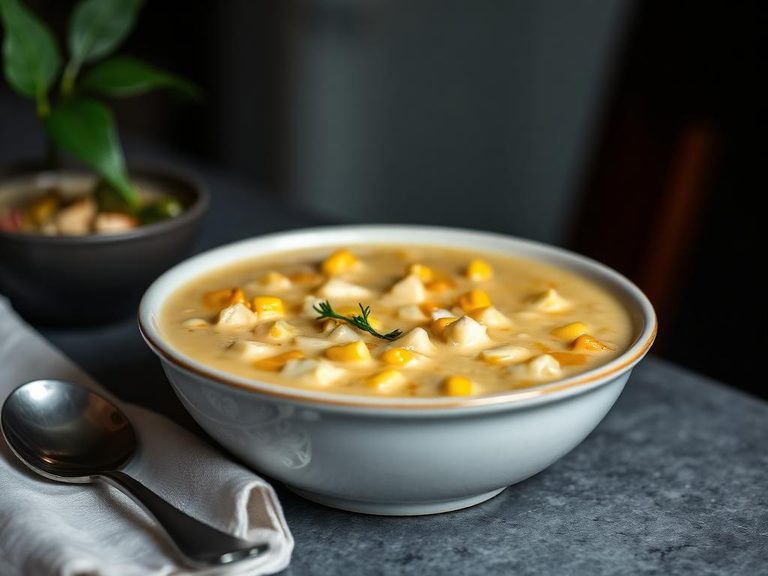
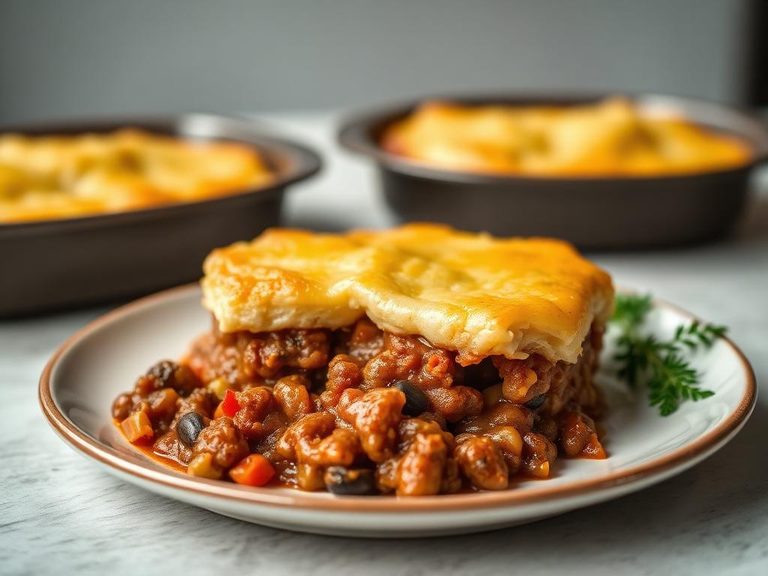
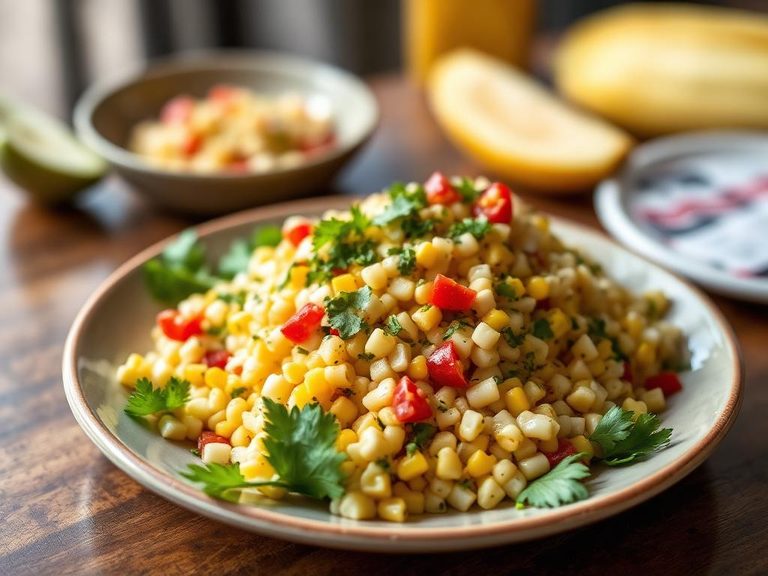
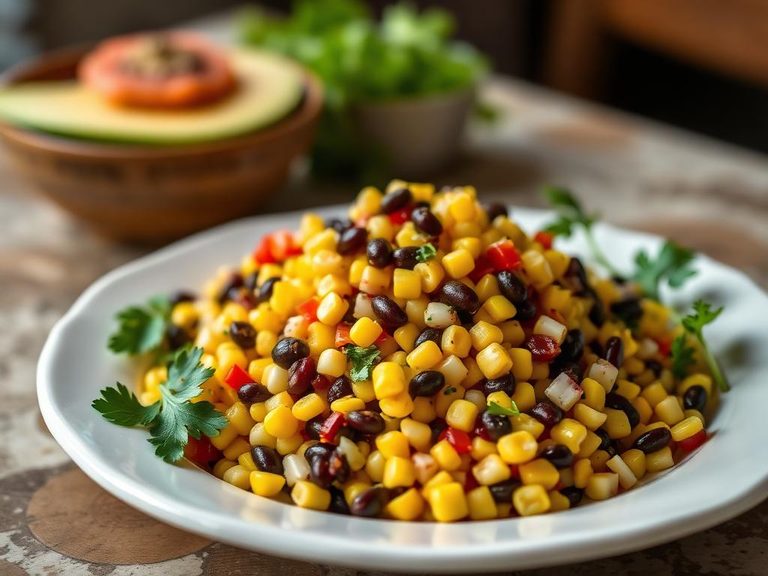
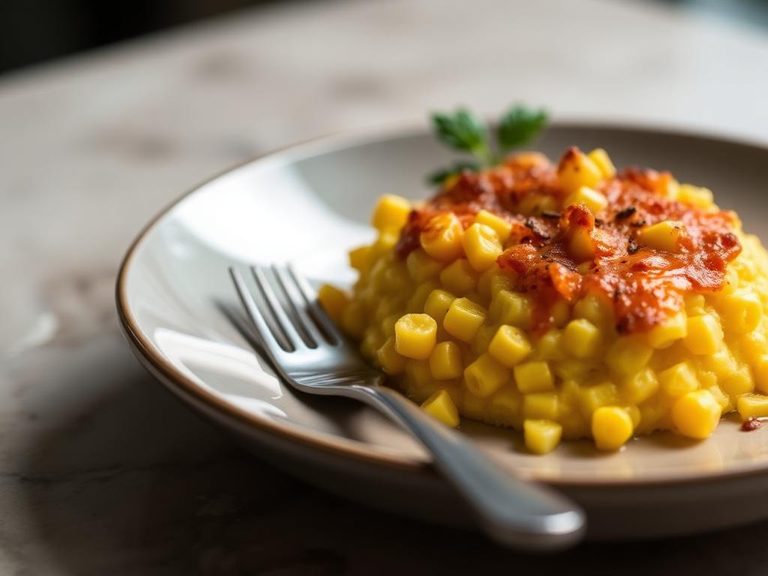
🌍 Where it's eaten
💡 Did you know?
One medium ear of corn yields about 1 cup of kernels, and each kernel is a separate fruit, meaning a single ear can contain over 800 individual kernels arranged in an average of 16 rows.
Full nutrition (USDA data · scales with serving)
| Water | 82.6 g |
| Energy | 61.0 kcal |
| Energy | 254 kj |
| Protein | 1.9 g |
| Total lipid (fat) | 0.77 g |
| Ash | 0.80 g |
| Carbohydrate, by difference | 13.9 g |
| Fiber, total dietary | 1.7 g |
| Total Sugars | 4.2 g |
| Sucrose | 3.6 g |
| Glucose | 0.26 g |
| Fructose | 0.17 g |
| Lactose | 0.00 g |
| Maltose | 0.07 g |
| Galactose | 0.00 g |
| Calcium, Ca | 4.0 mg |
| Iron, Fe | 0.36 mg |
| Magnesium, Mg | 15.0 mg |
| Phosphorus, P | 46.0 mg |
| Potassium, K | 136 mg |
| Sodium, Na | 12.0 mg |
| Zinc, Zn | 0.39 mg |
| Copper, Cu | 0.03 mg |
| Manganese, Mn | 0.08 mg |
| Selenium, Se | 0.50 ug |
| Fluoride, F | 18.0 ug |
| Vitamin C, total ascorbic acid | 2.6 mg |
| Thiamin | 0.01 mg |
| Riboflavin | 0.01 mg |
| Niacin | 0.88 mg |
| Pantothenic acid | 0.52 mg |
| Vitamin B-6 | 0.04 mg |
| Folate, total | 38.0 ug |
| Folic acid | 0.00 ug |
| Folate, food | 38.0 ug |
| Folate, DFE | 38.0 ug |
| Choline, total | 16.6 mg |
| Vitamin B-12 | 0.00 ug |
| Vitamin B-12, added | 0.00 ug |
| Vitamin A, RAE | 2.0 ug |
| Retinol | 0.00 ug |
| Carotene, beta | 9.0 ug |
| Carotene, alpha | 10.0 ug |
| Cryptoxanthin, beta | 14.0 ug |
| Vitamin A, IU | 34.0 iu |
| Lycopene | 0.00 ug |
| Lutein + zeaxanthin | 650 ug |
| Vitamin E (alpha-tocopherol) | 0.03 mg |
| Vitamin E, added | 0.00 mg |
| Tocopherol, beta | 0.00 mg |
| Tocopherol, gamma | 0.00 mg |
| Tocopherol, delta | 0.00 mg |
| Tocotrienol, alpha | 0.12 mg |
| Tocotrienol, beta | 0.00 mg |
| Tocotrienol, gamma | 1.3 mg |
| Tocotrienol, delta | 0.00 mg |
| Vitamin D (D2 + D3), International Units | 0.00 iu |
| Vitamin D (D2 + D3) | 0.00 ug |
| Vitamin K (phylloquinone) | 0.00 ug |
| Alcohol, ethyl | 0.00 g |
| Caffeine | 0.00 mg |
| Theobromine | 0.00 mg |
Fat & fatty acid profile (per 100g)
| Fatty acids, total saturated | 0.08 g |
| SFA 4:0 | 0.00 g |
| SFA 6:0 | 0.00 g |
| SFA 8:0 | 0.00 g |
| SFA 10:0 | 0.00 g |
| SFA 12:0 | 0.00 g |
| SFA 14:0 | 0.00 g |
| SFA 16:0 | 0.07 g |
| SFA 18:0 | 0.00 g |
| Fatty acids, total monounsaturated | 0.14 g |
| MUFA 16:1 | 0.00 g |
| MUFA 18:1 | 0.14 g |
| MUFA 20:1 | 0.00 g |
| MUFA 22:1 | 0.00 g |
| Fatty acids, total polyunsaturated | 0.23 g |
| PUFA 18:2 | 0.23 g |
| PUFA 18:3 | 0.01 g |
| PUFA 18:4 | 0.00 g |
| PUFA 20:4 | 0.00 g |
| PUFA 20:5 n-3 (EPA) | 0.00 g |
| PUFA 22:5 n-3 (DPA) | 0.00 g |
| PUFA 22:6 n-3 (DHA) | 0.00 g |
| Fatty acids, total trans | 0.00 g |
| Cholesterol | 0.00 mg |
Amino acid profile (per 100g)
| Tryptophan | 0.01 g |
| Threonine | 0.05 g |
| Isoleucine | 0.05 g |
| Leucine | 0.20 g |
| Lysine | 0.15 g |
| Methionine | 0.04 g |
| Cystine | 0.02 g |
| Phenylalanine | 0.07 g |
| Tyrosine | 0.06 g |
| Valine | 0.07 g |
| Arginine | 0.07 g |
| Histidine | 0.04 g |
| Alanine | 0.13 g |
| Aspartic acid | 0.11 g |
| Glutamic acid | 0.32 g |
| Glycine | 0.06 g |
| Proline | 0.20 g |
| Serine | 0.09 g |
FAQ
Is canned corn as nutritious as fresh corn?
Yes, it's very comparable. The canning process preserves most vitamins and minerals. The 'no salt added' version is particularly healthy, and the liquid (if consumed) contains some leached nutrients.
Why is my canned corn sometimes mushy?
Overcooking during the canning process or storage can soften the kernels. For best texture, heat gently just until warm. You can also drain and quickly sauté it in a pan to improve texture.
Can I eat the liquid from the can?
Absolutely. It's just water and corn juices, with some starch and nutrients. It's often used as a flavorful, mild broth in soups, chowders, or to cook grains like rice.
Nutrient density (calculated · NRF9.3)
Nutrient Rich Foods index: beneficial nutrients (protein, fiber, vitamins, minerals) minus saturated fat, added sugar & sodium, per 100 kcal.
NRF9.3 index — Fulgoni, Keast & Drewnowski, 2009. Computed from USDA nutrients.
Weight-loss friendliness (composite index)
Energy density 0.61 kcal/g · 13% calories from protein · 1.7 g fiber · 4.2 g sugar per 100 g.
Composite of energy density (Rolls et al., 1999), protein & fiber satiety, minus sugar. A calculated heuristic — ranks satiety-per-calorie, not a clinical measure.
Dietary load (calculated from USDA values)
Potential renal acid load. Positive = acid-forming, negative = alkaline-forming.
Sodium-to-potassium ratio: 0.09 (lower is better — aim for ≤ 1)
Sodium:potassium per WHO potassium guidance. Computed from USDA nutrients.