

Pork, cured, ham with natural juices, slice, bone-in, separable lean only, unheated
Whole food · Pork Products
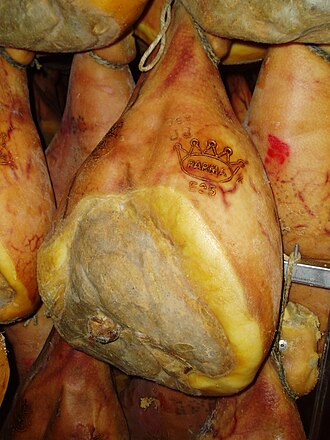
Photo: Wikipedia
This is a lean, bone-in slice of dry-cured ham, prized for its firm, dense texture and concentrated, savory-salty flavor with subtle nutty and sweet undertones from the curing process. It's a protein powerhouse with virtually no fat or carbohydrates, offering a clean, intense pork taste. The natural juices are a byproduct of its curing and aging, not added liquid.
Calorie split: 79% protein · 0% carbs · 21% fat
↓ Full nutrition💚 Why it's loved
People love it for its deep, complex umami flavor that can elevate simple dishes, and its satisfying, toothsome bite. It's a versatile staple in charcuterie, sandwiches, and salads, embodying centuries of European curing tradition.
⚠️ Watch-outs & how to enjoy it better
The primary concern is its very high sodium content, which can be problematic for those monitoring salt intake. To counteract this, pair it with potassium-rich foods like leafy greens or fresh fruit, and use it as a flavorful accent rather than the main protein source. Those with specific dietary restrictions for histamines or nitrates should also consume it in moderation.
Key benefits
- Exceptionally high in complete protein per calorie
- Very low in fat and contains zero carbohydrates
- Provides essential minerals like phosphorus and zinc
- Requires no cooking, offering ultimate convenience
- Long shelf life due to traditional curing methods
🍽️ Popular dishes

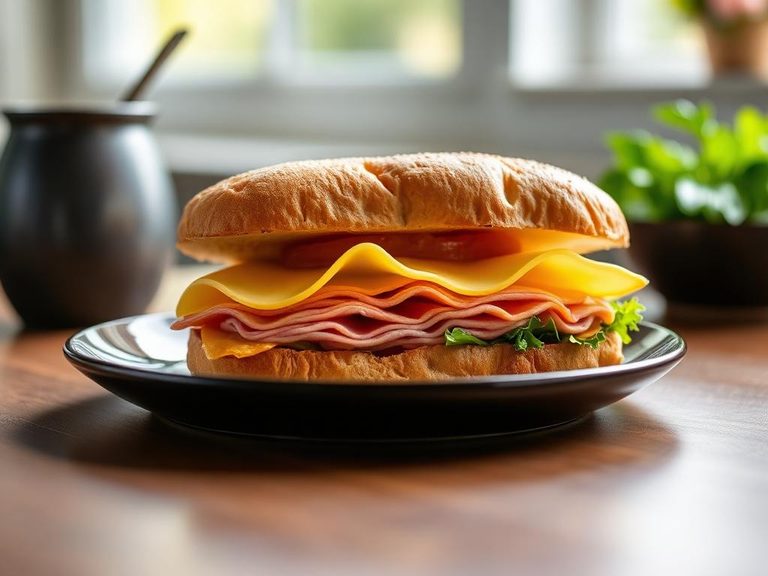
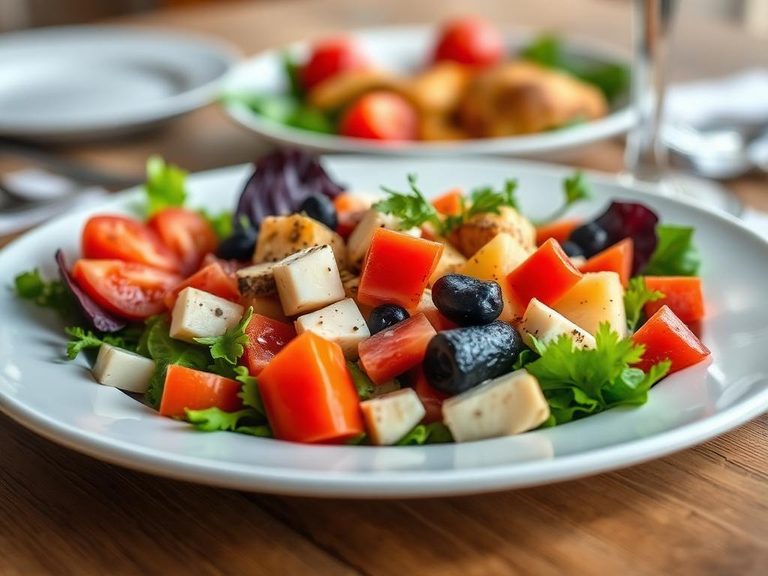
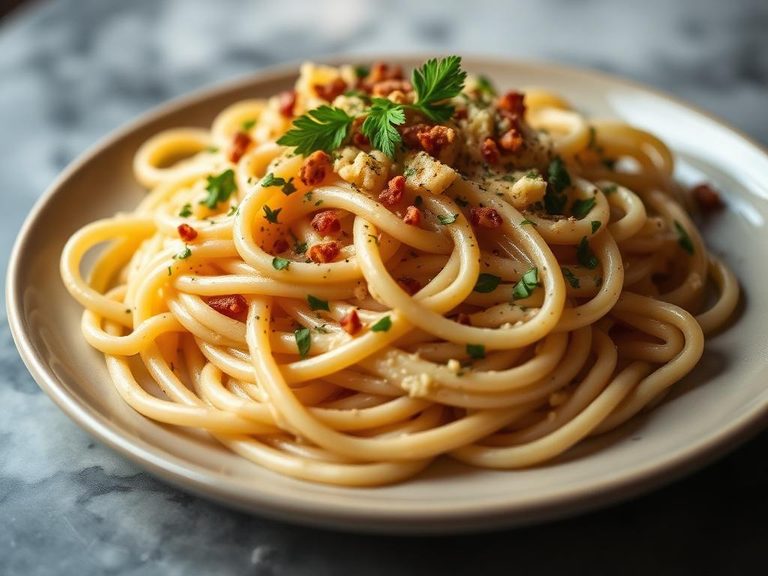
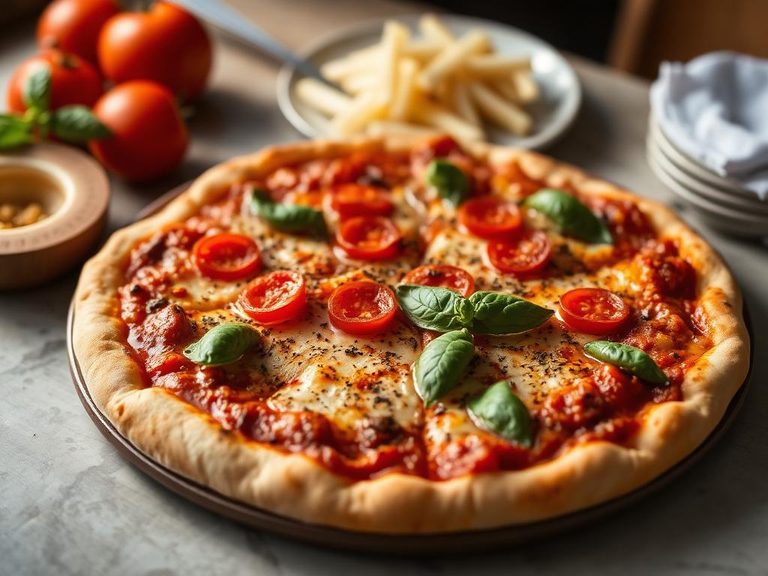
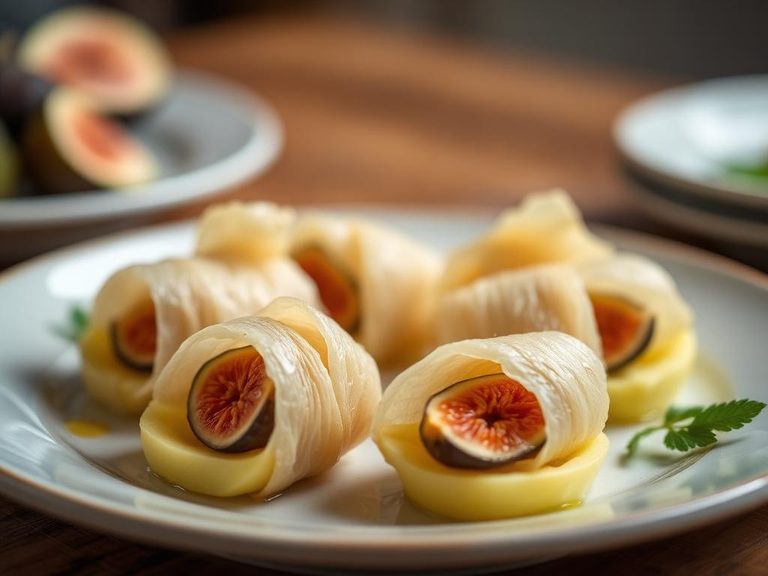
🌍 Where it's eaten
💡 Did you know?
The 'natural juices' in the package are not added brine but are exuded from the meat itself during the curing and slicing process, a sign of proper moisture retention in a quality product.
Full nutrition (USDA data · scales with serving)
| Water | 70.3 g |
| Energy | 123 kcal |
| Energy | 515 kj |
| Protein | 24.3 g |
| Total lipid (fat) | 2.9 g |
| Ash | 2.8 g |
| Carbohydrate, by difference | 0.00 g |
| Fiber, total dietary | 0.00 g |
| Total Sugars | 0.00 g |
| Sucrose | 0.00 g |
| Glucose | 0.00 g |
| Fructose | 0.00 g |
| Lactose | 0.00 g |
| Maltose | 0.00 g |
| Galactose | 0.00 g |
| Calcium, Ca | 9.0 mg |
| Iron, Fe | 1.1 mg |
| Magnesium, Mg | 20.0 mg |
| Phosphorus, P | 258 mg |
| Potassium, K | 300 mg |
| Sodium, Na | 861 mg |
| Zinc, Zn | 2.3 mg |
| Copper, Cu | 0.10 mg |
| Manganese, Mn | 0.02 mg |
| Selenium, Se | 46.5 ug |
| Vitamin C, total ascorbic acid | 0.00 mg |
| Thiamin | 0.24 mg |
| Riboflavin | 0.25 mg |
| Niacin | 6.6 mg |
| Pantothenic acid | 0.41 mg |
| Vitamin B-6 | 0.35 mg |
| Folate, total | 1.0 ug |
| Folic acid | 0.00 ug |
| Folate, food | 1.0 ug |
| Folate, DFE | 1.0 ug |
| Choline, total | 125 mg |
| Betaine | 1.7 mg |
| Vitamin B-12 | 0.60 ug |
| Vitamin B-12, added | 0.00 ug |
| Vitamin A, RAE | 12.0 ug |
| Retinol | 12.0 ug |
| Carotene, beta | 0.00 ug |
| Carotene, alpha | 0.00 ug |
| Cryptoxanthin, beta | 0.00 ug |
| Vitamin A, IU | 39.0 iu |
| Lycopene | 0.00 ug |
| Lutein + zeaxanthin | 0.00 ug |
| Vitamin E (alpha-tocopherol) | 0.20 mg |
| Vitamin E, added | 0.00 mg |
| Tocopherol, beta | 0.01 mg |
| Tocopherol, gamma | 0.03 mg |
| Tocopherol, delta | 0.00 mg |
| Vitamin K (phylloquinone) | 0.00 ug |
| Alcohol, ethyl | 0.00 g |
| Caffeine | 0.00 mg |
| Theobromine | 0.00 mg |
Fat & fatty acid profile (per 100g)
| Fatty acids, total saturated | 0.73 g |
| SFA 4:0 | 0.00 g |
| SFA 6:0 | 0.00 g |
| SFA 8:0 | 0.00 g |
| SFA 10:0 | 0.00 g |
| SFA 12:0 | 0.00 g |
| SFA 14:0 | 0.03 g |
| SFA 15:0 | 0.00 g |
| SFA 16:0 | 0.46 g |
| SFA 17:0 | 0.01 g |
| SFA 18:0 | 0.22 g |
| SFA 20:0 | 0.00 g |
| SFA 22:0 | 0.01 g |
| Fatty acids, total monounsaturated | 0.88 g |
| MUFA 14:1 | 0.00 g |
| MUFA 15:1 | 0.00 g |
| MUFA 16:1 | 0.06 g |
| MUFA 17:1 | 0.00 g |
| MUFA 18:1 | 0.81 g |
| MUFA 18:1 c | 0.80 g |
| MUFA 20:1 | 0.01 g |
| MUFA 22:1 | 0.00 g |
| Fatty acids, total polyunsaturated | 0.38 g |
| PUFA 18:2 | 0.30 g |
| PUFA 18:2 n-6 c,c | 0.29 g |
| PUFA 18:3 | 0.01 g |
| PUFA 18:3 n-3 c,c,c (ALA) | 0.01 g |
| PUFA 18:3 n-6 c,c,c | 0.00 g |
| PUFA 18:4 | 0.00 g |
| PUFA 20:2 n-6 c,c | 0.01 g |
| PUFA 20:3 | 0.00 g |
| PUFA 20:4 | 0.06 g |
| PUFA 20:5 n-3 (EPA) | 0.00 g |
| PUFA 22:5 n-3 (DPA) | 0.00 g |
| PUFA 22:6 n-3 (DHA) | 0.00 g |
| Fatty acids, total trans | 0.01 g |
| Fatty acids, total trans-monoenoic | 0.01 g |
| TFA 18:1 t | 0.01 g |
| TFA 18:2 t,t | 0.01 g |
| Fatty acids, total trans-polyenoic | 0.01 g |
| Cholesterol | 63.0 mg |
Amino acid profile (per 100g)
| Tryptophan | 0.23 g |
| Threonine | 1.1 g |
| Isoleucine | 1.1 g |
| Leucine | 1.9 g |
| Lysine | 2.1 g |
| Methionine | 0.58 g |
| Cystine | 0.27 g |
| Phenylalanine | 0.97 g |
| Tyrosine | 0.79 g |
| Valine | 1.2 g |
| Arginine | 1.6 g |
| Histidine | 1.1 g |
| Alanine | 1.4 g |
| Aspartic acid | 2.1 g |
| Glutamic acid | 3.5 g |
| Glycine | 1.3 g |
| Proline | 1.0 g |
| Serine | 0.95 g |
| Hydroxyproline | 0.16 g |
FAQ
What's the difference between this and regular cooked ham?
This is a dry-cured product, meaning salt and sometimes sugar and spices are applied directly to the meat and it's aged, concentrating flavor and texture. Regular cooked ham is typically brined (injected with solution) and then boiled or steamed, resulting in a milder, wetter product.
Does 'bone-in' affect how I use it?
The bone adds flavor during any potential cooking (like glazing) but for this pre-sliced, unheated product, it's primarily a marker of the original cut. You simply eat around the bone if present in your slice.
Is it safe to eat straight from the package?
Yes. This is a ready-to-eat product. The curing and aging process makes it safe to consume without further cooking, similar to salami or prosciutto.
How should I store it after opening?
Reseal tightly in its original packaging or wrap in plastic wrap/airtight container. Refrigerate and consume within 3-5 days for best quality. Freezing is possible but may alter the delicate texture.
Nutrient density (calculated · NRF9.3)
Nutrient Rich Foods index: beneficial nutrients (protein, fiber, vitamins, minerals) minus saturated fat, added sugar & sodium, per 100 kcal.
NRF9.3 index — Fulgoni, Keast & Drewnowski, 2009. Computed from USDA nutrients.
Weight-loss friendliness (composite index)
Energy density 1.23 kcal/g · 79% calories from protein · 0.0 g fiber · 0.0 g sugar per 100 g.
Composite of energy density (Rolls et al., 1999), protein & fiber satiety, minus sugar. A calculated heuristic — ranks satiety-per-calorie, not a clinical measure.
Dietary load (calculated from USDA values)
Potential renal acid load. Positive = acid-forming, negative = alkaline-forming.
Sodium-to-potassium ratio: 2.87 (lower is better — aim for ≤ 1)
Sodium:potassium per WHO potassium guidance. Computed from USDA nutrients.