

Cheese, cottage, nonfat, uncreamed, dry, large or small curd
Whole food · Dairy and Egg Products

Photo: Wikipedia
Nonfat dry cottage cheese is a stark, protein-packed dairy product with a firm, crumbly texture and a mild, tangy flavor. Unlike its creamy, wetter cousin, it's essentially curds with almost no liquid, making it a concentrated source of lean protein. With just 72 calories and over 10 grams of protein per 100 grams, it's a powerhouse for muscle repair and satiety.
Calorie split: 59% protein · 38% carbs · 4% fat
↓ Full nutrition💚 Why it's loved
People love it for its incredible versatility and clean, protein-forward profile. It's a staple in health-conscious diets, easily mixed into smoothies, salads, or baked goods, and its mild taste acts as a blank canvas for both sweet and savory flavors.
⚠️ Watch-outs & how to enjoy it better
Its dry, crumbly texture can be off-putting to those who prefer creamier dairy, and it can be high in sodium, which may concern those managing blood pressure. To counteract this, look for low-sodium versions and pair it with potassium-rich foods like bananas or spinach. Additionally, as a dairy product, it's a common allergen; those with lactose intolerance can try small portions or choose lactose-free alternatives.
Key benefits
- Extremely high in protein (10.34g per 100g) for muscle building.
- Very low in fat (0.29g per 100g) and calories (72 kcal).
- Rich in phosphorus and selenium for bone health and antioxidant defense.
- Good source of B vitamins, especially B12 and riboflavin for energy metabolism.
- Versatile ingredient for both sweet and savory dishes.
🍽️ Popular dishes
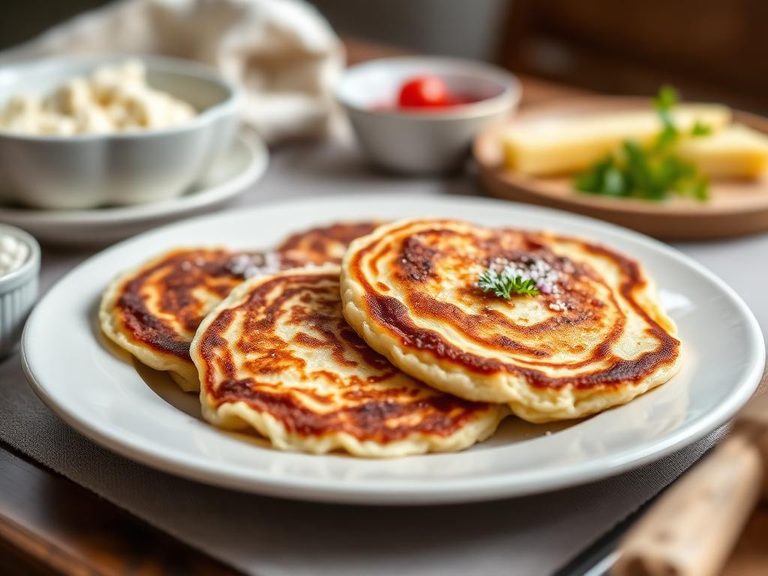
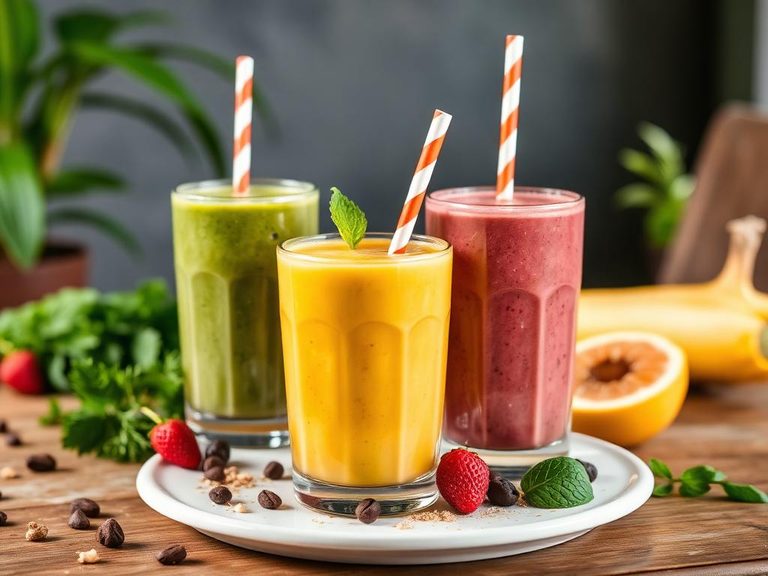
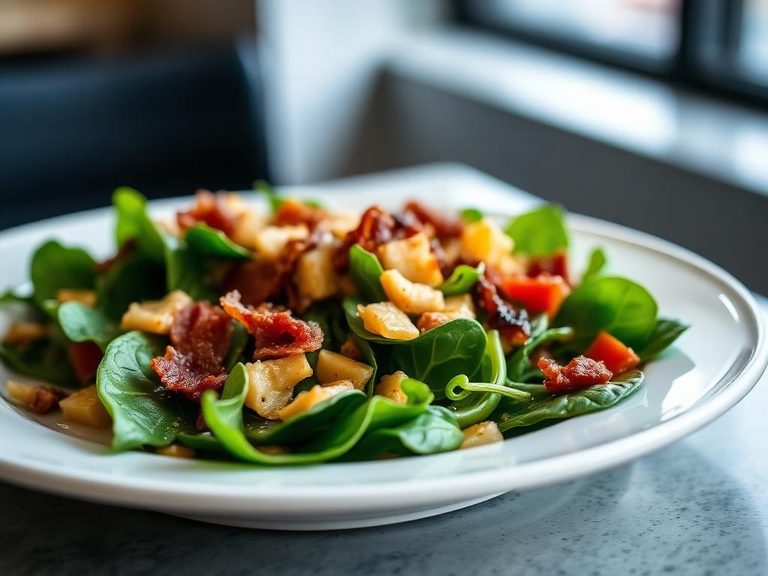
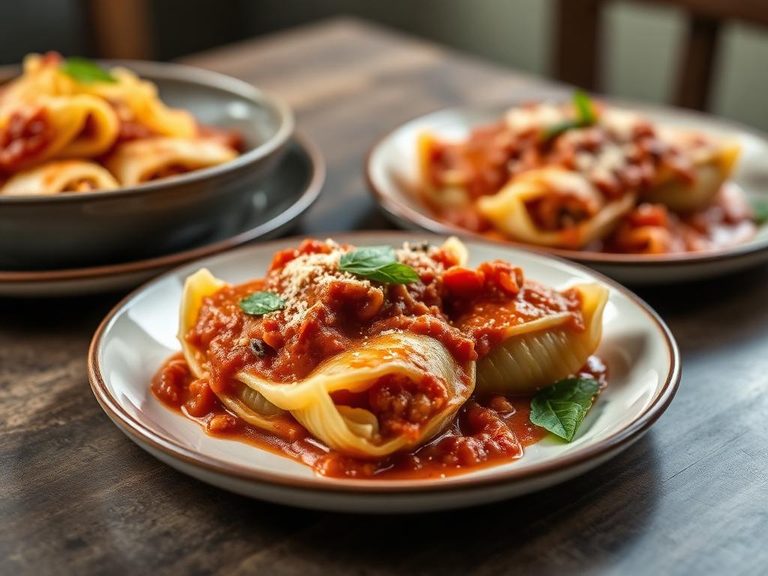

🌍 Where it's eaten
💡 Did you know?
Cottage cheese is one of the oldest cheeses in the world, with evidence of its production dating back to ancient Mesopotamia, and its name likely derives from the small, 'cottage-sized' curds it contains.
Full nutrition (USDA data · scales with serving)
| Water | 81.0 g |
| Energy | 72.0 kcal |
| Energy | 303 kj |
| Protein | 10.3 g |
| Total lipid (fat) | 0.29 g |
| Ash | 1.7 g |
| Carbohydrate, by difference | 6.7 g |
| Fiber, total dietary | 0.00 g |
| Total Sugars | 1.9 g |
| Sucrose | 0.00 g |
| Glucose | 0.29 g |
| Fructose | 0.00 g |
| Lactose | 1.6 g |
| Maltose | 0.00 g |
| Calcium, Ca | 86.0 mg |
| Iron, Fe | 0.15 mg |
| Magnesium, Mg | 11.0 mg |
| Phosphorus, P | 190 mg |
| Potassium, K | 137 mg |
| Sodium, Na | 372 mg |
| Zinc, Zn | 0.47 mg |
| Copper, Cu | 0.03 mg |
| Manganese, Mn | 0.02 mg |
| Selenium, Se | 9.4 ug |
| Fluoride, F | 31.6 ug |
| Vitamin C, total ascorbic acid | 0.00 mg |
| Thiamin | 0.02 mg |
| Riboflavin | 0.23 mg |
| Niacin | 0.14 mg |
| Pantothenic acid | 0.45 mg |
| Vitamin B-6 | 0.02 mg |
| Folate, total | 9.0 ug |
| Folic acid | 0.00 ug |
| Folate, food | 9.0 ug |
| Folate, DFE | 9.0 ug |
| Choline, total | 17.9 mg |
| Betaine | 0.90 mg |
| Vitamin B-12 | 0.46 ug |
| Vitamin B-12, added | 0.00 ug |
| Vitamin A, RAE | 2.0 ug |
| Retinol | 2.0 ug |
| Carotene, beta | 0.00 ug |
| Carotene, alpha | 0.00 ug |
| Cryptoxanthin, beta | 0.00 ug |
| Vitamin A, IU | 8.0 iu |
| Lycopene | 0.00 ug |
| Lutein + zeaxanthin | 0.00 ug |
| Vitamin E (alpha-tocopherol) | 0.01 mg |
| Vitamin E, added | 0.00 mg |
| Tocopherol, beta | 0.00 mg |
| Tocopherol, gamma | 0.01 mg |
| Tocopherol, delta | 0.00 mg |
| Tocotrienol, alpha | 0.00 mg |
| Tocotrienol, beta | 0.00 mg |
| Tocotrienol, gamma | 0.00 mg |
| Tocotrienol, delta | 0.00 mg |
| Vitamin D (D2 + D3), International Units | 0.00 iu |
| Vitamin D (D2 + D3) | 0.00 ug |
| Vitamin K (phylloquinone) | 0.00 ug |
| Vitamin K (Dihydrophylloquinone) | 0.00 ug |
| Alcohol, ethyl | 0.00 g |
| Caffeine | 0.00 mg |
| Theobromine | 0.00 mg |
Fat & fatty acid profile (per 100g)
| Fatty acids, total saturated | 0.17 g |
| SFA 4:0 | 0.01 g |
| SFA 6:0 | 0.00 g |
| SFA 8:0 | 0.01 g |
| SFA 10:0 | 0.01 g |
| SFA 12:0 | 0.01 g |
| SFA 14:0 | 0.02 g |
| SFA 15:0 | 0.00 g |
| SFA 16:0 | 0.07 g |
| SFA 17:0 | 0.00 g |
| SFA 18:0 | 0.05 g |
| SFA 20:0 | 0.00 g |
| SFA 22:0 | 0.00 g |
| SFA 24:0 | 0.00 g |
| Fatty acids, total monounsaturated | 0.08 g |
| MUFA 16:1 | 0.01 g |
| MUFA 17:1 | 0.00 g |
| MUFA 18:1 | 0.07 g |
| MUFA 20:1 | 0.00 g |
| MUFA 22:1 | 0.00 g |
| MUFA 24:1 c | 0.00 g |
| Fatty acids, total polyunsaturated | 0.00 g |
| PUFA 18:2 | 0.00 g |
| PUFA 18:3 | 0.00 g |
| PUFA 18:4 | 0.00 g |
| PUFA 20:2 n-6 c,c | 0.00 g |
| PUFA 20:3 | 0.00 g |
| PUFA 20:4 | 0.00 g |
| PUFA 20:5 n-3 (EPA) | 0.00 g |
| PUFA 21:5 | 0.00 g |
| PUFA 22:4 | 0.00 g |
| PUFA 22:5 n-3 (DPA) | 0.00 g |
| PUFA 22:6 n-3 (DHA) | 0.00 g |
| Cholesterol | 7.0 mg |
Amino acid profile (per 100g)
| Tryptophan | 0.14 g |
| Threonine | 0.47 g |
| Isoleucine | 0.55 g |
| Leucine | 1.0 g |
| Lysine | 0.87 g |
| Methionine | 0.25 g |
| Cystine | 0.06 g |
| Phenylalanine | 0.54 g |
| Tyrosine | 0.56 g |
| Valine | 0.69 g |
| Arginine | 0.46 g |
| Histidine | 0.30 g |
| Alanine | 0.36 g |
| Aspartic acid | 0.84 g |
| Glutamic acid | 2.4 g |
| Glycine | 0.21 g |
| Proline | 1.1 g |
| Serine | 0.59 g |
FAQ
What is the difference between dry and regular cottage cheese?
Dry cottage cheese has been drained of most of its whey, resulting in a firmer, crumbly texture with less moisture, while regular cottage cheese is creamier and wetter.
Can I use dry cottage cheese as a substitute for ricotta?
Yes, it's an excellent substitute in dishes like lasagna or stuffed shells, providing a similar texture and a boost of protein with less fat.
Is dry cottage cheese suitable for a low-carb diet?
Yes, with only 6.66g of carbs per 100g, it's a good fit for low-carb diets, especially when paired with healthy fats like avocado or nuts.
Nutrient density (calculated · NRF9.3)
Nutrient Rich Foods index: beneficial nutrients (protein, fiber, vitamins, minerals) minus saturated fat, added sugar & sodium, per 100 kcal.
NRF9.3 index — Fulgoni, Keast & Drewnowski, 2009. Computed from USDA nutrients.
Weight-loss friendliness (composite index)
Energy density 0.72 kcal/g · 57% calories from protein · 0.0 g fiber · 1.9 g sugar per 100 g.
Composite of energy density (Rolls et al., 1999), protein & fiber satiety, minus sugar. A calculated heuristic — ranks satiety-per-calorie, not a clinical measure.
Dietary load (calculated from USDA values)
Potential renal acid load. Positive = acid-forming, negative = alkaline-forming.
Sodium-to-potassium ratio: 2.72 (lower is better — aim for ≤ 1)
Sodium:potassium per WHO potassium guidance. Computed from USDA nutrients.