

Soy milk, sweetened, plain, refrigerated
Whole food · Legumes and Legume Products

Photo: Wikipedia
This is a smooth, creamy, plant-based beverage made from soybeans, offering a mild, slightly nutty flavor and a silky mouthfeel. Nutritionally, it's a lean protein source with a balanced profile of healthy fats and carbohydrates, all at a very low calorie count per serving. It's a versatile dairy alternative that's both refreshing and satisfying.
Calorie split: 27% protein · 29% carbs · 43% fat
↓ Full nutrition💚 Why it's loved
People love its clean, subtly sweet taste that pairs perfectly with coffee, cereal, or smoothies, making it an easy dairy swap. Its cultural significance as a staple in East Asian cuisine, enjoyed for centuries as a comforting drink, adds to its enduring appeal.
⚠️ Watch-outs & how to enjoy it better
Some may experience digestive discomfort like bloating due to oligosaccharides in soy, and it's a common allergen. To mitigate this, choose brands with added enzymes like alpha-galactosidase, start with small portions, or opt for fermented soy products. Those monitoring blood sugar should be aware that added sweeteners can cause spikes; look for unsweetened versions or pair it with a source of fiber or protein.
Key benefits
- Good source of plant-based protein
- Low in calories and naturally cholesterol-free
- Contains heart-healthy unsaturated fats
- Often fortified with calcium and vitamin D
- Lactose-free and suitable for vegan diets
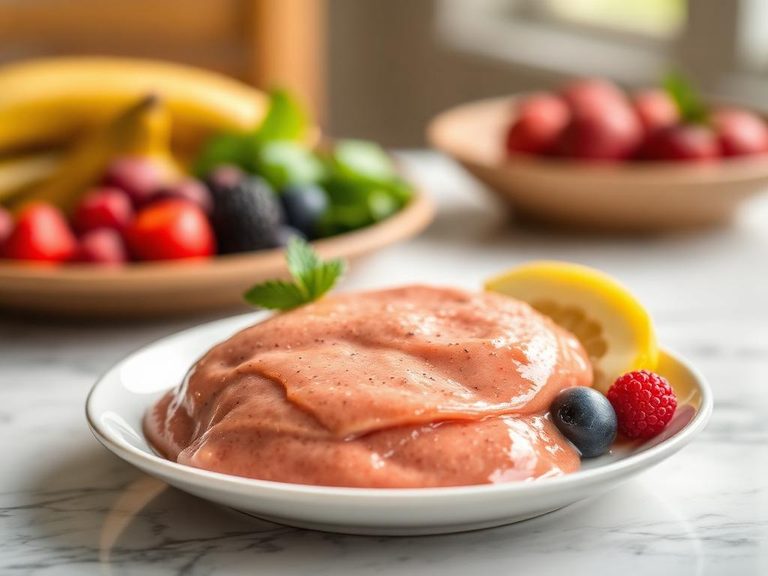
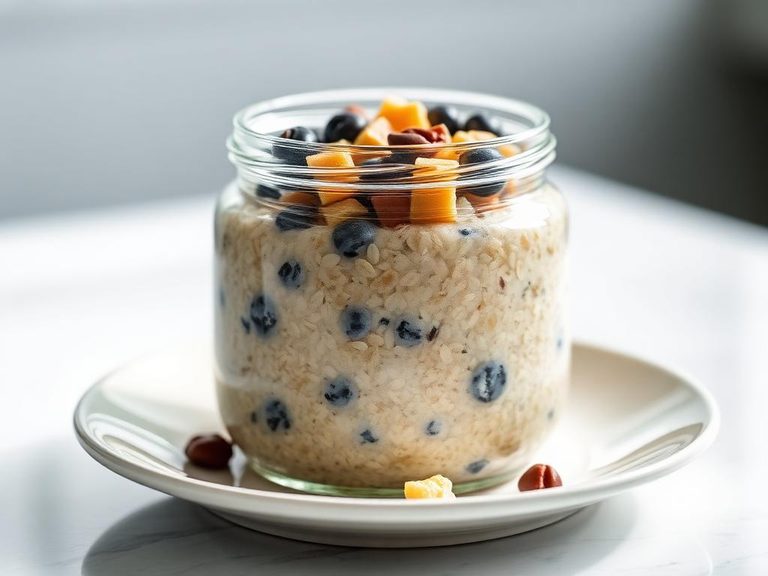
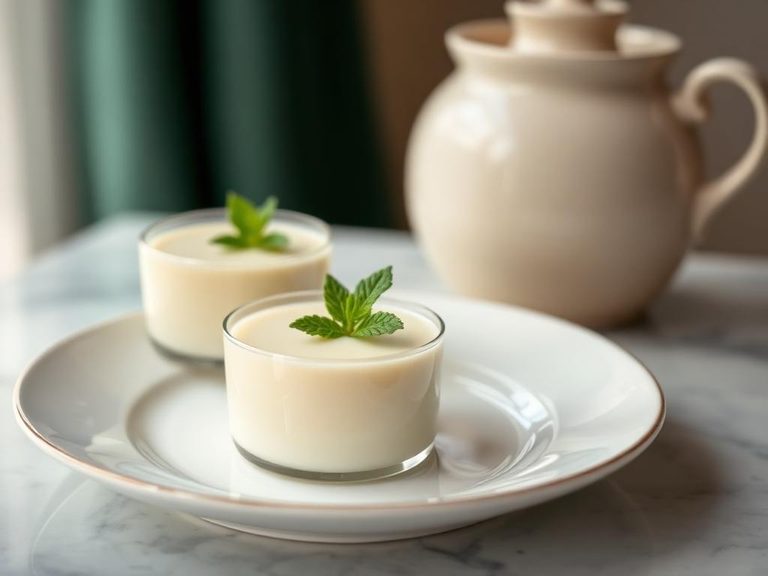
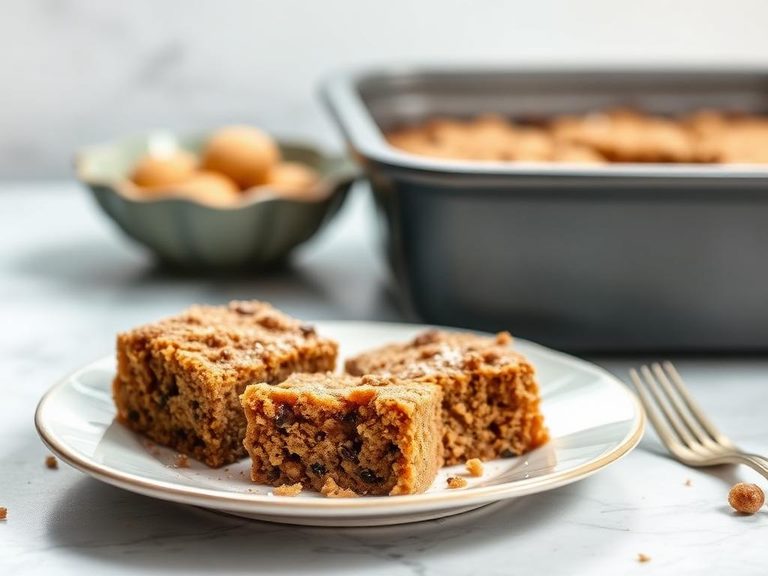
🍽️ Popular dishes

🌍 Where it's eaten
💡 Did you know?
The traditional method of making soy milk involves soaking, grinding, boiling, and straining soybeans—a process remarkably similar to making dairy milk from nuts or grains, and it dates back to the Han Dynasty in China.
Full nutrition (USDA data · scales with serving)
| Water | 91.5 g |
| Energy (Atwater General Factors) | 40.7 kcal |
| Nitrogen | 0.44 g |
| Protein | 2.8 g |
| Total lipid (fat) | 2.0 g |
| Ash | 0.75 g |
| Carbohydrate, by difference | 3.0 g |
| Fiber, total dietary | 0.00 g |
| Sucrose | 2.6 g |
| Glucose | 0.00 g |
| Fructose | 0.00 g |
| Lactose | 0.00 g |
| Maltose | 0.00 g |
| Galactose | 0.00 g |
| Calcium, Ca | 155 mg |
| Iron, Fe | 0.37 mg |
| Magnesium, Mg | 17.5 mg |
| Phosphorus, P | 46.0 mg |
| Potassium, K | 118 mg |
| Sodium, Na | 39.4 mg |
| Zinc, Zn | 0.26 mg |
| Copper, Cu | 0.10 mg |
| Manganese, Mn | 0.16 mg |
| Selenium, Se | 0.00 ug |
| Molybdenum, Mo | 32.3 ug |
| Thiamin | 0.04 mg |
| Riboflavin | 0.33 mg |
| Niacin | 0.13 mg |
| Vitamin B-6 | 0.04 mg |
| Biotin | 2.2 ug |
| Folate, total | 15.8 ug |
| Vitamin B-12 | 1.3 ug |
| Retinol | 89.4 ug |
| Vitamin D (D2 + D3), International Units | 185 iu |
| Vitamin D (D2 + D3) | 4.6 ug |
| Vitamin D2 (ergocalciferol) | 4.6 ug |
| Vitamin D3 (cholecalciferol) | 0.02 ug |
| Vitamin K (phylloquinone) | 2.8 ug |
| Vitamin K (Dihydrophylloquinone) | 0.00 ug |
| Vitamin K (Menaquinone-4) | 0.00 ug |
| Daidzein | 0.14 mg |
| Genistein | 0.24 mg |
| Daidzin | 8.0 mg |
| Genistin | 14.7 mg |
| Glycitin | 0.36 mg |
Fat & fatty acid profile (per 100g)
Estimated from Soy milk, unsweetened, plain, shelf stable — USDA does not publish this profile for Soy milk.
| Fatty acids, total saturated | 0.31 g |
| SFA 4:0 | 0.00 g |
| SFA 5:0 | 0.00 g |
| SFA 6:0 | 0.00 g |
| SFA 7:0 | 0.00 g |
| SFA 8:0 | 0.00 g |
| SFA 9:0 | 0.00 g |
| SFA 10:0 | 0.00 g |
| SFA 11:0 | 0.00 g |
| SFA 12:0 | 0.00 g |
| SFA 14:0 | 0.00 g |
| SFA 15:0 | 0.00 g |
| SFA 16:0 | 0.22 g |
| SFA 17:0 | 0.00 g |
| SFA 18:0 | 0.07 g |
| SFA 20:0 | 0.01 g |
| SFA 21:0 | 0.00 g |
| SFA 22:0 | 0.01 g |
| SFA 23:0 | 0.00 g |
| SFA 24:0 | 0.00 g |
| Fatty acids, total monounsaturated | 0.42 g |
| MUFA 12:1 | 0.00 g |
| MUFA 14:1 c | 0.00 g |
| MUFA 15:1 | 0.00 g |
| MUFA 16:1 c | 0.00 g |
| MUFA 17:1 | 0.00 g |
| MUFA 17:1 c | 0.00 g |
| MUFA 18:1 c | 0.41 g |
| MUFA 20:1 c | 0.00 g |
| MUFA 22:1 c | 0.00 g |
| MUFA 22:1 n-9 | 0.00 g |
| MUFA 22:1 n-11 | 0.00 g |
| MUFA 24:1 c | 0.00 g |
| Fatty acids, total polyunsaturated | 1.2 g |
| PUFA 18:2 c | 0.99 g |
| PUFA 18:2 n-6 c,c | 0.99 g |
| PUFA 18:2 CLAs | 0.00 g |
| PUFA 18:3 c | 0.17 g |
| PUFA 18:3 n-3 c,c,c (ALA) | 0.17 g |
| PUFA 18:3 n-6 c,c,c | 0.00 g |
| PUFA 18:4 | 0.00 g |
| PUFA 20:2 c | 0.00 g |
| PUFA 20:2 n-6 c,c | 0.00 g |
| PUFA 20:3 c | 0.00 g |
| PUFA 20:3 n-3 | 0.00 g |
| PUFA 20:3 n-6 | 0.00 g |
| PUFA 20:3 n-9 | 0.00 g |
| PUFA 22:3 | 0.00 g |
| PUFA 20:4 | 0.00 g |
| PUFA 20:4c | 0.00 g |
| PUFA 20:5c | 0.00 g |
| PUFA 20:5 n-3 (EPA) | 0.00 g |
| PUFA 22:2 | 0.00 g |
| PUFA 22:5 c | 0.00 g |
| PUFA 22:4 | 0.00 g |
| PUFA 22:5 n-3 (DPA) | 0.00 g |
| PUFA 22:6 c | 0.00 g |
| PUFA 22:6 n-3 (DHA) | 0.00 g |
| Fatty acids, total trans | 0.00 g |
| Fatty acids, total trans-monoenoic | 0.00 g |
| TFA 14:1 t | 0.00 g |
| TFA 16:1 t | 0.00 g |
| TFA 18:1 t | 0.00 g |
| TFA 20:1 t | 0.00 g |
| TFA 22:1 t | 0.00 g |
| TFA 18:2 t not further defined | 0.00 g |
| TFA 18:2 t | 0.00 g |
| Fatty acids, total trans-polyenoic | 0.00 g |
| TFA 18:3 t | 0.00 g |
Amino acid profile (per 100g)
| Tryptophan | 0.03 g |
| Threonine | 0.10 g |
| Isoleucine | 0.10 g |
| Leucine | 0.20 g |
| Lysine | 0.20 g |
| Methionine | 0.03 g |
| Phenylalanine | 0.16 g |
| Tyrosine | 0.10 g |
| Valine | 0.10 g |
| Arginine | 0.20 g |
| Histidine | 0.10 g |
| Alanine | 0.10 g |
| Aspartic acid | 0.33 g |
| Glutamic acid | 0.49 g |
| Glycine | 0.10 g |
| Proline | 0.11 g |
| Serine | 0.17 g |
| Hydroxyproline | 0.00 g |
| Cysteine | 0.05 g |
FAQ
Is sweetened soy milk high in sugar?
The 'sweetened' variety does contain added sugar, so it's higher in sugar than unsweetened versions. For a lower-sugar option, choose 'unsweetened' or check the label for brands with minimal added sugars.
Can I use this for cooking and baking?
Absolutely. Its neutral flavor and creamy texture make it an excellent substitute for dairy milk in most recipes, from pancakes and muffins to soups and sauces.
How does the protein in soy milk compare to cow's milk?
Per 100g, soy milk has about 2.8g of protein, which is lower than cow's milk (~3.4g). However, soy protein is a complete protein, containing all nine essential amino acids.
Nutrient density (calculated · NRF9.3)
Nutrient Rich Foods index: beneficial nutrients (protein, fiber, vitamins, minerals) minus saturated fat, added sugar & sodium, per 100 kcal.
NRF9.3 index — Fulgoni, Keast & Drewnowski, 2009. Computed from USDA nutrients.
Weight-loss friendliness (composite index)
Energy density 0.41 kcal/g · 27% calories from protein · 0.0 g fiber · 0.0 g sugar per 100 g.
Composite of energy density (Rolls et al., 1999), protein & fiber satiety, minus sugar. A calculated heuristic — ranks satiety-per-calorie, not a clinical measure.
Dietary load (calculated from USDA values)
Potential renal acid load. Positive = acid-forming, negative = alkaline-forming.
Sodium-to-potassium ratio: 0.33 (lower is better — aim for ≤ 1)
Sodium:potassium per WHO potassium guidance. Computed from USDA nutrients.