

Pork, ground, 96% lean / 4% fat, cooked, crumbles
Whole food · Pork Products

Photo: Wikipedia
This is lean ground pork cooked until crumbly, offering a mild, savory flavor with a fine, tender texture. Its standout nutritional feature is its high protein-to-fat ratio, making it a powerhouse for muscle maintenance. The absence of carbohydrates and sugars makes it a staple in low-carb and keto diets.
Calorie split: 66% protein · 0% carbs · 34% fat
↓ Full nutrition💚 Why it's loved
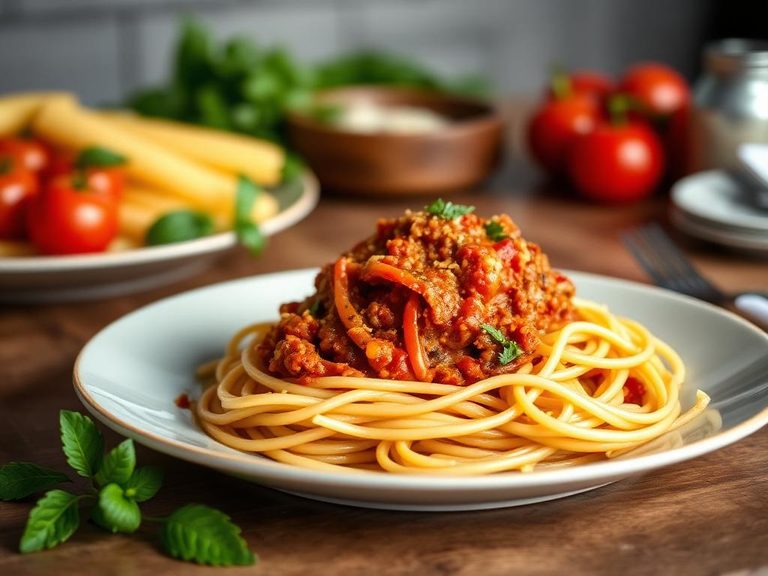
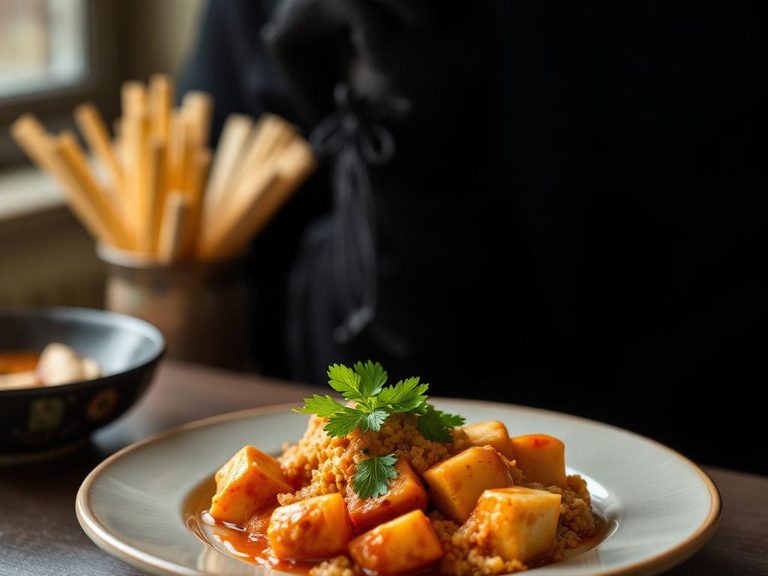
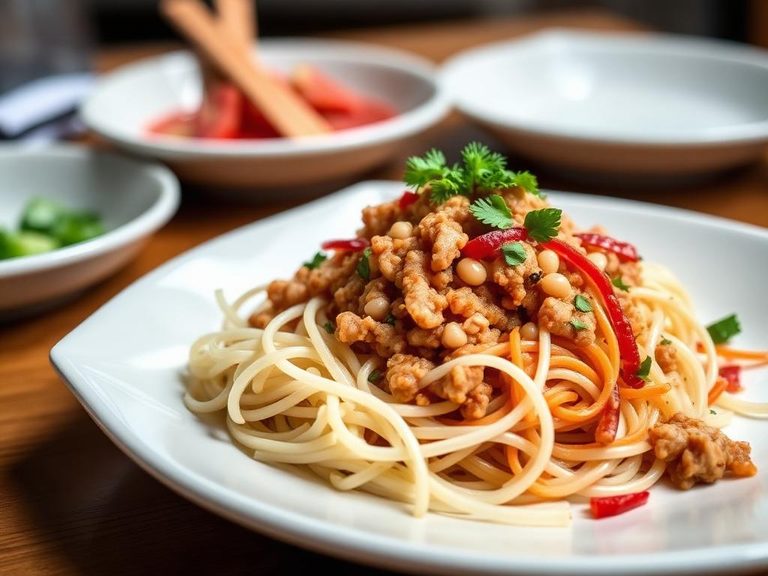
People love it for its ability to absorb seasonings and sauces while providing a satisfying, meaty bite. It's a cultural workhorse, forming the base of everything from Italian ragù to Chinese mapo tofu.
⚠️ Watch-outs & how to enjoy it better
The extreme leanness can lead to a dry, crumbly texture if overcooked, which some find unappealing. To counteract this, cook it quickly in a flavorful sauce or broth, or mix it with a small amount of higher-fat meat or oil to retain moisture.
Key benefits
- Excellent source of complete protein
- Very low in carbohydrates and sugars
- Provides essential B vitamins like thiamine and B12
- Rich in minerals like selenium and phosphorus
- Versatile base for countless recipes
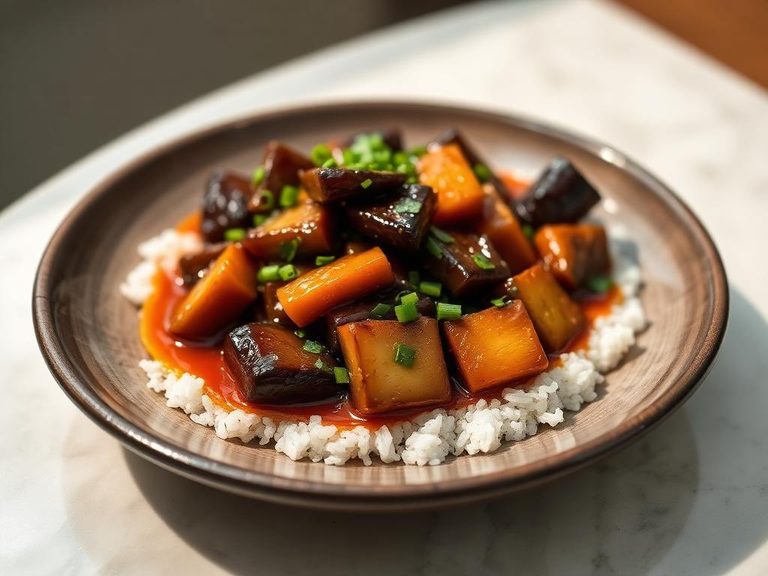
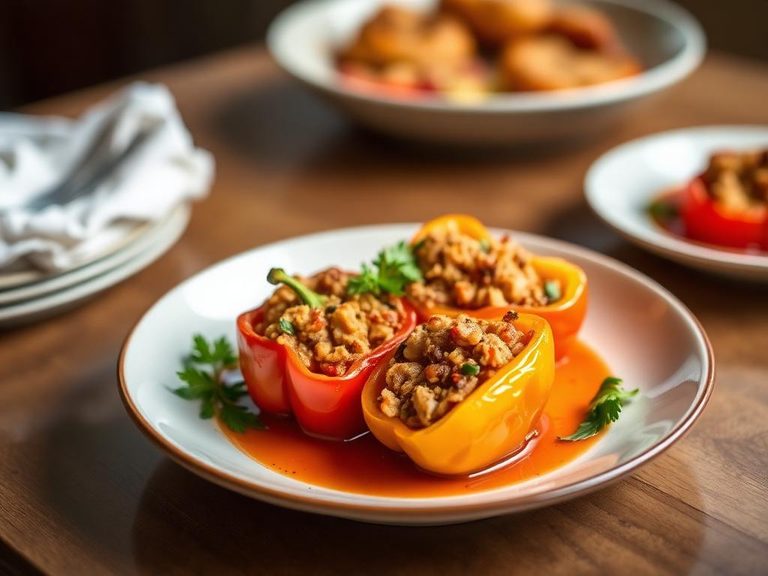
🍽️ Popular dishes
🌍 Where it's eaten
💡 Did you know?
The process of browning ground pork, known as the Maillard reaction, creates over 100 new flavor compounds that aren't present in the raw meat.
Full nutrition (USDA data · scales with serving)
| Water | 61.0 g |
| Energy | 187 kcal |
| Energy | 781 kj |
| Protein | 30.6 g |
| Total lipid (fat) | 7.2 g |
| Ash | 1.5 g |
| Carbohydrate, by difference | 0.00 g |
| Fiber, total dietary | 0.00 g |
| Total Sugars | 0.00 g |
| Calcium, Ca | 19.0 mg |
| Iron, Fe | 1.1 mg |
| Magnesium, Mg | 27.0 mg |
| Phosphorus, P | 261 mg |
| Potassium, K | 428 mg |
| Sodium, Na | 84.0 mg |
| Zinc, Zn | 2.6 mg |
| Copper, Cu | 0.04 mg |
| Manganese, Mn | 0.01 mg |
| Selenium, Se | 46.7 ug |
| Vitamin C, total ascorbic acid | 0.00 mg |
| Thiamin | 0.50 mg |
| Riboflavin | 0.48 mg |
| Niacin | 11.1 mg |
| Pantothenic acid | 0.85 mg |
| Vitamin B-6 | 0.72 mg |
| Folate, total | 0.00 ug |
| Folic acid | 0.00 ug |
| Folate, food | 0.00 ug |
| Folate, DFE | 0.00 ug |
| Choline, total | 99.4 mg |
| Betaine | 9.8 mg |
| Vitamin B-12 | 0.86 ug |
| Vitamin B-12, added | 0.00 ug |
| Vitamin A, RAE | 0.00 ug |
| Retinol | 0.00 ug |
| Carotene, beta | 0.00 ug |
| Carotene, alpha | 0.00 ug |
| Cryptoxanthin, beta | 0.00 ug |
| Vitamin A, IU | 0.00 iu |
| Lycopene | 0.00 ug |
| Lutein + zeaxanthin | 0.00 ug |
| Vitamin E (alpha-tocopherol) | 0.26 mg |
| Vitamin E, added | 0.00 mg |
| Tocopherol, beta | 0.00 mg |
| Tocopherol, gamma | 0.04 mg |
| Tocopherol, delta | 0.00 mg |
| Vitamin D (D2 + D3), International Units | 7.0 iu |
| Vitamin D (D2 + D3) | 0.20 ug |
| Vitamin D3 (cholecalciferol) | 0.20 ug |
| Vitamin K (phylloquinone) | 0.00 ug |
| Vitamin K (Dihydrophylloquinone) | 0.00 ug |
| Alcohol, ethyl | 0.00 g |
| Caffeine | 0.00 mg |
| Theobromine | 0.00 mg |
Fat & fatty acid profile (per 100g)
| Fatty acids, total saturated | 2.0 g |
| SFA 4:0 | 0.00 g |
| SFA 6:0 | 0.00 g |
| SFA 8:0 | 0.00 g |
| SFA 10:0 | 0.01 g |
| SFA 12:0 | 0.01 g |
| SFA 14:0 | 0.06 g |
| SFA 15:0 | 0.01 g |
| SFA 16:0 | 1.2 g |
| SFA 17:0 | 0.02 g |
| SFA 18:0 | 0.60 g |
| SFA 20:0 | 0.01 g |
| SFA 22:0 | 0.00 g |
| SFA 24:0 | 0.00 g |
| Fatty acids, total monounsaturated | 2.7 g |
| MUFA 14:1 | 0.00 g |
| MUFA 15:1 | 0.00 g |
| MUFA 16:1 | 0.14 g |
| MUFA 17:1 | 0.00 g |
| MUFA 18:1 | 2.3 g |
| MUFA 18:1 c | 2.3 g |
| MUFA 20:1 | 0.04 g |
| MUFA 22:1 | 0.00 g |
| MUFA 22:1 c | 0.00 g |
| Fatty acids, total polyunsaturated | 0.78 g |
| PUFA 18:2 | 0.66 g |
| PUFA 18:2 n-6 c,c | 0.65 g |
| PUFA 18:3 | 0.03 g |
| PUFA 18:3 n-3 c,c,c (ALA) | 0.03 g |
| PUFA 18:3 n-6 c,c,c | 0.00 g |
| PUFA 20:2 n-6 c,c | 0.03 g |
| PUFA 20:3 | 0.00 g |
| PUFA 20:4 | 0.07 g |
| PUFA 20:5 n-3 (EPA) | 0.00 g |
| PUFA 22:5 n-3 (DPA) | 0.01 g |
| PUFA 22:6 n-3 (DHA) | 0.00 g |
| Fatty acids, total trans | 0.07 g |
| Fatty acids, total trans-monoenoic | 0.06 g |
| TFA 18:1 t | 0.06 g |
| TFA 18:2 t,t | 0.01 g |
| Fatty acids, total trans-polyenoic | 0.01 g |
| Cholesterol | 78.0 mg |
Amino acid profile (per 100g)
| Tryptophan | 0.39 g |
| Threonine | 1.3 g |
| Isoleucine | 1.4 g |
| Leucine | 2.4 g |
| Lysine | 2.6 g |
| Methionine | 0.82 g |
| Cystine | 0.35 g |
| Phenylalanine | 1.3 g |
| Tyrosine | 1.3 g |
| Valine | 1.5 g |
| Arginine | 2.0 g |
| Histidine | 1.2 g |
| Alanine | 1.8 g |
| Aspartic acid | 2.8 g |
| Glutamic acid | 4.5 g |
| Glycine | 1.7 g |
| Proline | 1.5 g |
| Serine | 1.2 g |
| Hydroxyproline | 0.29 g |
FAQ
How do I prevent lean ground pork from becoming dry and rubbery?
Avoid overcooking. Brown it quickly over medium-high heat, breaking it into small crumbles, and then immediately add it to a sauce, soup, or stir-fry where it can finish cooking and absorb moisture.
Is this suitable for a low-fat diet?
Yes, it's an excellent choice. With only about 7g of fat per 100g cooked, it's significantly leaner than regular ground pork or beef, making it ideal for calorie-conscious meal planning.
Can I use this in place of ground turkey or chicken?
Absolutely. It's a direct substitute in most recipes like meatballs, burgers, or sauces. The pork will offer a slightly richer, more savory flavor profile compared to poultry.
Nutrient density (calculated · NRF9.3)
Nutrient Rich Foods index: beneficial nutrients (protein, fiber, vitamins, minerals) minus saturated fat, added sugar & sodium, per 100 kcal.
NRF9.3 index — Fulgoni, Keast & Drewnowski, 2009. Computed from USDA nutrients.
Weight-loss friendliness (composite index)
Energy density 1.87 kcal/g · 65% calories from protein · 0.0 g fiber · 0.0 g sugar per 100 g.
Composite of energy density (Rolls et al., 1999), protein & fiber satiety, minus sugar. A calculated heuristic — ranks satiety-per-calorie, not a clinical measure.
Dietary load (calculated from USDA values)
Potential renal acid load. Positive = acid-forming, negative = alkaline-forming.
Sodium-to-potassium ratio: 0.20 (lower is better — aim for ≤ 1)
Sodium:potassium per WHO potassium guidance. Computed from USDA nutrients.