

Pork, fresh, loin, sirloin (chops), boneless, separable lean and fat, cooked, broiled
Whole food · Pork Products

Photo: Wikipedia
This is a lean, boneless pork chop cut from the sirloin, broiled to a tender, juicy finish with a satisfyingly mild, savory flavor and a firm yet tender texture. With an impressive 28 grams of protein and virtually no carbs per 100g, it's a powerhouse for muscle maintenance and low-carb diets. The minimal fat content keeps it light while still delivering the rich, meaty satisfaction expected from a quality pork chop.
Calorie split: 69% protein · 0% carbs · 31% fat
↓ Full nutrition💚 Why it's loved
People love it for its clean, versatile pork flavor that acts as a perfect canvas for marinades, rubs, and sauces, from simple garlic-herb to bold barbecue. Its quick cooking time and consistent, tender result make it a weeknight favorite and a reliable choice for grilling or pan-searing.
⚠️ Watch-outs & how to enjoy it better
The very lean cut can become dry and tough if overcooked, which is a common pitfall. To counteract this, use a meat thermometer to pull it at 145°F (63°C), let it rest for 5 minutes before slicing, and consider a quick brine or a flavorful sauce to add moisture. Those monitoring sodium should be mindful of salty marinades or seasonings.
Key benefits
- Excellent source of complete protein for muscle repair and growth
- Very low in carbohydrates, suitable for keto and low-carb diets
- Rich in B vitamins, especially thiamine (B1) and niacin (B3)
- Good source of minerals like selenium, phosphorus, and zinc
- Broiling method adds no extra fats, keeping it naturally lean
🍽️ Popular dishes
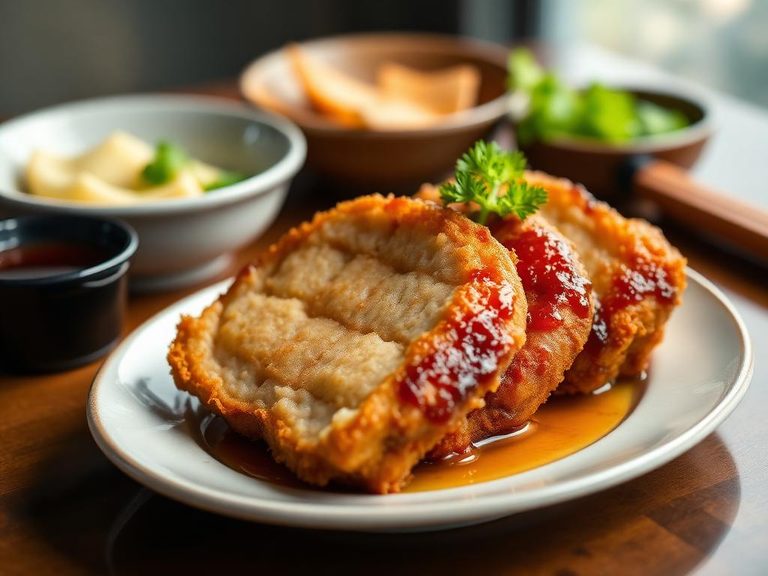
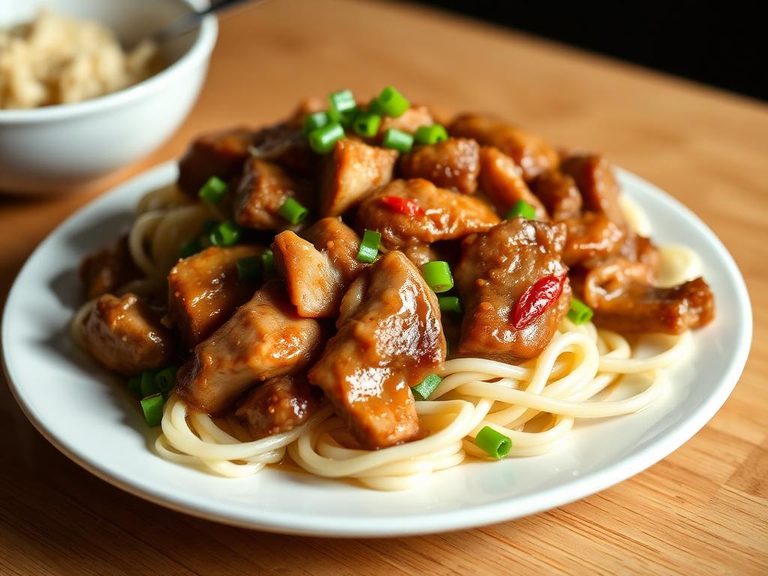
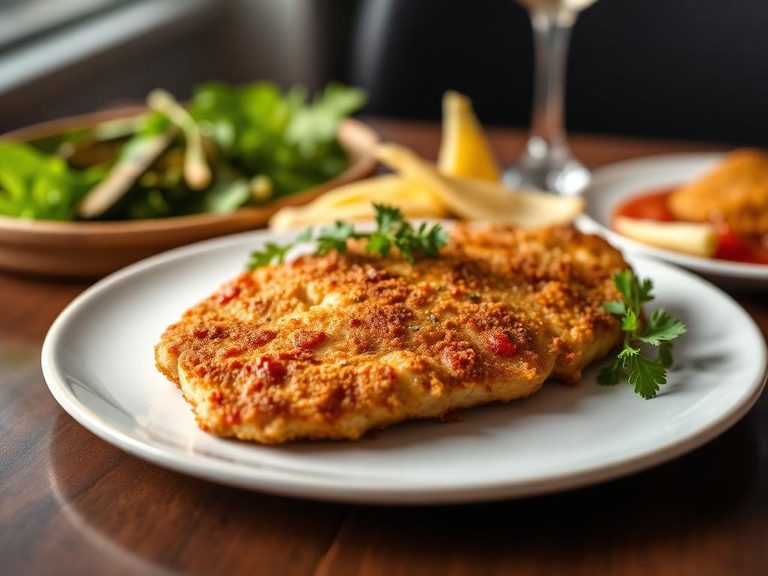
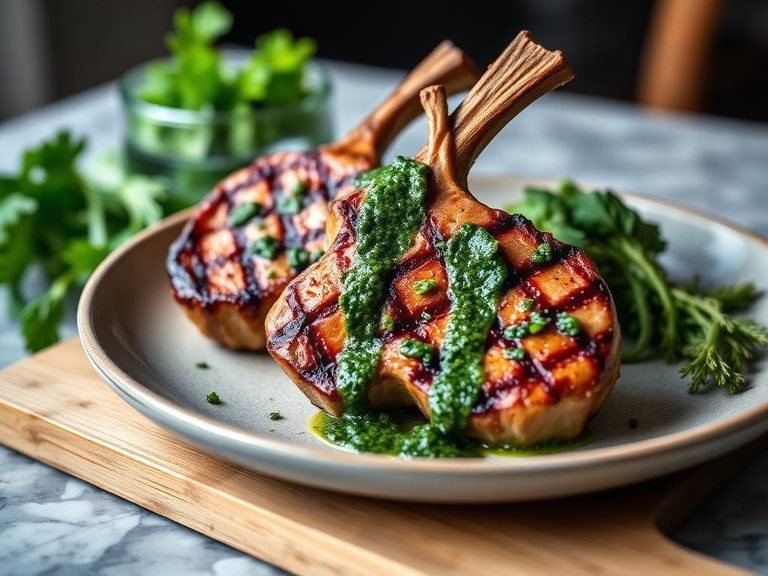
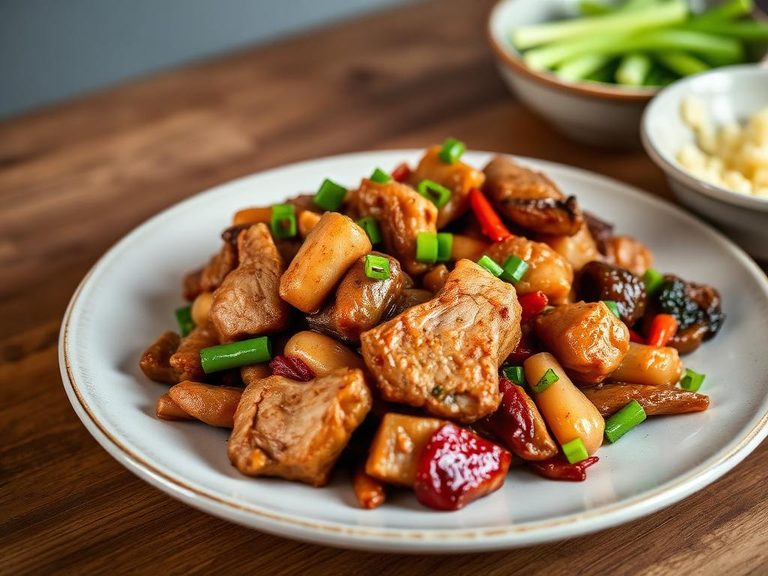
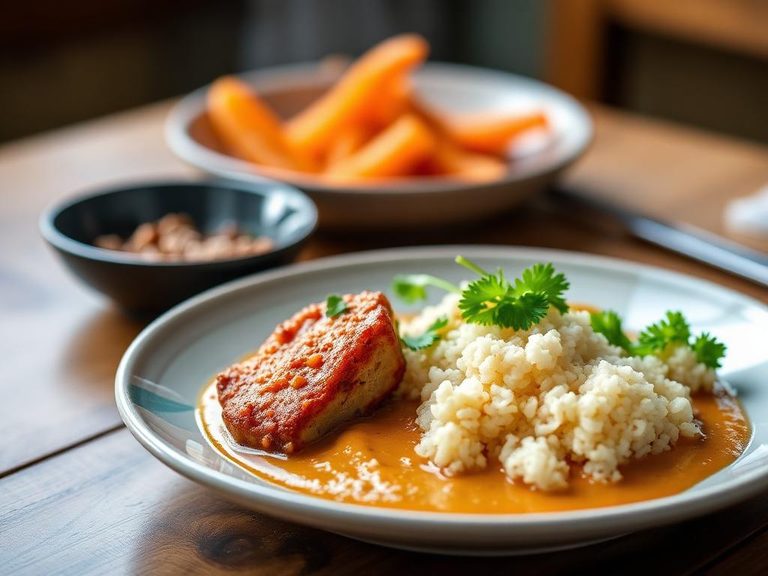
🌍 Where it's eaten
💡 Did you know?
The sirloin chop comes from the area near the pig's hip, which is a hard-working muscle group, yet this specific boneless cut is surprisingly tender due to careful trimming of connective tissue.
Full nutrition (USDA data · scales with serving)
| Water | 66.0 g |
| Energy | 170 kcal |
| Energy | 712 kj |
| Protein | 28.2 g |
| Total lipid (fat) | 5.5 g |
| Ash | 1.4 g |
| Carbohydrate, by difference | 0.00 g |
| Fiber, total dietary | 0.00 g |
| Total Sugars | 0.00 g |
| Calcium, Ca | 11.0 mg |
| Iron, Fe | 0.87 mg |
| Magnesium, Mg | 27.0 mg |
| Phosphorus, P | 292 mg |
| Potassium, K | 420 mg |
| Sodium, Na | 65.0 mg |
| Zinc, Zn | 2.1 mg |
| Copper, Cu | 0.09 mg |
| Manganese, Mn | 0.01 mg |
| Selenium, Se | 45.3 ug |
| Vitamin C, total ascorbic acid | 0.00 mg |
| Thiamin | 0.65 mg |
| Riboflavin | 0.29 mg |
| Niacin | 8.7 mg |
| Pantothenic acid | 1.3 mg |
| Vitamin B-6 | 0.58 mg |
| Folate, total | 0.00 ug |
| Folic acid | 0.00 ug |
| Folate, food | 0.00 ug |
| Folate, DFE | 0.00 ug |
| Choline, total | 106 mg |
| Betaine | 4.1 mg |
| Vitamin B-12 | 0.75 ug |
| Vitamin B-12, added | 0.00 ug |
| Vitamin A, RAE | 2.0 ug |
| Retinol | 2.0 ug |
| Carotene, beta | 0.00 ug |
| Carotene, alpha | 0.00 ug |
| Cryptoxanthin, beta | 0.00 ug |
| Vitamin A, IU | 8.0 iu |
| Lycopene | 0.00 ug |
| Lutein + zeaxanthin | 0.00 ug |
| Vitamin E (alpha-tocopherol) | 0.26 mg |
| Vitamin E, added | 0.00 mg |
| Vitamin D (D2 + D3), International Units | 26.0 iu |
| Vitamin D (D2 + D3) | 0.70 ug |
| Vitamin D3 (cholecalciferol) | 0.70 ug |
| Vitamin K (phylloquinone) | 0.00 ug |
| Vitamin K (Dihydrophylloquinone) | 0.00 ug |
| Alcohol, ethyl | 0.00 g |
| Caffeine | 0.00 mg |
| Theobromine | 0.00 mg |
Fat & fatty acid profile (per 100g)
| Fatty acids, total saturated | 1.8 g |
| SFA 4:0 | 0.00 g |
| SFA 6:0 | 0.00 g |
| SFA 8:0 | 0.00 g |
| SFA 10:0 | 0.00 g |
| SFA 12:0 | 0.00 g |
| SFA 14:0 | 0.07 g |
| SFA 15:0 | 0.00 g |
| SFA 16:0 | 1.1 g |
| SFA 17:0 | 0.01 g |
| SFA 18:0 | 0.59 g |
| SFA 20:0 | 0.00 g |
| SFA 22:0 | 0.00 g |
| SFA 24:0 | 0.00 g |
| Fatty acids, total monounsaturated | 2.1 g |
| MUFA 14:1 | 0.00 g |
| MUFA 15:1 | 0.00 g |
| MUFA 16:1 | 0.12 g |
| MUFA 17:1 | 0.00 g |
| MUFA 18:1 | 2.0 g |
| MUFA 18:1 c | 1.9 g |
| MUFA 20:1 | 0.03 g |
| MUFA 22:1 | 0.00 g |
| MUFA 22:1 c | 0.00 g |
| Fatty acids, total polyunsaturated | 0.82 g |
| PUFA 18:2 | 0.70 g |
| PUFA 18:2 n-6 c,c | 0.70 g |
| PUFA 18:3 | 0.02 g |
| PUFA 18:3 n-3 c,c,c (ALA) | 0.02 g |
| PUFA 18:3 n-6 c,c,c | 0.00 g |
| PUFA 18:3i | 0.00 g |
| PUFA 18:4 | 0.00 g |
| PUFA 20:2 n-6 c,c | 0.02 g |
| PUFA 20:3 | 0.00 g |
| PUFA 20:4 | 0.07 g |
| PUFA 20:5 n-3 (EPA) | 0.00 g |
| PUFA 22:5 n-3 (DPA) | 0.01 g |
| PUFA 22:6 n-3 (DHA) | 0.00 g |
| Fatty acids, total trans | 0.02 g |
| Fatty acids, total trans-monoenoic | 0.02 g |
| TFA 18:1 t | 0.02 g |
| TFA 18:2 t not further defined | 0.00 g |
| Fatty acids, total trans-polyenoic | 0.00 g |
| Cholesterol | 76.0 mg |
Amino acid profile (per 100g)
| Tryptophan | 0.34 g |
| Threonine | 1.2 g |
| Isoleucine | 1.3 g |
| Leucine | 2.3 g |
| Lysine | 2.5 g |
| Methionine | 0.77 g |
| Cystine | 0.32 g |
| Phenylalanine | 1.2 g |
| Tyrosine | 1.1 g |
| Valine | 1.4 g |
| Arginine | 1.8 g |
| Histidine | 1.1 g |
| Alanine | 1.6 g |
| Aspartic acid | 2.6 g |
| Glutamic acid | 4.3 g |
| Glycine | 1.3 g |
| Proline | 1.1 g |
| Serine | 1.2 g |
| Hydroxyproline | 0.10 g |
FAQ
How do I prevent a boneless pork chop from drying out?
The key is to not overcook it. Use an instant-read thermometer and remove it from the heat at 145°F (63°C). Letting it rest for 5 minutes allows the juices to redistribute. Brining for 30 minutes beforehand also helps significantly.
Is this cut the same as a pork tenderloin?
No. This is a sirloin chop from the hip area, which is a different muscle. Pork tenderloin is a long, thin muscle from along the spine and is even leaner. They require different cooking approaches.
What's the best way to add flavor to this lean cut?
Marinating for 30 minutes to 2 hours in an acidic base (like yogurt, citrus, or vinegar) with herbs and spices adds moisture and flavor. Dry rubs applied just before cooking also create a delicious crust.
Nutrient density (calculated · NRF9.3)
Nutrient Rich Foods index: beneficial nutrients (protein, fiber, vitamins, minerals) minus saturated fat, added sugar & sodium, per 100 kcal.
NRF9.3 index — Fulgoni, Keast & Drewnowski, 2009. Computed from USDA nutrients.
Weight-loss friendliness (composite index)
Energy density 1.70 kcal/g · 66% calories from protein · 0.0 g fiber · 0.0 g sugar per 100 g.
Composite of energy density (Rolls et al., 1999), protein & fiber satiety, minus sugar. A calculated heuristic — ranks satiety-per-calorie, not a clinical measure.
Dietary load (calculated from USDA values)
Potential renal acid load. Positive = acid-forming, negative = alkaline-forming.
Sodium-to-potassium ratio: 0.15 (lower is better — aim for ≤ 1)
Sodium:potassium per WHO potassium guidance. Computed from USDA nutrients.