

Chicken, liver, all classes, cooked, simmered
Whole food · Poultry Products

Photo: Wikipedia
Simmered chicken liver is a nutrient-dense organ meat with a rich, earthy flavor and a remarkably tender, creamy texture when cooked gently. Its standout nutritional profile is an exceptionally high protein-to-fat ratio, making it a powerful source of lean protein and essential micronutrients like iron and vitamin A.
Calorie split: 61% protein · 2% carbs · 37% fat
↓ Full nutrition💚 Why it's loved
People love it for its deep, savory umami flavor and melt-in-the-mouth texture, which makes it a versatile ingredient in everything from pâtés to stir-fries. Its cultural significance in many cuisines, often as a traditional comfort food or a way to use the whole animal, adds to its appeal.
⚠️ Watch-outs & how to enjoy it better
The strong, mineral-rich taste and soft texture can be off-putting to some, and its high vitamin A content means excessive consumption should be avoided, especially during pregnancy. To counteract this, pair it with fiber-rich vegetables like spinach or kale to balance the meal, and practice portion control by enjoying it as an occasional dish rather than a daily staple.
Key benefits
- Excellent source of highly bioavailable heme iron
- Provides a significant amount of complete protein
- Rich in vitamin B12 for nerve function
- Contains vitamin A for vision and immune health
- Low in carbohydrates and fat
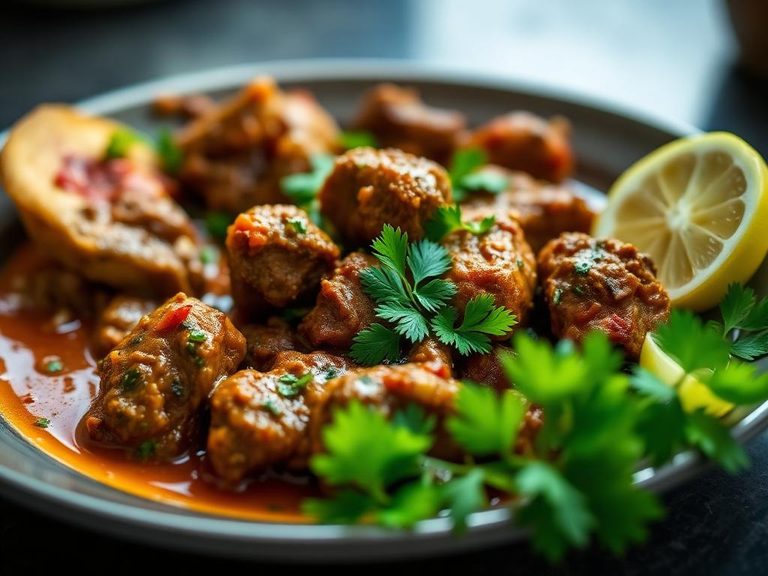
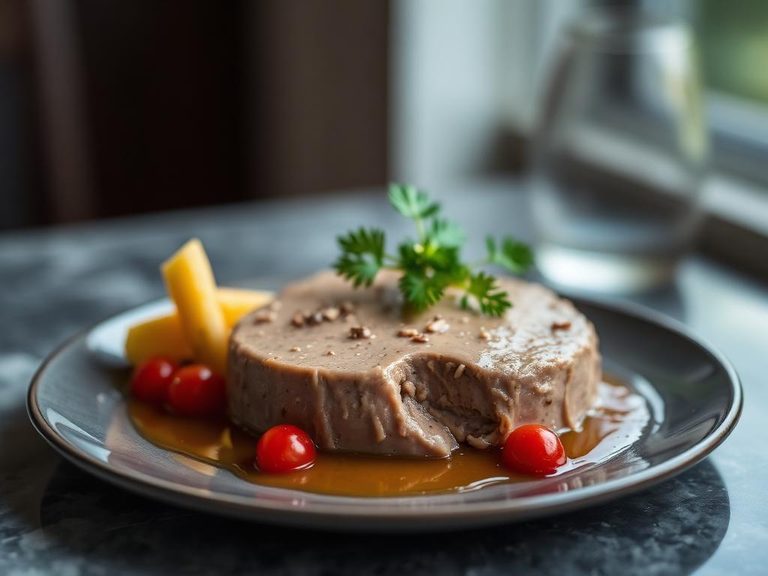
🍽️ Popular dishes
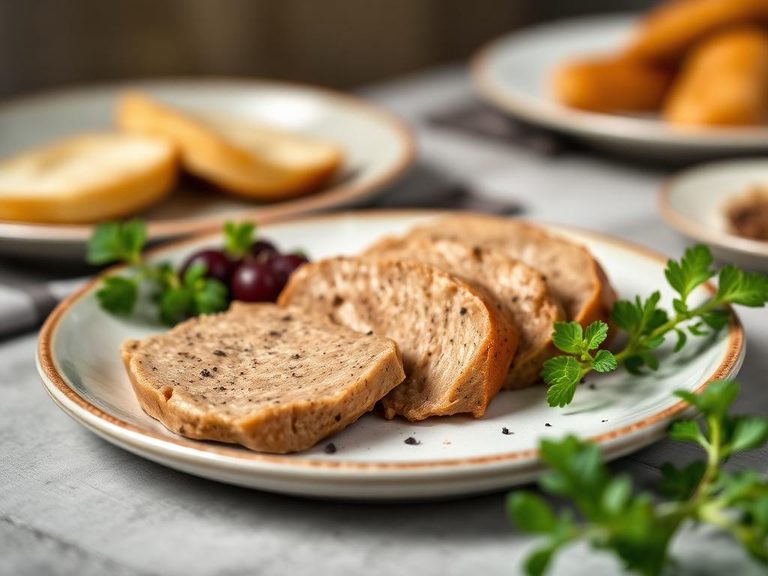
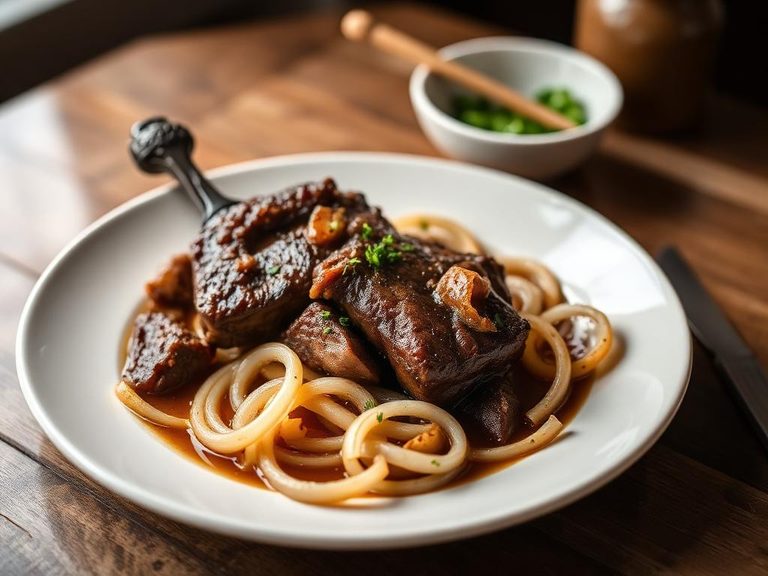
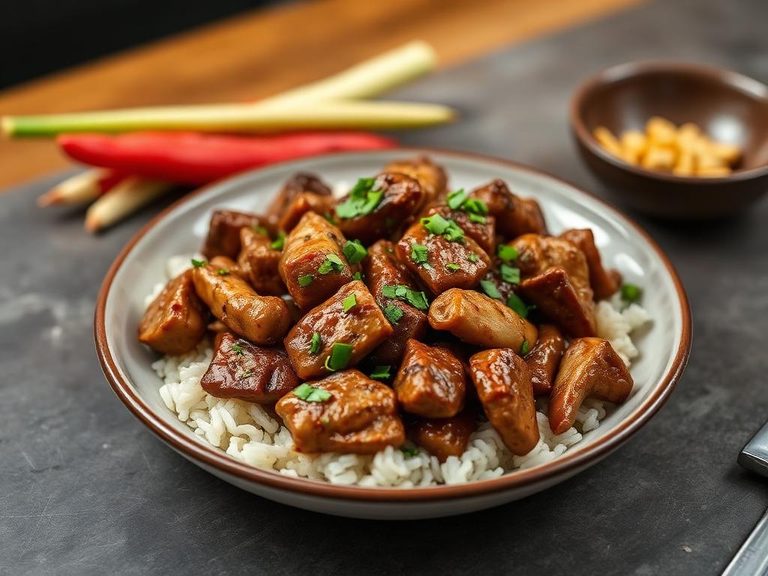
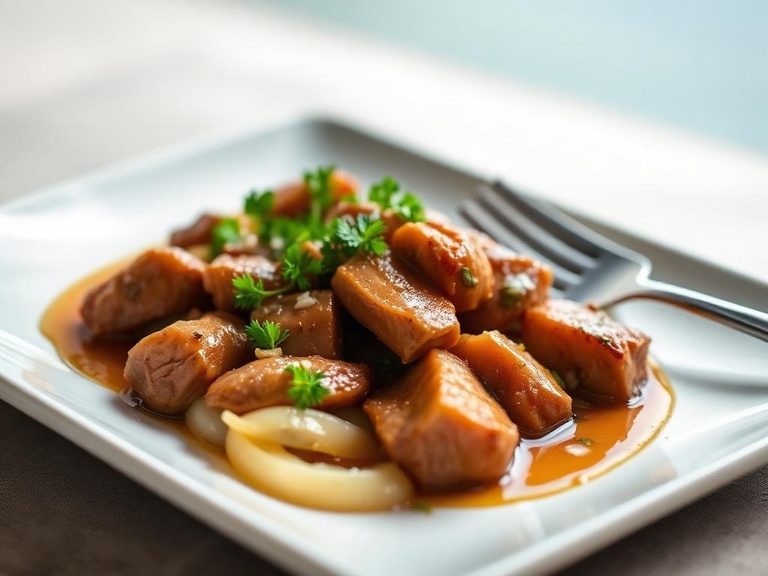
🌍 Where it's eaten
💡 Did you know?
Chicken liver is one of the richest dietary sources of vitamin B12, with a single 100g serving providing over 300% of the daily recommended intake, far exceeding that of red meat or fish.
Full nutrition (USDA data · scales with serving)
| Water | 66.8 g |
| Energy | 167 kcal |
| Energy | 697 kj |
| Protein | 24.5 g |
| Total lipid (fat) | 6.5 g |
| Ash | 1.4 g |
| Carbohydrate, by difference | 0.87 g |
| Fiber, total dietary | 0.00 g |
| Total Sugars | 0.00 g |
| Calcium, Ca | 11.0 mg |
| Iron, Fe | 11.6 mg |
| Magnesium, Mg | 25.0 mg |
| Phosphorus, P | 405 mg |
| Potassium, K | 263 mg |
| Sodium, Na | 76.0 mg |
| Zinc, Zn | 4.0 mg |
| Copper, Cu | 0.50 mg |
| Manganese, Mn | 0.36 mg |
| Selenium, Se | 82.4 ug |
| Vitamin C, total ascorbic acid | 27.9 mg |
| Thiamin | 0.29 mg |
| Riboflavin | 2.0 mg |
| Niacin | 11.0 mg |
| Pantothenic acid | 6.7 mg |
| Vitamin B-6 | 0.76 mg |
| Folate, total | 578 ug |
| Folic acid | 0.00 ug |
| Folate, food | 578 ug |
| Folate, DFE | 578 ug |
| Choline, total | 290 mg |
| Betaine | 12.8 mg |
| Vitamin B-12 | 16.9 ug |
| Vitamin B-12, added | 0.00 ug |
| Vitamin A, RAE | 3981 ug |
| Retinol | 3978 ug |
| Carotene, beta | 30.0 ug |
| Carotene, alpha | 11.0 ug |
| Cryptoxanthin, beta | 11.0 ug |
| Vitamin A, IU | 13328 iu |
| Lycopene | 21.0 ug |
| Lutein + zeaxanthin | 83.0 ug |
| Vitamin E (alpha-tocopherol) | 0.82 mg |
| Vitamin E, added | 0.00 mg |
| Tocopherol, beta | 0.00 mg |
| Tocopherol, gamma | 0.35 mg |
| Tocopherol, delta | 0.00 mg |
| Tocotrienol, alpha | 0.00 mg |
| Tocotrienol, beta | 0.00 mg |
| Tocotrienol, gamma | 0.00 mg |
| Tocotrienol, delta | 0.00 mg |
| Vitamin D (D2 + D3), International Units | 0.00 iu |
| Vitamin D (D2 + D3) | 0.00 ug |
| Vitamin D3 (cholecalciferol) | 0.00 ug |
| Vitamin K (phylloquinone) | 0.00 ug |
| Vitamin K (Dihydrophylloquinone) | 0.00 ug |
| Alcohol, ethyl | 0.00 g |
| Caffeine | 0.00 mg |
| Theobromine | 0.00 mg |
Fat & fatty acid profile (per 100g)
| Fatty acids, total saturated | 2.1 g |
| SFA 4:0 | 0.00 g |
| SFA 6:0 | 0.00 g |
| SFA 8:0 | 0.00 g |
| SFA 10:0 | 0.00 g |
| SFA 12:0 | 0.00 g |
| SFA 14:0 | 0.01 g |
| SFA 15:0 | 0.00 g |
| SFA 16:0 | 1.1 g |
| SFA 17:0 | 0.00 g |
| SFA 18:0 | 0.92 g |
| SFA 20:0 | 0.00 g |
| SFA 22:0 | 0.01 g |
| Fatty acids, total monounsaturated | 1.4 g |
| MUFA 14:1 | 0.00 g |
| MUFA 15:1 | 0.00 g |
| MUFA 16:1 | 0.12 g |
| MUFA 17:1 | 0.00 g |
| MUFA 18:1 | 1.3 g |
| MUFA 20:1 | 0.02 g |
| MUFA 22:1 | 0.00 g |
| Fatty acids, total polyunsaturated | 2.0 g |
| PUFA 18:2 | 0.72 g |
| PUFA 18:2 n-6 c,c | 0.72 g |
| PUFA 18:3 | 0.00 g |
| PUFA 18:3 n-3 c,c,c (ALA) | 0.01 g |
| PUFA 18:3 n-6 c,c,c | 0.01 g |
| PUFA 18:4 | 0.00 g |
| PUFA 20:2 n-6 c,c | 0.02 g |
| PUFA 20:3 | 0.00 g |
| PUFA 20:4 | 0.51 g |
| PUFA 20:5 n-3 (EPA) | 0.00 g |
| PUFA 22:5 n-3 (DPA) | 0.00 g |
| PUFA 22:6 n-3 (DHA) | 0.00 g |
| Fatty acids, total trans | 0.09 g |
| Cholesterol | 563 mg |
Amino acid profile (per 100g)
| Tryptophan | 0.25 g |
| Threonine | 1.0 g |
| Isoleucine | 1.1 g |
| Leucine | 2.1 g |
| Lysine | 1.9 g |
| Methionine | 0.61 g |
| Cystine | 0.38 g |
| Phenylalanine | 1.2 g |
| Tyrosine | 0.92 g |
| Valine | 1.4 g |
| Arginine | 1.5 g |
| Histidine | 0.71 g |
| Alanine | 1.4 g |
| Aspartic acid | 2.2 g |
| Glutamic acid | 2.9 g |
| Glycine | 1.2 g |
| Proline | 1.0 g |
| Serine | 1.0 g |
| Hydroxyproline | 0.04 g |
FAQ
How do I cook chicken liver so it's not tough or grainy?
The key is to cook it quickly over high heat or simmer it gently. For sautéing, cook for only 2-3 minutes per side until just pink in the center. For simmering, ensure the liquid is at a low bubble and cook just until tender, as overcooking makes it tough and chalky.
Is chicken liver safe to eat every day?
While nutritious, chicken liver is extremely high in vitamin A. Consuming it daily could lead to vitamin A toxicity (hypervitaminosis A). It's best enjoyed 1-2 times per week as part of a balanced diet.
What does chicken liver taste like?
It has a rich, earthy, and slightly metallic flavor with a strong umami quality. The texture is soft, creamy, and smooth when cooked properly, often described as more delicate than beef or pork liver.
Nutrient density (calculated · NRF9.3)
Nutrient Rich Foods index: beneficial nutrients (protein, fiber, vitamins, minerals) minus saturated fat, added sugar & sodium, per 100 kcal.
NRF9.3 index — Fulgoni, Keast & Drewnowski, 2009. Computed from USDA nutrients.
Weight-loss friendliness (composite index)
Energy density 1.67 kcal/g · 59% calories from protein · 0.0 g fiber · 0.0 g sugar per 100 g.
Composite of energy density (Rolls et al., 1999), protein & fiber satiety, minus sugar. A calculated heuristic — ranks satiety-per-calorie, not a clinical measure.
Dietary load (calculated from USDA values)
Potential renal acid load. Positive = acid-forming, negative = alkaline-forming.
Sodium-to-potassium ratio: 0.29 (lower is better — aim for ≤ 1)
Sodium:potassium per WHO potassium guidance. Computed from USDA nutrients.