

Beef, chuck, shoulder clod, shoulder top and center steaks, separable lean and fat, trimmed to 0" fat, choice, raw
Whole food · Beef Products

Photo: Wikipedia
This is a lean, robust cut from the shoulder of the cow, prized for its deep beefy flavor and firm, slightly coarse texture that becomes wonderfully tender with proper cooking. Nutritionally, it's a powerhouse of high-quality protein with minimal fat, making it an excellent choice for those seeking a lean, nutrient-dense meal. Its raw state showcases a rich, ruby-red color marbled with fine lines of fat that promise juiciness.
Calorie split: 60% protein · 0% carbs · 40% fat
↓ Full nutrition💚 Why it's loved
People love it for its pronounced, hearty beef flavor that stands up to bold seasonings and long cooking methods. Its versatility allows it to shine in everything from slow-braised stews to grilled steaks, making it a staple in comfort food and home cooking.
⚠️ Watch-outs & how to enjoy it better
If overcooked or prepared incorrectly, its lean nature can lead to a tough, chewy texture. To counteract this, use moist-heat cooking methods like braising, stewing, or marinating before grilling to break down connective tissue and ensure tenderness.
Key benefits
- Excellent source of complete protein for muscle maintenance and growth.
- Very low in carbohydrates and sugar, suitable for low-carb and ketogenic diets.
- Rich in essential minerals like iron, zinc, and B vitamins, especially B12.
- Provides a satisfying, high-protein meal that promotes satiety.
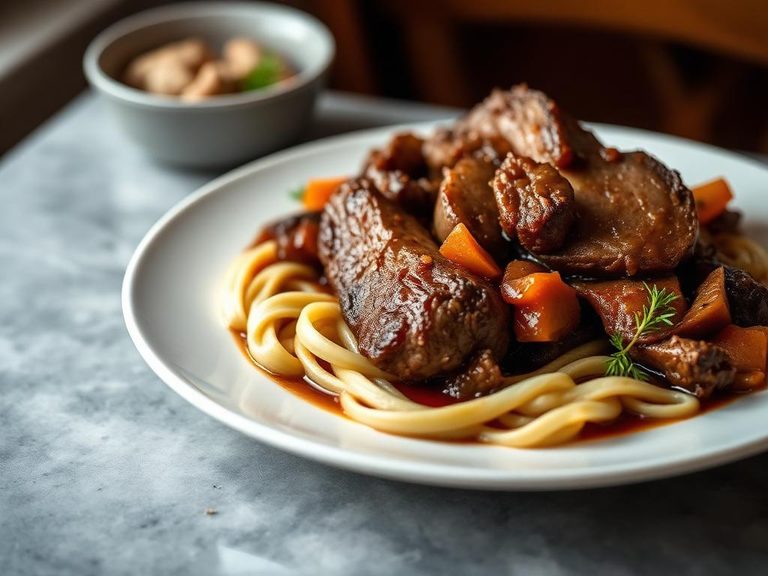
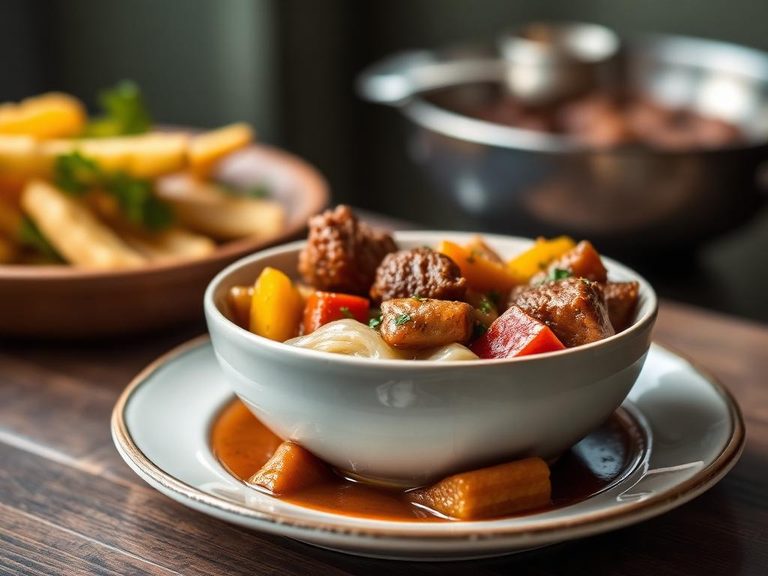
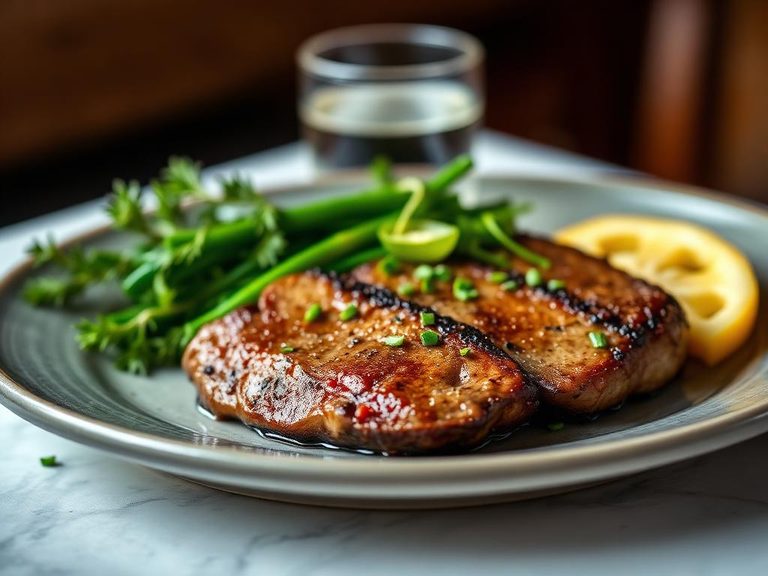
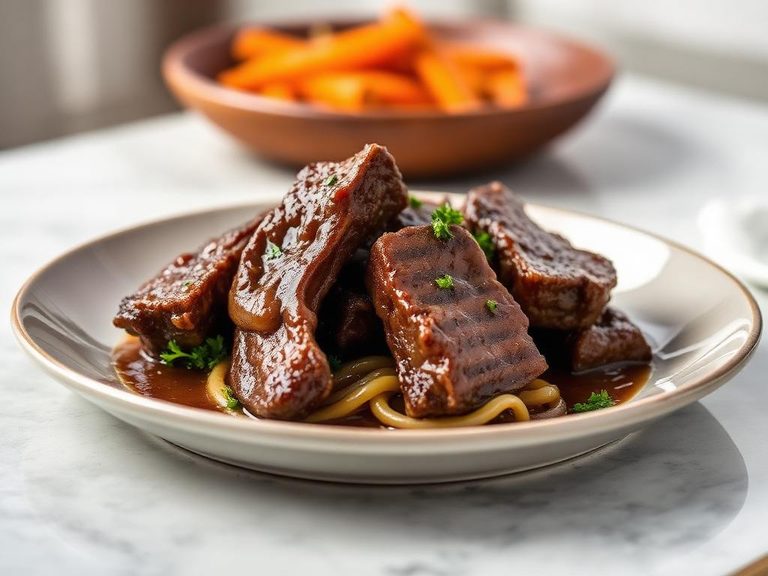
🍽️ Popular dishes
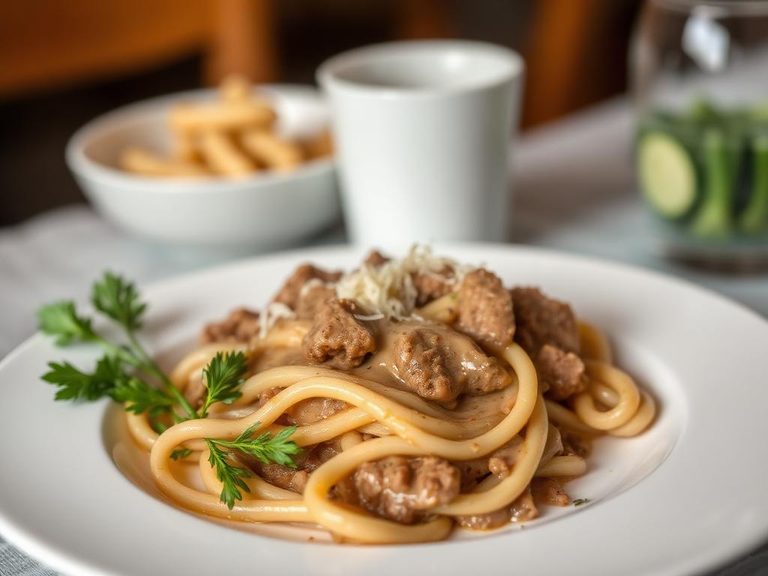
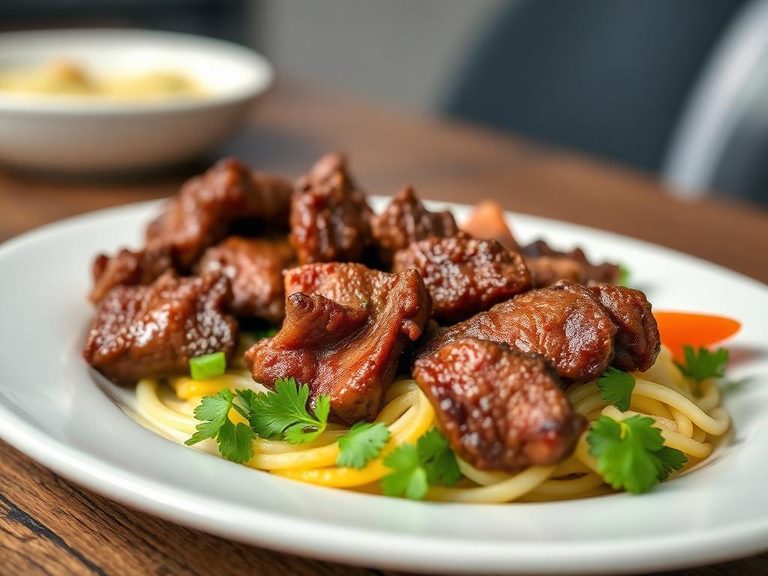
🌍 Where it's eaten
💡 Did you know?
The 'shoulder clod' is actually a group of several muscles, and the 'top and center' steaks are among the most tender portions from this large, hard-working section of the animal.
Full nutrition (USDA data · scales with serving)
| Water | 72.5 g |
| Energy | 143 kcal |
| Energy | 597 kj |
| Protein | 20.4 g |
| Total lipid (fat) | 6.1 g |
| Ash | 0.91 g |
| Carbohydrate, by difference | 0.00 g |
| Fiber, total dietary | 0.00 g |
| Total Sugars | 0.00 g |
| Calcium, Ca | 4.0 mg |
| Iron, Fe | 2.1 mg |
| Magnesium, Mg | 24.0 mg |
| Phosphorus, P | 212 mg |
| Potassium, K | 347 mg |
| Sodium, Na | 61.0 mg |
| Zinc, Zn | 5.2 mg |
| Copper, Cu | 0.09 mg |
| Manganese, Mn | 0.01 mg |
| Selenium, Se | 29.7 ug |
| Vitamin C, total ascorbic acid | 0.00 mg |
| Thiamin | 0.07 mg |
| Riboflavin | 0.23 mg |
| Niacin | 5.1 mg |
| Pantothenic acid | 0.73 mg |
| Vitamin B-6 | 0.67 mg |
| Folate, total | 7.0 ug |
| Folic acid | 0.00 ug |
| Folate, food | 7.0 ug |
| Folate, DFE | 7.0 ug |
| Choline, total | 85.1 mg |
| Betaine | 15.1 mg |
| Vitamin B-12 | 3.6 ug |
| Vitamin B-12, added | 0.00 ug |
| Vitamin A, RAE | 0.00 ug |
| Retinol | 0.00 ug |
| Carotene, beta | 0.00 ug |
| Carotene, alpha | 0.00 ug |
| Cryptoxanthin, beta | 0.00 ug |
| Vitamin A, IU | 0.00 iu |
| Lycopene | 0.00 ug |
| Lutein + zeaxanthin | 0.00 ug |
| Vitamin E (alpha-tocopherol) | 0.18 mg |
| Vitamin E, added | 0.00 mg |
| Tocopherol, beta | 0.00 mg |
| Tocopherol, gamma | 0.02 mg |
| Tocopherol, delta | 0.01 mg |
| Tocotrienol, alpha | 0.00 mg |
| Tocotrienol, beta | 0.00 mg |
| Tocotrienol, gamma | 0.00 mg |
| Tocotrienol, delta | 0.00 mg |
| Vitamin K (phylloquinone) | 0.20 ug |
| Vitamin K (Dihydrophylloquinone) | 0.00 ug |
| Vitamin K (Menaquinone-4) | 1.5 ug |
| Alcohol, ethyl | 0.00 g |
| Caffeine | 0.00 mg |
| Theobromine | 0.00 mg |
Fat & fatty acid profile (per 100g)
| Fatty acids, total saturated | 2.1 g |
| SFA 4:0 | 0.00 g |
| SFA 6:0 | 0.00 g |
| SFA 8:0 | 0.00 g |
| SFA 10:0 | 0.00 g |
| SFA 12:0 | 0.00 g |
| SFA 14:0 | 0.15 g |
| SFA 15:0 | 0.02 g |
| SFA 16:0 | 1.3 g |
| SFA 17:0 | 0.05 g |
| SFA 18:0 | 0.58 g |
| SFA 20:0 | 0.00 g |
| SFA 22:0 | 0.01 g |
| Fatty acids, total monounsaturated | 3.4 g |
| MUFA 14:1 | 0.04 g |
| MUFA 15:1 | 0.00 g |
| MUFA 16:1 | 0.18 g |
| MUFA 17:1 | 0.00 g |
| MUFA 18:1 | 2.1 g |
| MUFA 18:1 c | 1.9 g |
| MUFA 20:1 | 0.00 g |
| Fatty acids, total polyunsaturated | 0.55 g |
| PUFA 18:2 | 0.25 g |
| PUFA 18:2 n-6 c,c | 0.21 g |
| PUFA 18:3 | 0.00 g |
| PUFA 18:3 n-3 c,c,c (ALA) | 0.00 g |
| PUFA 18:3 n-6 c,c,c | 0.00 g |
| PUFA 18:4 | 0.00 g |
| PUFA 20:2 n-6 c,c | 0.00 g |
| PUFA 20:3 | 0.00 g |
| PUFA 20:4 | 0.05 g |
| Fatty acids, total trans | 0.20 g |
| Fatty acids, total trans-monoenoic | 0.16 g |
| TFA 18:1 t | 0.16 g |
| TFA 18:2 t,t | 0.04 g |
| Fatty acids, total trans-polyenoic | 0.04 g |
| Cholesterol | 57.0 mg |
Amino acid profile (per 100g)
| Tryptophan | 0.13 g |
| Threonine | 0.81 g |
| Isoleucine | 0.93 g |
| Leucine | 1.6 g |
| Lysine | 1.7 g |
| Methionine | 0.53 g |
| Cystine | 0.26 g |
| Phenylalanine | 0.81 g |
| Tyrosine | 0.65 g |
| Valine | 1.0 g |
| Arginine | 1.3 g |
| Histidine | 0.65 g |
| Alanine | 1.2 g |
| Aspartic acid | 1.9 g |
| Glutamic acid | 3.1 g |
| Glycine | 1.2 g |
| Proline | 0.97 g |
| Serine | 0.80 g |
| Hydroxyproline | 0.07 g |
FAQ
What's the best way to cook this cut to avoid toughness?
For the most tender results, use low-and-slow moist-heat methods like braising or stewing, which break down the connective tissue. If grilling or pan-searing, slice it thinly against the grain after cooking.
Is this the same as chuck roast?
Yes, 'chuck' is the primal cut, and 'shoulder clod' is a specific sub-primal section from it. 'Chuck roast' is a common retail name for roasts from this area, which includes the shoulder top and center steaks.
How does its nutrition compare to a fattier cut like ribeye?
This shoulder cut is significantly leaner, with about 6g of fat per 100g versus a ribeye's 20g+. It provides more protein per calorie but less of the rich, marbled flavor that fat delivers.
Nutrient density (calculated · NRF9.3)
Nutrient Rich Foods index: beneficial nutrients (protein, fiber, vitamins, minerals) minus saturated fat, added sugar & sodium, per 100 kcal.
NRF9.3 index — Fulgoni, Keast & Drewnowski, 2009. Computed from USDA nutrients.
Weight-loss friendliness (composite index)
Energy density 1.43 kcal/g · 57% calories from protein · 0.0 g fiber · 0.0 g sugar per 100 g.
Composite of energy density (Rolls et al., 1999), protein & fiber satiety, minus sugar. A calculated heuristic — ranks satiety-per-calorie, not a clinical measure.
Dietary load (calculated from USDA values)
Potential renal acid load. Positive = acid-forming, negative = alkaline-forming.
Sodium-to-potassium ratio: 0.18 (lower is better — aim for ≤ 1)
Sodium:potassium per WHO potassium guidance. Computed from USDA nutrients.