

Spinach, frozen, chopped or leaf, unprepared (Includes foods for USDA's Food Distribution Program)
Whole food · Vegetables and Vegetable Products
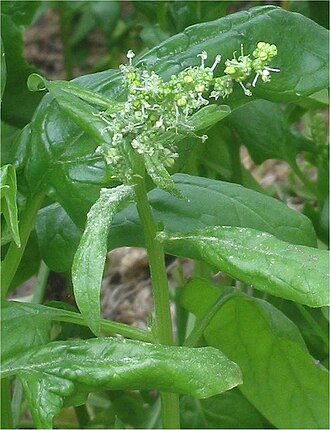
Photo: Wikipedia
Frozen spinach is a convenient, nutrient-dense staple, offering the deep, earthy flavor and tender texture of fresh spinach in a year-round, pre-chopped form. It's a powerhouse of vitamins A, C, and K, with a notable iron content, all packed into a low-calorie, high-fiber package that's perfect for quick meal additions.
Calorie split: 40% protein · 46% carbs · 14% fat
↓ Full nutrition💚 Why it's loved
People love frozen spinach for its incredible convenience and ability to add a boost of nutrients and color to any dish without the prep work or spoilage concerns of fresh. It's a kitchen workhorse that seamlessly integrates into everything from morning smoothies to hearty winter casseroles.
⚠️ Watch-outs & how to enjoy it better
The high oxalate content in spinach can bind to minerals like calcium and iron, potentially reducing absorption and posing a risk for those prone to kidney stones. To mitigate this, pair spinach dishes with a source of vitamin C (like lemon juice or tomatoes) to enhance iron uptake, and ensure adequate hydration. Cooking spinach, especially boiling and draining, can also help reduce oxalate levels.
Key benefits
- Excellent source of Vitamin K for bone health
- Rich in antioxidants like lutein and zeaxanthin
- High in dietary fiber for digestive health
- Provides a good plant-based source of iron
- Low in calories and naturally fat-free
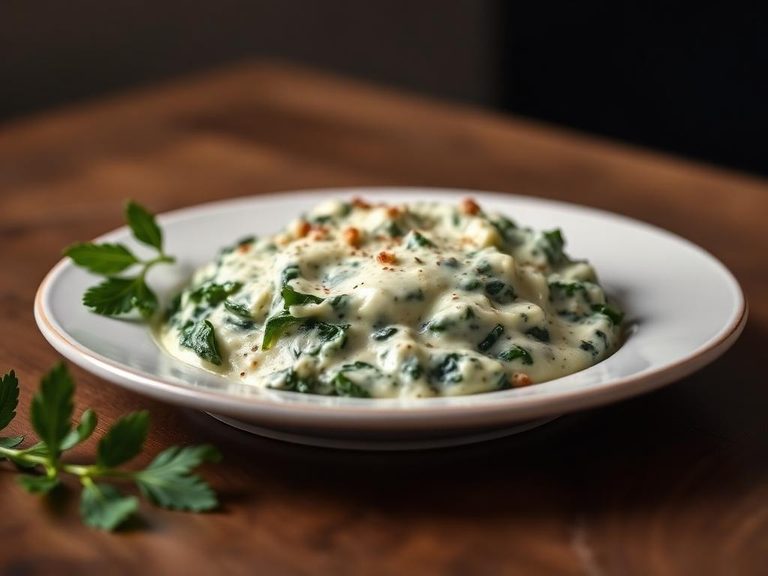
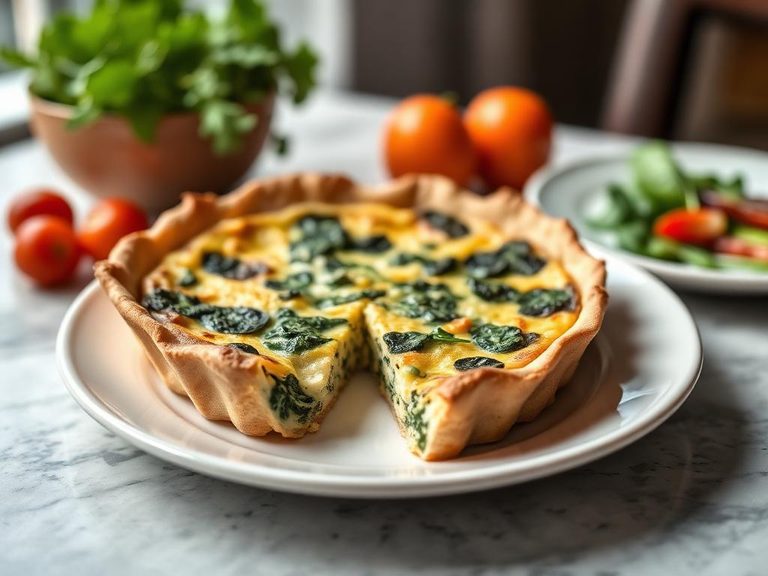
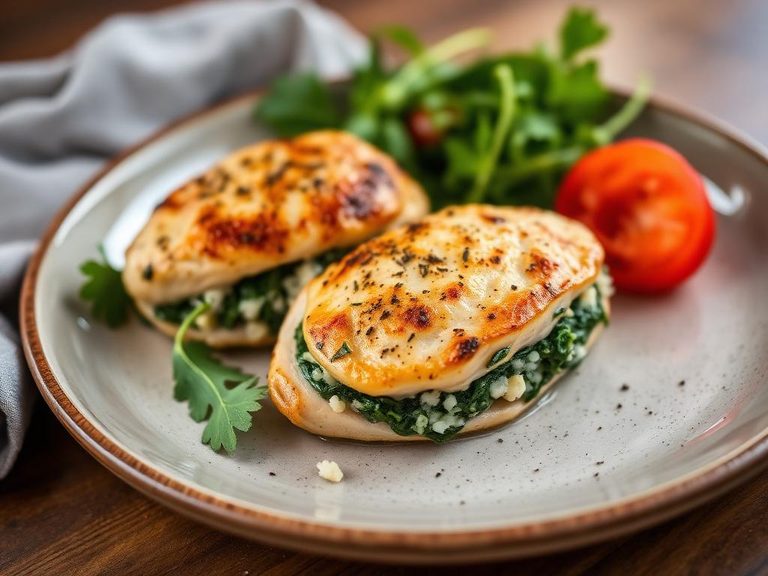
🍽️ Popular dishes
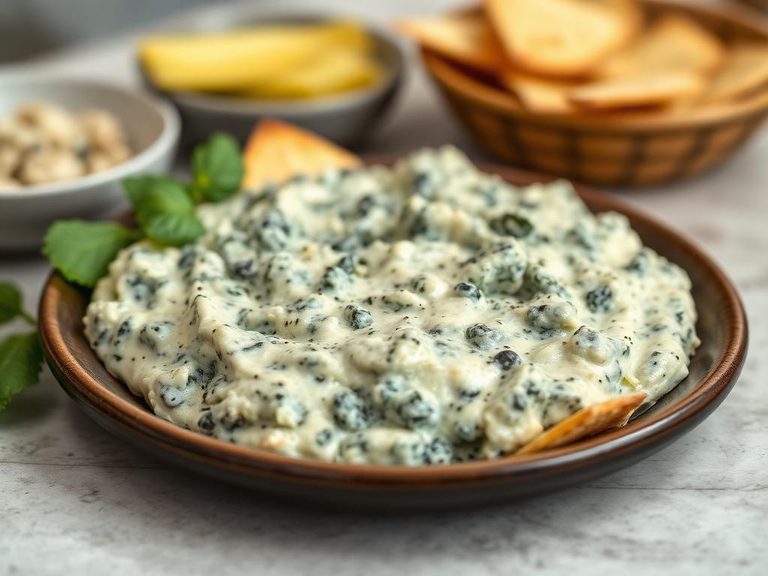
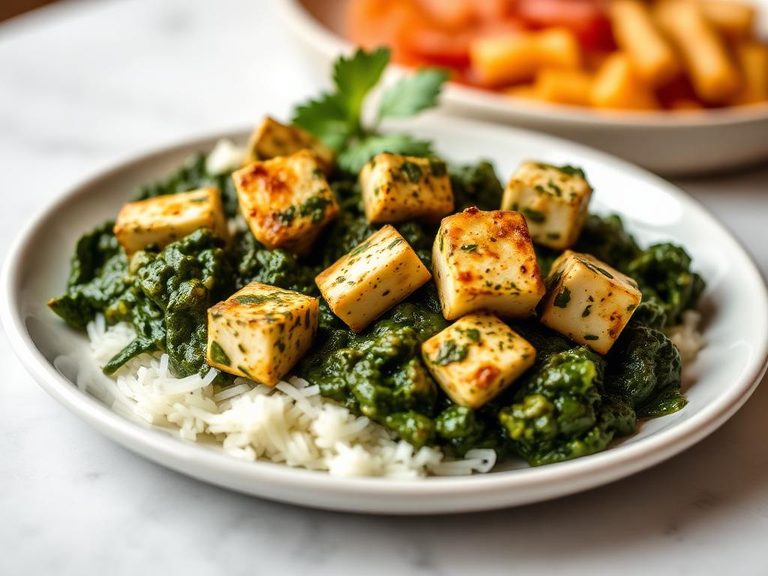
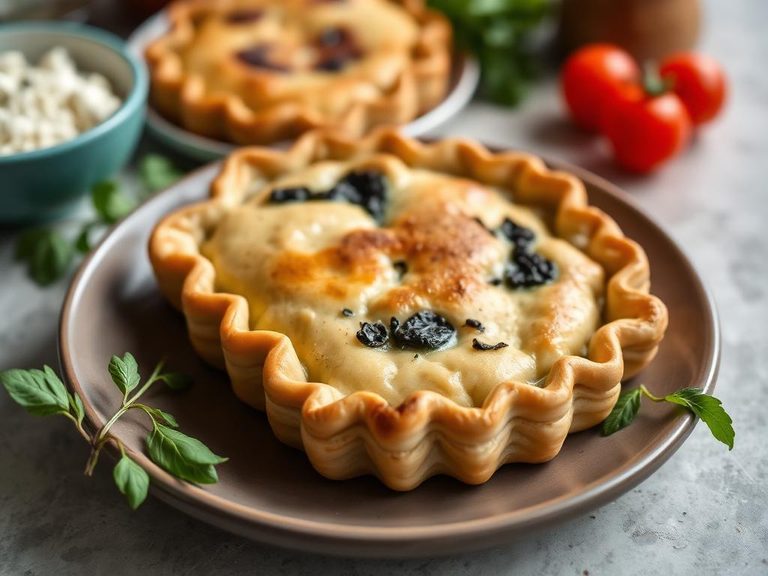
🌍 Where it's eaten
💡 Did you know?
The freezing process for spinach was commercialized in the 1920s by Clarence Birdseye, the same inventor who pioneered the flash-freezing method for many other foods, revolutionizing how we preserve and consume vegetables.
Full nutrition (USDA data · scales with serving)
| Water | 90.2 g |
| Energy | 29.0 kcal |
| Energy | 120 kj |
| Protein | 3.6 g |
| Total lipid (fat) | 0.57 g |
| Ash | 1.4 g |
| Carbohydrate, by difference | 4.2 g |
| Fiber, total dietary | 2.9 g |
| Total Sugars | 0.65 g |
| Sucrose | 0.24 g |
| Glucose | 0.24 g |
| Fructose | 0.18 g |
| Lactose | 0.00 g |
| Maltose | 0.00 g |
| Galactose | 0.00 g |
| Starch | 0.00 g |
| Calcium, Ca | 129 mg |
| Iron, Fe | 1.9 mg |
| Magnesium, Mg | 75.0 mg |
| Phosphorus, P | 49.0 mg |
| Potassium, K | 346 mg |
| Sodium, Na | 74.0 mg |
| Zinc, Zn | 0.56 mg |
| Copper, Cu | 0.14 mg |
| Manganese, Mn | 0.70 mg |
| Selenium, Se | 6.0 ug |
| Vitamin C, total ascorbic acid | 5.5 mg |
| Thiamin | 0.09 mg |
| Riboflavin | 0.22 mg |
| Niacin | 0.51 mg |
| Pantothenic acid | 0.09 mg |
| Vitamin B-6 | 0.17 mg |
| Folate, total | 145 ug |
| Folic acid | 0.00 ug |
| Folate, food | 145 ug |
| Folate, DFE | 145 ug |
| Choline, total | 22.1 mg |
| Betaine | 117 mg |
| Vitamin B-12 | 0.00 ug |
| Vitamin B-12, added | 0.00 ug |
| Vitamin A, RAE | 586 ug |
| Retinol | 0.00 ug |
| Carotene, beta | 7035 ug |
| Carotene, alpha | 0.00 ug |
| Cryptoxanthin, beta | 0.00 ug |
| Vitamin A, IU | 11726 iu |
| Lycopene | 0.00 ug |
| Lutein + zeaxanthin | 12651 ug |
| Vitamin E (alpha-tocopherol) | 2.9 mg |
| Vitamin E, added | 0.00 mg |
| Tocopherol, beta | 0.01 mg |
| Tocopherol, gamma | 0.14 mg |
| Tocopherol, delta | 0.00 mg |
| Tocotrienol, alpha | 0.00 mg |
| Tocotrienol, beta | 0.00 mg |
| Tocotrienol, gamma | 0.00 mg |
| Tocotrienol, delta | 0.00 mg |
| Vitamin D (D2 + D3), International Units | 0.00 iu |
| Vitamin D (D2 + D3) | 0.00 ug |
| Vitamin K (phylloquinone) | 372 ug |
| Vitamin K (Dihydrophylloquinone) | 0.00 ug |
| Alcohol, ethyl | 0.00 g |
| Caffeine | 0.00 mg |
| Theobromine | 0.00 mg |
Fat & fatty acid profile (per 100g)
| Fatty acids, total saturated | 0.04 g |
| SFA 4:0 | 0.00 g |
| SFA 6:0 | 0.00 g |
| SFA 8:0 | 0.00 g |
| SFA 10:0 | 0.00 g |
| SFA 12:0 | 0.00 g |
| SFA 14:0 | 0.00 g |
| SFA 15:0 | 0.00 g |
| SFA 16:0 | 0.04 g |
| SFA 17:0 | 0.00 g |
| SFA 18:0 | 0.00 g |
| SFA 20:0 | 0.00 g |
| SFA 22:0 | 0.00 g |
| SFA 24:0 | 0.00 g |
| Fatty acids, total monounsaturated | 0.00 g |
| MUFA 14:1 | 0.00 g |
| MUFA 16:1 | 0.00 g |
| MUFA 18:1 | 0.00 g |
| MUFA 20:1 | 0.00 g |
| MUFA 22:1 | 0.00 g |
| Fatty acids, total polyunsaturated | 0.08 g |
| PUFA 18:2 | 0.00 g |
| PUFA 18:3 | 0.08 g |
| PUFA 18:4 | 0.00 g |
| PUFA 20:4 | 0.00 g |
| PUFA 20:5 n-3 (EPA) | 0.00 g |
| PUFA 22:5 n-3 (DPA) | 0.00 g |
| PUFA 22:6 n-3 (DHA) | 0.00 g |
| Fatty acids, total trans | 0.00 g |
| Cholesterol | 0.00 mg |
Amino acid profile (per 100g)
| Tryptophan | 0.10 g |
| Threonine | 0.22 g |
| Isoleucine | 0.13 g |
| Leucine | 0.20 g |
| Lysine | 0.25 g |
| Methionine | 0.05 g |
| Cystine | 0.03 g |
| Phenylalanine | 0.21 g |
| Tyrosine | 0.21 g |
| Valine | 0.18 g |
| Arginine | 0.48 g |
| Histidine | 0.05 g |
| Alanine | 0.22 g |
| Aspartic acid | 0.43 g |
| Glutamic acid | 0.51 g |
| Glycine | 0.22 g |
| Proline | 0.20 g |
| Serine | 0.17 g |
FAQ
Is frozen spinach as nutritious as fresh?
Yes, often more so. Spinach is typically flash-frozen at peak ripeness, locking in nutrients. Fresh spinach can lose vitamins (especially vitamin C) during transport and storage, so frozen can be a more consistent source of certain nutrients.
Do I need to thaw frozen spinach before using it?
It depends on the recipe. For soups, stews, or sauces, you can often add it directly from frozen. For dishes where excess water is a problem (like quiche or dips), thaw it first and squeeze out as much liquid as possible using a clean kitchen towel or cheesecloth.
How should I store leftover cooked spinach?
Place cooled cooked spinach in an airtight container in the refrigerator for up to 3-4 days. It can also be frozen for longer storage, though the texture may become softer upon reheating.
Nutrient density (calculated · NRF9.3)
Nutrient Rich Foods index: beneficial nutrients (protein, fiber, vitamins, minerals) minus saturated fat, added sugar & sodium, per 100 kcal.
NRF9.3 index — Fulgoni, Keast & Drewnowski, 2009. Computed from USDA nutrients.
Weight-loss friendliness (composite index)
Energy density 0.29 kcal/g · 50% calories from protein · 2.9 g fiber · 0.7 g sugar per 100 g.
Composite of energy density (Rolls et al., 1999), protein & fiber satiety, minus sugar. A calculated heuristic — ranks satiety-per-calorie, not a clinical measure.
Dietary load (calculated from USDA values)
Potential renal acid load. Positive = acid-forming, negative = alkaline-forming.
Sodium-to-potassium ratio: 0.21 (lower is better — aim for ≤ 1)
Sodium:potassium per WHO potassium guidance. Computed from USDA nutrients.