

Pork, fresh, loin, top loin (chops), boneless, separable lean only, cooked, pan-fried
Whole food · Pork Products

Photo: Wikipedia
This is a lean, boneless cut from the top loin of the pork, cooked by pan-frying. It offers a mild, subtly sweet flavor with a tender, fine-grained texture that can become dry if overcooked. Nutritionally, it's a powerhouse of high-quality protein with minimal fat and zero carbohydrates.
Calorie split: 75% protein · 0% carbs · 25% fat
↓ Full nutrition💚 Why it's loved
People love it for its clean, mild pork flavor that acts as a perfect canvas for marinades and seasonings, and its quick cooking time makes it ideal for weeknight meals. Its lean profile is prized by those seeking high-protein, lower-fat animal protein options.
⚠️ Watch-outs & how to enjoy it better
The primary downside is its leanness, which can lead to a dry, tough texture if overcooked. To counteract this, use a meat thermometer to cook to an internal temperature of 145°F (63°C), then let it rest for 3-5 minutes before slicing. Pairing it with a sauce, a healthy fat like avocado oil, or a side of vegetables can also enhance moisture and palatability.
Key benefits
- Exceptionally high in protein (30.46g per 100g) for muscle maintenance and satiety.
- Very low in fat (4.62g per 100g) compared to other pork cuts.
- Zero carbohydrates and sugars, making it suitable for low-carb and ketogenic diets.
- A good source of B vitamins, particularly thiamine (B1) and niacin (B3).
- Provides essential minerals like selenium and phosphorus.
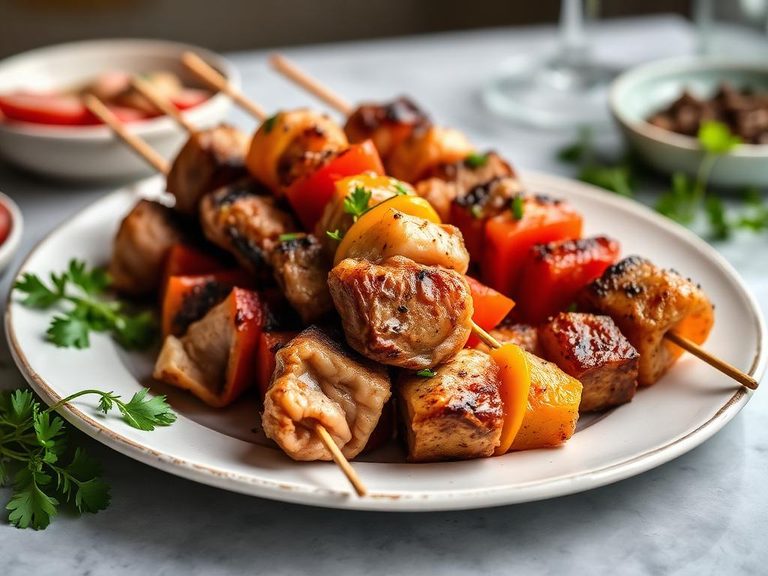
🍽️ Popular dishes
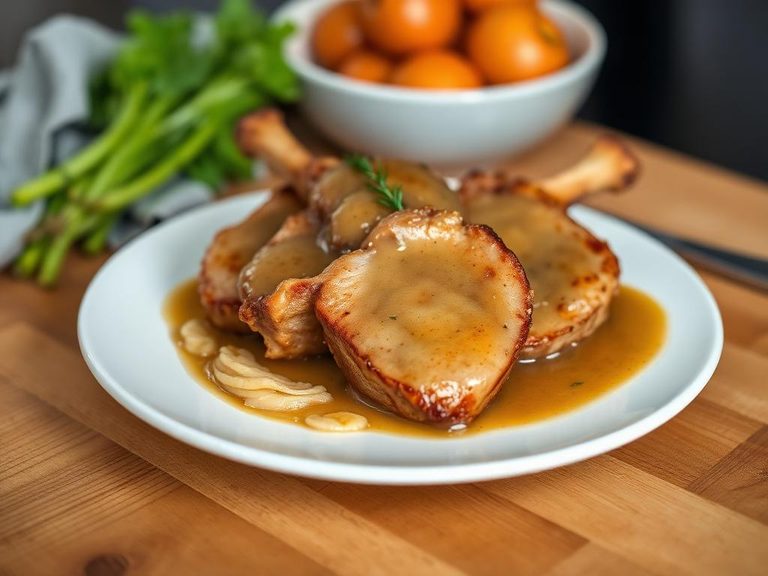
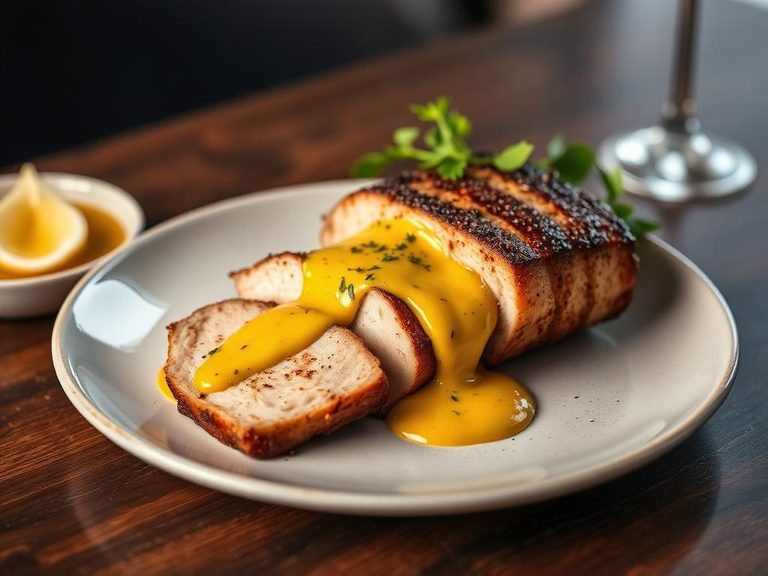
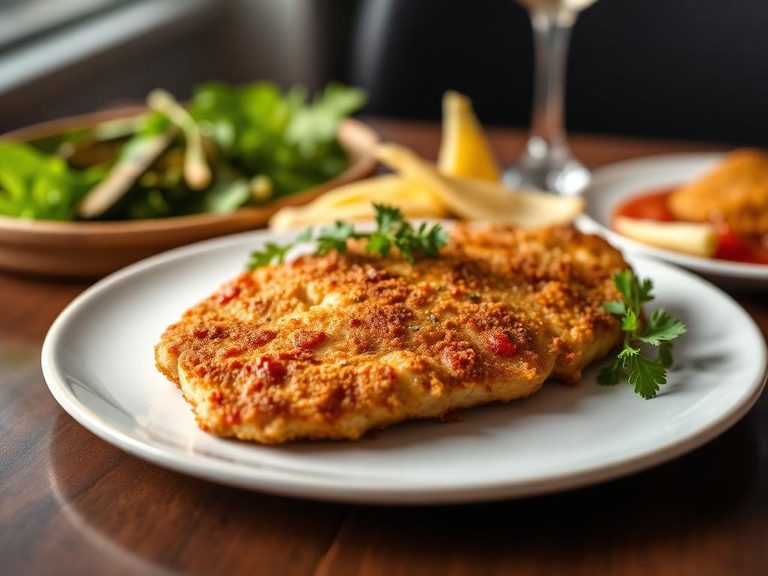
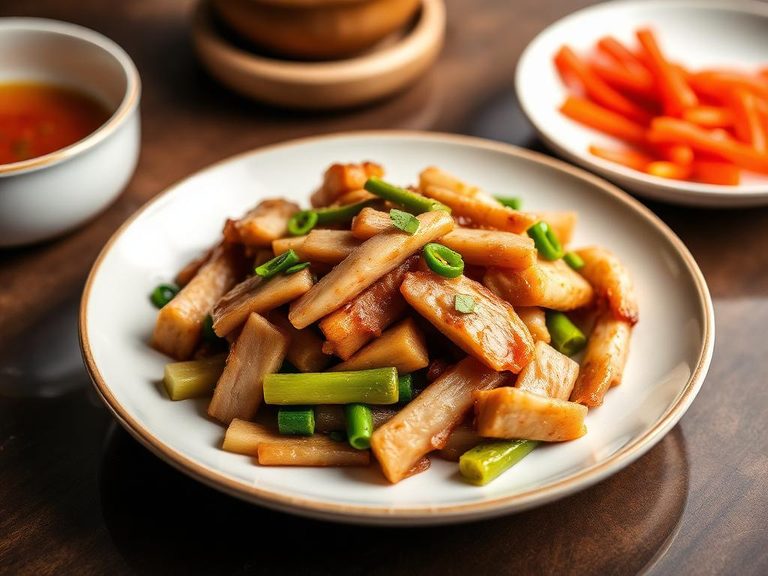
🌍 Where it's eaten
💡 Did you know?
The 'top loin' is the same muscle that gives us the New York strip steak in beef, making it one of the most tender and prized cuts on the pig.
Full nutrition (USDA data · scales with serving)
| Water | 64.8 g |
| Energy | 172 kcal |
| Energy | 718 kj |
| Protein | 30.5 g |
| Total lipid (fat) | 4.6 g |
| Ash | 1.3 g |
| Carbohydrate, by difference | 0.00 g |
| Fiber, total dietary | 0.00 g |
| Total Sugars | 0.00 g |
| Calcium, Ca | 8.0 mg |
| Iron, Fe | 0.84 mg |
| Magnesium, Mg | 26.0 mg |
| Phosphorus, P | 293 mg |
| Potassium, K | 390 mg |
| Sodium, Na | 87.0 mg |
| Zinc, Zn | 2.3 mg |
| Copper, Cu | 0.09 mg |
| Manganese, Mn | 0.01 mg |
| Selenium, Se | 42.0 ug |
| Vitamin C, total ascorbic acid | 0.00 mg |
| Thiamin | 0.66 mg |
| Riboflavin | 0.23 mg |
| Niacin | 10.8 mg |
| Pantothenic acid | 1.4 mg |
| Vitamin B-6 | 0.58 mg |
| Folate, total | 0.00 ug |
| Folic acid | 0.00 ug |
| Folate, food | 0.00 ug |
| Folate, DFE | 0.00 ug |
| Choline, total | 105 mg |
| Betaine | 4.1 mg |
| Vitamin B-12 | 0.83 ug |
| Vitamin B-12, added | 0.00 ug |
| Vitamin A, RAE | 3.0 ug |
| Retinol | 3.0 ug |
| Carotene, beta | 0.00 ug |
| Carotene, alpha | 0.00 ug |
| Cryptoxanthin, beta | 0.00 ug |
| Vitamin A, IU | 9.0 iu |
| Lycopene | 0.00 ug |
| Lutein + zeaxanthin | 0.00 ug |
| Vitamin E (alpha-tocopherol) | 0.23 mg |
| Vitamin E, added | 0.00 mg |
| Vitamin D (D2 + D3), International Units | 20.0 iu |
| Vitamin D (D2 + D3) | 0.50 ug |
| Vitamin D3 (cholecalciferol) | 0.50 ug |
| Vitamin K (phylloquinone) | 0.00 ug |
| Vitamin K (Dihydrophylloquinone) | 0.00 ug |
| Alcohol, ethyl | 0.00 g |
| Caffeine | 0.00 mg |
| Theobromine | 0.00 mg |
Fat & fatty acid profile (per 100g)
| Fatty acids, total saturated | 1.8 g |
| SFA 4:0 | 0.00 g |
| SFA 6:0 | 0.00 g |
| SFA 8:0 | 0.00 g |
| SFA 10:0 | 0.01 g |
| SFA 12:0 | 0.01 g |
| SFA 14:0 | 0.07 g |
| SFA 15:0 | 0.00 g |
| SFA 16:0 | 1.1 g |
| SFA 17:0 | 0.01 g |
| SFA 18:0 | 0.58 g |
| SFA 20:0 | 0.01 g |
| SFA 22:0 | 0.00 g |
| SFA 24:0 | 0.00 g |
| Fatty acids, total monounsaturated | 2.1 g |
| MUFA 14:1 | 0.00 g |
| MUFA 15:1 | 0.00 g |
| MUFA 16:1 | 0.13 g |
| MUFA 17:1 | 0.00 g |
| MUFA 18:1 | 1.9 g |
| MUFA 18:1 c | 1.9 g |
| MUFA 20:1 | 0.03 g |
| MUFA 22:1 | 0.00 g |
| MUFA 22:1 c | 0.00 g |
| Fatty acids, total polyunsaturated | 0.68 g |
| PUFA 18:2 | 0.57 g |
| PUFA 18:2 n-6 c,c | 0.57 g |
| PUFA 18:3 | 0.02 g |
| PUFA 18:3 n-3 c,c,c (ALA) | 0.02 g |
| PUFA 18:3 n-6 c,c,c | 0.00 g |
| PUFA 18:3i | 0.00 g |
| PUFA 18:4 | 0.00 g |
| PUFA 20:2 n-6 c,c | 0.02 g |
| PUFA 20:3 | 0.00 g |
| PUFA 20:4 | 0.06 g |
| PUFA 20:5 n-3 (EPA) | 0.00 g |
| PUFA 22:5 n-3 (DPA) | 0.01 g |
| PUFA 22:6 n-3 (DHA) | 0.00 g |
| Fatty acids, total trans | 0.02 g |
| Fatty acids, total trans-monoenoic | 0.02 g |
| TFA 18:1 t | 0.02 g |
| TFA 18:2 t not further defined | 0.00 g |
| Fatty acids, total trans-polyenoic | 0.00 g |
| Cholesterol | 69.0 mg |
Amino acid profile (per 100g)
| Tryptophan | 0.36 g |
| Threonine | 1.3 g |
| Isoleucine | 1.4 g |
| Leucine | 2.5 g |
| Lysine | 2.7 g |
| Methionine | 0.83 g |
| Cystine | 0.34 g |
| Phenylalanine | 1.3 g |
| Tyrosine | 1.2 g |
| Valine | 1.5 g |
| Arginine | 2.0 g |
| Histidine | 1.2 g |
| Alanine | 1.7 g |
| Aspartic acid | 2.8 g |
| Glutamic acid | 4.7 g |
| Glycine | 1.4 g |
| Proline | 1.2 g |
| Serine | 1.3 g |
| Hydroxyproline | 0.11 g |
FAQ
How do I prevent pan-fried pork loin chops from drying out?
The key is to not overcook them. Use a meat thermometer and remove the chops from the pan when they reach an internal temperature of 145°F (63°C). Let them rest for 3-5 minutes before serving; the residual heat will finish cooking them while the juices redistribute.
Is this cut of pork a good source of iron?
While pork does contain some heme iron (the type most easily absorbed by the body), it is not considered a rich source like red meat or organ meats. It is, however, an excellent source of B vitamins and high-quality protein.
Can I use this cut for slow cooking or braising?
It's not ideal. Because it's so lean, slow cooking methods can make it very dry and tough. This cut is best suited for quick, high-heat methods like pan-frying, grilling, or stir-frying.
Nutrient density (calculated · NRF9.3)
Nutrient Rich Foods index: beneficial nutrients (protein, fiber, vitamins, minerals) minus saturated fat, added sugar & sodium, per 100 kcal.
NRF9.3 index — Fulgoni, Keast & Drewnowski, 2009. Computed from USDA nutrients.
Weight-loss friendliness (composite index)
Energy density 1.72 kcal/g · 71% calories from protein · 0.0 g fiber · 0.0 g sugar per 100 g.
Composite of energy density (Rolls et al., 1999), protein & fiber satiety, minus sugar. A calculated heuristic — ranks satiety-per-calorie, not a clinical measure.
Dietary load (calculated from USDA values)
Potential renal acid load. Positive = acid-forming, negative = alkaline-forming.
Sodium-to-potassium ratio: 0.22 (lower is better — aim for ≤ 1)
Sodium:potassium per WHO potassium guidance. Computed from USDA nutrients.