

Plums, dried (prunes), uncooked
Whole food · Fruits and Fruit Juices

Photo: Wikipedia
Prunes are the dried form of specific plum cultivars, most notably the d'Agen plum, transformed into a deeply sweet, chewy, and wrinkled fruit with a rich, caramel-like flavor. Nutritionally, they are a powerhouse of concentrated energy, delivering a significant 240 kcal and nearly 64g of carbohydrates per 100g, with a notable 7.1g of dietary fiber.
Calorie split: 3% protein · 95% carbs · 1% fat
↓ Full nutrition💚 Why it's loved
People love prunes for their intense, complex sweetness that balances tart and caramel notes, making them a satisfying standalone snack or a versatile baking ingredient. They hold a special place in many cultures as a traditional, wholesome food and a natural remedy for digestive regularity.
⚠️ Watch-outs & how to enjoy it better
The high natural sugar and carbohydrate content can cause rapid blood-sugar spikes, which is a concern for individuals managing diabetes. Their well-known laxative effect, due to sorbitol and fiber, can cause digestive discomfort if consumed in large quantities. To counteract this, practice strict portion control (e.g., 30g or 3-4 prunes) and pair them with a protein or fat source like nuts or cheese to slow sugar absorption and mitigate laxative effects.
Key benefits
- Excellent source of dietary fiber for digestive health.
- Rich in antioxidants like phenolic compounds and vitamin K.
- Provides a quick, natural energy boost from concentrated sugars.
- Contains key minerals like potassium and copper.
🍽️ Popular dishes
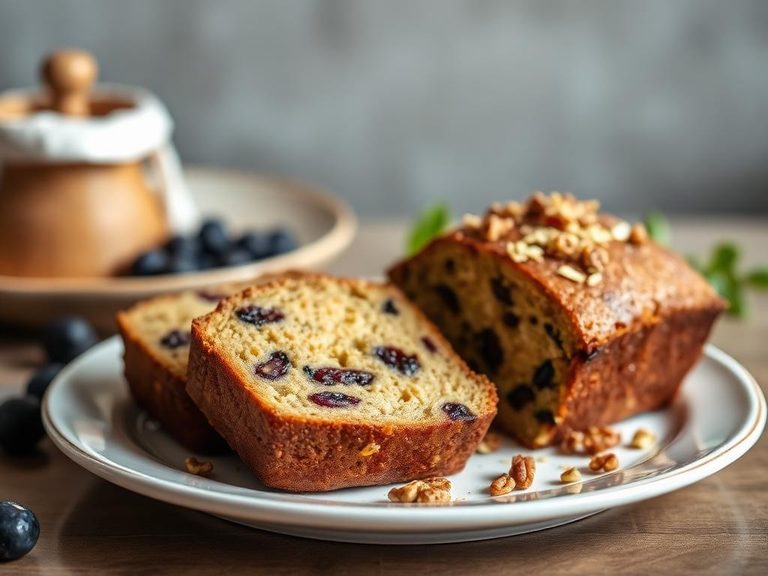


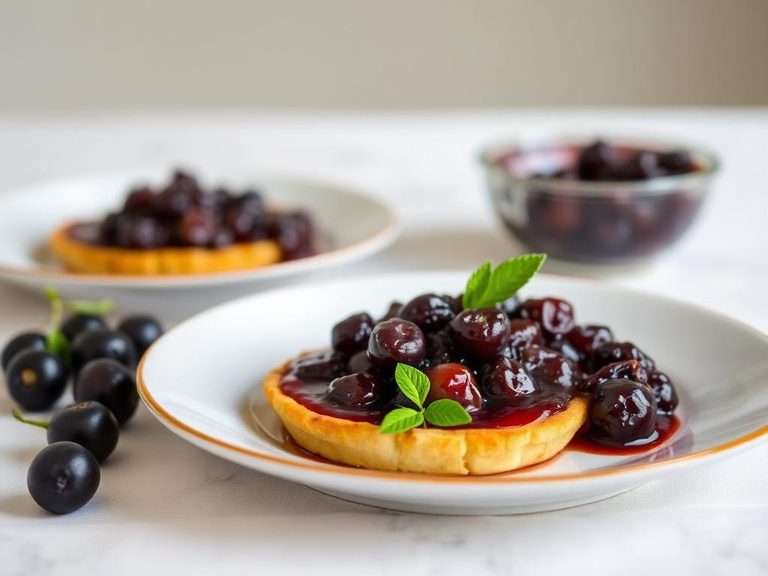
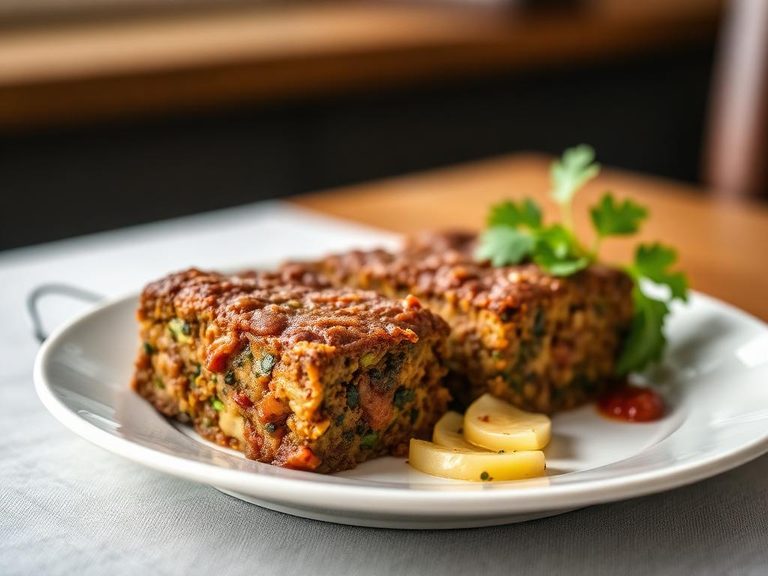
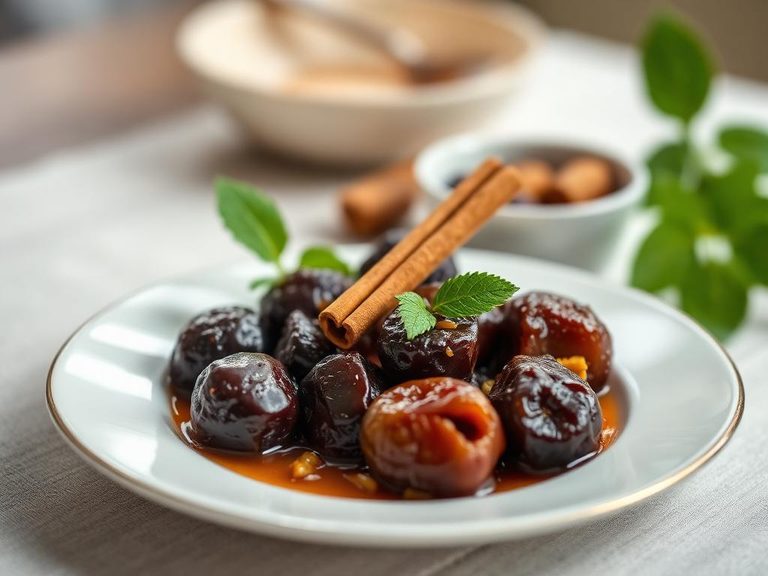
🌍 Where it's eaten
💡 Did you know?
The laxative effect of prunes is partly attributed to sorbitol, a sugar alcohol that is poorly absorbed, and also to their high content of phenolic compounds, which stimulate gut bacteria and increase stool weight.
Full nutrition (USDA data · scales with serving)
| Water | 30.9 g |
| Energy | 240 kcal |
| Energy | 1006 kj |
| Protein | 2.2 g |
| Total lipid (fat) | 0.38 g |
| Ash | 2.6 g |
| Carbohydrate, by difference | 63.9 g |
| Fiber, total dietary | 7.1 g |
| Total Sugars | 38.1 g |
| Sucrose | 0.15 g |
| Glucose | 25.5 g |
| Fructose | 12.4 g |
| Lactose | 0.00 g |
| Maltose | 0.06 g |
| Galactose | 0.00 g |
| Starch | 5.1 g |
| Calcium, Ca | 43.0 mg |
| Iron, Fe | 0.93 mg |
| Magnesium, Mg | 41.0 mg |
| Phosphorus, P | 69.0 mg |
| Potassium, K | 732 mg |
| Sodium, Na | 2.0 mg |
| Zinc, Zn | 0.44 mg |
| Copper, Cu | 0.28 mg |
| Manganese, Mn | 0.30 mg |
| Selenium, Se | 0.30 ug |
| Fluoride, F | 4.0 ug |
| Vitamin C, total ascorbic acid | 0.60 mg |
| Thiamin | 0.05 mg |
| Riboflavin | 0.19 mg |
| Niacin | 1.9 mg |
| Pantothenic acid | 0.42 mg |
| Vitamin B-6 | 0.20 mg |
| Folate, total | 4.0 ug |
| Folic acid | 0.00 ug |
| Folate, food | 4.0 ug |
| Folate, DFE | 4.0 ug |
| Choline, total | 10.1 mg |
| Betaine | 0.40 mg |
| Vitamin B-12 | 0.00 ug |
| Vitamin B-12, added | 0.00 ug |
| Vitamin A, RAE | 39.0 ug |
| Retinol | 0.00 ug |
| Carotene, beta | 394 ug |
| Carotene, alpha | 57.0 ug |
| Cryptoxanthin, beta | 93.0 ug |
| Vitamin A, IU | 781 iu |
| Lycopene | 0.00 ug |
| Lutein + zeaxanthin | 148 ug |
| Vitamin E (alpha-tocopherol) | 0.43 mg |
| Vitamin E, added | 0.00 mg |
| Tocopherol, beta | 0.00 mg |
| Tocopherol, gamma | 0.02 mg |
| Tocopherol, delta | 0.00 mg |
| Tocotrienol, alpha | 0.01 mg |
| Tocotrienol, beta | 0.00 mg |
| Tocotrienol, gamma | 0.00 mg |
| Tocotrienol, delta | 0.00 mg |
| Vitamin D (D2 + D3), International Units | 0.00 iu |
| Vitamin D (D2 + D3) | 0.00 ug |
| Vitamin K (phylloquinone) | 59.5 ug |
| Vitamin K (Dihydrophylloquinone) | 0.00 ug |
| Alcohol, ethyl | 0.00 g |
| Caffeine | 0.00 mg |
| Theobromine | 0.00 mg |
Fat & fatty acid profile (per 100g)
| Fatty acids, total saturated | 0.09 g |
| SFA 4:0 | 0.00 g |
| SFA 6:0 | 0.00 g |
| SFA 8:0 | 0.01 g |
| SFA 10:0 | 0.01 g |
| SFA 12:0 | 0.00 g |
| SFA 14:0 | 0.00 g |
| SFA 15:0 | 0.00 g |
| SFA 16:0 | 0.03 g |
| SFA 17:0 | 0.00 g |
| SFA 18:0 | 0.04 g |
| SFA 20:0 | 0.00 g |
| SFA 22:0 | 0.00 g |
| Fatty acids, total monounsaturated | 0.05 g |
| MUFA 14:1 | 0.00 g |
| MUFA 15:1 | 0.00 g |
| MUFA 16:1 | 0.04 g |
| MUFA 17:1 | 0.00 g |
| MUFA 18:1 | 0.01 g |
| MUFA 20:1 | 0.00 g |
| MUFA 22:1 | 0.00 g |
| Fatty acids, total polyunsaturated | 0.06 g |
| PUFA 18:2 | 0.04 g |
| PUFA 18:3 | 0.02 g |
| PUFA 18:3 n-6 c,c,c | 0.00 g |
| PUFA 18:4 | 0.00 g |
| PUFA 20:2 n-6 c,c | 0.00 g |
| PUFA 20:3 | 0.00 g |
| PUFA 20:4 | 0.00 g |
| PUFA 20:5 n-3 (EPA) | 0.00 g |
| PUFA 22:5 n-3 (DPA) | 0.00 g |
| PUFA 22:6 n-3 (DHA) | 0.00 g |
| Cholesterol | 0.00 mg |
Amino acid profile (per 100g)
| Tryptophan | 0.03 g |
| Threonine | 0.05 g |
| Isoleucine | 0.04 g |
| Leucine | 0.07 g |
| Lysine | 0.05 g |
| Methionine | 0.02 g |
| Cystine | 0.01 g |
| Phenylalanine | 0.05 g |
| Tyrosine | 0.02 g |
| Valine | 0.06 g |
| Arginine | 0.04 g |
| Histidine | 0.03 g |
| Alanine | 0.07 g |
| Aspartic acid | 0.80 g |
| Glutamic acid | 0.11 g |
| Glycine | 0.05 g |
| Proline | 0.13 g |
| Serine | 0.06 g |
FAQ
Are prunes just dried plums?
Yes, but specifically certain plum varieties (like d'Agen) are grown and processed to become prunes. They are dried in a way that preserves their high sugar and nutrient content, resulting in a distinct texture and flavor.
Why are prunes so effective for digestion?
Their effectiveness comes from a combination of factors: high fiber (both soluble and insoluble), the sugar alcohol sorbitol which draws water into the colon, and phenolic compounds that promote the growth of beneficial gut bacteria.
How should I store prunes?
For short-term use (a few months), keep them in an airtight container in a cool, dark pantry. For longer storage (up to a year), refrigerate them. They can also be frozen for indefinite storage without significant texture loss.
Nutrient density (calculated · NRF9.3)
Nutrient Rich Foods index: beneficial nutrients (protein, fiber, vitamins, minerals) minus saturated fat, added sugar & sodium, per 100 kcal.
NRF9.3 index — Fulgoni, Keast & Drewnowski, 2009. Computed from USDA nutrients.
Weight-loss friendliness (composite index)
Energy density 2.40 kcal/g · 4% calories from protein · 7.1 g fiber · 38.1 g sugar per 100 g.
Composite of energy density (Rolls et al., 1999), protein & fiber satiety, minus sugar. A calculated heuristic — ranks satiety-per-calorie, not a clinical measure.
Dietary load (calculated from USDA values)
Potential renal acid load. Positive = acid-forming, negative = alkaline-forming.
Sodium-to-potassium ratio: 0.00 (lower is better — aim for ≤ 1)
Sodium:potassium per WHO potassium guidance. Computed from USDA nutrients.