

Kugel
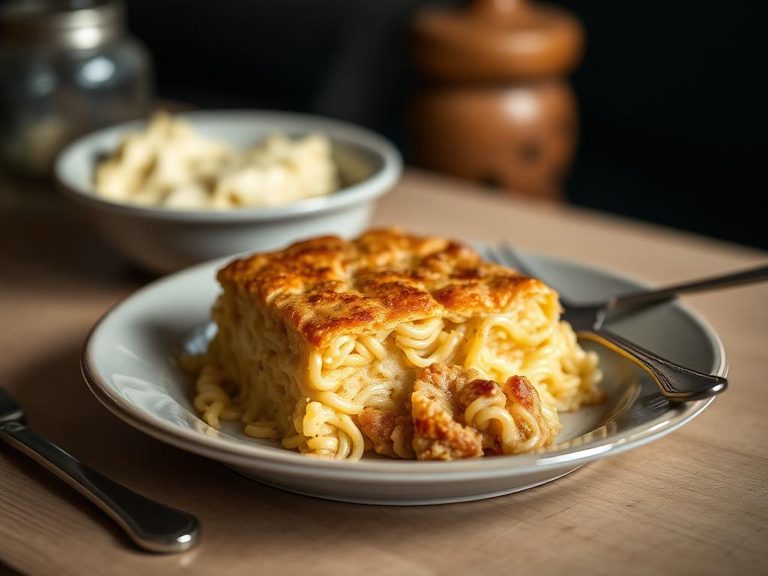
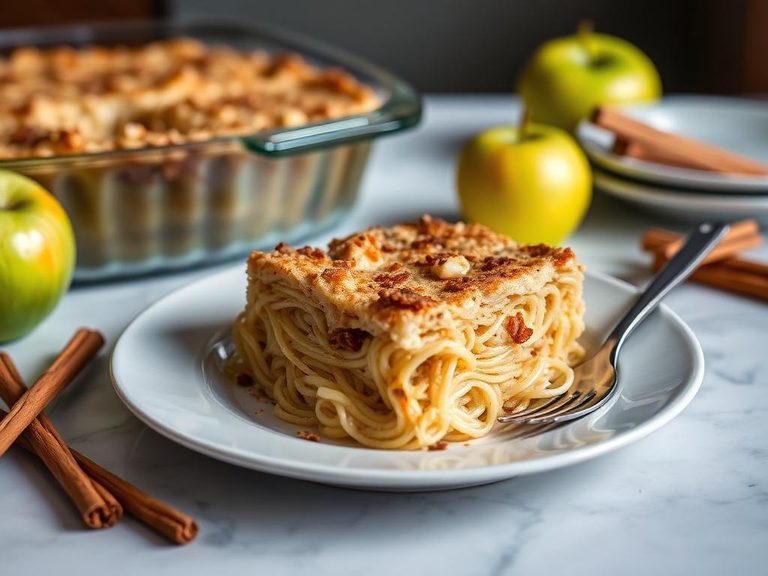
Kugel is a traditional Ashkenazi Jewish baked pudding, typically made from egg noodles or potatoes, eggs, and a fat like oil or schmaltz. Sweet versions often include sugar, cinnamon, and raisins, while savory ones might feature onions and black pepper. It's a staple of Jewish holiday meals, especially Shabbat and festivals, with roots in Eastern European Jewish communities.
🍳 View the full Kugel recipe →
🍽️ Nutrition at a glance
Kugel is generally high in carbohydrates and fat, with moderate protein from eggs and dairy if used. A typical serving (about 1 cup) can range from 300 to 500 calories, providing energy, some B vitamins, and iron, but often with significant saturated fat and sugar in sweet variations.
Nutrition breakdown
| Calories | 350 kcal |
| Protein | 8 g |
| Carbs | 48 g |
| Fat | 14 g |
| Fiber | 1 g |
| Sugar | 20 g |
| Sodium | 320 mg |
| Calcium | 180 mg |
| Iron | 2.5 mg |
| Potassium | 150 mg |
| Vitamin A | 120 µg |
| Vitamin B12 | 0.4 µg |
| Riboflavin (B2) | 0.3 mg |
| Phosphorus | 120 mg |
| Selenium | 15 µg |
Per 1 cup (240 g) · estimated, varies by recipe
💡 What's interesting
Culturally, kugel symbolizes comfort and tradition, often passed down through family recipes, and its versatility reflects Jewish dietary laws (kashrut) by adapting to available ingredients. Nutritionally, it's a dense, energy-rich dish that historically provided sustenance during long holiday observances, making it a hearty centerpiece rather than a light side.
🍽️ Related dishes
AI estimate may be inaccurate · Terms