

Fish, salmon, coho (silver), raw (Alaska Native)
Whole food · American Indian/Alaska Native Foods

Photo: Wikipedia
Coho (silver) salmon is a wild Pacific salmon prized for its deep orange-red flesh, firm texture, and a rich, clean flavor that's milder and less fatty than its Sockeye cousin. Nutritionally, it's a powerhouse, delivering over 22 grams of high-quality protein per 100g with minimal fat, making it an excellent lean choice for muscle maintenance and satiety.
Calorie split: 64% protein · 0% carbs · 36% fat
↓ Full nutrition💚 Why it's loved
People adore coho for its versatile, meaty texture that holds up beautifully on the grill or in stews without falling apart. Its balanced, non-overpowering flavor makes it a favorite for both simple preparations and complex, seasoned dishes.
⚠️ Watch-outs & how to enjoy it better
As a common fish allergen, it must be avoided by those with specific sensitivities. To counteract its mild flavor which some might find bland, use bold marinades, citrus, or herbs; and always source from sustainable fisheries to avoid potential contaminants like mercury.
Key benefits
- Excellent source of complete protein for muscle repair
- Rich in Omega-3 fatty acids for heart and brain health
- Provides high levels of Vitamin B12 and Selenium
- Naturally low in carbohydrates and sugars
🍽️ Popular dishes
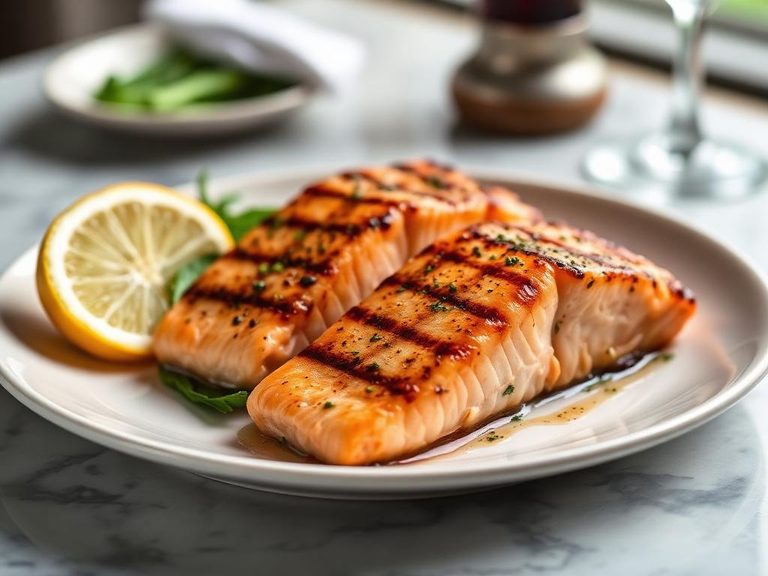
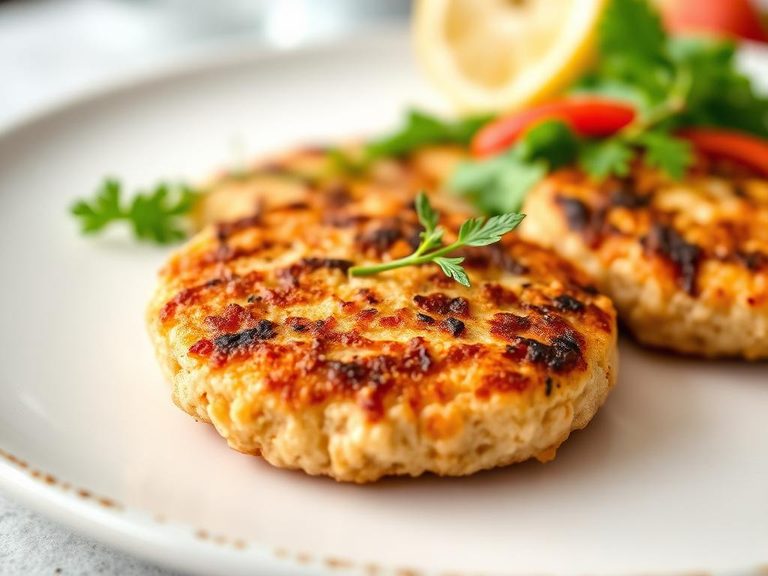
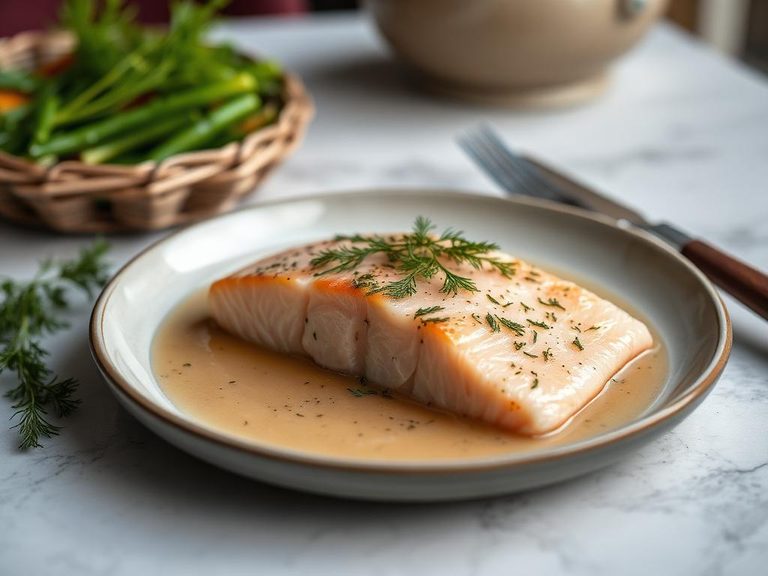
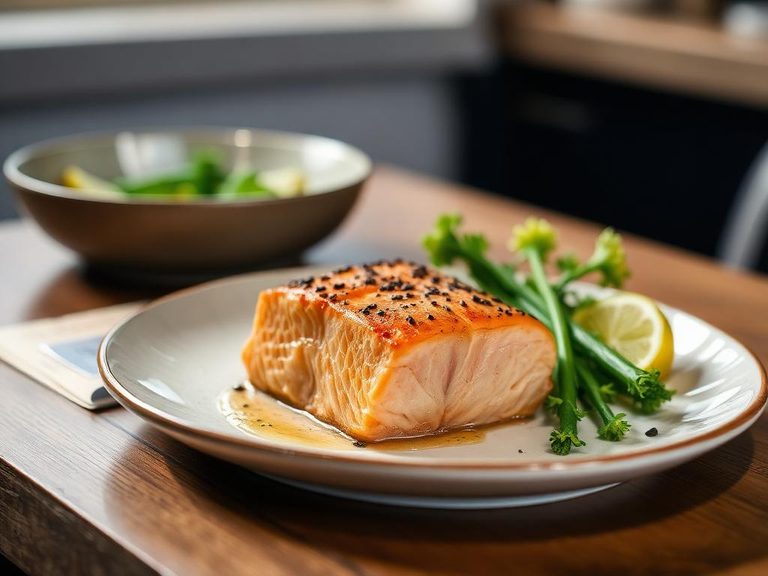
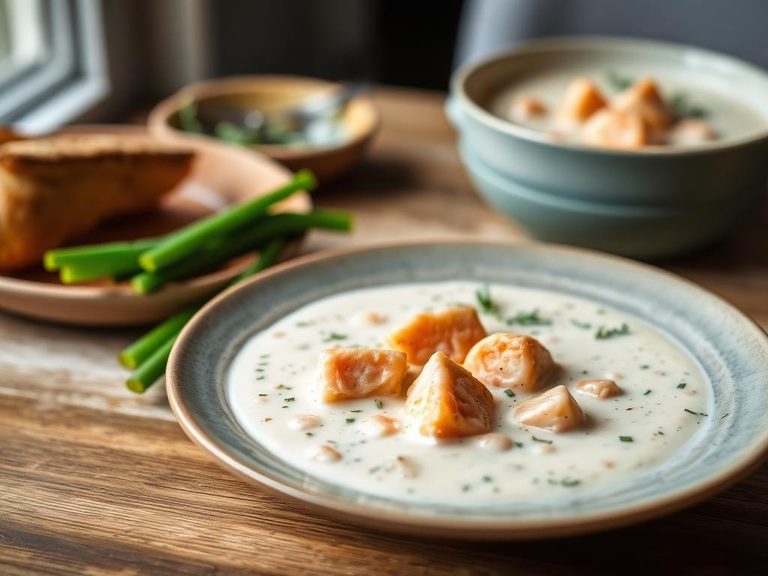
🌍 Where it's eaten
💡 Did you know?
Coho salmon are sometimes called 'silver salmon' for their bright silver sides, but they undergo a dramatic transformation during spawning, developing a dark back and a vivid red-orange jaw and gum line.
Full nutrition (USDA data · scales with serving)
| Water | 69.4 g |
| Energy | 140 kcal |
| Energy | 587 kj |
| Protein | 22.6 g |
| Total lipid (fat) | 5.6 g |
| Ash | 1.2 g |
| Carbohydrate, by difference | 0.00 g |
| Fiber, total dietary | 0.00 g |
| Total Sugars | 0.00 g |
| Sucrose | 0.00 g |
| Glucose | 0.00 g |
| Fructose | 0.00 g |
| Lactose | 0.00 g |
| Maltose | 0.00 g |
| Galactose | 0.00 g |
| Starch | 0.00 g |
| Calcium, Ca | 5.0 mg |
| Iron, Fe | 0.55 mg |
| Magnesium, Mg | 28.0 mg |
| Phosphorus, P | 240 mg |
| Potassium, K | 380 mg |
| Sodium, Na | 58.0 mg |
| Zinc, Zn | 0.41 mg |
| Copper, Cu | 0.05 mg |
| Selenium, Se | 27.6 ug |
| Vitamin C, total ascorbic acid | 0.00 mg |
| Thiamin | 0.15 mg |
| Riboflavin | 0.19 mg |
| Niacin | 7.9 mg |
| Pantothenic acid | 1.2 mg |
| Vitamin B-6 | 0.23 mg |
| Folate, total | 13.0 ug |
| Folic acid | 0.00 ug |
| Folate, food | 13.0 ug |
| Folate, DFE | 13.0 ug |
| Vitamin B-12 | 8.5 ug |
| Vitamin B-12, added | 0.00 ug |
| Vitamin A, RAE | 30.0 ug |
| Retinol | 30.0 ug |
| Carotene, beta | 0.00 ug |
| Carotene, alpha | 0.00 ug |
| Cryptoxanthin, beta | 0.00 ug |
| Vitamin A, IU | 100 iu |
| Lycopene | 0.00 ug |
| Lutein + zeaxanthin | 0.00 ug |
| Vitamin E (alpha-tocopherol) | 0.81 mg |
| Vitamin E, added | 0.00 mg |
| Tocopherol, beta | 0.01 mg |
| Tocopherol, gamma | 0.01 mg |
| Tocopherol, delta | 0.00 mg |
| Tocotrienol, alpha | 0.00 mg |
| Tocotrienol, beta | 0.00 mg |
| Tocotrienol, gamma | 0.00 mg |
| Tocotrienol, delta | 0.00 mg |
| Vitamin K (phylloquinone) | 0.20 ug |
| Vitamin K (Dihydrophylloquinone) | 0.00 ug |
| Alcohol, ethyl | 0.00 g |
| Caffeine | 0.00 mg |
| Theobromine | 0.00 mg |
Fat & fatty acid profile (per 100g)
| Fatty acids, total saturated | 0.90 g |
| SFA 8:0 | 0.00 g |
| SFA 10:0 | 0.00 g |
| SFA 12:0 | 0.00 g |
| SFA 14:0 | 0.16 g |
| SFA 15:0 | 0.01 g |
| SFA 16:0 | 0.60 g |
| SFA 17:0 | 0.01 g |
| SFA 18:0 | 0.11 g |
| SFA 20:0 | 0.01 g |
| SFA 22:0 | 0.00 g |
| SFA 24:0 | 0.00 g |
| Fatty acids, total monounsaturated | 1.8 g |
| MUFA 14:1 | 0.00 g |
| MUFA 15:1 | 0.00 g |
| MUFA 16:1 | 0.17 g |
| MUFA 17:1 | 0.01 g |
| MUFA 18:1 | 0.63 g |
| MUFA 20:1 | 0.58 g |
| MUFA 22:1 | 0.36 g |
| MUFA 24:1 c | 0.04 g |
| Fatty acids, total polyunsaturated | 2.4 g |
| PUFA 18:2 | 0.09 g |
| PUFA 18:2 n-6 c,c | 0.09 g |
| PUFA 18:3 | 0.09 g |
| PUFA 18:3 n-3 c,c,c (ALA) | 0.09 g |
| PUFA 18:4 | 0.09 g |
| PUFA 20:2 n-6 c,c | 0.02 g |
| PUFA 20:3 | 0.00 g |
| PUFA 20:4 | 0.07 g |
| PUFA 20:4 n-6 | 0.67 g |
| PUFA 20:5 n-3 (EPA) | 0.49 g |
| PUFA 21:5 | 0.02 g |
| PUFA 22:4 | 0.00 g |
| PUFA 22:5 n-3 (DPA) | 0.18 g |
| PUFA 22:6 n-3 (DHA) | 1.4 g |
| Cholesterol | 58.0 mg |
Amino acid profile (per 100g)
| Tryptophan | 0.33 g |
| Threonine | 0.97 g |
| Isoleucine | 0.90 g |
| Leucine | 1.6 g |
| Lysine | 1.8 g |
| Methionine | 0.71 g |
| Cystine | 0.25 g |
| Phenylalanine | 0.91 g |
| Tyrosine | 0.72 g |
| Valine | 1.0 g |
| Arginine | 1.1 g |
| Histidine | 0.49 g |
| Alanine | 1.3 g |
| Aspartic acid | 2.6 g |
| Glutamic acid | 3.1 g |
| Glycine | 0.97 g |
| Proline | 0.78 g |
| Serine | 0.84 g |
FAQ
How does coho salmon differ from Atlantic salmon?
Coho is a wild Pacific species with a firmer texture, deeper color, and a milder, cleaner flavor. Farmed Atlantic salmon is generally fattier, with a softer texture and a more pronounced, sometimes oilier taste.
What is the best way to cook coho salmon?
Its firm flesh is ideal for high-heat methods like grilling, broiling, or pan-searing. It also responds well to poaching or baking in parchment (en papillote) to retain moisture.
Is coho salmon high in mercury?
Coho is considered a 'Best Choice' fish by the FDA. It is lower in mercury than larger predatory fish like swordfish or king mackerel, and safe to eat 2-3 servings per week.
Nutrient density (calculated · NRF9.3)
Nutrient Rich Foods index: beneficial nutrients (protein, fiber, vitamins, minerals) minus saturated fat, added sugar & sodium, per 100 kcal.
NRF9.3 index — Fulgoni, Keast & Drewnowski, 2009. Computed from USDA nutrients.
Weight-loss friendliness (composite index)
Energy density 1.40 kcal/g · 64% calories from protein · 0.0 g fiber · 0.0 g sugar per 100 g.
Composite of energy density (Rolls et al., 1999), protein & fiber satiety, minus sugar. A calculated heuristic — ranks satiety-per-calorie, not a clinical measure.
Dietary load (calculated from USDA values)
Potential renal acid load. Positive = acid-forming, negative = alkaline-forming.
Sodium-to-potassium ratio: 0.15 (lower is better — aim for ≤ 1)
Sodium:potassium per WHO potassium guidance. Computed from USDA nutrients.