

Crustaceans, shrimp, mixed species, canned
Whole food · Finfish and Shellfish Products

Photo: Wikipedia
This is a convenient, shelf-stable pantry staple of pre-cooked, canned shrimp. The texture is soft and slightly springy, with a mild, sweet brininess that absorbs surrounding flavors. Nutritionally, it's a remarkably lean protein source with virtually no fat or carbohydrates.
Calorie split: 87% protein · 0% carbs · 13% fat
↓ Full nutrition💚 Why it's loved
People love it for its unmatched convenience and ability to instantly add protein and a touch of the sea to salads, pastas, and quick meals. Its mild flavor makes it a versatile canvas for bold seasonings and sauces.
⚠️ Watch-outs & how to enjoy it better
The primary concern is often high sodium content from the canning brine, which can be an issue for those monitoring blood pressure. Canned shrimp is also a common shellfish allergen. To manage sodium, rinse the shrimp under cool water before use and choose 'low sodium' or 'in water' varieties when available.
Key benefits
- Excellent source of high-quality, lean protein
- Very low in fat and contains zero carbohydrates
- Long shelf life and requires no cooking, offering ultimate convenience
- Good source of selenium and vitamin B12
🍽️ Popular dishes
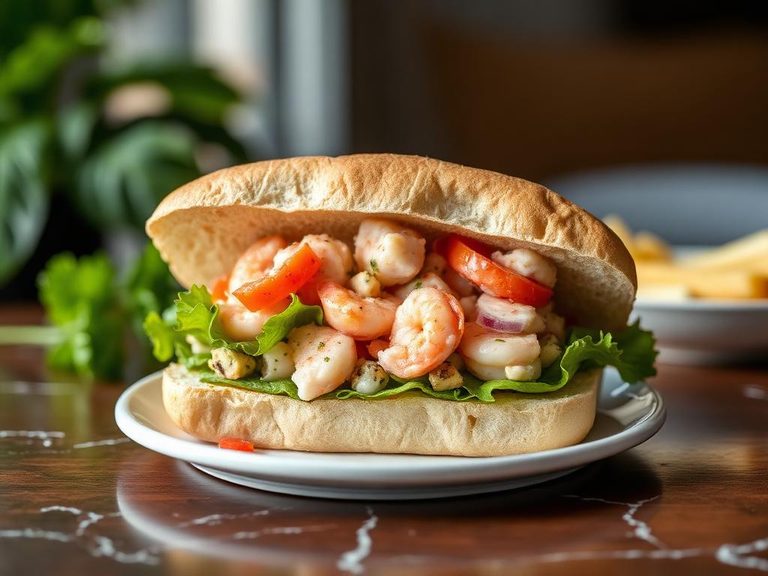
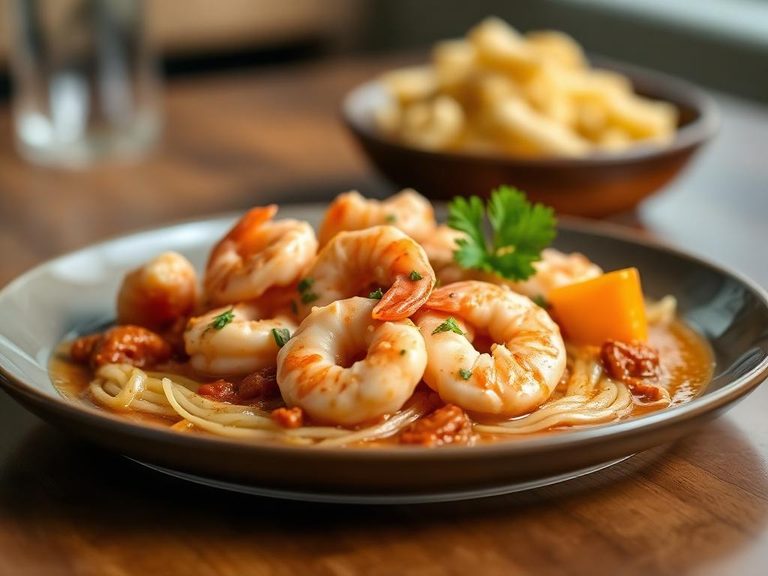
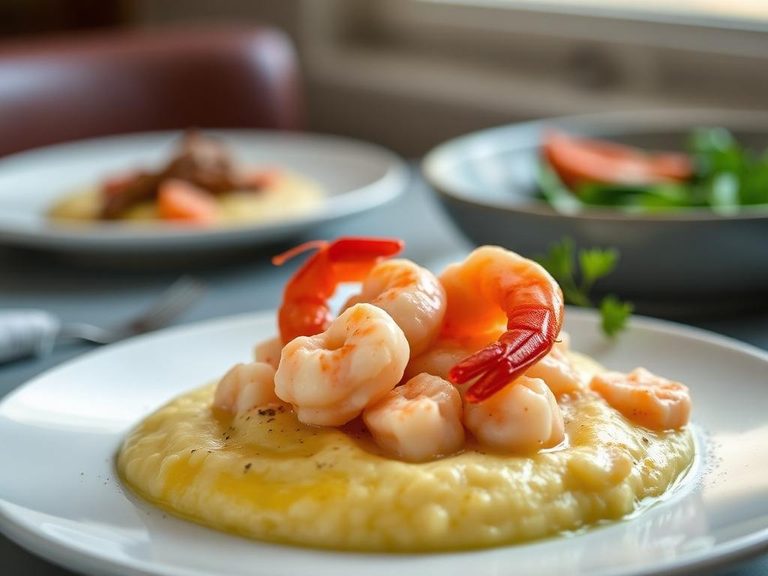
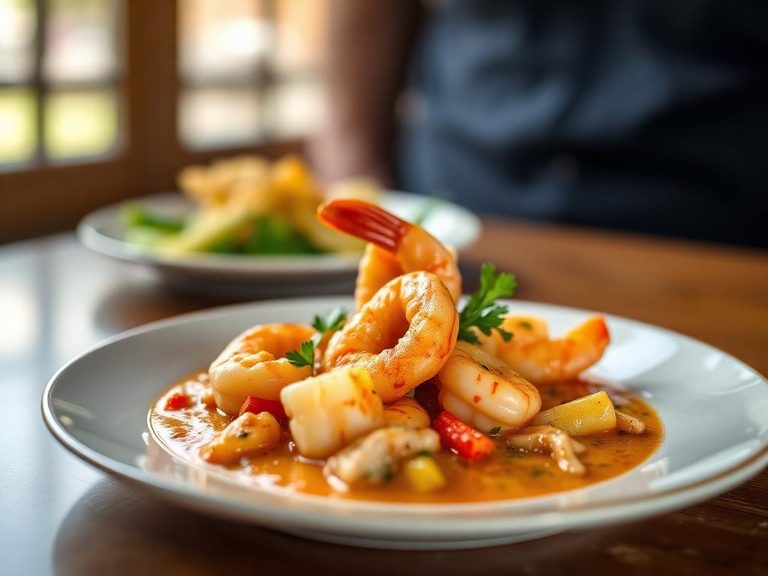
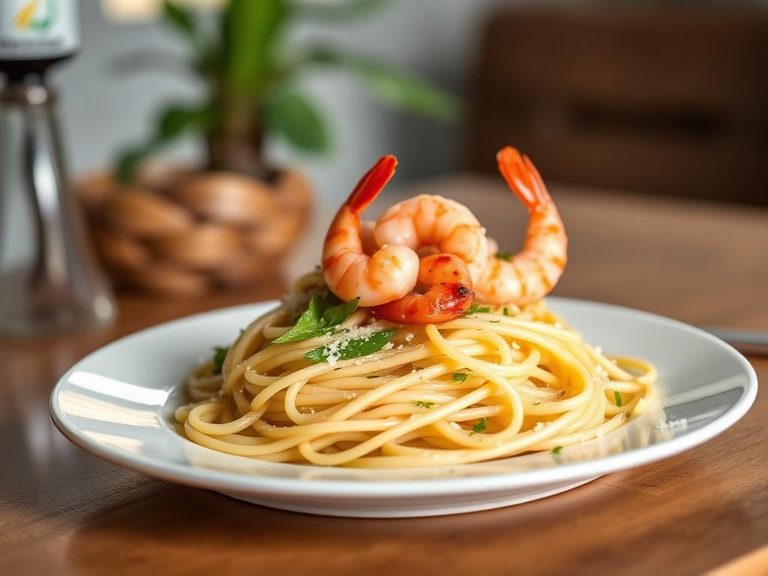
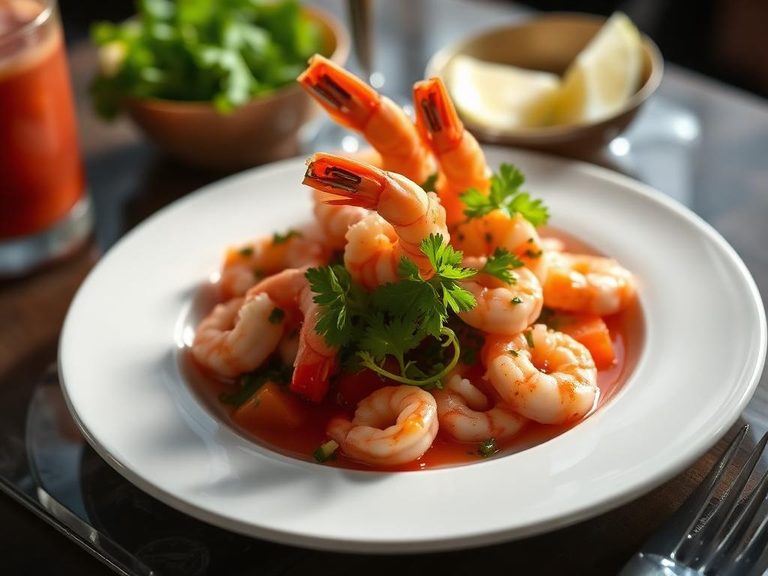
🌍 Where it's eaten
💡 Did you know?
The pink color of cooked shrimp, including canned, comes from astaxanthin, a carotenoid pigment that is released from its protein bonds by the heat of cooking.
Full nutrition (USDA data · scales with serving)
| Water | 75.8 g |
| Energy | 100 kcal |
| Energy | 416 kj |
| Protein | 20.4 g |
| Total lipid (fat) | 1.4 g |
| Ash | 2.5 g |
| Carbohydrate, by difference | 0.00 g |
| Fiber, total dietary | 0.00 g |
| Total Sugars | 0.00 g |
| Calcium, Ca | 145 mg |
| Iron, Fe | 2.1 mg |
| Magnesium, Mg | 33.0 mg |
| Phosphorus, P | 195 mg |
| Potassium, K | 80.0 mg |
| Sodium, Na | 870 mg |
| Zinc, Zn | 2.0 mg |
| Copper, Cu | 0.26 mg |
| Manganese, Mn | 0.40 mg |
| Selenium, Se | 47.5 ug |
| Fluoride, F | 201 ug |
| Vitamin C, total ascorbic acid | 4.1 mg |
| Thiamin | 0.01 mg |
| Riboflavin | 0.01 mg |
| Niacin | 0.56 mg |
| Pantothenic acid | 0.14 mg |
| Vitamin B-6 | 0.01 mg |
| Folate, total | 9.0 ug |
| Folic acid | 0.00 ug |
| Folate, food | 9.0 ug |
| Folate, DFE | 9.0 ug |
| Choline, total | 80.9 mg |
| Vitamin B-12 | 0.74 ug |
| Vitamin B-12, added | 0.00 ug |
| Vitamin A, RAE | 0.00 ug |
| Retinol | 0.00 ug |
| Carotene, beta | 0.00 ug |
| Carotene, alpha | 0.00 ug |
| Cryptoxanthin, beta | 0.00 ug |
| Vitamin A, IU | 0.00 iu |
| Lycopene | 0.00 ug |
| Lutein + zeaxanthin | 0.00 ug |
| Vitamin E (alpha-tocopherol) | 1.1 mg |
| Vitamin E, added | 0.00 mg |
| Tocopherol, beta | 0.00 mg |
| Tocopherol, gamma | 0.10 mg |
| Tocopherol, delta | 0.00 mg |
| Tocotrienol, alpha | 0.00 mg |
| Tocotrienol, beta | 0.00 mg |
| Tocotrienol, gamma | 0.00 mg |
| Tocotrienol, delta | 0.00 mg |
| Vitamin D (D2 + D3), International Units | 0.00 iu |
| Vitamin D (D2 + D3) | 0.00 ug |
| Vitamin D3 (cholecalciferol) | 0.00 ug |
| Vitamin K (phylloquinone) | 0.00 ug |
| Vitamin K (Dihydrophylloquinone) | 0.00 ug |
| Alcohol, ethyl | 0.00 g |
| Caffeine | 0.00 mg |
| Theobromine | 0.00 mg |
Fat & fatty acid profile (per 100g)
| Fatty acids, total saturated | 0.19 g |
| SFA 4:0 | 0.00 g |
| SFA 6:0 | 0.00 g |
| SFA 8:0 | 0.00 g |
| SFA 10:0 | 0.00 g |
| SFA 12:0 | 0.00 g |
| SFA 14:0 | 0.00 g |
| SFA 15:0 | 0.01 g |
| SFA 16:0 | 0.08 g |
| SFA 17:0 | 0.01 g |
| SFA 18:0 | 0.07 g |
| SFA 20:0 | 0.01 g |
| SFA 22:0 | 0.01 g |
| Fatty acids, total monounsaturated | 0.11 g |
| MUFA 14:1 | 0.00 g |
| MUFA 15:1 | 0.00 g |
| MUFA 16:1 | 0.02 g |
| MUFA 17:1 | 0.01 g |
| MUFA 18:1 | 0.07 g |
| MUFA 20:1 | 0.01 g |
| MUFA 22:1 | 0.01 g |
| Fatty acids, total polyunsaturated | 0.68 g |
| PUFA 18:2 | 0.01 g |
| PUFA 18:3 | 0.01 g |
| PUFA 18:3 n-3 c,c,c (ALA) | 0.00 g |
| PUFA 18:3 n-6 c,c,c | 0.00 g |
| PUFA 18:4 | 0.01 g |
| PUFA 20:2 n-6 c,c | 0.01 g |
| PUFA 20:3 | 0.00 g |
| PUFA 20:4 | 0.04 g |
| PUFA 20:5 n-3 (EPA) | 0.29 g |
| PUFA 22:5 n-3 (DPA) | 0.05 g |
| PUFA 22:6 n-3 (DHA) | 0.25 g |
| Cholesterol | 252 mg |
Amino acid profile (per 100g)
| Tryptophan | 0.19 g |
| Threonine | 0.82 g |
| Isoleucine | 0.97 g |
| Leucine | 1.7 g |
| Lysine | 1.8 g |
| Methionine | 0.56 g |
| Cystine | 0.24 g |
| Phenylalanine | 0.95 g |
| Tyrosine | 0.81 g |
| Valine | 0.94 g |
| Arginine | 1.6 g |
| Histidine | 0.48 g |
| Alanine | 1.1 g |
| Aspartic acid | 2.2 g |
| Glutamic acid | 3.4 g |
| Glycine | 1.1 g |
| Proline | 0.67 g |
| Serine | 0.87 g |
FAQ
Is the liquid in the can (brine or oil) part of the nutritional information?
Typically, the nutrition facts are for the shrimp alone after draining. The brine or oil is not included in the standard per-100g values.
How is canned shrimp different from frozen shrimp?
Canned shrimp is fully cooked and preserved, offering ready-to-eat convenience. Frozen shrimp is usually raw or blanched, providing a fresher texture but requiring cooking.
Can I use canned shrimp in hot dishes?
Absolutely. It's excellent in hot pastas, stir-fries, and casseroles. Add it near the end of cooking just to heat it through, as it's already cooked and can become rubbery if overcooked.
Nutrient density (calculated · NRF9.3)
Nutrient Rich Foods index: beneficial nutrients (protein, fiber, vitamins, minerals) minus saturated fat, added sugar & sodium, per 100 kcal.
NRF9.3 index — Fulgoni, Keast & Drewnowski, 2009. Computed from USDA nutrients.
Weight-loss friendliness (composite index)
Energy density 1.00 kcal/g · 82% calories from protein · 0.0 g fiber · 0.0 g sugar per 100 g.
Composite of energy density (Rolls et al., 1999), protein & fiber satiety, minus sugar. A calculated heuristic — ranks satiety-per-calorie, not a clinical measure.
Dietary load (calculated from USDA values)
Potential renal acid load. Positive = acid-forming, negative = alkaline-forming.
Sodium-to-potassium ratio: 10.88 (lower is better — aim for ≤ 1)
Sodium:potassium per WHO potassium guidance. Computed from USDA nutrients.