

Chicken, ground, crumbles, cooked, pan-browned
Whole food · Poultry Products

Photo: Wikipedia
Pan-browned ground chicken crumbles are a lean, protein-dense staple with a satisfyingly savory, slightly caramelized flavor and a tender yet crumbly texture. With zero carbs and over 23g of protein per 100g, it's a powerhouse for high-protein, low-carb diets. Its neutral taste makes it a versatile canvas for a wide range of global seasonings and sauces.
Calorie split: 49% protein · 0% carbs · 51% fat
↓ Full nutrition💚 Why it's loved
People love ground chicken for its remarkable versatility and ability to take on the flavors of any cuisine, from spicy Asian stir-fries to herby Mediterranean meatballs. It's a quick-cooking, budget-friendly protein that makes weeknight dinners effortless and satisfying.
⚠️ Watch-outs & how to enjoy it better
The main downside is its potential to become dry and bland if overcooked, as it has less fat than ground beef or pork. To counteract this, cook it just until no longer pink, and incorporate moisture-rich ingredients like diced vegetables, a splash of broth, or a flavorful sauce. Those monitoring sodium should opt for low-sodium seasonings, as pre-made spice blends can be high in salt.
Key benefits
- Excellent source of lean protein for muscle maintenance and satiety.
- Very low in carbohydrates, making it ideal for ketogenic or low-carb diets.
- Provides essential B vitamins like niacin and B6 for energy metabolism.
- A versatile base for meal prep, absorbing flavors from spices and sauces.
- Lower in saturated fat compared to many other ground meats.
🍽️ Popular dishes

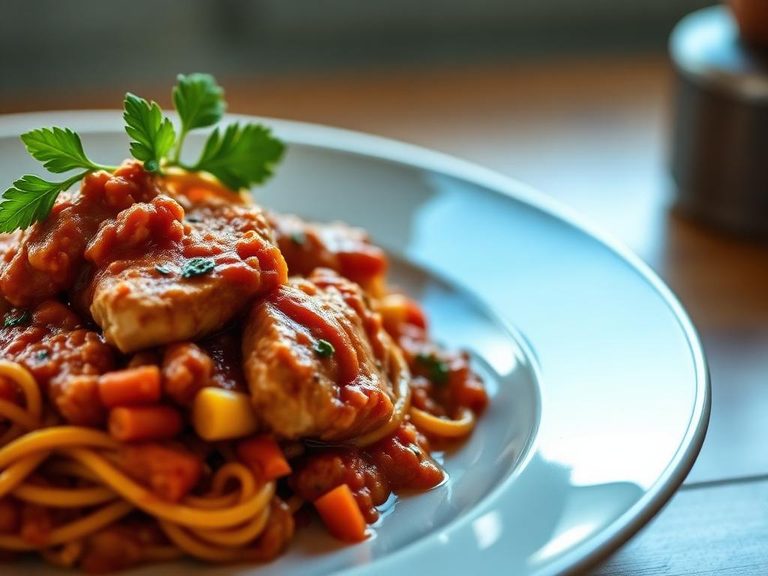
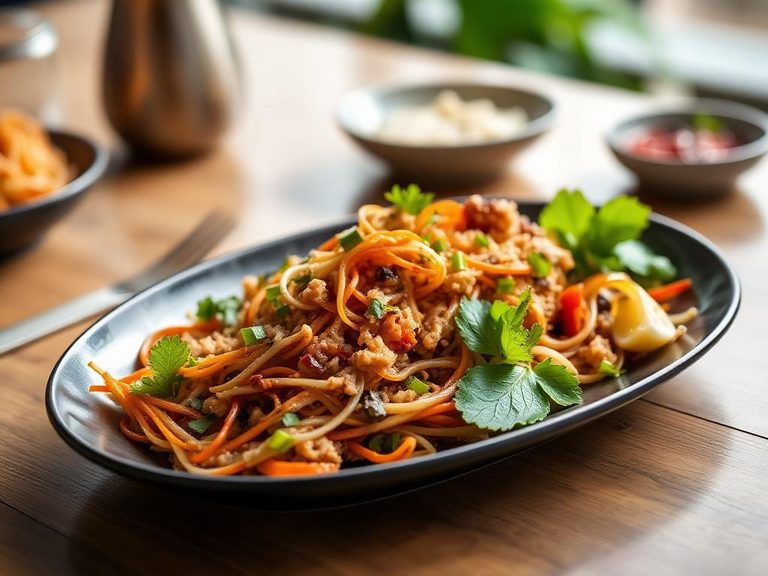
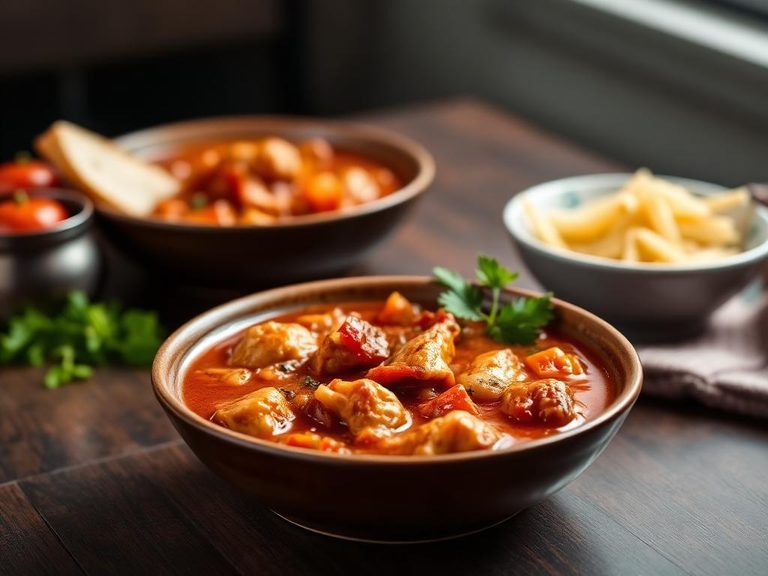
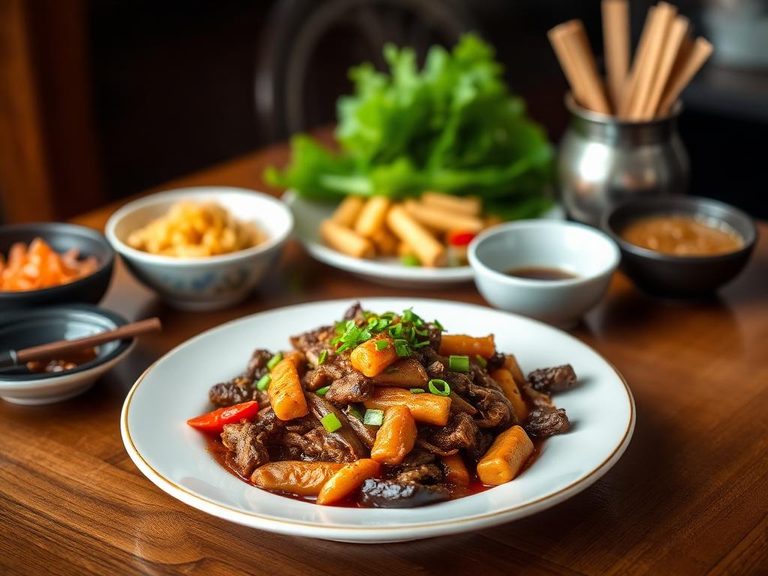
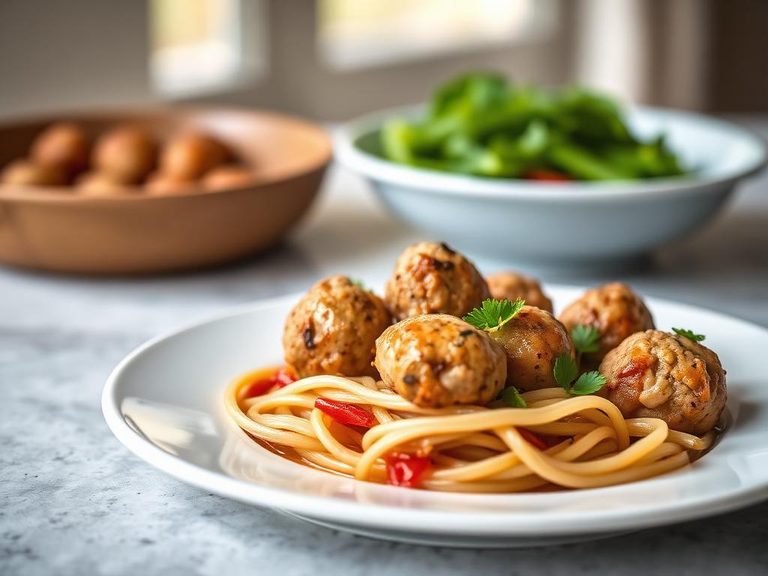
🌍 Where it's eaten
💡 Did you know?
Ground chicken is often made from a mix of breast and thigh meat to balance leanness with flavor and moisture, unlike ground turkey which is frequently labeled by specific cuts.
Full nutrition (USDA data · scales with serving)
| Water | 64.9 g |
| Energy | 189 kcal |
| Energy | 790 kj |
| Protein | 23.3 g |
| Total lipid (fat) | 10.9 g |
| Ash | 1.6 g |
| Carbohydrate, by difference | 0.00 g |
| Fiber, total dietary | 0.00 g |
| Total Sugars | 0.00 g |
| Calcium, Ca | 8.0 mg |
| Iron, Fe | 0.93 mg |
| Magnesium, Mg | 28.0 mg |
| Phosphorus, P | 234 mg |
| Potassium, K | 677 mg |
| Sodium, Na | 75.0 mg |
| Zinc, Zn | 1.9 mg |
| Copper, Cu | 0.06 mg |
| Manganese, Mn | 0.02 mg |
| Selenium, Se | 14.3 ug |
| Vitamin C, total ascorbic acid | 0.00 mg |
| Thiamin | 0.12 mg |
| Riboflavin | 0.30 mg |
| Niacin | 7.1 mg |
| Pantothenic acid | 1.3 mg |
| Vitamin B-6 | 0.54 mg |
| Folate, total | 2.0 ug |
| Folic acid | 0.00 ug |
| Folate, food | 2.0 ug |
| Folate, DFE | 2.0 ug |
| Choline, total | 59.0 mg |
| Betaine | 5.0 mg |
| Vitamin B-12 | 0.51 ug |
| Vitamin B-12, added | 0.00 ug |
| Vitamin A, RAE | 0.00 ug |
| Retinol | 0.00 ug |
| Carotene, beta | 0.00 ug |
| Carotene, alpha | 0.00 ug |
| Cryptoxanthin, beta | 0.00 ug |
| Vitamin A, IU | 0.00 iu |
| Lycopene | 0.00 ug |
| Lutein + zeaxanthin | 0.00 ug |
| Vitamin E (alpha-tocopherol) | 0.39 mg |
| Vitamin E, added | 0.00 mg |
| Tocopherol, beta | 0.00 mg |
| Tocopherol, gamma | 0.24 mg |
| Tocopherol, delta | 0.03 mg |
| Tocotrienol, alpha | 0.06 mg |
| Tocotrienol, beta | 0.00 mg |
| Tocotrienol, gamma | 0.01 mg |
| Tocotrienol, delta | 0.00 mg |
| Vitamin K (phylloquinone) | 2.1 ug |
| Alcohol, ethyl | 0.00 g |
| Caffeine | 0.00 mg |
| Theobromine | 0.00 mg |
Fat & fatty acid profile (per 100g)
| Fatty acids, total saturated | 3.1 g |
| SFA 4:0 | 0.00 g |
| SFA 6:0 | 0.00 g |
| SFA 8:0 | 0.00 g |
| SFA 10:0 | 0.00 g |
| SFA 12:0 | 0.00 g |
| SFA 14:0 | 0.06 g |
| SFA 15:0 | 0.00 g |
| SFA 16:0 | 2.4 g |
| SFA 17:0 | 0.01 g |
| SFA 18:0 | 0.62 g |
| SFA 20:0 | 0.01 g |
| SFA 22:0 | 0.00 g |
| Fatty acids, total monounsaturated | 4.9 g |
| MUFA 14:1 | 0.02 g |
| MUFA 15:1 | 0.00 g |
| MUFA 16:1 | 0.72 g |
| MUFA 17:1 | 0.00 g |
| MUFA 18:1 | 4.1 g |
| MUFA 18:1 c | 4.0 g |
| MUFA 20:1 | 0.03 g |
| MUFA 22:1 | 0.00 g |
| Fatty acids, total polyunsaturated | 2.1 g |
| PUFA 18:2 | 1.8 g |
| PUFA 18:2 n-6 c,c | 1.8 g |
| PUFA 18:3 | 0.10 g |
| PUFA 18:3 n-3 c,c,c (ALA) | 0.08 g |
| PUFA 18:3 n-6 c,c,c | 0.02 g |
| PUFA 18:4 | 0.00 g |
| PUFA 20:2 n-6 c,c | 0.01 g |
| PUFA 20:3 | 0.00 g |
| PUFA 20:4 | 0.11 g |
| PUFA 20:5 n-3 (EPA) | 0.01 g |
| PUFA 22:5 n-3 (DPA) | 0.02 g |
| PUFA 22:6 n-3 (DHA) | 0.03 g |
| Fatty acids, total trans | 0.09 g |
| Fatty acids, total trans-monoenoic | 0.06 g |
| TFA 18:1 t | 0.06 g |
| TFA 18:2 t,t | 0.03 g |
| Fatty acids, total trans-polyenoic | 0.03 g |
| Cholesterol | 107 mg |
Amino acid profile (per 100g)
| Tryptophan | 0.20 g |
| Threonine | 0.97 g |
| Isoleucine | 1.1 g |
| Leucine | 1.8 g |
| Lysine | 2.0 g |
| Methionine | 0.60 g |
| Cystine | 0.25 g |
| Phenylalanine | 0.91 g |
| Tyrosine | 0.81 g |
| Valine | 1.1 g |
| Arginine | 1.5 g |
| Histidine | 0.71 g |
| Alanine | 1.3 g |
| Aspartic acid | 2.2 g |
| Glutamic acid | 3.5 g |
| Glycine | 1.1 g |
| Proline | 0.88 g |
| Serine | 0.98 g |
| Hydroxyproline | 0.13 g |
FAQ
How do I keep ground chicken from drying out?
Don't overcook it. Brown it over medium-high heat just until it loses its pink color, then immediately mix it with a sauce or liquid. Adding a small amount of oil or cooking it with vegetables that release moisture can also help.
Is ground chicken healthier than ground beef?
Generally, yes. Ground chicken is typically lower in total fat and saturated fat than most ground beef, while providing a comparable amount of high-quality protein. However, the exact nutritional profile depends on the cut of meat used (e.g., breast vs. thigh).
Can I use ground chicken in place of ground turkey?
Absolutely. They are very similar in texture, fat content, and cooking properties, making them nearly interchangeable in most recipes like meatballs, burgers, or sauces.
Nutrient density (calculated · NRF9.3)
Nutrient Rich Foods index: beneficial nutrients (protein, fiber, vitamins, minerals) minus saturated fat, added sugar & sodium, per 100 kcal.
NRF9.3 index — Fulgoni, Keast & Drewnowski, 2009. Computed from USDA nutrients.
Weight-loss friendliness (composite index)
Energy density 1.89 kcal/g · 49% calories from protein · 0.0 g fiber · 0.0 g sugar per 100 g.
Composite of energy density (Rolls et al., 1999), protein & fiber satiety, minus sugar. A calculated heuristic — ranks satiety-per-calorie, not a clinical measure.
Dietary load (calculated from USDA values)
Potential renal acid load. Positive = acid-forming, negative = alkaline-forming.
Sodium-to-potassium ratio: 0.11 (lower is better — aim for ≤ 1)
Sodium:potassium per WHO potassium guidance. Computed from USDA nutrients.