

Beef, round, top round steak, boneless, separable lean only, trimmed to 0" fat, select, cooked, grilled
Whole food · Beef Products

Photo: Wikipedia
This is a lean, boneless cut from the top round of the cow, known for its firm, dense texture and deep, beefy flavor. When grilled to a medium-rare or medium doneness, it offers a satisfying chew without excessive fat, making it a staple for high-protein, low-fat diets. Its nutritional profile is impressive, delivering nearly 30 grams of protein per 100 grams with minimal calories and zero carbohydrates.
Calorie split: 80% protein · 0% carbs · 20% fat
↓ Full nutrition💚 Why it's loved
People love this cut for its straightforward, robust beef flavor and its versatility in the kitchen; it's a workhorse for weeknight dinners and meal prep. Its leanness also makes it a favorite among health-conscious cooks who want a satisfying, protein-packed meal without the heaviness of fattier steaks.
⚠️ Watch-outs & how to enjoy it better
The primary downside is its potential for dryness if overcooked, as the lack of marbling means there's little fat to keep it moist. To counteract this, slice it thinly against the grain after cooking and consider marinating it in an acidic mixture (like vinegar or citrus) for 30-60 minutes to tenderize the muscle fibers. It's also a red meat, so those monitoring saturated fat intake should enjoy it in moderation.
Key benefits
- Excellent source of high-quality, complete protein for muscle repair and satiety.
- Very low in fat and calories, supporting weight management goals.
- Rich in iron (heme iron), which is more easily absorbed than plant-based iron.
- Provides essential B vitamins, particularly B12 and niacin, for energy metabolism.
- Zero carbohydrates and sugar, making it suitable for low-carb and ketogenic diets.
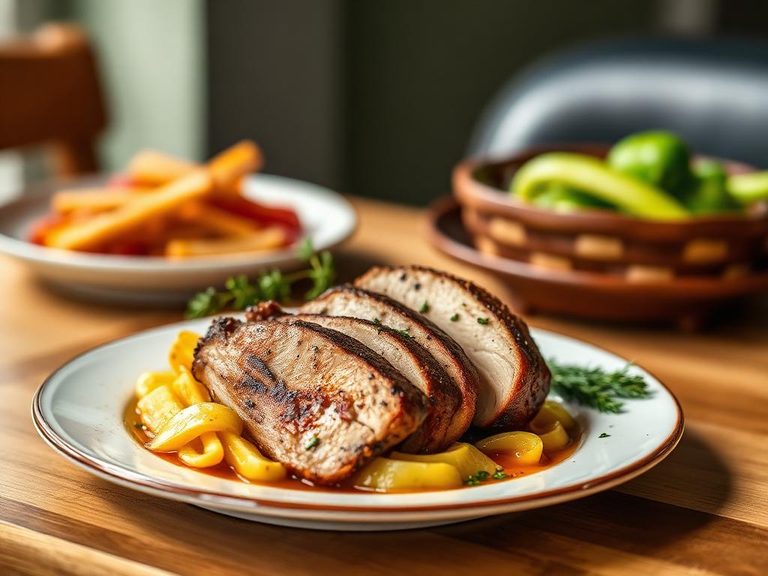
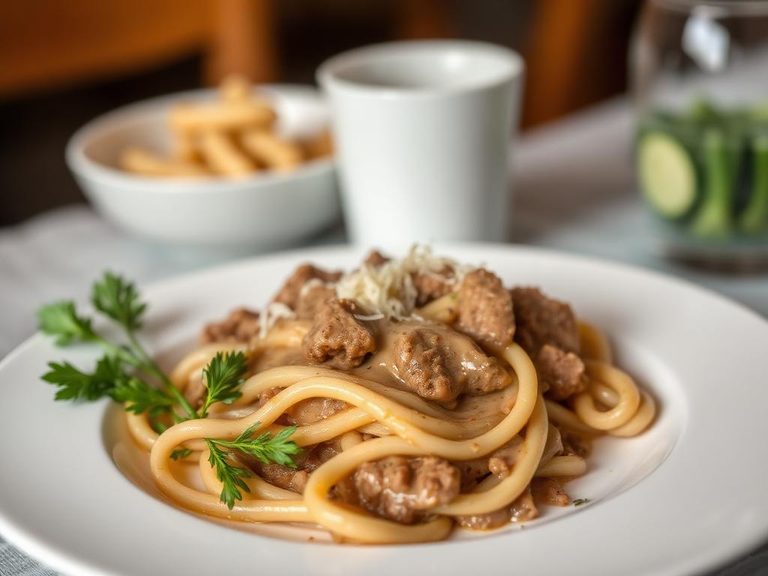
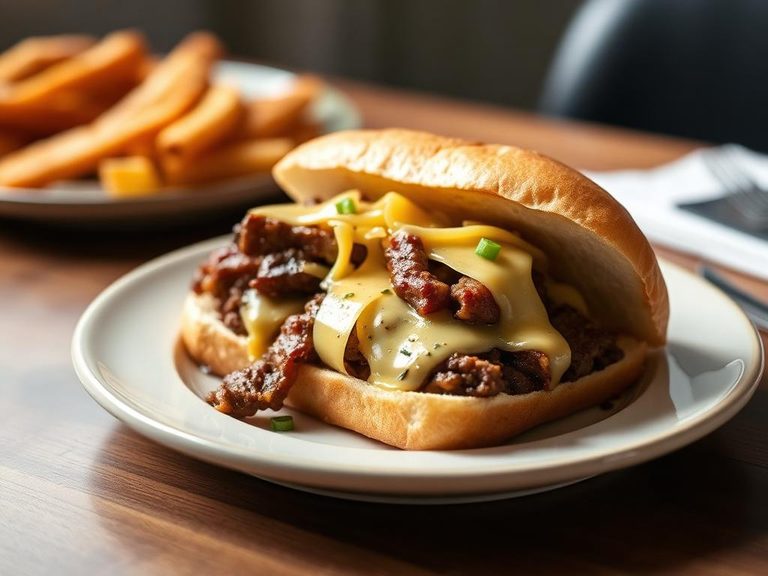
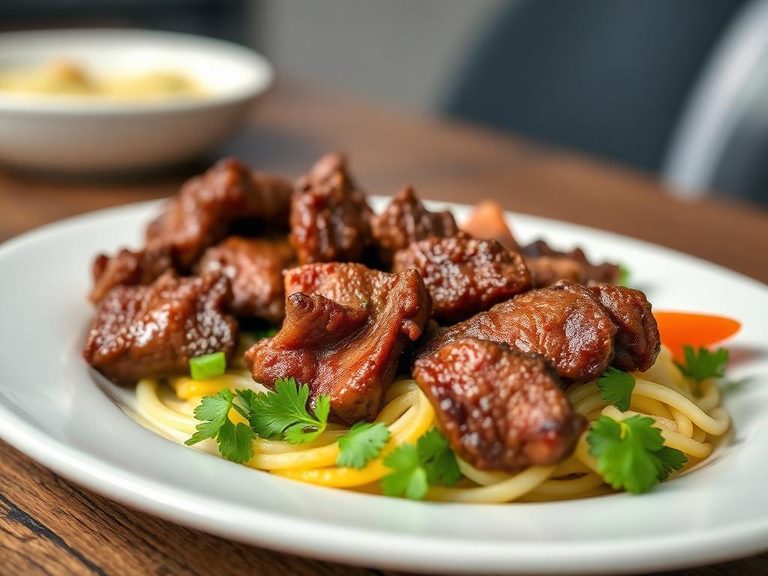
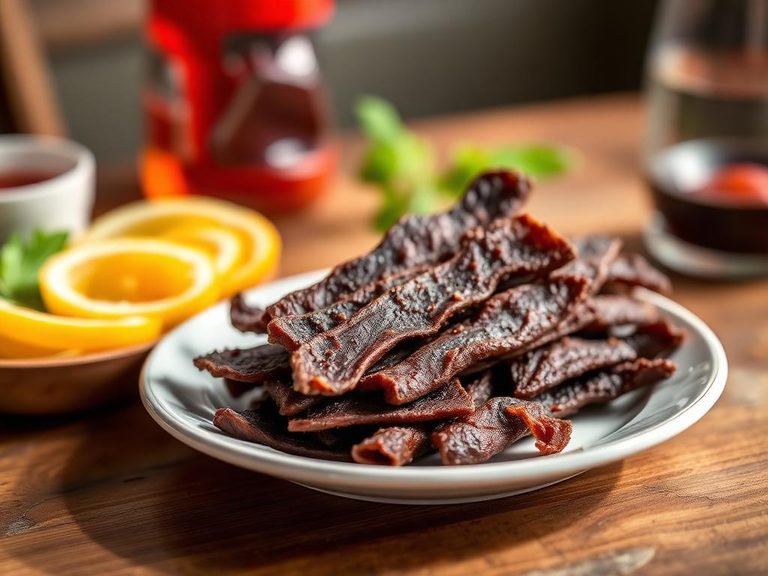
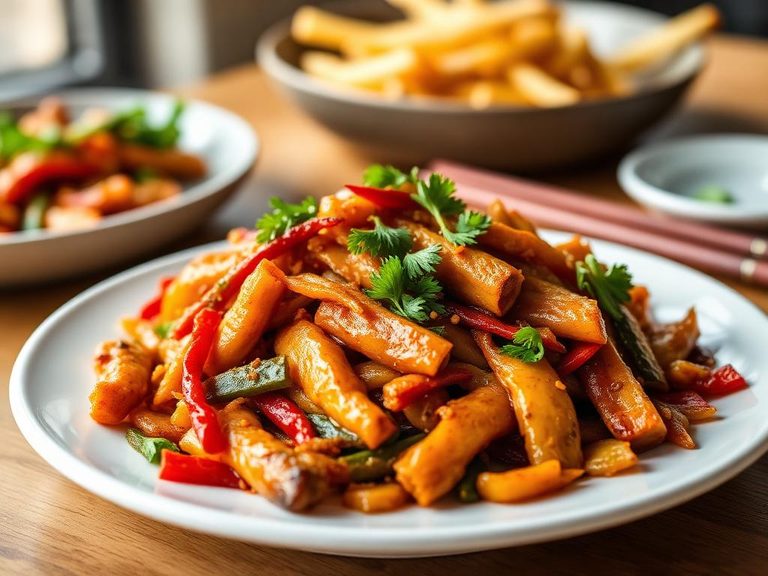
🍽️ Popular dishes
🌍 Where it's eaten
💡 Did you know?
The 'top round' is the largest muscle in the round primal cut, located on the upper inside of the cow's hind leg, and it's one of the leanest and most exercised muscles, which is why it's so flavorful but can be tough if not cooked properly.
Full nutrition (USDA data · scales with serving)
| Water | 65.9 g |
| Energy | 158 kcal |
| Energy | 660 kj |
| Protein | 29.8 g |
| Total lipid (fat) | 3.4 g |
| Ash | 1.3 g |
| Carbohydrate, by difference | 0.00 g |
| Fiber, total dietary | 0.00 g |
| Total Sugars | 0.00 g |
| Calcium, Ca | 19.0 mg |
| Iron, Fe | 3.3 mg |
| Magnesium, Mg | 17.0 mg |
| Phosphorus, P | 305 mg |
| Potassium, K | 438 mg |
| Sodium, Na | 76.0 mg |
| Zinc, Zn | 4.9 mg |
| Copper, Cu | 0.07 mg |
| Manganese, Mn | 0.00 mg |
| Selenium, Se | 31.5 ug |
| Vitamin C, total ascorbic acid | 0.00 mg |
| Thiamin | 0.09 mg |
| Riboflavin | 0.35 mg |
| Niacin | 8.5 mg |
| Pantothenic acid | 0.51 mg |
| Vitamin B-6 | 0.87 mg |
| Folate, total | 5.0 ug |
| Folic acid | 0.00 ug |
| Folate, food | 5.0 ug |
| Folate, DFE | 5.0 ug |
| Choline, total | 89.0 mg |
| Betaine | 15.0 mg |
| Vitamin B-12 | 2.3 ug |
| Vitamin B-12, added | 0.00 ug |
| Vitamin A, RAE | 3.0 ug |
| Retinol | 3.0 ug |
| Carotene, beta | 0.00 ug |
| Carotene, alpha | 0.00 ug |
| Cryptoxanthin, beta | 0.00 ug |
| Vitamin A, IU | 10.0 iu |
| Lycopene | 0.00 ug |
| Lutein + zeaxanthin | 0.00 ug |
| Vitamin E (alpha-tocopherol) | 0.30 mg |
| Vitamin E, added | 0.00 mg |
| Tocopherol, beta | 0.00 mg |
| Tocopherol, gamma | 0.00 mg |
| Tocopherol, delta | 0.00 mg |
| Vitamin D (D2 + D3), International Units | 1.0 iu |
| Vitamin D (D2 + D3) | 0.00 ug |
| Vitamin D3 (cholecalciferol) | 0.00 ug |
| Vitamin K (phylloquinone) | 1.4 ug |
| Alcohol, ethyl | 0.00 g |
| Caffeine | 0.00 mg |
| Theobromine | 0.00 mg |
Fat & fatty acid profile (per 100g)
| Fatty acids, total saturated | 1.3 g |
| SFA 4:0 | 0.00 g |
| SFA 6:0 | 0.00 g |
| SFA 8:0 | 0.00 g |
| SFA 10:0 | 0.01 g |
| SFA 12:0 | 0.00 g |
| SFA 14:0 | 0.07 g |
| SFA 15:0 | 0.01 g |
| SFA 16:0 | 0.72 g |
| SFA 17:0 | 0.04 g |
| SFA 18:0 | 0.43 g |
| SFA 20:0 | 0.00 g |
| SFA 24:0 | 0.00 g |
| Fatty acids, total monounsaturated | 1.4 g |
| MUFA 14:1 | 0.01 g |
| MUFA 16:1 | 0.09 g |
| MUFA 16:1 c | 0.08 g |
| MUFA 17:1 | 0.02 g |
| MUFA 18:1 | 1.3 g |
| MUFA 18:1 c | 1.1 g |
| MUFA 20:1 | 0.00 g |
| MUFA 22:1 | 0.00 g |
| Fatty acids, total polyunsaturated | 0.29 g |
| PUFA 18:2 | 0.20 g |
| PUFA 18:2 n-6 c,c | 0.18 g |
| PUFA 18:2 CLAs | 0.01 g |
| PUFA 18:3 | 0.00 g |
| PUFA 18:3 n-3 c,c,c (ALA) | 0.00 g |
| PUFA 18:4 | 0.00 g |
| PUFA 20:2 n-6 c,c | 0.00 g |
| PUFA 20:3 | 0.02 g |
| PUFA 20:3 n-6 | 0.02 g |
| PUFA 20:4 | 0.05 g |
| PUFA 20:5 n-3 (EPA) | 0.00 g |
| PUFA 22:5 n-3 (DPA) | 0.01 g |
| PUFA 22:6 n-3 (DHA) | 0.00 g |
| Fatty acids, total trans | 0.18 g |
| Fatty acids, total trans-monoenoic | 0.17 g |
| TFA 16:1 t | 0.01 g |
| TFA 18:1 t | 0.16 g |
| TFA 18:2 t not further defined | 0.01 g |
| Fatty acids, total trans-polyenoic | 0.01 g |
| Cholesterol | 88.0 mg |
Amino acid profile (per 100g)
| Tryptophan | 0.36 g |
| Threonine | 1.5 g |
| Isoleucine | 1.5 g |
| Leucine | 2.8 g |
| Lysine | 3.1 g |
| Methionine | 0.87 g |
| Cystine | 0.33 g |
| Phenylalanine | 1.3 g |
| Tyrosine | 1.2 g |
| Valine | 1.6 g |
| Arginine | 2.2 g |
| Histidine | 1.2 g |
| Alanine | 1.9 g |
| Aspartic acid | 3.1 g |
| Glutamic acid | 5.3 g |
| Glycine | 1.4 g |
| Proline | 1.4 g |
| Serine | 1.3 g |
| Hydroxyproline | 0.16 g |
FAQ
How do I prevent top round steak from becoming tough and chewy?
The key is to not overcook it; aim for medium-rare to medium (130-145°F internal temperature). Always slice it thinly against the grain after resting, and consider a marinade with an acidic component like vinegar, citrus juice, or yogurt to help break down the muscle fibers.
What's the best cooking method for this cut?
Grilling, broiling, or pan-searing are ideal for quick, high-heat cooking that sears the outside while keeping the inside juicy. For longer cooking, braising or slow-roasting can make it tender, but it's not the primary use for this lean steak.
Is top round steak a good choice for people with diabetes?
Yes, it's an excellent choice because it contains zero carbohydrates and sugar, which won't cause blood sugar spikes. It's high in protein, which can help with satiety and blood sugar regulation. Pair it with non-starchy vegetables and a healthy fat for a balanced meal.
Nutrient density (calculated · NRF9.3)
Nutrient Rich Foods index: beneficial nutrients (protein, fiber, vitamins, minerals) minus saturated fat, added sugar & sodium, per 100 kcal.
NRF9.3 index — Fulgoni, Keast & Drewnowski, 2009. Computed from USDA nutrients.
Weight-loss friendliness (composite index)
Energy density 1.58 kcal/g · 75% calories from protein · 0.0 g fiber · 0.0 g sugar per 100 g.
Composite of energy density (Rolls et al., 1999), protein & fiber satiety, minus sugar. A calculated heuristic — ranks satiety-per-calorie, not a clinical measure.
Dietary load (calculated from USDA values)
Potential renal acid load. Positive = acid-forming, negative = alkaline-forming.
Sodium-to-potassium ratio: 0.17 (lower is better — aim for ≤ 1)
Sodium:potassium per WHO potassium guidance. Computed from USDA nutrients.