Spices, turmeric, ground
Whole food · Spices and Herbs

Photo: Wikipedia
Ground turmeric is a vibrant, deep-orange powder made from the dried root of the Curcuma longa plant. It offers a warm, earthy, and slightly bitter flavor with peppery, ginger-like notes and a dry, fine texture. Nutritionally, it is remarkably dense in fiber, providing over 22 grams per 100 grams.
💚 Why it's loved
People love turmeric for its unparalleled ability to impart a golden hue and a complex, warm depth to dishes. Its versatility allows it to anchor everything from fiery curries to soothing golden milk, making it a cornerstone of culinary and cultural traditions worldwide.
⚠️ Watch-outs & how to enjoy it better
Turmeric can have a strong, medicinal bitterness if used excessively, and its intense pigment can permanently stain skin, clothes, and countertops. To counteract bitterness, always bloom it in hot oil or fat with other spices. To avoid stains, use stainless steel utensils and clean spills immediately with a lemon juice or vinegar solution.
Key benefits
- Exceptionally high in dietary fiber
- Contains the bioactive compound curcumin
- Rich in manganese and iron
- Low in fat and sugar
- A zero-sodium flavor enhancer
🍽️ Popular dishes
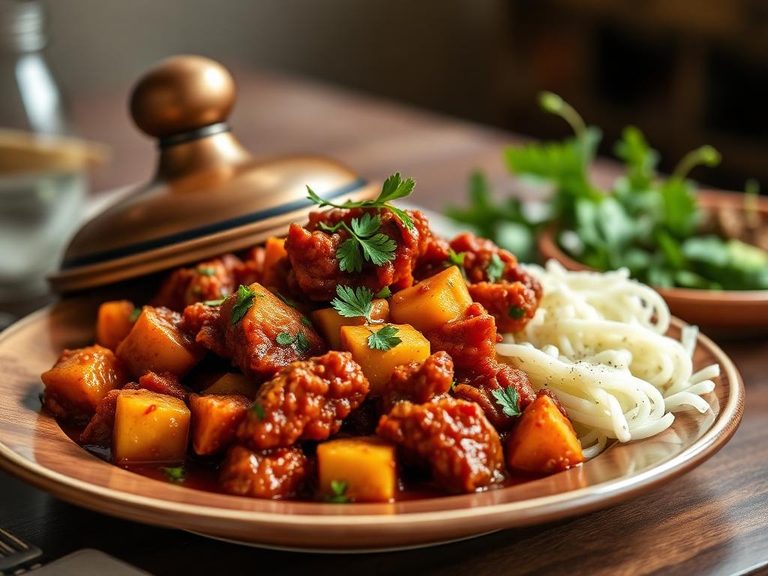
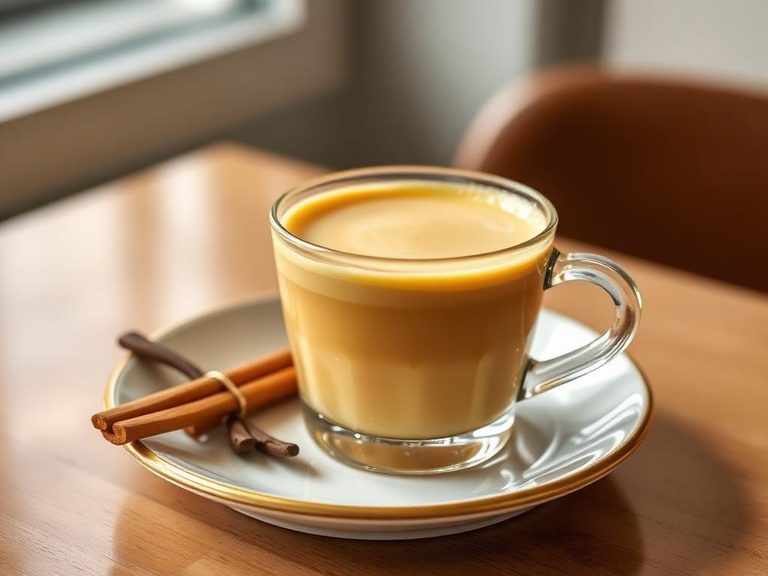
🌍 Where it's eaten
💡 Did you know?
In many cultures, turmeric paste is applied to the skin of the bride and groom in pre-wedding purification ceremonies, and it is also used as a natural fabric dye.
Full nutrition (scales with serving)
| Water | 12.8 g |
| Energy | 312 kcal |
| Energy | 1305 kj |
| Protein | 9.7 g |
| Total lipid (fat) | 3.3 g |
| Ash | 7.1 g |
| Carbohydrate, by difference | 67.1 g |
| Fiber, total dietary | 22.7 g |
| Total Sugars | 3.2 g |
| Sucrose | 2.4 g |
| Glucose | 0.38 g |
| Fructose | 0.45 g |
| Lactose | 0.00 g |
| Maltose | 0.00 g |
| Galactose | 0.00 g |
| Calcium, Ca | 168 mg |
| Iron, Fe | 55.0 mg |
| Magnesium, Mg | 208 mg |
| Phosphorus, P | 299 mg |
| Potassium, K | 2080 mg |
| Sodium, Na | 27.0 mg |
| Zinc, Zn | 4.5 mg |
| Copper, Cu | 1.3 mg |
| Manganese, Mn | 19.8 mg |
| Selenium, Se | 6.2 ug |
| Vitamin C, total ascorbic acid | 0.70 mg |
| Thiamin | 0.06 mg |
| Riboflavin | 0.15 mg |
| Niacin | 1.4 mg |
| Pantothenic acid | 0.54 mg |
| Vitamin B-6 | 0.11 mg |
| Folate, total | 20.0 ug |
| Folic acid | 0.00 ug |
| Folate, food | 20.0 ug |
| Folate, DFE | 20.0 ug |
| Choline, total | 49.2 mg |
| Betaine | 9.7 mg |
| Vitamin B-12 | 0.00 ug |
| Vitamin B-12, added | 0.00 ug |
| Vitamin A, RAE | 0.00 ug |
| Retinol | 0.00 ug |
| Carotene, beta | 0.00 ug |
| Carotene, alpha | 0.00 ug |
| Cryptoxanthin, beta | 0.00 ug |
| Vitamin A, IU | 0.00 iu |
| Lycopene | 0.00 ug |
| Lutein + zeaxanthin | 0.00 ug |
| Vitamin E (alpha-tocopherol) | 4.4 mg |
| Vitamin E, added | 0.00 mg |
| Tocopherol, beta | 0.01 mg |
| Tocopherol, gamma | 0.72 mg |
| Tocopherol, delta | 0.00 mg |
| Tocotrienol, alpha | 0.12 mg |
| Tocotrienol, beta | 0.00 mg |
| Tocotrienol, gamma | 0.05 mg |
| Tocotrienol, delta | 0.00 mg |
| Vitamin D (D2 + D3), International Units | 0.00 iu |
| Vitamin D (D2 + D3) | 0.00 ug |
| Vitamin K (phylloquinone) | 13.4 ug |
| Vitamin K (Dihydrophylloquinone) | 0.00 ug |
| Alcohol, ethyl | 0.00 g |
| Caffeine | 0.00 mg |
| Theobromine | 0.00 mg |
Fat & fatty acid profile (per 100g)
| Fatty acids, total saturated | 1.8 g |
| SFA 4:0 | 0.00 g |
| SFA 6:0 | 0.00 g |
| SFA 8:0 | 0.00 g |
| SFA 10:0 | 0.85 g |
| SFA 12:0 | 0.00 g |
| SFA 13:0 | 0.00 g |
| SFA 14:0 | 0.39 g |
| SFA 15:0 | 0.00 g |
| SFA 16:0 | 0.15 g |
| SFA 17:0 | 0.34 g |
| SFA 18:0 | 0.00 g |
| SFA 20:0 | 0.10 g |
| SFA 22:0 | 0.00 g |
| SFA 24:0 | 0.00 g |
| Fatty acids, total monounsaturated | 0.45 g |
| MUFA 14:1 | 0.15 g |
| MUFA 15:1 | 0.00 g |
| MUFA 16:1 | 0.00 g |
| MUFA 17:1 | 0.16 g |
| MUFA 18:1 | 0.13 g |
| MUFA 18:1 c | 0.07 g |
| MUFA 20:1 | 0.00 g |
| MUFA 22:1 | 0.00 g |
| MUFA 24:1 c | 0.00 g |
| Fatty acids, total polyunsaturated | 0.76 g |
| PUFA 18:2 | 0.67 g |
| PUFA 18:3 | 0.08 g |
| PUFA 18:3 n-3 c,c,c (ALA) | 0.00 g |
| PUFA 18:3 n-6 c,c,c | 0.08 g |
| PUFA 18:4 | 0.00 g |
| PUFA 20:2 n-6 c,c | 0.00 g |
| PUFA 20:3 | 0.00 g |
| PUFA 20:4 | 0.00 g |
| PUFA 20:5 n-3 (EPA) | 0.00 g |
| PUFA 22:5 n-3 (DPA) | 0.00 g |
| PUFA 22:6 n-3 (DHA) | 0.00 g |
| Fatty acids, total trans | 0.06 g |
| Fatty acids, total trans-monoenoic | 0.06 g |
| TFA 18:1 t | 0.06 g |
| Cholesterol | 0.00 mg |
Amino acid profile (per 100g)
| Tryptophan | 0.17 g |
| Threonine | 0.33 g |
| Isoleucine | 0.47 g |
| Leucine | 0.81 g |
| Lysine | 0.38 g |
| Methionine | 0.14 g |
| Cystine | 0.15 g |
| Phenylalanine | 0.53 g |
| Tyrosine | 0.32 g |
| Valine | 0.66 g |
| Arginine | 0.54 g |
| Histidine | 0.15 g |
| Alanine | 0.33 g |
| Aspartic acid | 1.9 g |
| Glutamic acid | 1.1 g |
| Glycine | 0.47 g |
| Proline | 0.48 g |
| Serine | 0.28 g |
| Hydroxyproline | 0.00 g |
FAQ
Why is turmeric sometimes called 'poor man's saffron'?
Because it provides a similarly vibrant yellow-orange color to dishes at a fraction of the cost of true saffron, though the flavors are completely different.
Does cooking reduce turmeric's nutritional value?
Cooking, especially in fat, can actually increase the bioavailability of its key compound, curcumin, making it more beneficial for the body to absorb.
How can I remove turmeric stains from my hands?
A paste made from baking soda and water, or rubbing with a cut lemon wedge, can help lift the pigment due to their mild abrasive and acidic properties.