

Spinach, frozen, chopped or leaf, cooked, boiled, drained, with salt
Whole food · Vegetables and Vegetable Products
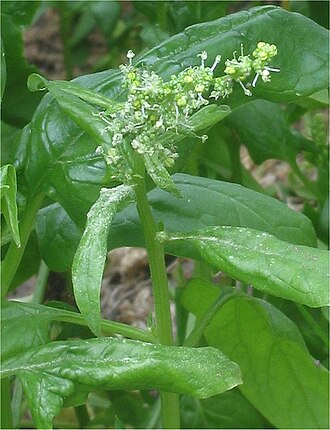
Photo: Wikipedia
This is spinach that has been blanched, frozen, and later boiled and drained, resulting in a tender, slightly silky texture with a deep, earthy-sweet flavor. It's a convenient, nutrient-dense staple that packs a remarkable amount of protein and fiber for its modest calorie count.
Calorie split: 37% protein · 45% carbs · 18% fat
↓ Full nutrition💚 Why it's loved
People love it for its deep, savory flavor that forms the backbone of countless comfort foods, and for its incredible versatility as a quick-cooking vegetable that can be added to almost any savory dish.
⚠️ Watch-outs & how to enjoy it better
The added salt can be a concern for those monitoring sodium intake, and the naturally occurring oxalates may be an issue for individuals prone to certain kidney stones. To counteract, rinse the cooked spinach to remove some surface salt, and pair it with calcium-rich foods (like cheese or yogurt) which can help bind oxalates in the gut.
Key benefits
- Excellent source of plant-based protein per calorie.
- High in dietary fiber for digestive health.
- Rich in essential vitamins like A, C, and K.
- Contains minerals like iron and magnesium.
- Low in calories and fat.
🍽️ Popular dishes
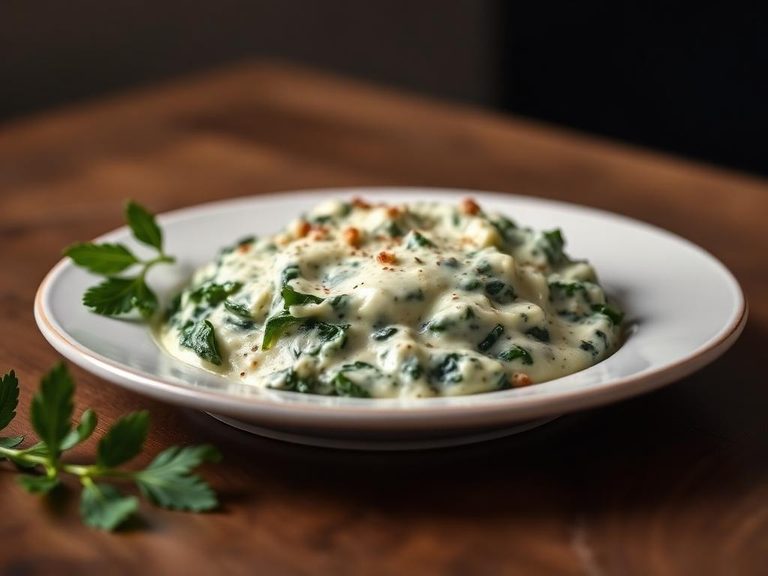
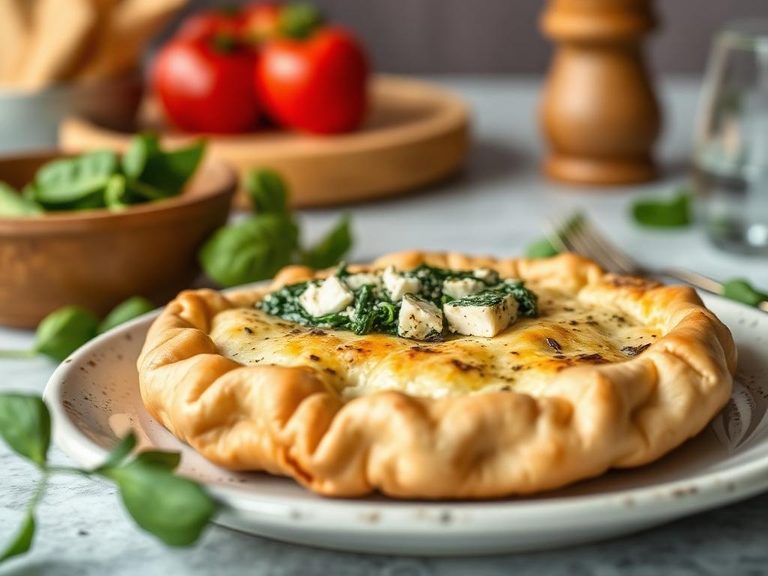
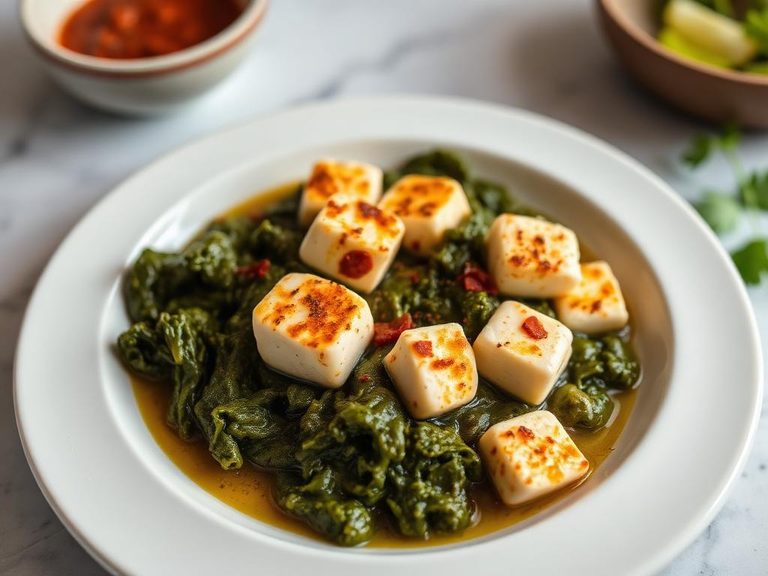
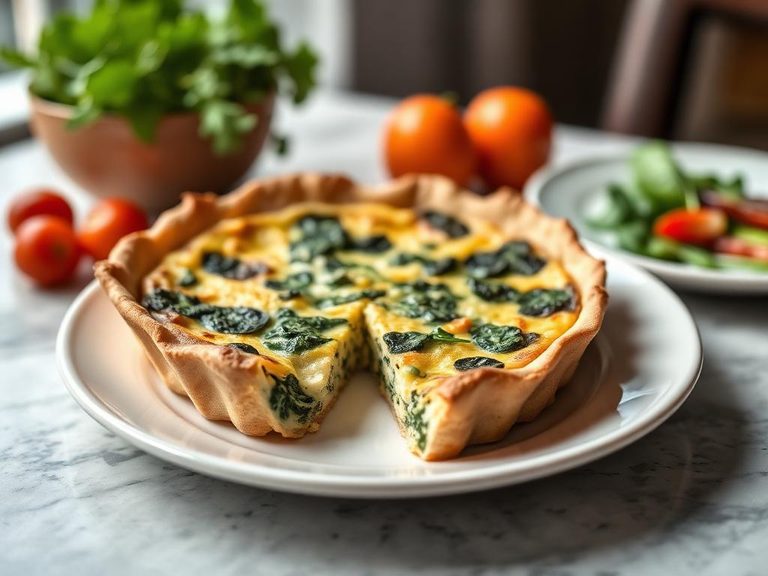
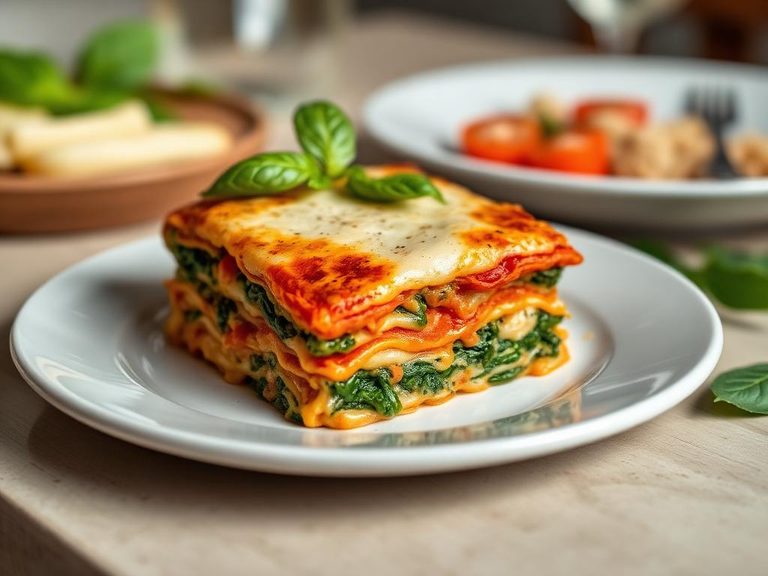
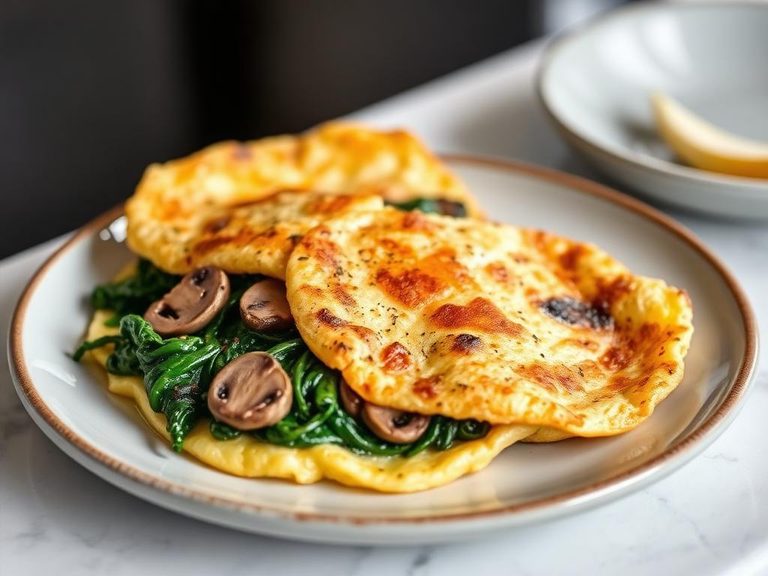
🌍 Where it's eaten
💡 Did you know?
Freezing spinach actually makes some of its nutrients, like beta-carotene (a precursor to vitamin A), more bioavailable to your body compared to fresh spinach.
Full nutrition (USDA data · scales with serving)
| Water | 88.9 g |
| Energy | 34.0 kcal |
| Energy | 143 kj |
| Protein | 4.0 g |
| Total lipid (fat) | 0.87 g |
| Ash | 1.4 g |
| Carbohydrate, by difference | 4.8 g |
| Fiber, total dietary | 3.7 g |
| Total Sugars | 0.51 g |
| Sucrose | 0.21 g |
| Glucose | 0.20 g |
| Fructose | 0.09 g |
| Lactose | 0.00 g |
| Maltose | 0.00 g |
| Galactose | 0.00 g |
| Starch | 0.00 g |
| Calcium, Ca | 153 mg |
| Iron, Fe | 2.0 mg |
| Magnesium, Mg | 82.0 mg |
| Phosphorus, P | 50.0 mg |
| Potassium, K | 302 mg |
| Sodium, Na | 322 mg |
| Zinc, Zn | 0.49 mg |
| Copper, Cu | 0.16 mg |
| Manganese, Mn | 0.72 mg |
| Selenium, Se | 5.5 ug |
| Vitamin C, total ascorbic acid | 2.2 mg |
| Thiamin | 0.08 mg |
| Riboflavin | 0.18 mg |
| Niacin | 0.44 mg |
| Pantothenic acid | 0.07 mg |
| Vitamin B-6 | 0.14 mg |
| Folate, total | 121 ug |
| Folic acid | 0.00 ug |
| Folate, food | 121 ug |
| Folate, DFE | 121 ug |
| Choline, total | 24.8 mg |
| Betaine | 112 mg |
| Vitamin B-12 | 0.00 ug |
| Vitamin B-12, added | 0.00 ug |
| Vitamin A, RAE | 603 ug |
| Retinol | 0.00 ug |
| Carotene, beta | 7237 ug |
| Carotene, alpha | 0.00 ug |
| Cryptoxanthin, beta | 0.00 ug |
| Vitamin A, IU | 12061 iu |
| Lycopene | 0.00 ug |
| Lutein + zeaxanthin | 15690 ug |
| Vitamin E (alpha-tocopherol) | 3.5 mg |
| Vitamin E, added | 0.00 mg |
| Tocopherol, beta | 0.01 mg |
| Tocopherol, gamma | 0.17 mg |
| Tocopherol, delta | 0.00 mg |
| Tocotrienol, alpha | 0.00 mg |
| Tocotrienol, beta | 0.00 mg |
| Tocotrienol, gamma | 0.00 mg |
| Tocotrienol, delta | 0.00 mg |
| Vitamin D (D2 + D3), International Units | 0.00 iu |
| Vitamin D (D2 + D3) | 0.00 ug |
| Vitamin K (phylloquinone) | 541 ug |
| Vitamin K (Dihydrophylloquinone) | 0.00 ug |
| Caffeine | 0.00 mg |
| Theobromine | 0.00 mg |
Fat & fatty acid profile (per 100g)
| Fatty acids, total saturated | 0.04 g |
| SFA 4:0 | 0.00 g |
| SFA 6:0 | 0.00 g |
| SFA 8:0 | 0.00 g |
| SFA 10:0 | 0.00 g |
| SFA 12:0 | 0.00 g |
| SFA 14:0 | 0.00 g |
| SFA 15:0 | 0.00 g |
| SFA 16:0 | 0.04 g |
| SFA 17:0 | 0.00 g |
| SFA 18:0 | 0.00 g |
| SFA 20:0 | 0.00 g |
| SFA 22:0 | 0.00 g |
| SFA 24:0 | 0.00 g |
| Fatty acids, total monounsaturated | 0.00 g |
| MUFA 14:1 | 0.00 g |
| MUFA 16:1 | 0.00 g |
| MUFA 18:1 | 0.00 g |
| MUFA 20:1 | 0.00 g |
| MUFA 22:1 | 0.00 g |
| Fatty acids, total polyunsaturated | 0.09 g |
| PUFA 18:2 | 0.00 g |
| PUFA 18:3 | 0.09 g |
| PUFA 18:4 | 0.00 g |
| PUFA 20:4 | 0.00 g |
| PUFA 20:5 n-3 (EPA) | 0.00 g |
| PUFA 22:5 n-3 (DPA) | 0.00 g |
| PUFA 22:6 n-3 (DHA) | 0.00 g |
| Fatty acids, total trans | 0.00 g |
| Cholesterol | 0.00 mg |
Amino acid profile (per 100g)
| Tryptophan | 0.10 g |
| Threonine | 0.22 g |
| Isoleucine | 0.13 g |
| Leucine | 0.20 g |
| Lysine | 0.26 g |
| Methionine | 0.05 g |
| Cystine | 0.03 g |
| Phenylalanine | 0.21 g |
| Tyrosine | 0.22 g |
| Valine | 0.18 g |
| Arginine | 0.49 g |
| Histidine | 0.05 g |
| Alanine | 0.22 g |
| Aspartic acid | 0.44 g |
| Glutamic acid | 0.52 g |
| Glycine | 0.23 g |
| Proline | 0.20 g |
| Serine | 0.17 g |
FAQ
Why is frozen spinach sometimes more nutritious than fresh?
It's typically flash-frozen shortly after harvest, which locks in vitamins that can degrade over time in fresh spinach during transport and storage.
How do I reduce the 'soggy' texture?
After boiling, press the spinach firmly in a colander or cheesecloth to squeeze out as much water as possible before using it in dishes like quiche or pie fillings.
Is the salt in the nutritional info a lot?
The listed 0.51g of salt per 100g contributes about 200mg of sodium. This is moderate, but if you're on a low-sodium diet, rinsing the cooked spinach can help reduce this further.
Nutrient density (calculated · NRF9.3)
Nutrient Rich Foods index: beneficial nutrients (protein, fiber, vitamins, minerals) minus saturated fat, added sugar & sodium, per 100 kcal.
NRF9.3 index — Fulgoni, Keast & Drewnowski, 2009. Computed from USDA nutrients.
Weight-loss friendliness (composite index)
Energy density 0.34 kcal/g · 47% calories from protein · 3.7 g fiber · 0.5 g sugar per 100 g.
Composite of energy density (Rolls et al., 1999), protein & fiber satiety, minus sugar. A calculated heuristic — ranks satiety-per-calorie, not a clinical measure.
Dietary load (calculated from USDA values)
Potential renal acid load. Positive = acid-forming, negative = alkaline-forming.
Sodium-to-potassium ratio: 1.07 (lower is better — aim for ≤ 1)
Sodium:potassium per WHO potassium guidance. Computed from USDA nutrients.