

Potatoes, mashed, dehydrated, flakes without milk, dry form
Whole food · Vegetables and Vegetable Products
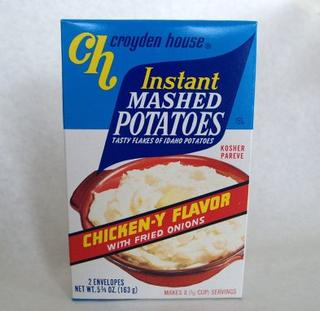
Photo: Wikipedia
These are potatoes that have been fully cooked, mashed, and then dried into light, crispy flakes. They have a mild, earthy potato flavor and a fluffy, slightly starchy texture when rehydrated, making them a blank canvas for other ingredients. Nutritionally, they are a concentrated source of energy-dense carbohydrates and a surprising source of plant-based protein.
Calorie split: 9% protein · 90% carbs · 1% fat
↓ Full nutrition💚 Why it's loved
People love them for their unmatched convenience and consistency, delivering perfect mashed potatoes in minutes without peeling or boiling. Their neutral flavor makes them a versatile base that readily absorbs butter, cream, herbs, and seasonings, fitting into countless culinary traditions.
⚠️ Watch-outs & how to enjoy it better
The primary concern is their high glycemic index, which can cause rapid blood-sugar spikes, especially when consumed alone. To counteract this, pair them with a source of protein (like beans, cheese, or meat) or healthy fat (like olive oil or avocado) to slow digestion. Also, check labels for added sodium in pre-seasoned varieties.
Key benefits
- Extremely long shelf life for pantry storage
- Quick to prepare with just hot water or milk
- Good source of dietary fiber for digestive health
- Provides a significant amount of plant-based protein
- Naturally low in fat and cholesterol-free
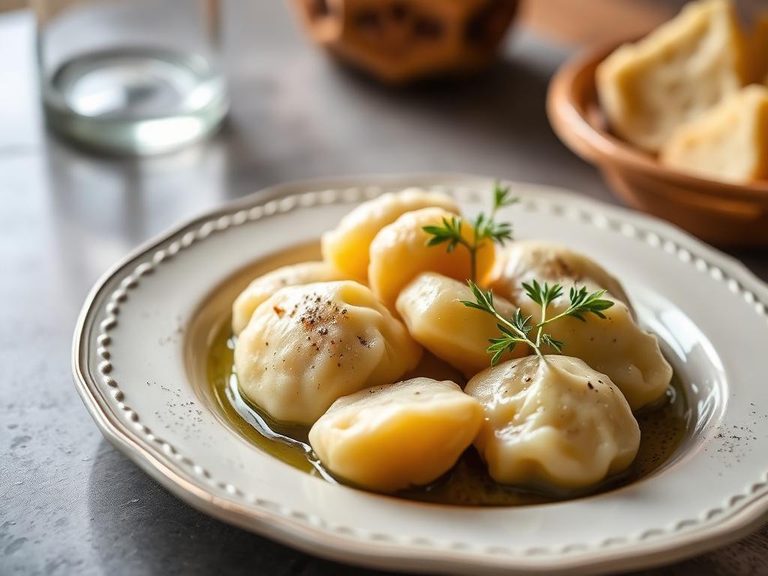
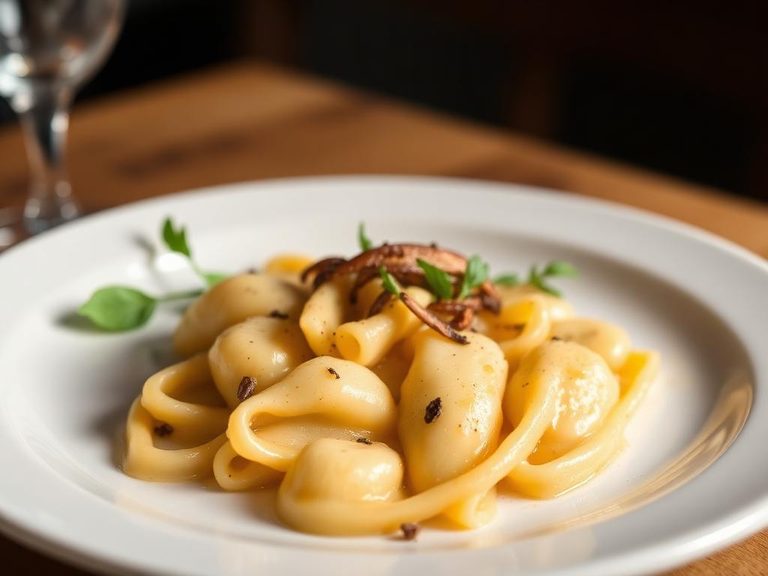
🍽️ Popular dishes


🌍 Where it's eaten
💡 Did you know?
The flakes were developed in the 1950s by a team at the USDA, who first created the process to make instant mashed potatoes for the U.S. military.
Full nutrition (USDA data · scales with serving)
| Water | 6.6 g |
| Energy | 354 kcal |
| Energy | 1480 kj |
| Protein | 8.3 g |
| Total lipid (fat) | 0.41 g |
| Ash | 3.5 g |
| Carbohydrate, by difference | 81.2 g |
| Fiber, total dietary | 6.6 g |
| Total Sugars | 3.4 g |
| Sucrose | 0.99 g |
| Glucose | 0.89 g |
| Fructose | 0.98 g |
| Lactose | 0.00 g |
| Maltose | 0.50 g |
| Galactose | 0.00 g |
| Starch | 70.6 g |
| Calcium, Ca | 27.0 mg |
| Iron, Fe | 1.2 mg |
| Magnesium, Mg | 66.0 mg |
| Phosphorus, P | 156 mg |
| Potassium, K | 1098 mg |
| Sodium, Na | 77.0 mg |
| Zinc, Zn | 0.70 mg |
| Copper, Cu | 0.16 mg |
| Manganese, Mn | 0.16 mg |
| Selenium, Se | 13.4 ug |
| Vitamin C, total ascorbic acid | 81.0 mg |
| Thiamin | 0.99 mg |
| Riboflavin | 0.11 mg |
| Niacin | 6.3 mg |
| Pantothenic acid | 2.1 mg |
| Vitamin B-6 | 0.75 mg |
| Folate, total | 46.0 ug |
| Folic acid | 0.00 ug |
| Folate, food | 46.0 ug |
| Folate, DFE | 46.0 ug |
| Choline, total | 54.9 mg |
| Vitamin B-12 | 0.00 ug |
| Vitamin B-12, added | 0.00 ug |
| Vitamin A, RAE | 1.0 ug |
| Retinol | 0.00 ug |
| Carotene, beta | 6.0 ug |
| Carotene, alpha | 0.00 ug |
| Cryptoxanthin, beta | 0.00 ug |
| Vitamin A, IU | 11.0 iu |
| Lycopene | 0.00 ug |
| Lutein + zeaxanthin | 37.0 ug |
| Vitamin E (alpha-tocopherol) | 0.03 mg |
| Vitamin E, added | 0.00 mg |
| Tocopherol, beta | 0.00 mg |
| Tocopherol, gamma | 0.01 mg |
| Tocopherol, delta | 0.00 mg |
| Tocotrienol, alpha | 0.00 mg |
| Tocotrienol, beta | 0.00 mg |
| Tocotrienol, gamma | 0.00 mg |
| Tocotrienol, delta | 0.00 mg |
| Vitamin D (D2 + D3), International Units | 0.00 iu |
| Vitamin D (D2 + D3) | 0.00 ug |
| Vitamin K (phylloquinone) | 8.7 ug |
| Alcohol, ethyl | 0.00 g |
| Caffeine | 0.00 mg |
| Theobromine | 0.00 mg |
Fat & fatty acid profile (per 100g)
| Fatty acids, total saturated | 0.17 g |
| SFA 4:0 | 0.00 g |
| SFA 6:0 | 0.00 g |
| SFA 8:0 | 0.00 g |
| SFA 10:0 | 0.00 g |
| SFA 12:0 | 0.01 g |
| SFA 14:0 | 0.00 g |
| SFA 15:0 | 0.00 g |
| SFA 16:0 | 0.07 g |
| SFA 17:0 | 0.00 g |
| SFA 18:0 | 0.08 g |
| SFA 20:0 | 0.01 g |
| SFA 22:0 | 0.00 g |
| Fatty acids, total monounsaturated | 0.01 g |
| MUFA 14:1 | 0.00 g |
| MUFA 15:1 | 0.00 g |
| MUFA 16:1 | 0.00 g |
| MUFA 17:1 | 0.00 g |
| MUFA 18:1 | 0.01 g |
| MUFA 20:1 | 0.00 g |
| MUFA 22:1 | 0.00 g |
| Fatty acids, total polyunsaturated | 0.14 g |
| PUFA 18:2 | 0.09 g |
| PUFA 18:3 | 0.03 g |
| PUFA 18:3 n-3 c,c,c (ALA) | 0.02 g |
| PUFA 18:3 n-6 c,c,c | 0.00 g |
| PUFA 18:4 | 0.00 g |
| PUFA 20:2 n-6 c,c | 0.00 g |
| PUFA 20:3 | 0.00 g |
| PUFA 20:4 | 0.00 g |
| PUFA 20:5 n-3 (EPA) | 0.00 g |
| PUFA 22:5 n-3 (DPA) | 0.00 g |
| PUFA 22:6 n-3 (DHA) | 0.00 g |
| Cholesterol | 0.00 mg |
Amino acid profile (per 100g)
| Tryptophan | 0.08 g |
| Threonine | 0.27 g |
| Isoleucine | 0.27 g |
| Leucine | 0.43 g |
| Lysine | 0.46 g |
| Methionine | 0.13 g |
| Cystine | 0.11 g |
| Phenylalanine | 0.49 g |
| Tyrosine | 0.23 g |
| Valine | 0.43 g |
| Arginine | 0.43 g |
| Histidine | 0.15 g |
| Alanine | 0.29 g |
| Aspartic acid | 1.9 g |
| Glutamic acid | 1.4 g |
| Glycine | 0.24 g |
| Proline | 0.28 g |
| Serine | 0.32 g |
| Hydroxyproline | 0.00 g |
FAQ
How do I rehydrate them properly?
Bring water or milk to a boil, remove from heat, then stir in the flakes. Let them sit for 1-2 minutes to absorb the liquid, then fluff with a fork. Adjust liquid for desired consistency.
Can I use them for baking?
Yes, they can add moisture and structure to breads, rolls, and even some cookies. They are also a key ingredient in gluten-free baking blends to improve texture.
What's the difference between flakes and granules?
Flakes are thinner and rehydrate faster, yielding a smoother, more traditional mashed texture. Granules are thicker, coarser pieces that take slightly longer to rehydrate and often result in a more rustic, slightly lumpier texture.
Nutrient density (calculated · NRF9.3)
Nutrient Rich Foods index: beneficial nutrients (protein, fiber, vitamins, minerals) minus saturated fat, added sugar & sodium, per 100 kcal.
NRF9.3 index — Fulgoni, Keast & Drewnowski, 2009. Computed from USDA nutrients.
Weight-loss friendliness (composite index)
Energy density 3.54 kcal/g · 9% calories from protein · 6.6 g fiber · 3.4 g sugar per 100 g.
Composite of energy density (Rolls et al., 1999), protein & fiber satiety, minus sugar. A calculated heuristic — ranks satiety-per-calorie, not a clinical measure.
Dietary load (calculated from USDA values)
Potential renal acid load. Positive = acid-forming, negative = alkaline-forming.
Sodium-to-potassium ratio: 0.07 (lower is better — aim for ≤ 1)
Sodium:potassium per WHO potassium guidance. Computed from USDA nutrients.