

Pork, fresh, shoulder, arm picnic, separable lean and fat, raw
Whole food · Pork Products

Photo: Wikipedia
This is a raw cut from the pork shoulder, specifically the arm picnic section, featuring a balanced marbling of lean meat and fat. It offers a rich, porky flavor that becomes tender and succulent when slow-cooked, with a texture that can range from firm to melt-in-your-mouth depending on preparation. Nutritionally, it's a high-protein, zero-carb option that provides a significant amount of energy from its fat content.
Calorie split: 40% protein · 0% carbs · 60% fat
↓ Full nutrition💚 Why it's loved
People adore this cut for its incredible value and forgiving nature in the kitchen; its generous fat cap and intramuscular marbling baste the meat during long cooking, resulting in deeply flavorful, pull-apart tender dishes like pulled pork or stews. It's a cornerstone of comfort food across many cultures, symbolizing hearty, communal feasts.
⚠️ Watch-outs & how to enjoy it better
The relatively high fat content means it's calorie-dense, which may be a consideration for those managing weight or specific dietary fat intake. To mitigate, practice portion control and pair it with large servings of non-starchy vegetables (like roasted broccoli or a vinegar-based slaw) to add volume and fiber. Additionally, ensure it's cooked thoroughly to a safe internal temperature to avoid any foodborne illness.
Key benefits
- Excellent source of complete protein for muscle maintenance.
- Rich in B vitamins, especially thiamine (B1) and niacin (B3), crucial for energy metabolism.
- Provides essential minerals like zinc and selenium for immune function.
- The fat content aids in the absorption of fat-soluble vitamins (A, D, E, K).
- A versatile, affordable cut for hearty, satisfying meals.
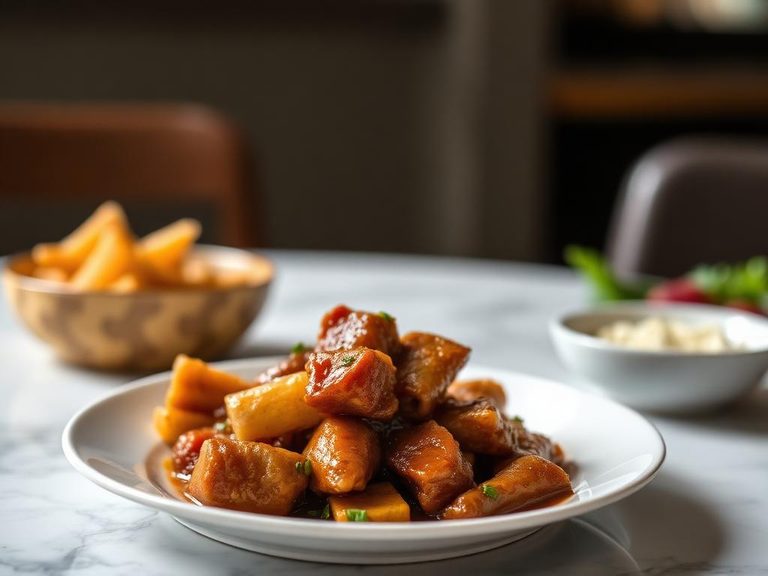
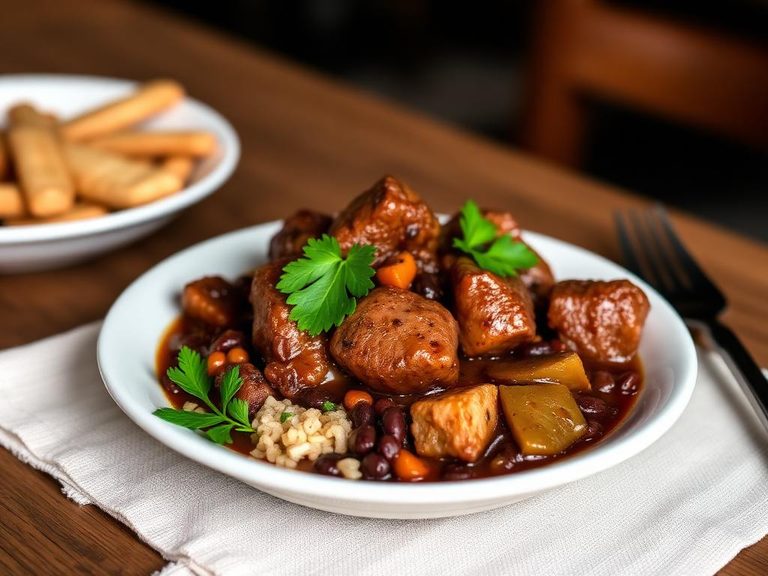
🍽️ Popular dishes
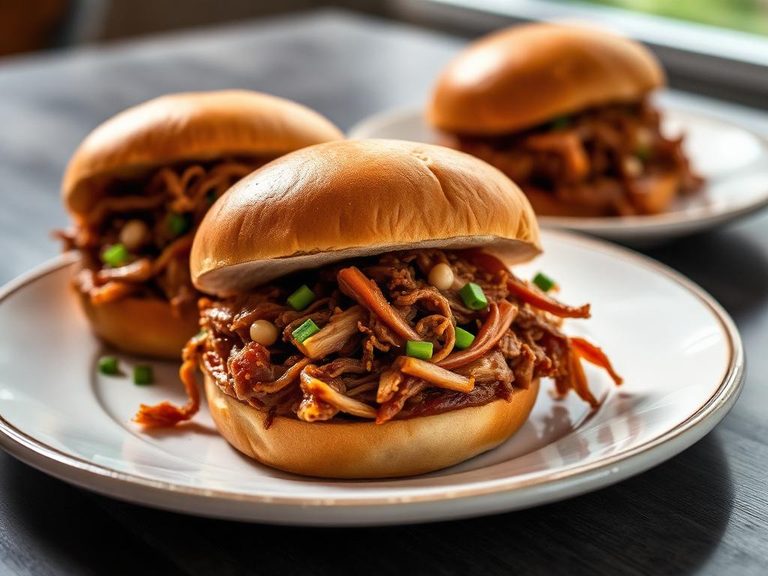
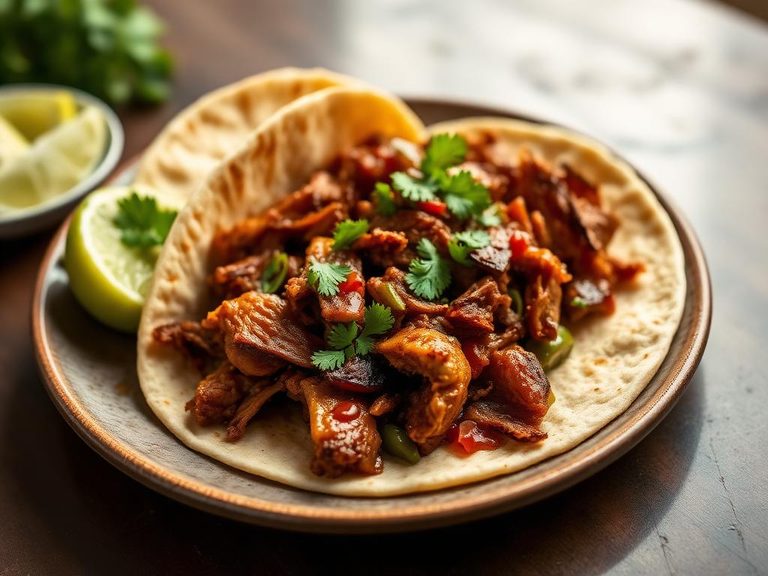
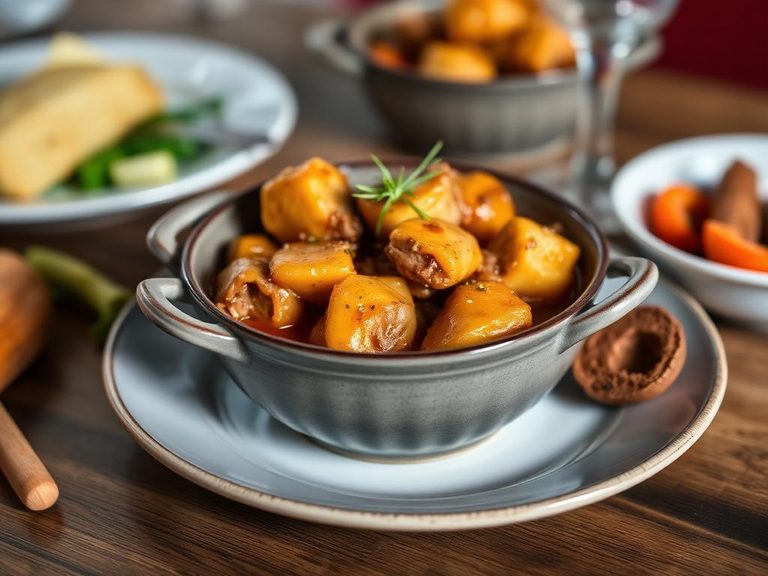
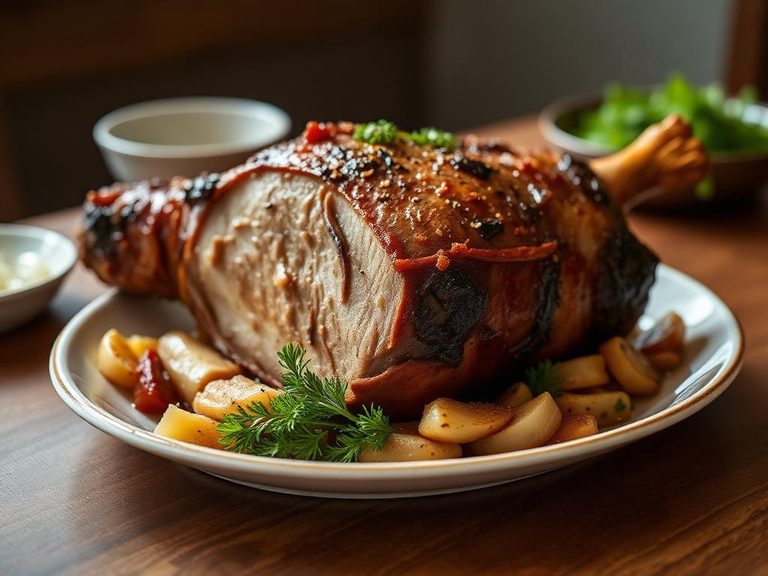
🌍 Where it's eaten
💡 Did you know?
The 'picnic' in its name is thought to originate from the fact that this lower-quality, bone-in shoulder cut was historically considered suitable for casual outdoor eating or picnics, unlike the more prized loin cuts.
Full nutrition (USDA data · scales with serving)
| Water | 68.3 g |
| Energy | 193 kcal |
| Energy | 806 kj |
| Protein | 18.7 g |
| Total lipid (fat) | 12.5 g |
| Ash | 0.98 g |
| Carbohydrate, by difference | 0.00 g |
| Fiber, total dietary | 0.00 g |
| Total Sugars | 0.00 g |
| Calcium, Ca | 12.0 mg |
| Iron, Fe | 0.57 mg |
| Magnesium, Mg | 18.0 mg |
| Phosphorus, P | 200 mg |
| Potassium, K | 413 mg |
| Sodium, Na | 84.0 mg |
| Zinc, Zn | 2.1 mg |
| Copper, Cu | 0.07 mg |
| Manganese, Mn | 0.01 mg |
| Selenium, Se | 21.9 ug |
| Vitamin C, total ascorbic acid | 0.00 mg |
| Thiamin | 0.58 mg |
| Riboflavin | 0.25 mg |
| Niacin | 4.5 mg |
| Pantothenic acid | 1.0 mg |
| Vitamin B-6 | 0.44 mg |
| Folate, total | 0.00 ug |
| Folic acid | 0.00 ug |
| Folate, food | 0.00 ug |
| Folate, DFE | 0.00 ug |
| Choline, total | 64.2 mg |
| Betaine | 2.5 mg |
| Vitamin B-12 | 0.57 ug |
| Vitamin B-12, added | 0.00 ug |
| Vitamin A, RAE | 5.0 ug |
| Retinol | 5.0 ug |
| Carotene, beta | 0.00 ug |
| Carotene, alpha | 0.00 ug |
| Cryptoxanthin, beta | 0.00 ug |
| Vitamin A, IU | 18.0 iu |
| Lycopene | 0.00 ug |
| Lutein + zeaxanthin | 0.00 ug |
| Vitamin E (alpha-tocopherol) | 0.21 mg |
| Vitamin E, added | 0.00 mg |
| Vitamin D (D2 + D3), International Units | 30.0 iu |
| Vitamin D (D2 + D3) | 0.80 ug |
| Vitamin D3 (cholecalciferol) | 0.80 ug |
| Vitamin K (phylloquinone) | 0.00 ug |
| Vitamin K (Dihydrophylloquinone) | 0.00 ug |
| Alcohol, ethyl | 0.00 g |
| Caffeine | 0.00 mg |
| Theobromine | 0.00 mg |
Fat & fatty acid profile (per 100g)
| Fatty acids, total saturated | 4.1 g |
| SFA 4:0 | 0.00 g |
| SFA 6:0 | 0.00 g |
| SFA 8:0 | 0.00 g |
| SFA 10:0 | 0.01 g |
| SFA 12:0 | 0.01 g |
| SFA 14:0 | 0.15 g |
| SFA 15:0 | 0.01 g |
| SFA 16:0 | 2.6 g |
| SFA 17:0 | 0.04 g |
| SFA 18:0 | 1.3 g |
| SFA 20:0 | 0.02 g |
| SFA 22:0 | 0.00 g |
| SFA 24:0 | 0.00 g |
| Fatty acids, total monounsaturated | 5.4 g |
| MUFA 14:1 | 0.00 g |
| MUFA 15:1 | 0.00 g |
| MUFA 16:1 | 0.26 g |
| MUFA 17:1 | 0.00 g |
| MUFA 18:1 | 5.0 g |
| MUFA 18:1 c | 4.9 g |
| MUFA 20:1 | 0.09 g |
| MUFA 22:1 | 0.00 g |
| MUFA 22:1 c | 0.00 g |
| Fatty acids, total polyunsaturated | 2.5 g |
| PUFA 18:2 | 2.2 g |
| PUFA 18:2 n-6 c,c | 2.2 g |
| PUFA 18:3 | 0.10 g |
| PUFA 18:3 n-3 c,c,c (ALA) | 0.10 g |
| PUFA 18:3 n-6 c,c,c | 0.00 g |
| PUFA 18:3i | 0.00 g |
| PUFA 18:4 | 0.00 g |
| PUFA 20:2 n-6 c,c | 0.08 g |
| PUFA 20:3 | 0.01 g |
| PUFA 20:4 | 0.08 g |
| PUFA 20:5 n-3 (EPA) | 0.00 g |
| PUFA 22:5 n-3 (DPA) | 0.01 g |
| PUFA 22:6 n-3 (DHA) | 0.00 g |
| Fatty acids, total trans | 0.12 g |
| Fatty acids, total trans-monoenoic | 0.10 g |
| TFA 18:1 t | 0.10 g |
| TFA 18:2 t not further defined | 0.02 g |
| Fatty acids, total trans-polyenoic | 0.02 g |
| Cholesterol | 63.0 mg |
Amino acid profile (per 100g)
| Tryptophan | 0.22 g |
| Threonine | 0.82 g |
| Isoleucine | 0.89 g |
| Leucine | 1.5 g |
| Lysine | 1.7 g |
| Methionine | 0.51 g |
| Cystine | 0.21 g |
| Phenylalanine | 0.78 g |
| Tyrosine | 0.74 g |
| Valine | 0.95 g |
| Arginine | 1.2 g |
| Histidine | 0.76 g |
| Alanine | 1.1 g |
| Aspartic acid | 1.8 g |
| Glutamic acid | 2.9 g |
| Glycine | 0.84 g |
| Proline | 0.76 g |
| Serine | 0.78 g |
| Hydroxyproline | 0.07 g |
FAQ
What's the difference between pork shoulder and pork butt?
They are both from the shoulder region. Pork butt (or Boston butt) is the upper portion above the shoulder blade, while pork shoulder (or picnic roast) is the lower portion. Pork butt is generally more marbled and uniform, making it the preferred cut for classic pulled pork.
Nutrient density (calculated · NRF9.3)
Nutrient Rich Foods index: beneficial nutrients (protein, fiber, vitamins, minerals) minus saturated fat, added sugar & sodium, per 100 kcal.
NRF9.3 index — Fulgoni, Keast & Drewnowski, 2009. Computed from USDA nutrients.
Weight-loss friendliness (composite index)
Energy density 1.93 kcal/g · 39% calories from protein · 0.0 g fiber · 0.0 g sugar per 100 g.
Composite of energy density (Rolls et al., 1999), protein & fiber satiety, minus sugar. A calculated heuristic — ranks satiety-per-calorie, not a clinical measure.
Dietary load (calculated from USDA values)
Potential renal acid load. Positive = acid-forming, negative = alkaline-forming.
Sodium-to-potassium ratio: 0.20 (lower is better — aim for ≤ 1)
Sodium:potassium per WHO potassium guidance. Computed from USDA nutrients.