

Margarine, regular, 80% fat, composite, stick, with salt
Whole food · Fats and Oils

Photo: Wikipedia
Margarine is a firm, buttery-tasting spread made from refined vegetable oils, designed to mimic the texture and function of dairy butter. It boasts a smooth, creamy mouthfeel when softened and a slightly salty, neutral flavor that readily absorbs other tastes. Nutritionally, it is a concentrated source of fat, providing over 80 grams per 100g, with negligible protein or carbohydrates.
Calorie split: 0% protein · 0% carbs · 100% fat
↓ Full nutrition💚 Why it's loved
People love it for its convenience, consistent performance in baking, and affordability compared to butter. Its neutral flavor makes it a versatile base for both savory cooking and sweet baked goods.
⚠️ Watch-outs & how to enjoy it better
The primary downside is its high fat content, particularly if made with partially hydrogenated oils containing trans fats. The added sodium can be a concern for those monitoring intake. To counteract, use it sparingly as a flavor accent rather than a primary fat, and balance meals with potassium-rich foods like leafy greens or bananas to help manage sodium levels.
Key benefits
- Dairy-free alternative for vegans and lactose-intolerant individuals
- Contains added salt for flavor enhancement
- High smoke point suitable for baking and sautéing
- Often fortified with vitamins A and D
- Longer shelf life than butter when refrigerated
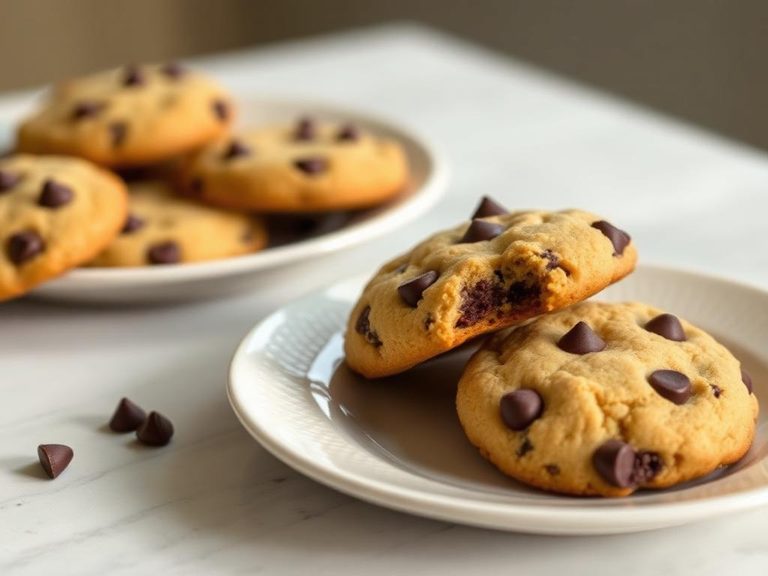
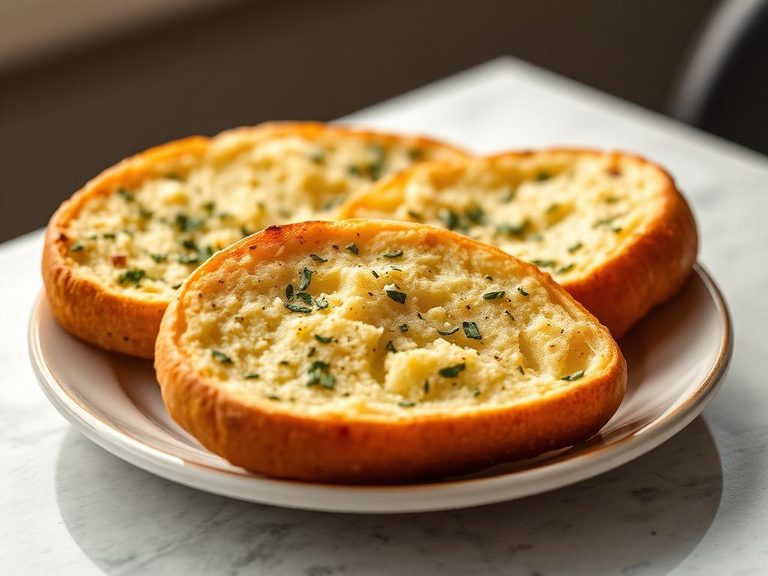
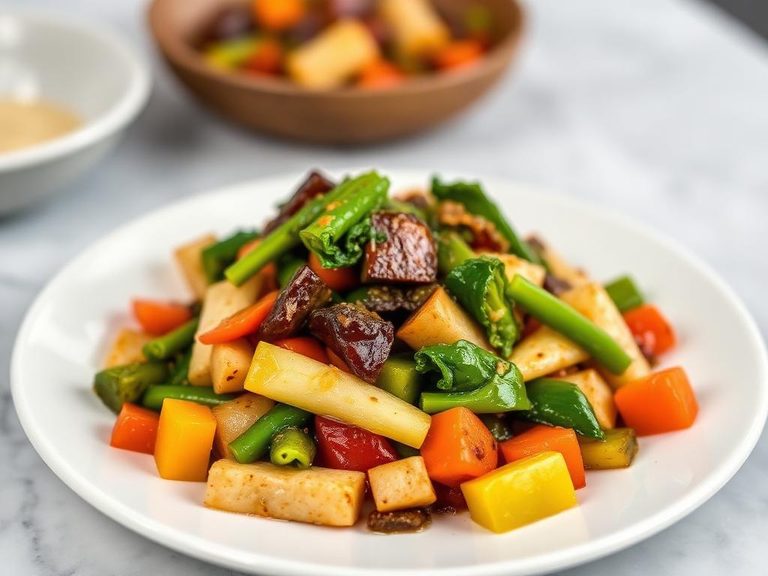
🍽️ Popular dishes


🌍 Where it's eaten
💡 Did you know?
Margarine was invented in 1869 by French chemist Hippolyte Mège-Mouriès in response to a challenge from Emperor Napoleon III to create a butter substitute for the armed forces and working classes.
Full nutrition (USDA data · scales with serving)
| Water | 16.5 g |
| Energy | 717 kcal |
| Energy | 2999 kj |
| Protein | 0.16 g |
| Total lipid (fat) | 80.7 g |
| Ash | 1.9 g |
| Carbohydrate, by difference | 0.70 g |
| Fiber, total dietary | 0.00 g |
| Total Sugars | 0.00 g |
| Calcium, Ca | 3.0 mg |
| Iron, Fe | 0.06 mg |
| Magnesium, Mg | 3.0 mg |
| Phosphorus, P | 5.0 mg |
| Potassium, K | 18.0 mg |
| Sodium, Na | 751 mg |
| Zinc, Zn | 0.00 mg |
| Copper, Cu | 0.00 mg |
| Selenium, Se | 0.00 ug |
| Vitamin C, total ascorbic acid | 0.20 mg |
| Thiamin | 0.01 mg |
| Riboflavin | 0.04 mg |
| Niacin | 0.02 mg |
| Pantothenic acid | 0.00 mg |
| Vitamin B-6 | 0.01 mg |
| Folate, total | 1.0 ug |
| Folic acid | 0.00 ug |
| Folate, food | 1.0 ug |
| Folate, DFE | 1.0 ug |
| Choline, total | 12.4 mg |
| Vitamin B-12 | 0.10 ug |
| Vitamin B-12, added | 0.00 ug |
| Vitamin A, RAE | 819 ug |
| Retinol | 768 ug |
| Carotene, beta | 610 ug |
| Carotene, alpha | 0.00 ug |
| Cryptoxanthin, beta | 0.00 ug |
| Vitamin A, IU | 3571 iu |
| Lycopene | 0.00 ug |
| Lutein + zeaxanthin | 0.00 ug |
| Vitamin E (alpha-tocopherol) | 9.0 mg |
| Vitamin E, added | 0.00 mg |
| Vitamin D (D2 + D3), International Units | 0.00 iu |
| Vitamin D (D2 + D3) | 0.00 ug |
| Vitamin K (phylloquinone) | 93.0 ug |
| Alcohol, ethyl | 0.00 g |
| Caffeine | 0.00 mg |
| Theobromine | 0.00 mg |
Fat & fatty acid profile (per 100g)
| Fatty acids, total saturated | 15.2 g |
| SFA 4:0 | 0.00 g |
| SFA 6:0 | 0.00 g |
| SFA 8:0 | 0.00 g |
| SFA 10:0 | 0.00 g |
| SFA 12:0 | 0.00 g |
| SFA 14:0 | 0.05 g |
| SFA 15:0 | 0.01 g |
| SFA 16:0 | 8.4 g |
| SFA 17:0 | 0.07 g |
| SFA 18:0 | 6.2 g |
| SFA 20:0 | 0.26 g |
| SFA 22:0 | 0.11 g |
| SFA 24:0 | 0.09 g |
| Fatty acids, total monounsaturated | 38.9 g |
| MUFA 14:1 | 0.00 g |
| MUFA 15:1 | 0.00 g |
| MUFA 16:1 | 0.04 g |
| MUFA 17:1 | 0.02 g |
| MUFA 18:1 | 38.7 g |
| MUFA 20:1 | 0.13 g |
| MUFA 22:1 | 0.00 g |
| MUFA 22:1 c | 0.00 g |
| MUFA 24:1 c | 0.00 g |
| Fatty acids, total polyunsaturated | 24.3 g |
| PUFA 18:2 | 22.3 g |
| PUFA 18:2 CLAs | 0.03 g |
| PUFA 18:3 | 2.0 g |
| PUFA 18:3 n-3 c,c,c (ALA) | 2.0 g |
| PUFA 18:3 n-6 c,c,c | 0.08 g |
| PUFA 18:4 | 0.00 g |
| PUFA 20:2 n-6 c,c | 0.00 g |
| PUFA 20:3 | 0.00 g |
| PUFA 20:3 n-3 | 0.00 g |
| PUFA 20:3 n-6 | 0.00 g |
| PUFA 20:4 | 0.00 g |
| PUFA 20:5 n-3 (EPA) | 0.00 g |
| PUFA 22:4 | 0.00 g |
| PUFA 22:5 n-3 (DPA) | 0.01 g |
| PUFA 22:6 n-3 (DHA) | 0.00 g |
| Fatty acids, total trans | 14.9 g |
| Fatty acids, total trans-monoenoic | 14.2 g |
| TFA 22:1 t | 0.00 g |
| TFA 18:2 t not further defined | 0.70 g |
| Fatty acids, total trans-polyenoic | 0.70 g |
| Cholesterol | 0.00 mg |
| Stigmasterol | 35.0 mg |
| Campesterol | 75.0 mg |
| Beta-sitosterol | 275 mg |
Amino acid profile (per 100g)
Estimated from Margarine, regular, hard, soybean (hydrogenated) — USDA does not publish this profile for Margarine.
| Tryptophan | 0.01 g |
| Threonine | 0.04 g |
| Isoleucine | 0.05 g |
| Leucine | 0.08 g |
| Lysine | 0.07 g |
| Methionine | 0.02 g |
| Cystine | 0.01 g |
| Phenylalanine | 0.04 g |
| Tyrosine | 0.04 g |
| Valine | 0.06 g |
| Arginine | 0.03 g |
| Histidine | 0.02 g |
| Alanine | 0.03 g |
| Aspartic acid | 0.07 g |
| Glutamic acid | 0.18 g |
| Glycine | 0.02 g |
| Proline | 0.08 g |
| Serine | 0.05 g |
FAQ
What's the difference between margarine and butter?
Butter is a dairy product churned from cream, while margarine is an emulsion of vegetable oils, water, and additives. Butter has a distinct creamy flavor and contains milk solids; margarine is more neutral and plant-based.
Is margarine good for baking?
Yes, especially stick margarine formulated for baking. It has a similar fat content and water content to butter, which helps create flaky pie crusts and tender cookies. However, the flavor will be less rich than butter.
Can I use margarine for frying?
You can, but choose a margarine with a high smoke point and low water content to avoid splattering. It's generally better for medium-heat sautéing than for high-heat searing.
Nutrient density (calculated · NRF9.3)
Nutrient Rich Foods index: beneficial nutrients (protein, fiber, vitamins, minerals) minus saturated fat, added sugar & sodium, per 100 kcal.
NRF9.3 index — Fulgoni, Keast & Drewnowski, 2009. Computed from USDA nutrients.
Weight-loss friendliness (composite index)
Energy density 7.17 kcal/g · 0% calories from protein · 0.0 g fiber · 0.0 g sugar per 100 g.
Composite of energy density (Rolls et al., 1999), protein & fiber satiety, minus sugar. A calculated heuristic — ranks satiety-per-calorie, not a clinical measure.
Dietary load (calculated from USDA values)
Potential renal acid load. Positive = acid-forming, negative = alkaline-forming.
Sodium-to-potassium ratio: 41.72 (lower is better — aim for ≤ 1)
Sodium:potassium per WHO potassium guidance. Computed from USDA nutrients.