

Fish, salmon, sockeye (red), raw (Alaska Native)
Whole food · American Indian/Alaska Native Foods

Photo: Wikipedia
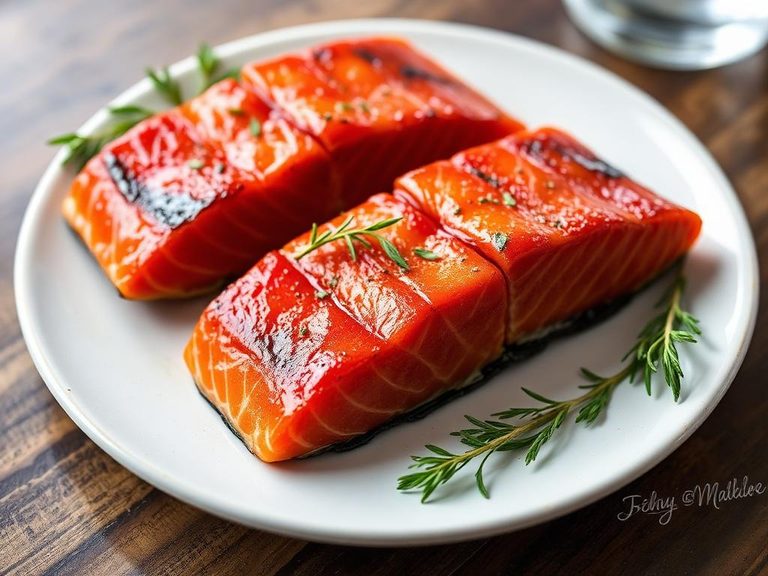
Sockeye salmon, also known as red salmon, is prized for its deep, ruby-red flesh and robust, distinctly rich flavor. Its texture is firm and meaty, holding up beautifully to various cooking methods without becoming flaky. This wild-caught Alaskan staple is a nutritional powerhouse, offering an exceptional protein-to-calorie ratio and a significant dose of heart-healthy omega-3 fats.
Calorie split: 57% protein · 0% carbs · 43% fat
↓ Full nutrition💚 Why it's loved
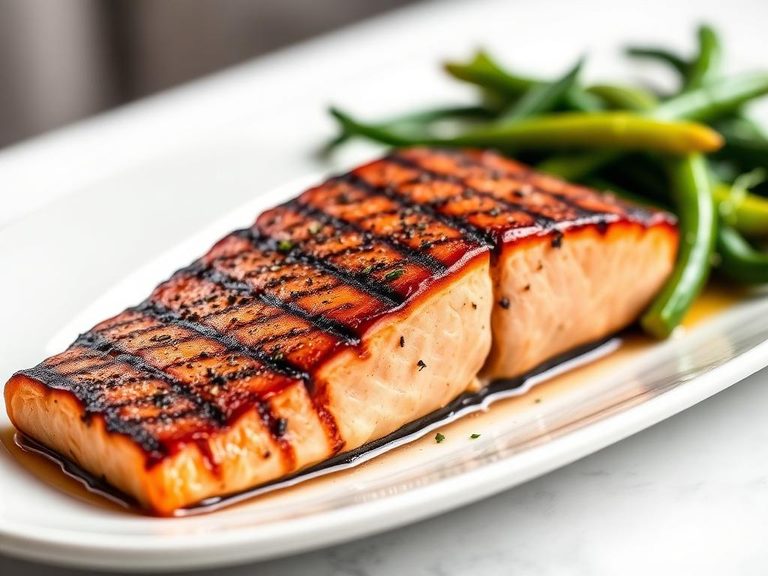
People adore sockeye for its pronounced, almost meaty flavor that stands out from milder salmon species, making it a favorite for grilling and broiling. Its cultural significance in Alaska Native communities and Pacific Northwest cuisine adds a layer of tradition and respect for this wild resource.
⚠️ Watch-outs & how to enjoy it better
The strong flavor can be overpowering for those accustomed to milder fish, and its firm texture can become dry if overcooked. As a common fish allergen, it must be avoided by individuals with fish allergies. To counteract dryness, use a marinade or a glaze, and cook to an internal temperature of 145°F (63°C) for optimal moisture.
Key benefits
- Excellent source of high-quality protein for muscle maintenance.
- Rich in long-chain omega-3 fatty acids (EPA & DHA) for brain and heart health.
- Natural source of vitamin D, crucial for bone health and immune function.
- Provides astaxanthin, a potent antioxidant responsible for its red color.
- Low in carbohydrates and contains no added sugars.
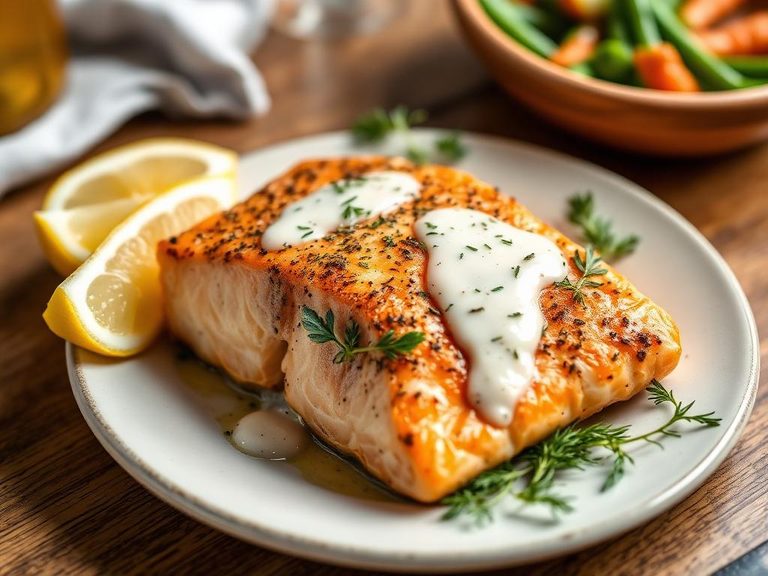
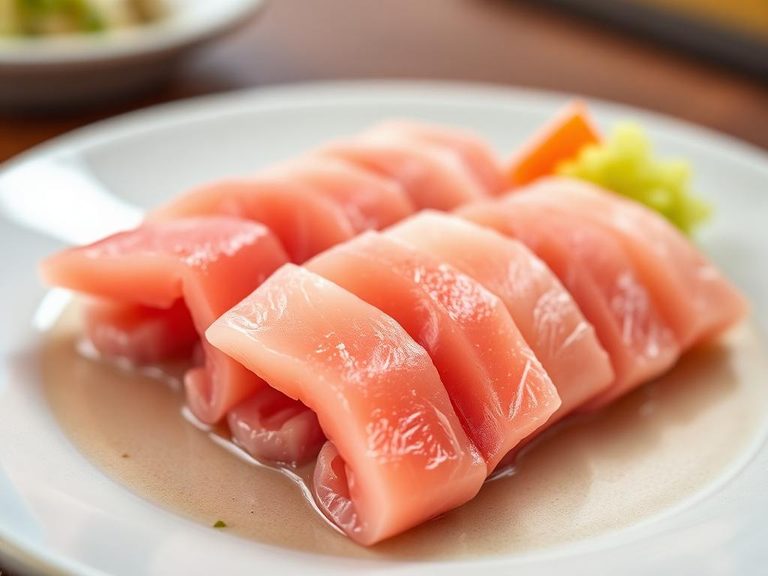
🍽️ Popular dishes
🌍 Where it's eaten
💡 Did you know?
Unlike most salmon, sockeye are anadromous fish that feed primarily on zooplankton (not other fish), which contributes to their uniquely lean and intensely flavored flesh.
Full nutrition (USDA data · scales with serving)
| Water | 69.6 g |
| Energy | 153 kcal |
| Energy | 641 kj |
| Protein | 21.9 g |
| Total lipid (fat) | 7.3 g |
| Ash | 1.3 g |
| Carbohydrate, by difference | 0.00 g |
| Fiber, total dietary | 0.00 g |
| Total Sugars | 0.00 g |
| Sucrose | 0.00 g |
| Glucose | 0.00 g |
| Fructose | 0.00 g |
| Lactose | 0.00 g |
| Maltose | 0.00 g |
| Galactose | 0.00 g |
| Starch | 0.00 g |
| Calcium, Ca | 7.0 mg |
| Iron, Fe | 0.53 mg |
| Magnesium, Mg | 27.0 mg |
| Phosphorus, P | 240 mg |
| Potassium, K | 360 mg |
| Sodium, Na | 60.0 mg |
| Zinc, Zn | 0.52 mg |
| Copper, Cu | 0.05 mg |
| Manganese, Mn | 0.01 mg |
| Selenium, Se | 29.9 ug |
| Vitamin C, total ascorbic acid | 0.00 mg |
| Thiamin | 0.25 mg |
| Riboflavin | 0.30 mg |
| Niacin | 8.0 mg |
| Pantothenic acid | 1.1 mg |
| Vitamin B-6 | 0.28 mg |
| Folate, total | 11.0 ug |
| Folic acid | 0.00 ug |
| Folate, food | 11.0 ug |
| Folate, DFE | 11.0 ug |
| Vitamin B-12 | 7.8 ug |
| Vitamin B-12, added | 0.00 ug |
| Vitamin A, RAE | 58.0 ug |
| Retinol | 58.0 ug |
| Carotene, beta | 0.00 ug |
| Carotene, alpha | 0.00 ug |
| Cryptoxanthin, beta | 0.00 ug |
| Vitamin A, IU | 193 iu |
| Lycopene | 0.00 ug |
| Lutein + zeaxanthin | 0.00 ug |
| Vitamin E (alpha-tocopherol) | 1.3 mg |
| Vitamin E, added | 0.00 mg |
| Tocopherol, beta | 0.01 mg |
| Tocopherol, gamma | 0.04 mg |
| Tocopherol, delta | 0.00 mg |
| Tocotrienol, alpha | 0.00 mg |
| Tocotrienol, beta | 0.00 mg |
| Tocotrienol, gamma | 0.00 mg |
| Tocotrienol, delta | 0.00 mg |
| Vitamin K (phylloquinone) | 0.30 ug |
| Vitamin K (Dihydrophylloquinone) | 0.00 ug |
| Alcohol, ethyl | 0.00 g |
| Caffeine | 0.00 mg |
| Theobromine | 0.00 mg |
Fat & fatty acid profile (per 100g)
| Fatty acids, total saturated | 1.0 g |
| SFA 8:0 | 0.00 g |
| SFA 10:0 | 0.00 g |
| SFA 12:0 | 0.00 g |
| SFA 14:0 | 0.17 g |
| SFA 15:0 | 0.02 g |
| SFA 16:0 | 0.67 g |
| SFA 17:0 | 0.01 g |
| SFA 18:0 | 0.13 g |
| SFA 20:0 | 0.01 g |
| SFA 22:0 | 0.00 g |
| SFA 24:0 | 0.00 g |
| Fatty acids, total monounsaturated | 2.2 g |
| MUFA 14:1 | 0.01 g |
| MUFA 15:1 | 0.00 g |
| MUFA 16:1 | 0.20 g |
| MUFA 17:1 | 0.01 g |
| MUFA 18:1 | 0.88 g |
| MUFA 20:1 | 0.61 g |
| MUFA 22:1 | 0.45 g |
| MUFA 24:1 c | 0.04 g |
| Fatty acids, total polyunsaturated | 1.4 g |
| PUFA 18:2 | 0.07 g |
| PUFA 18:3 | 0.07 g |
| PUFA 18:4 | 0.07 g |
| PUFA 20:2 n-6 c,c | 0.01 g |
| PUFA 20:3 | 0.00 g |
| PUFA 20:4 | 0.08 g |
| PUFA 20:5 n-3 (EPA) | 0.33 g |
| PUFA 21:5 | 0.01 g |
| PUFA 22:4 | 0.00 g |
| PUFA 22:5 n-3 (DPA) | 0.10 g |
| PUFA 22:6 n-3 (DHA) | 0.63 g |
| Cholesterol | 64.0 mg |
Amino acid profile (per 100g)
| Tryptophan | 0.31 g |
| Threonine | 0.99 g |
| Isoleucine | 0.97 g |
| Leucine | 1.5 g |
| Lysine | 1.8 g |
| Methionine | 0.78 g |
| Cystine | 0.31 g |
| Phenylalanine | 0.82 g |
| Tyrosine | 0.66 g |
| Valine | 1.1 g |
| Arginine | 1.1 g |
| Histidine | 0.50 g |
| Alanine | 1.4 g |
| Aspartic acid | 2.8 g |
| Glutamic acid | 3.0 g |
| Glycine | 0.94 g |
| Proline | 0.65 g |
| Serine | 0.84 g |
FAQ
How is sockeye salmon different from other salmon?
Sockeye is distinguished by its deep red flesh, firm texture, and richer, more robust flavor compared to the milder taste of species like Atlantic or pink salmon. It is also typically leaner and higher in omega-3s.
Is canned sockeye salmon as healthy as fresh?
Yes, canned sockeye salmon retains its excellent nutritional profile, including protein and omega-3s. It's often packed with bones (a great calcium source) and skin, making it a convenient and nutritious pantry staple.
What's the best way to cook sockeye to keep it moist?
Due to its leanness, sockeye cooks quickly and can dry out. High-heat methods like grilling, broiling, or pan-searing for a short time are ideal. Marinating beforehand or adding a sauce can also help preserve moisture.
Nutrient density (calculated · NRF9.3)
Nutrient Rich Foods index: beneficial nutrients (protein, fiber, vitamins, minerals) minus saturated fat, added sugar & sodium, per 100 kcal.
NRF9.3 index — Fulgoni, Keast & Drewnowski, 2009. Computed from USDA nutrients.
Weight-loss friendliness (composite index)
Energy density 1.53 kcal/g · 57% calories from protein · 0.0 g fiber · 0.0 g sugar per 100 g.
Composite of energy density (Rolls et al., 1999), protein & fiber satiety, minus sugar. A calculated heuristic — ranks satiety-per-calorie, not a clinical measure.
Dietary load (calculated from USDA values)
Potential renal acid load. Positive = acid-forming, negative = alkaline-forming.
Sodium-to-potassium ratio: 0.17 (lower is better — aim for ≤ 1)
Sodium:potassium per WHO potassium guidance. Computed from USDA nutrients.