

Fish, salmon, red, (sockeye), canned, smoked (Alaska Native)
Whole food · American Indian/Alaska Native Foods

Photo: Wikipedia
This is a traditional Alaskan Native preparation of sockeye salmon, where the fish is hot-smoked and then canned, resulting in a deeply savory, flaky, and often oily product with a pronounced smoky aroma. It's a nutritional powerhouse, delivering an exceptional amount of high-quality protein (35g per 100g) with virtually no carbohydrates, making it a staple for sustained energy.
Calorie split: 68% protein · 0% carbs · 32% fat
↓ Full nutrition💚 Why it's loved
People cherish its intense, concentrated salmon flavor amplified by the smoking process, which adds a complex, woodsy depth. Its incredible versatility—straight from the can, flaked into salads, or used as a hearty protein base—makes it a beloved pantry staple in many coastal communities.
⚠️ Watch-outs & how to enjoy it better
The smoking and canning process can result in a high sodium content, which is a consideration for those monitoring salt intake. To counteract this, rinse the fish briefly before use or pair it with unsalted, potassium-rich foods like fresh greens or avocado to help balance electrolytes. The strong, oily flavor is also not to everyone's taste.
Key benefits
- Exceptionally high in complete protein for muscle maintenance.
- Rich in anti-inflammatory omega-3 fatty acids (EPA & DHA).
- Provides a potent dose of vitamin B12 for nerve and blood health.
- Naturally free of carbohydrates and sugars.
- A traditional, preserved food with a long shelf life.
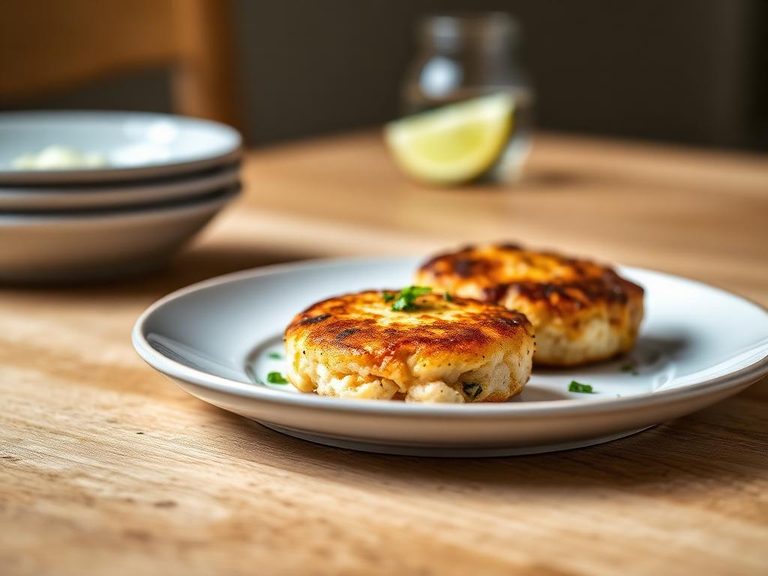
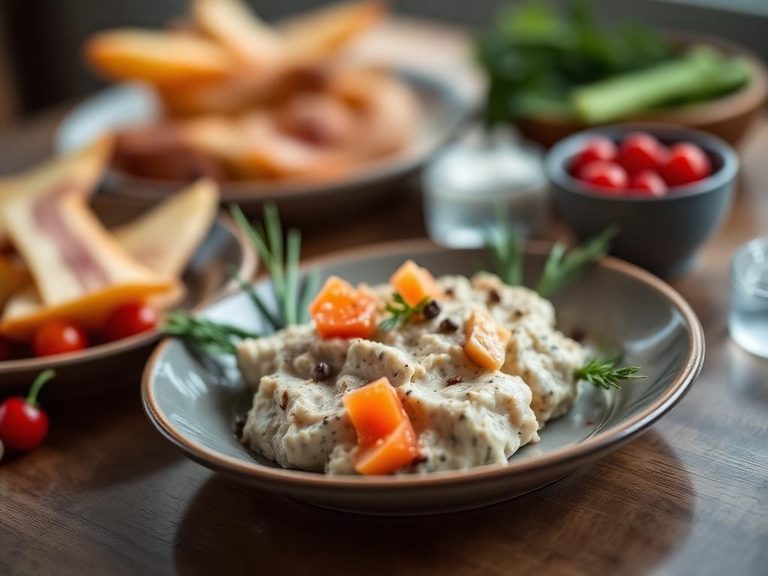
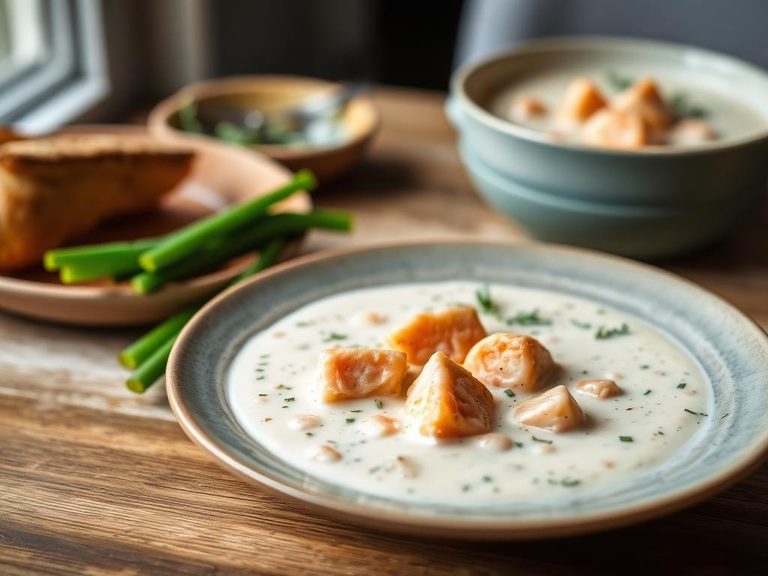
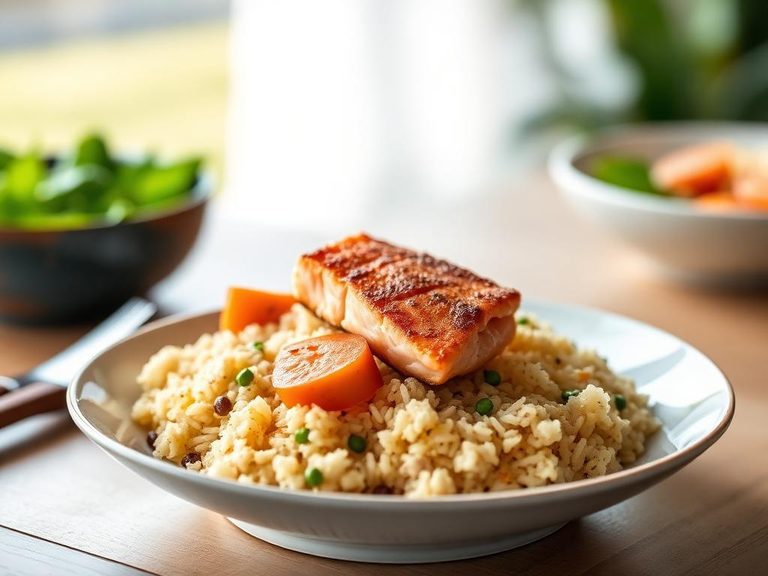
🍽️ Popular dishes

🌍 Where it's eaten
💡 Did you know?
Traditional Alaska Native smoking and canning methods for sockeye were developed not just for preservation, but to make the fish's bones soft and edible, maximizing calcium intake during long winters.
Full nutrition (USDA data · scales with serving)
| Water | 56.5 g |
| Energy | 206 kcal |
| Energy | 862 kj |
| Protein | 35.2 g |
| Total lipid (fat) | 7.3 g |
| Ash | 2.8 g |
| Carbohydrate, by difference | 0.00 g |
| Fiber, total dietary | 0.00 g |
| Total Sugars | 0.00 g |
| Sucrose | 0.00 g |
| Glucose | 0.00 g |
| Fructose | 0.00 g |
| Lactose | 0.00 g |
| Maltose | 0.00 g |
| Galactose | 0.00 g |
| Starch | 0.00 g |
| Calcium, Ca | 69.0 mg |
| Iron, Fe | 1.5 mg |
| Magnesium, Mg | 39.0 mg |
| Phosphorus, P | 350 mg |
| Potassium, K | 470 mg |
| Sodium, Na | 600 mg |
| Zinc, Zn | 1.1 mg |
| Copper, Cu | 0.15 mg |
| Manganese, Mn | 0.05 mg |
| Selenium, Se | 44.8 ug |
| Vitamin C, total ascorbic acid | 0.00 mg |
| Thiamin | 0.02 mg |
| Riboflavin | 0.36 mg |
| Niacin | 13.1 mg |
| Pantothenic acid | 0.66 mg |
| Vitamin B-6 | 0.18 mg |
| Folate, total | 4.0 ug |
| Folic acid | 0.00 ug |
| Folate, food | 4.0 ug |
| Folate, DFE | 4.0 ug |
| Choline, total | 107 mg |
| Betaine | 5.0 mg |
| Vitamin B-12 | 7.4 ug |
| Vitamin B-12, added | 0.00 ug |
| Vitamin A, RAE | 19.0 ug |
| Retinol | 19.0 ug |
| Carotene, beta | 0.00 ug |
| Carotene, alpha | 0.00 ug |
| Cryptoxanthin, beta | 0.00 ug |
| Vitamin A, IU | 63.0 iu |
| Lycopene | 0.00 ug |
| Lutein + zeaxanthin | 0.00 ug |
| Vitamin E (alpha-tocopherol) | 0.45 mg |
| Vitamin E, added | 0.00 mg |
| Tocopherol, beta | 0.00 mg |
| Tocopherol, gamma | 0.00 mg |
| Tocopherol, delta | 0.00 mg |
| Tocotrienol, alpha | 0.00 mg |
| Tocotrienol, beta | 0.00 mg |
| Tocotrienol, gamma | 0.00 mg |
| Tocotrienol, delta | 0.00 mg |
| Vitamin K (phylloquinone) | 0.00 ug |
| Vitamin K (Dihydrophylloquinone) | 0.00 ug |
| Vitamin K (Menaquinone-4) | 0.50 ug |
| Alcohol, ethyl | 0.00 g |
| Caffeine | 0.00 mg |
| Theobromine | 0.00 mg |
Fat & fatty acid profile (per 100g)
| Fatty acids, total saturated | 1.5 g |
| SFA 8:0 | 0.00 g |
| SFA 10:0 | 0.00 g |
| SFA 12:0 | 0.00 g |
| SFA 14:0 | 0.21 g |
| SFA 15:0 | 0.03 g |
| SFA 16:0 | 1.1 g |
| SFA 17:0 | 0.00 g |
| SFA 18:0 | 0.18 g |
| SFA 20:0 | 0.00 g |
| SFA 22:0 | 0.00 g |
| SFA 24:0 | 0.00 g |
| Fatty acids, total monounsaturated | 2.3 g |
| MUFA 14:1 | 0.00 g |
| MUFA 15:1 | 0.00 g |
| MUFA 16:1 | 0.25 g |
| MUFA 17:1 | 0.00 g |
| MUFA 18:1 | 1.3 g |
| MUFA 20:1 | 0.46 g |
| MUFA 22:1 | 0.30 g |
| MUFA 24:1 c | 0.03 g |
| Fatty acids, total polyunsaturated | 2.2 g |
| PUFA 18:2 | 0.10 g |
| PUFA 18:3 | 0.10 g |
| PUFA 18:4 | 0.10 g |
| PUFA 20:2 n-6 c,c | 0.02 g |
| PUFA 20:3 | 0.02 g |
| PUFA 20:4 | 0.11 g |
| PUFA 20:5 n-3 (EPA) | 0.60 g |
| PUFA 21:5 | 0.02 g |
| PUFA 22:4 | 0.00 g |
| PUFA 22:5 n-3 (DPA) | 0.17 g |
| PUFA 22:6 n-3 (DHA) | 0.97 g |
| Cholesterol | 93.0 mg |
Amino acid profile (per 100g)
| Tryptophan | 0.35 g |
| Threonine | 1.5 g |
| Isoleucine | 1.4 g |
| Leucine | 2.5 g |
| Lysine | 2.7 g |
| Methionine | 0.91 g |
| Cystine | 0.25 g |
| Phenylalanine | 1.4 g |
| Tyrosine | 1.1 g |
| Valine | 1.7 g |
| Arginine | 2.0 g |
| Histidine | 0.82 g |
| Alanine | 2.1 g |
| Aspartic acid | 3.3 g |
| Glutamic acid | 4.5 g |
| Glycine | 1.9 g |
| Proline | 1.7 g |
| Serine | 1.3 g |
FAQ
How is this different from regular canned salmon?
The key difference is the hot-smoking step before canning, which imparts a distinct, rich smokiness and a firmer, flakier texture compared to standard canned salmon, which is typically just steamed or boiled.
Can I eat the bones and skin?
Yes, and you should! The canning process softens the bones, making them a crunchy, calcium-rich addition. The skin is also edible and packed with healthy fats.
What's the best way to use it straight from the can?
It's excellent flaked over a salad, mixed with a little mayonnaise or Greek yogurt for a quick dip, or simply eaten on a cracker with a squeeze of lemon to cut the richness.
Nutrient density (calculated · NRF9.3)
Nutrient Rich Foods index: beneficial nutrients (protein, fiber, vitamins, minerals) minus saturated fat, added sugar & sodium, per 100 kcal.
NRF9.3 index — Fulgoni, Keast & Drewnowski, 2009. Computed from USDA nutrients.
Weight-loss friendliness (composite index)
Energy density 2.06 kcal/g · 68% calories from protein · 0.0 g fiber · 0.0 g sugar per 100 g.
Composite of energy density (Rolls et al., 1999), protein & fiber satiety, minus sugar. A calculated heuristic — ranks satiety-per-calorie, not a clinical measure.
Dietary load (calculated from USDA values)
Potential renal acid load. Positive = acid-forming, negative = alkaline-forming.
Sodium-to-potassium ratio: 1.28 (lower is better — aim for ≤ 1)
Sodium:potassium per WHO potassium guidance. Computed from USDA nutrients.